Sample Letter For Car Loan Payoff In Maricopa
Description
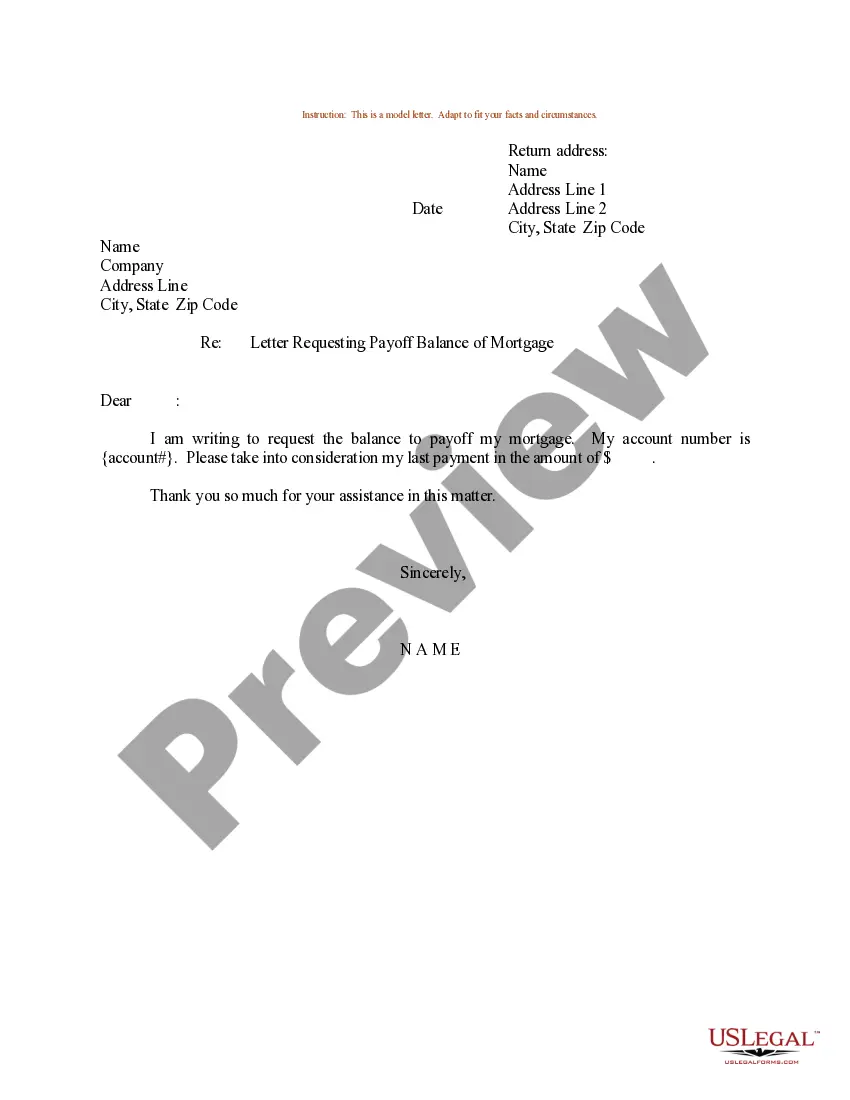
Get your form ready online
Our built-in tools help you complete, sign, share, and store your documents in one place.
Make edits, fill in missing information, and update formatting in US Legal Forms—just like you would in MS Word.
Download a copy, print it, send it by email, or mail it via USPS—whatever works best for your next step.
Sign and collect signatures with our SignNow integration. Send to multiple recipients, set reminders, and more. Go Premium to unlock E-Sign.
If this form requires notarization, complete it online through a secure video call—no need to meet a notary in person or wait for an appointment.
We protect your documents and personal data by following strict security and privacy standards.

Make edits, fill in missing information, and update formatting in US Legal Forms—just like you would in MS Word.

Download a copy, print it, send it by email, or mail it via USPS—whatever works best for your next step.

Sign and collect signatures with our SignNow integration. Send to multiple recipients, set reminders, and more. Go Premium to unlock E-Sign.

If this form requires notarization, complete it online through a secure video call—no need to meet a notary in person or wait for an appointment.

We protect your documents and personal data by following strict security and privacy standards.
Looking for another form?









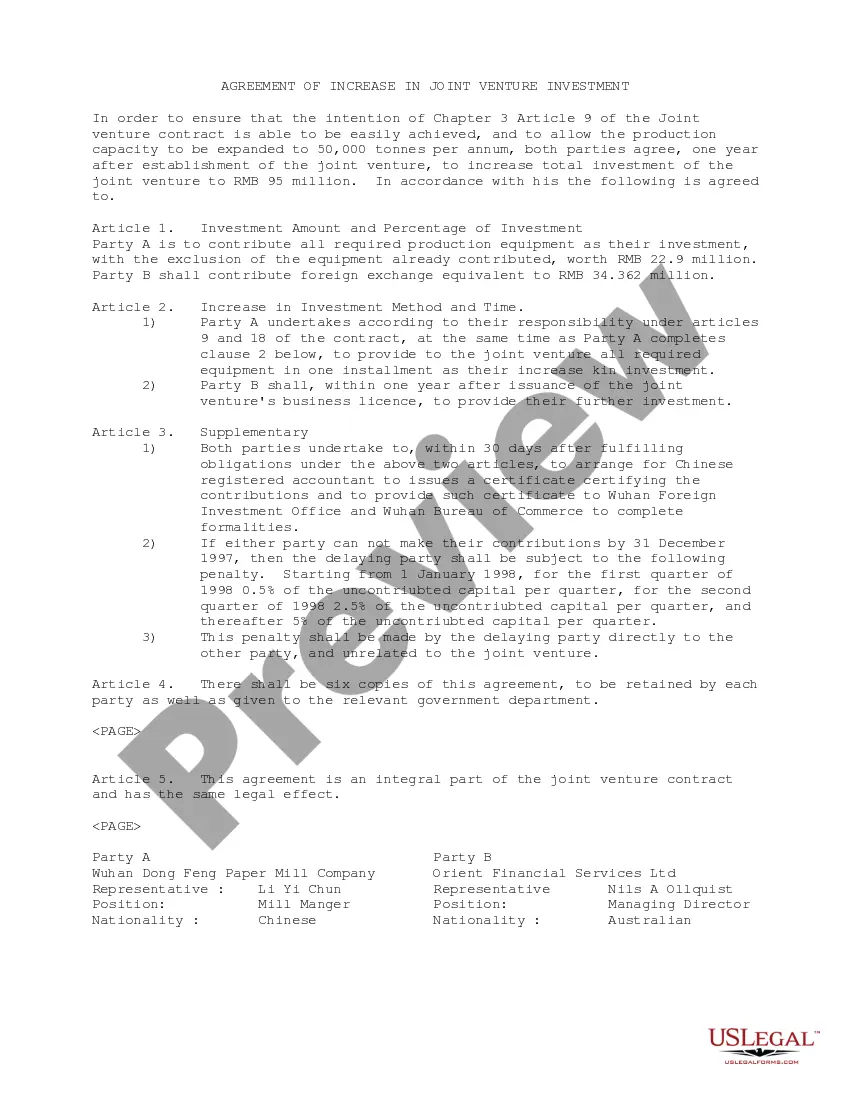
Form popularity
FAQ
How to Write a Payoff Letter: Step-by-Step Guide Step 1: Gather necessary information. Step 2: Format your letter. Step 3: Clearly state your intentions. Step 4: Detail the necessary information. Step 5: Request written confirmation. Step 6: Offer contact information. Step 7: Proofread and submit.
How do I request a payoff letter? To get a payoff letter, ask your lender for an official payoff statement. Call or write to customer service or make the request online. While logged into your account, look for options to request or calculate a payoff amount, and provide details such as your desired payoff date.
Property classified as Legal Class 4.1 is not listed as a registered rental but still does not receive the State Aid to Education Tax Credit. An example of a property in Legal Class 4.1 is a secondary home.
Legal Classes: 3.2 - Primary Residence of a qualified family member. 3.3 Primary Residence also leased or rented to lodgers. 4.1 - Non-Primary Residence. 4.2 - Residential Rental.
In the 2016 lawsuit, Qasimyar v. Maricopa County, a tax court ruled in favor of property owners who sued the county, alleging they were improperly and erroneously assessed when their properties went from a primary resident to a rental or secondary home, or vice versa.
1. Property owner (applicant) must be 65 years of age or older. 2. The property must be the primary residence of the property owner and must have lived there for at least 2 years.
However, certain changes, such as new constructions or additions, parcel splits or consolidations, or changes to a property's use trigger a reassessment of the LPV.
To get a payoff letter, ask your lender for an official payoff statement. Call or write to customer service or make the request online. While logged into your account, look for options to request or calculate a payoff amount, and provide details such as your desired payoff date.

