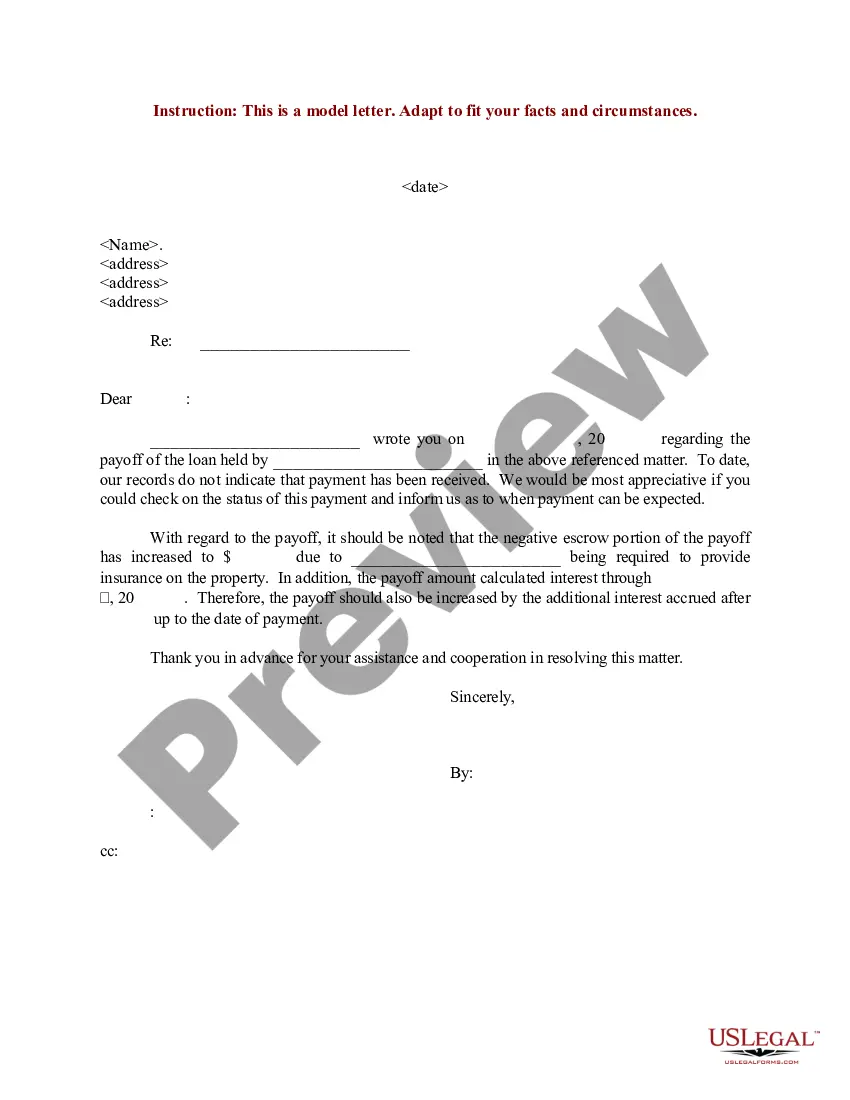
Loan Payoff Letter Sample With Collateral
Description
Get your form ready online
Our built-in tools help you complete, sign, share, and store your documents in one place.
Make edits, fill in missing information, and update formatting in US Legal Forms—just like you would in MS Word.
Download a copy, print it, send it by email, or mail it via USPS—whatever works best for your next step.
Sign and collect signatures with our SignNow integration. Send to multiple recipients, set reminders, and more. Go Premium to unlock E-Sign.
If this form requires notarization, complete it online through a secure video call—no need to meet a notary in person or wait for an appointment.
We protect your documents and personal data by following strict security and privacy standards.

Make edits, fill in missing information, and update formatting in US Legal Forms—just like you would in MS Word.

Download a copy, print it, send it by email, or mail it via USPS—whatever works best for your next step.

Sign and collect signatures with our SignNow integration. Send to multiple recipients, set reminders, and more. Go Premium to unlock E-Sign.

If this form requires notarization, complete it online through a secure video call—no need to meet a notary in person or wait for an appointment.

We protect your documents and personal data by following strict security and privacy standards.
Looking for another form?
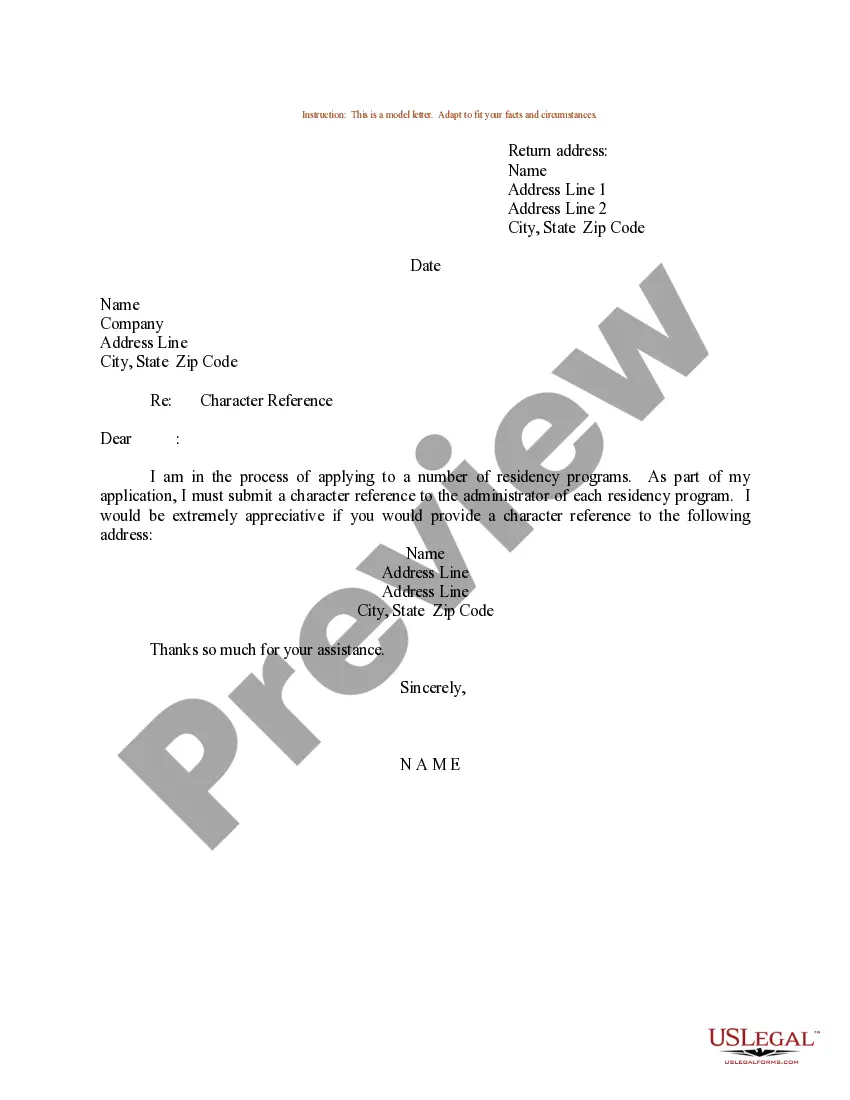
How to fill out Sample Letter For Payoff Of Loan Held By Mortgage Company?
Creating legal documents from the ground up can occasionally be somewhat daunting.
Certain situations may require extensive investigation and significant amounts of money.
If you’re looking for a simpler and more cost-effective approach to preparing Loan Payoff Letter Sample With Collateral or any other documents without the hassle, US Legal Forms is always available to help.
Our online collection of more than 85,000 current legal documents encompasses nearly every facet of your financial, legal, and personal matters.
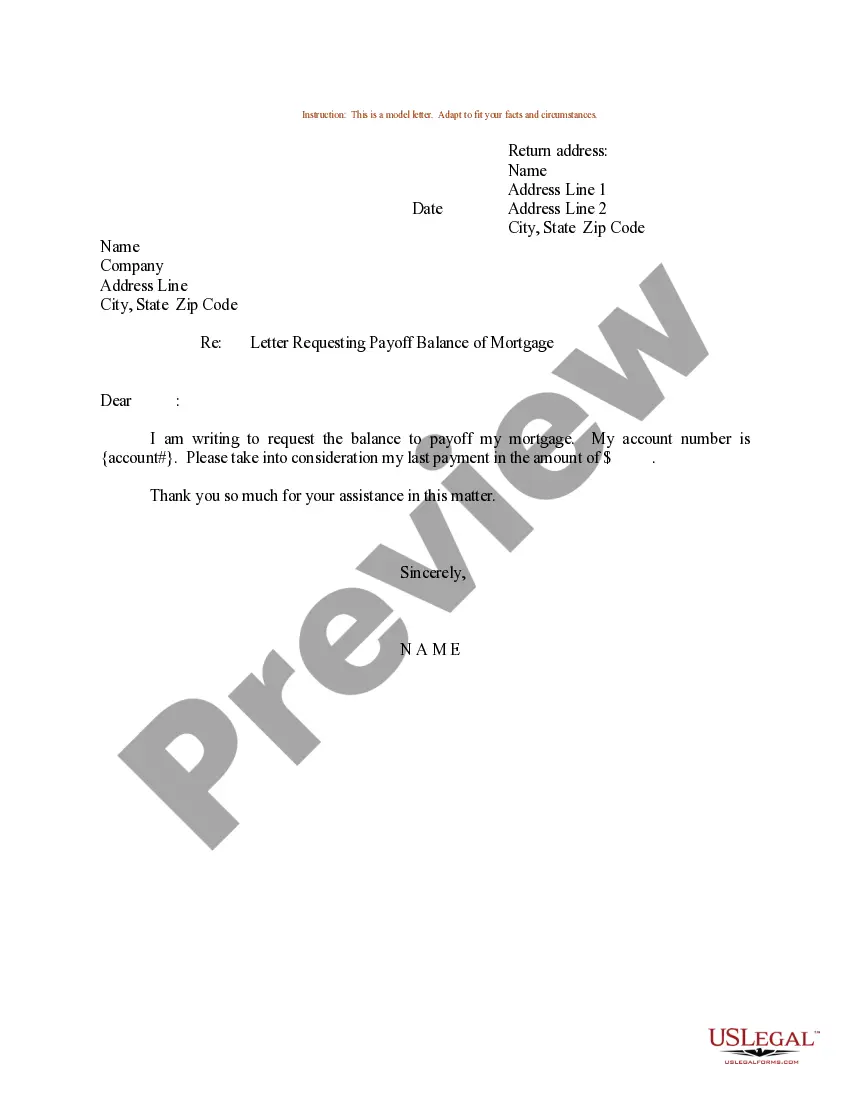
But before diving into downloading the Loan Payoff Letter Sample With Collateral, heed these suggestions: Check the form preview and descriptions to confirm you are viewing the document you need. Verify if the template you select aligns with the regulations of your state and county. Choose the appropriate subscription plan to obtain the Loan Payoff Letter Sample With Collateral. Download the form. Then complete, sign, and print it out. US Legal Forms has a flawless reputation and over 25 years of experience. Join us now and make form completion a simple and efficient process!
- With just a few clicks, you can quickly obtain state- and county-compliant forms meticulously crafted for you by our legal experts.
- Utilize our platform whenever you require a trustworthy and dependable service through which you can effortlessly find and download the Loan Payoff Letter Sample With Collateral.
- If you’re not new to our site and have previously established an account with us, simply Log In to your account, find the template and download it or re-download it anytime from the My documents section.
- Don’t have an account? No worries. It takes minimal time to create one and browse the catalog.
Form popularity
FAQ
BROWNFIELDS VOLUNTARY CLEANUP CREDIT South Carolina Code §12-6-3550 allows a credit against taxes due for costs of voluntary cleanup activity by a nonresponsible party pursuant to the Brownfields Voluntary Cleanup Program in South Carolina Code Title 44, Chapter 56, Article 7.
South Carolina taxpayers ages 65 and older do not need to file a state income tax return in most cases. If your gross income is less than the federal gross income filing requirement, you shouldn't be required to file a SC state return. In addition, Social Security benefits are not taxed by the state of South Carolina.
When you retire or reach a certain age, there might be certain things you no longer have to do. You might get to skip the commute or qualify for some great discounts. But no matter your age, you don't get to opt out of taxes.
South Carolina Code §12-6-3587 allows a taxpayer a credit against income taxes equal to 25% of the costs incurred in the purchase and installation of a solar energy system, including a small hydropower system or ?geothermal machinery and equipment? for heating water, space heating, air cooling, energy efficient ...
Retirement income is partially taxed in South Carolina. However, individuals aged 65 and older can claim up to $10,000 in retirement income deductions from pensions, 401(k)s, IRAs and other retirement accounts. They can also claim up to $15,000 in deductions from South Carolina's state income tax.
If you are a nonresident of South Carolina, use your 2022 SC1040 and Schedule NR as a basis to calculate the modified South Carolina taxable income to enter on line 3 of the worksheet. Forms are available at dor.sc.gov/forms.
The Homestead Exemption is a complete exemption of taxes on the first $50,000 in Fair Market Value of your Legal Residence for homeowners over age 65, totally and permanently disabled, or legally blind.
When do seniors have to file a tax return? For tax year 2023, seniors filing as single or married filing separately will usually need to file a return if: you are at least 65 years of age, and. your gross income for tax is $15,700 or more.