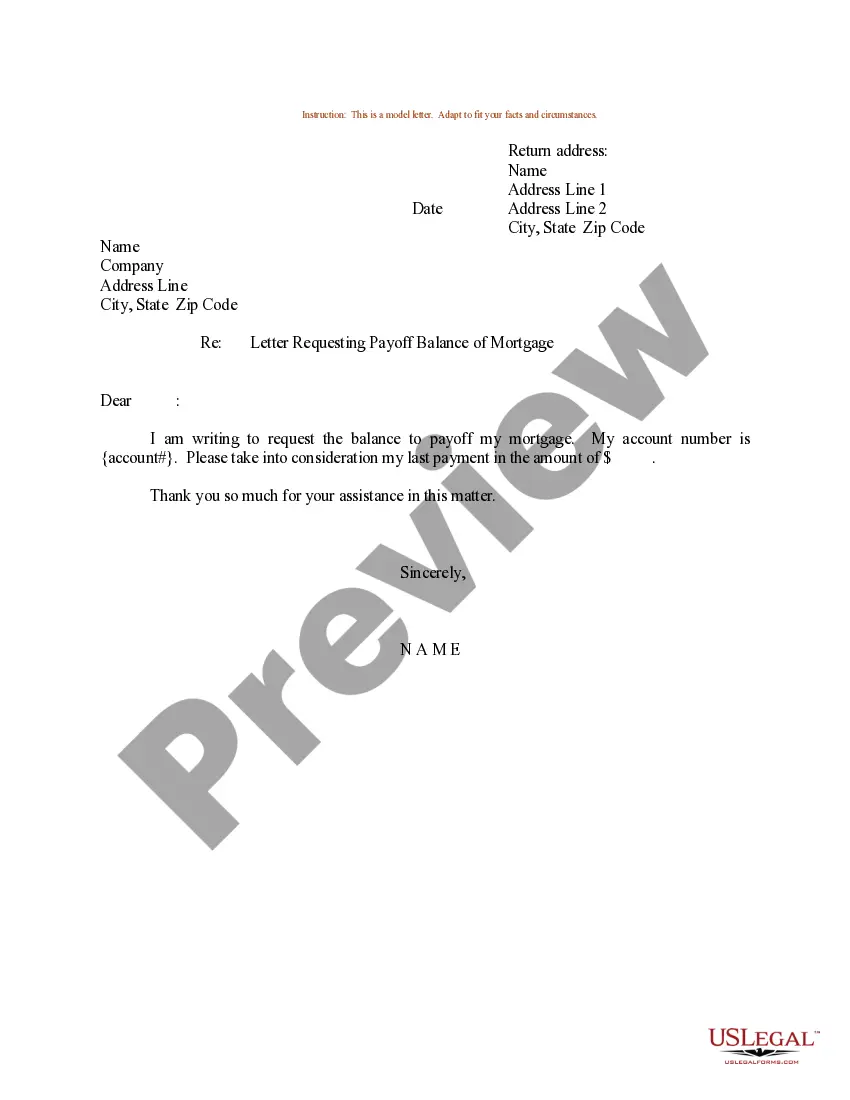
Payoff Statement Template For Self Employed In Kings
Description
Get your form ready online
Our built-in tools help you complete, sign, share, and store your documents in one place.
Make edits, fill in missing information, and update formatting in US Legal Forms—just like you would in MS Word.
Download a copy, print it, send it by email, or mail it via USPS—whatever works best for your next step.
Sign and collect signatures with our SignNow integration. Send to multiple recipients, set reminders, and more. Go Premium to unlock E-Sign.
If this form requires notarization, complete it online through a secure video call—no need to meet a notary in person or wait for an appointment.
We protect your documents and personal data by following strict security and privacy standards.

Make edits, fill in missing information, and update formatting in US Legal Forms—just like you would in MS Word.

Download a copy, print it, send it by email, or mail it via USPS—whatever works best for your next step.

Sign and collect signatures with our SignNow integration. Send to multiple recipients, set reminders, and more. Go Premium to unlock E-Sign.

If this form requires notarization, complete it online through a secure video call—no need to meet a notary in person or wait for an appointment.

We protect your documents and personal data by following strict security and privacy standards.
Looking for another form?
Form popularity
FAQ
Instead, you have to get a 10-day payoff estimate from your current lender, which includes the amount you owe, as well as any interest that might accrue on the principal balance in the next 10 days.
To get a payoff letter, ask your lender for an official payoff statement. Call or write to customer service or make the request online. While logged into your account, look for options to request or calculate a payoff amount, and provide details such as your desired payoff date.
The statement is provided by the mortgage servicer and can be requested at any time. Accurate payoff information is crucial for managing financial decisions related to property ownership.
How to make a balance sheet Invest in accounting software. Create a heading. Use the basic accounting equation to separate each section. Include all of your assets. Create a section for liabilities. Create a section for owner's equity. Add total liabilities to total owner's equity.
How to Prepare a Balance Sheet? Compose a heading at the head of the balance sheet. Rundown every current asset. Record all long-term assets. Include long-term assets with current assets. Impart the current liabilities. Rundown the long-term liabilities. Include all your long-term liabilities with current liabilities.
What is a Personal Balance Sheet? Make a list of all assets and the value of each asset. Create categories and categorize your assets. Total all assets by adding all the individual values together. Make a list of all liabilities and the total amount of obligations of each debt.
To properly fill out your financial affidavit or statement, include the following; Docket number and name of the case, including names of both parties. Your income from all sources, including overtime, bonuses, social security, tips, interest, other spousal support, and commissions.
Here are the steps you can follow to create a basic balance sheet for your small business. Specify the Reporting Period. Identify Your Assets. Determine Your Liabilities. Determine Shareholders' Equity. Add Total Shareholder Equity and Total Liability to Compare to Assets.
Follow these steps: Step 1: Pick the balance sheet date. Step 2: List all of your assets. Step 3: Add up all of your assets. Step 4: Determine current liabilities. Step 5: Calculate long-term liabilities. Step 6: Add up liabilities. Step 7: Calculate owner's equity. Step 8: Add up liabilities and owners' equity.

