Letter Payoff Loan With 401k In Houston
Description
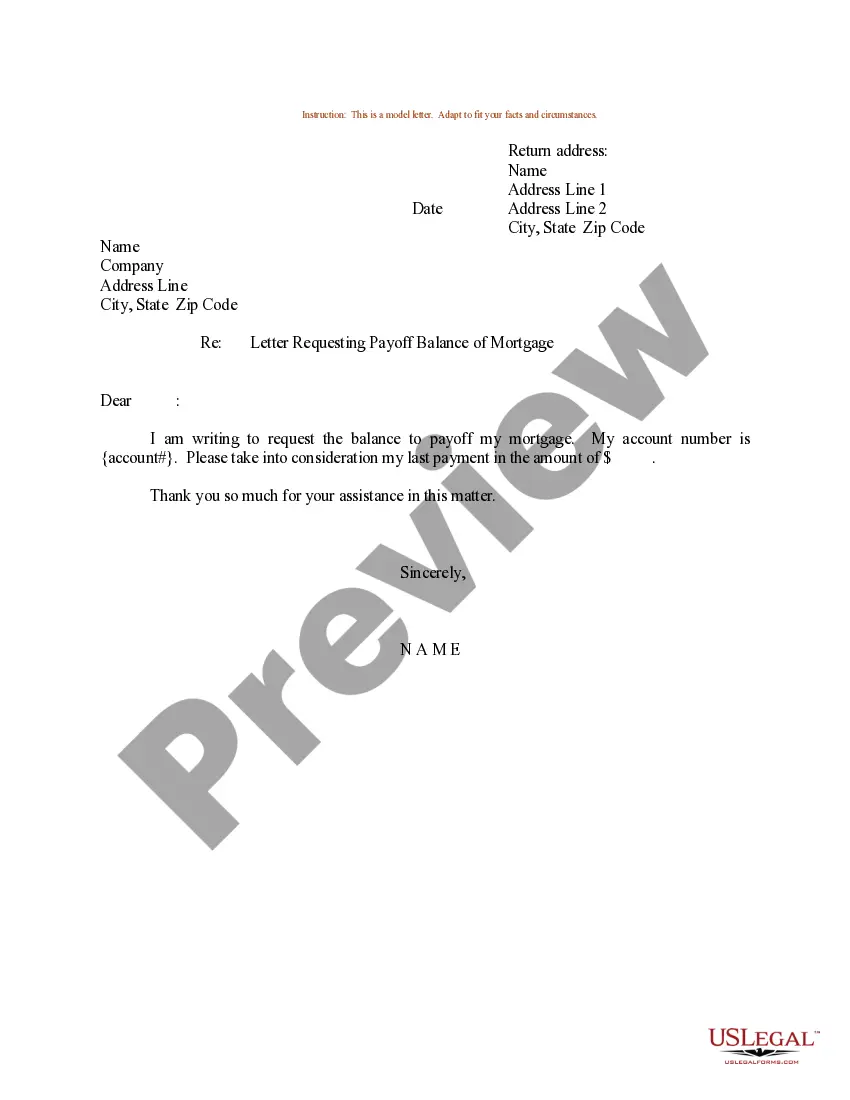
Get your form ready online
Our built-in tools help you complete, sign, share, and store your documents in one place.
Make edits, fill in missing information, and update formatting in US Legal Forms—just like you would in MS Word.
Download a copy, print it, send it by email, or mail it via USPS—whatever works best for your next step.
Sign and collect signatures with our SignNow integration. Send to multiple recipients, set reminders, and more. Go Premium to unlock E-Sign.
If this form requires notarization, complete it online through a secure video call—no need to meet a notary in person or wait for an appointment.
We protect your documents and personal data by following strict security and privacy standards.

Make edits, fill in missing information, and update formatting in US Legal Forms—just like you would in MS Word.

Download a copy, print it, send it by email, or mail it via USPS—whatever works best for your next step.

Sign and collect signatures with our SignNow integration. Send to multiple recipients, set reminders, and more. Go Premium to unlock E-Sign.

If this form requires notarization, complete it online through a secure video call—no need to meet a notary in person or wait for an appointment.

We protect your documents and personal data by following strict security and privacy standards.
Looking for another form?
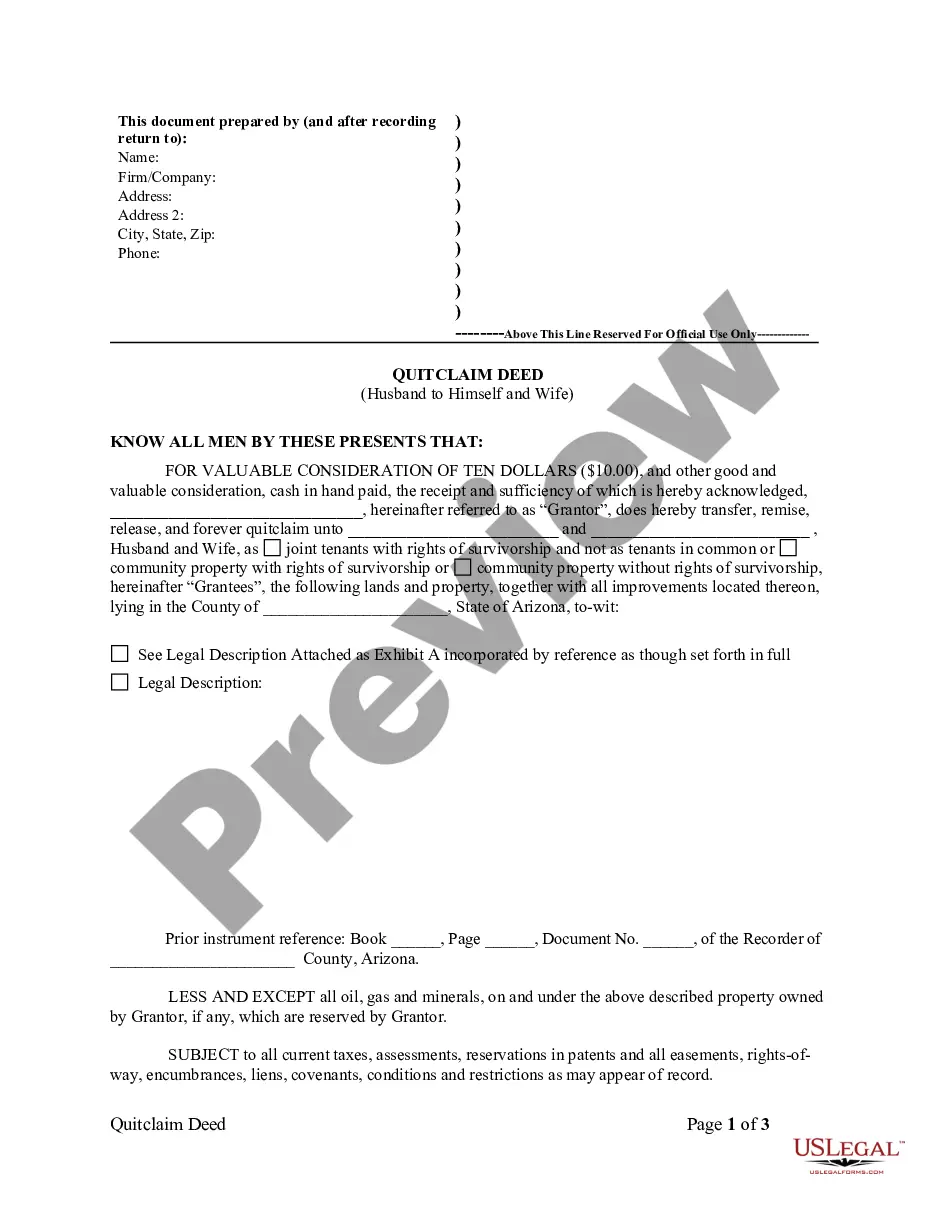
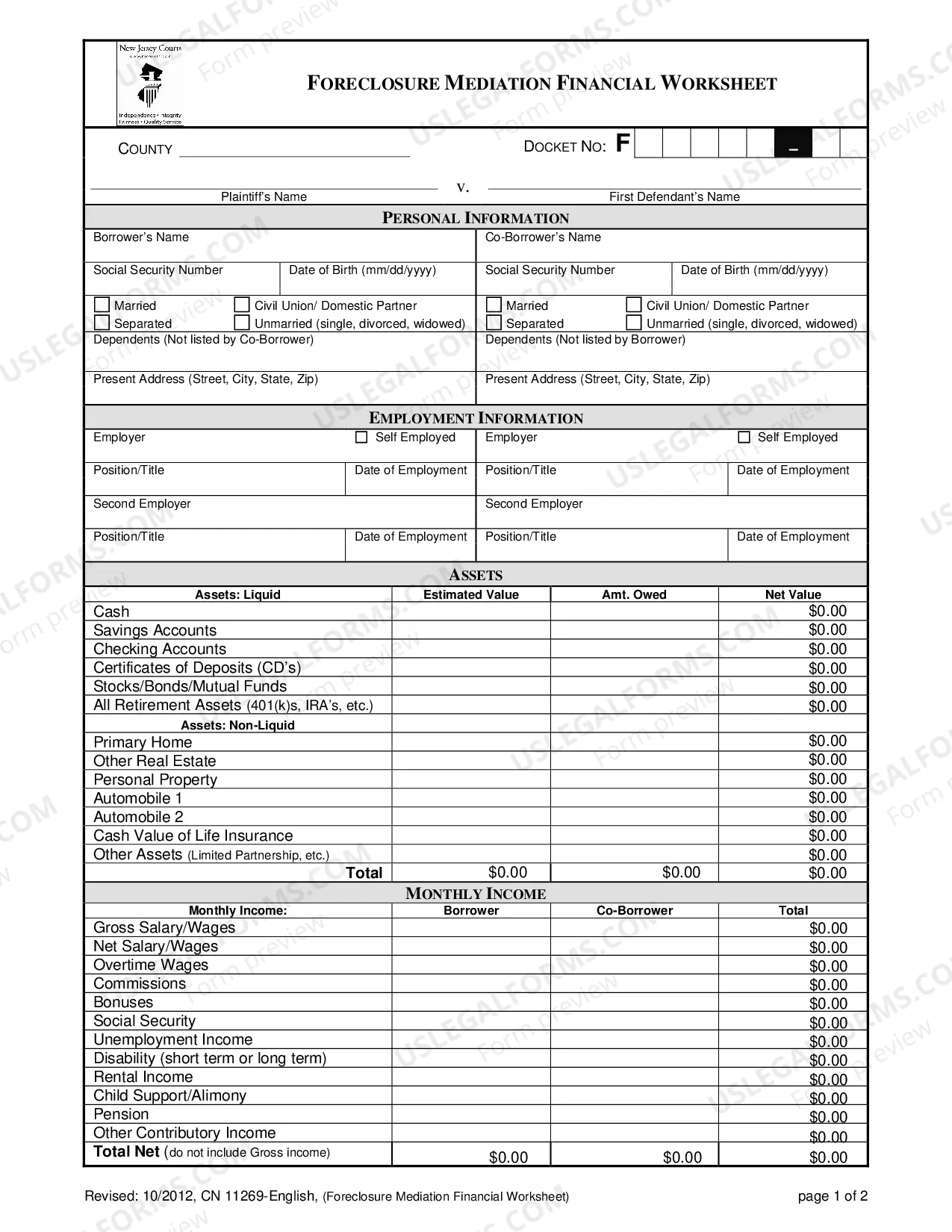
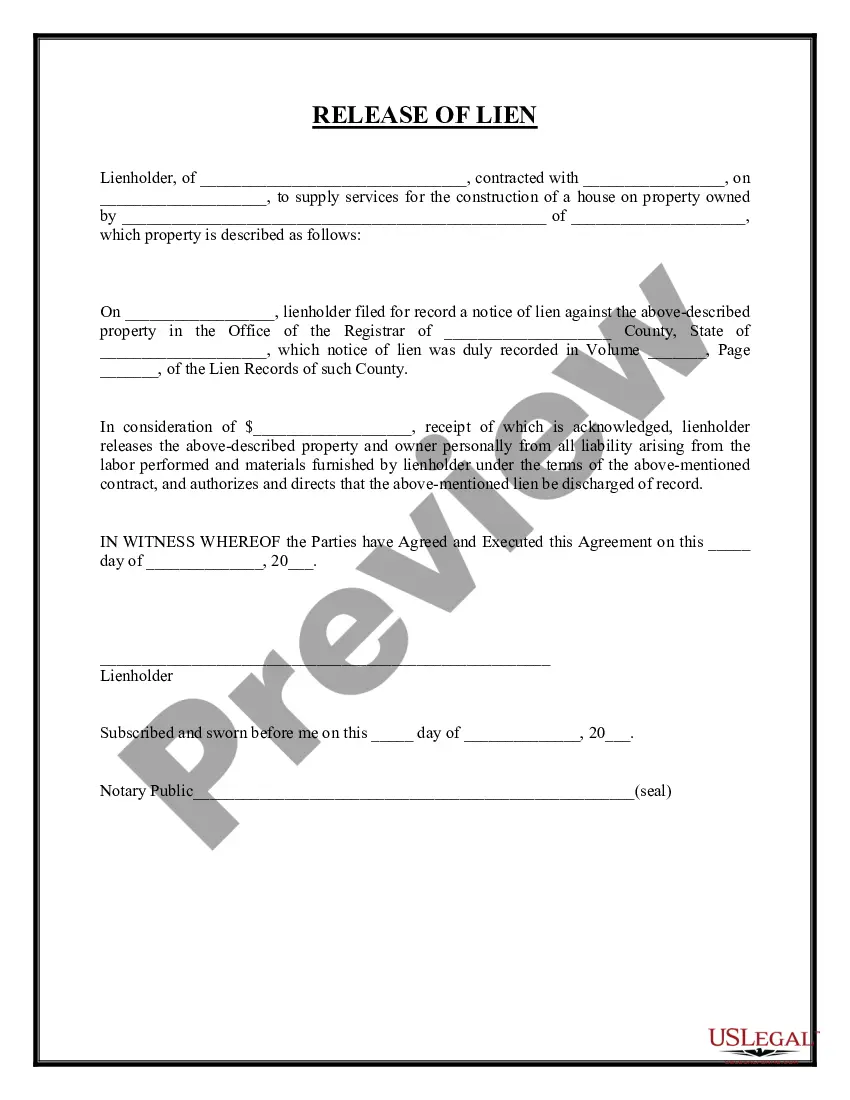
Form popularity
FAQ
401(k) loans don't require approval from a third-party lender. As a result, they don't trigger a credit check and won't appear on your credit reports or alter your credit scores.
To qualify as a hardship, the withdrawal must be: Necessary due to an immediate and heavy financial need. Limited to the amount needed to satisfy that financial need. The Plan determines if a participant has an immediate and heavy financial need as follows ing to the type of hardship allowed by the Plan.
Employment status: Recent job loss, disability, or other circumstances affecting your earning capacity are considered when evaluating hardship status. Medical or unexpected expenses: Taxpayers facing significant medical expenses or other unforeseen costs may qualify for CNC status.
To qualify for a hardship withdrawal, you'll need to provide documentation that verifies the nature and urgency of your financial need. This can include repair estimates or invoices for home repairs, medical bills, eviction or foreclosure notices, or tuition bills, depending on the situation.
Generally speaking, distributions from a workplace retirement plan cannot be made until one of the following happens: You die or become disabled. The plan is terminated and isn't replaced by a new one. You reach age 59 ½. You experience a financial hardship.
You'll simply need to contact your plan administrator or log into your account online and request a withdrawal.
