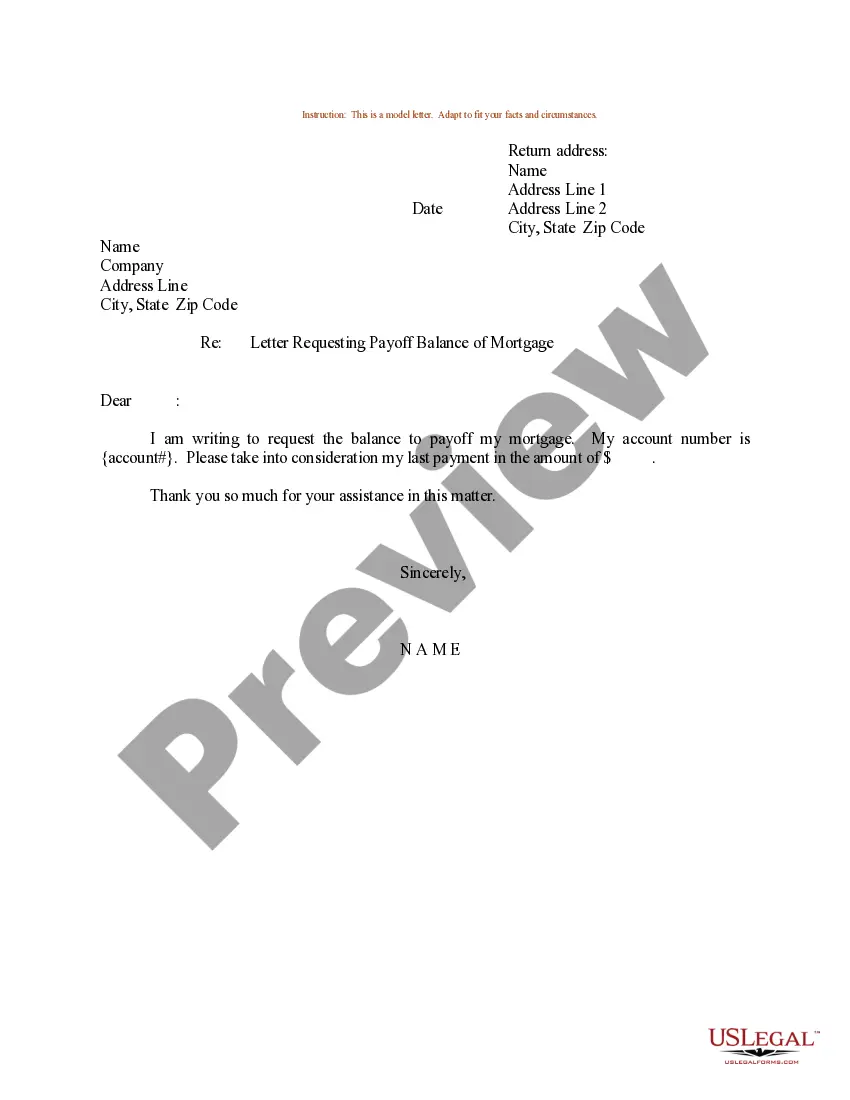
Sample Letter Payoff Mortgage File For Bankruptcies In Franklin
Description
Get your form ready online
Our built-in tools help you complete, sign, share, and store your documents in one place.
Make edits, fill in missing information, and update formatting in US Legal Forms—just like you would in MS Word.
Download a copy, print it, send it by email, or mail it via USPS—whatever works best for your next step.
Sign and collect signatures with our SignNow integration. Send to multiple recipients, set reminders, and more. Go Premium to unlock E-Sign.
If this form requires notarization, complete it online through a secure video call—no need to meet a notary in person or wait for an appointment.
We protect your documents and personal data by following strict security and privacy standards.

Make edits, fill in missing information, and update formatting in US Legal Forms—just like you would in MS Word.

Download a copy, print it, send it by email, or mail it via USPS—whatever works best for your next step.

Sign and collect signatures with our SignNow integration. Send to multiple recipients, set reminders, and more. Go Premium to unlock E-Sign.

If this form requires notarization, complete it online through a secure video call—no need to meet a notary in person or wait for an appointment.

We protect your documents and personal data by following strict security and privacy standards.
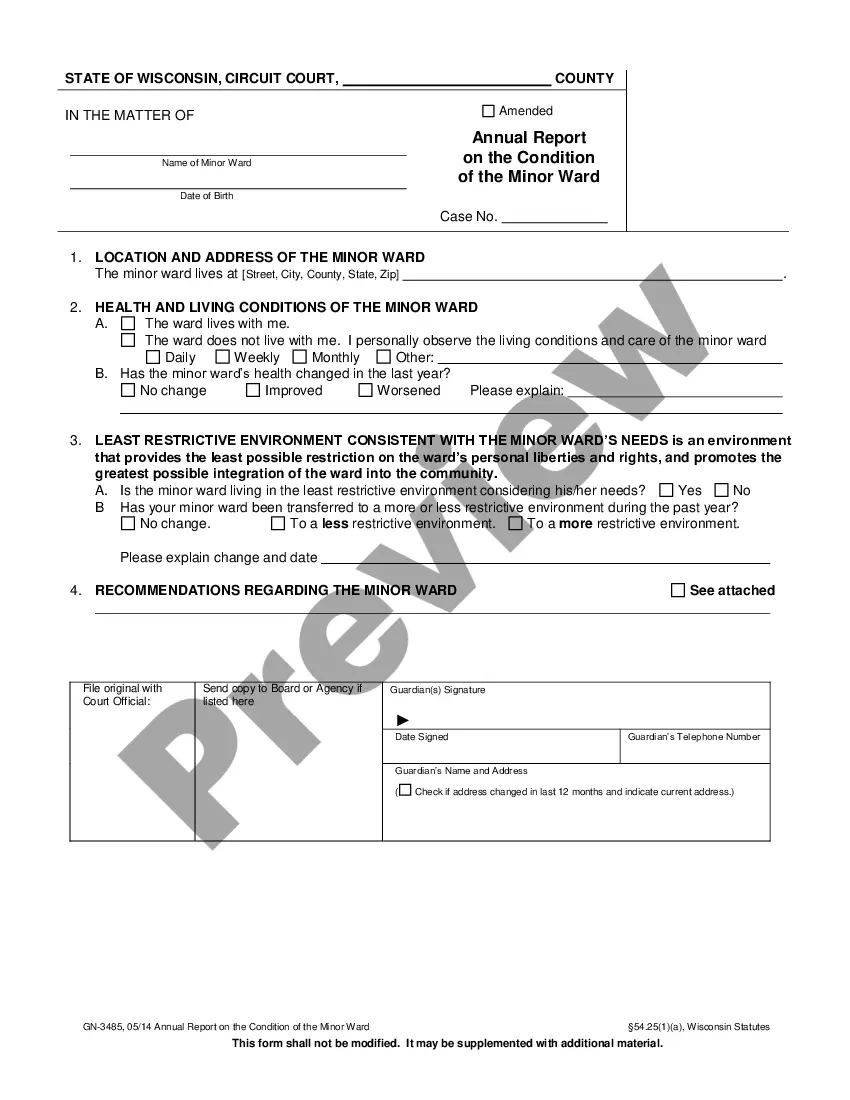
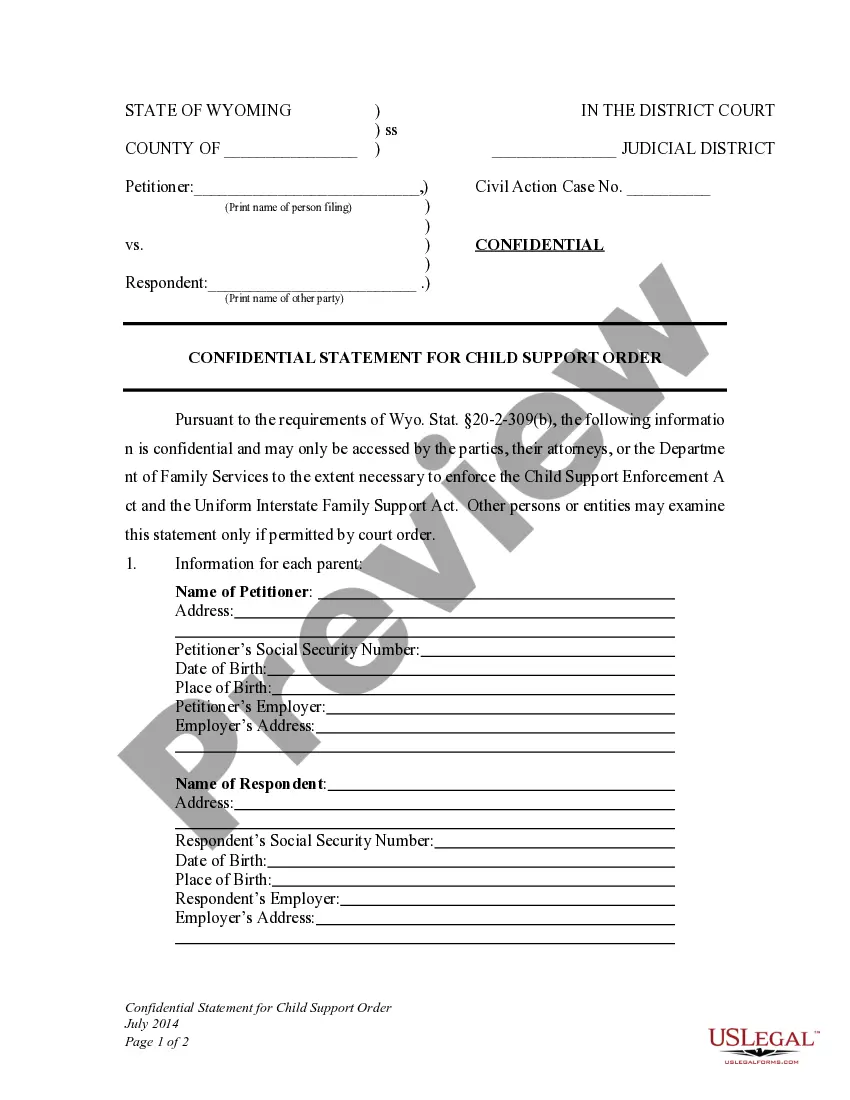
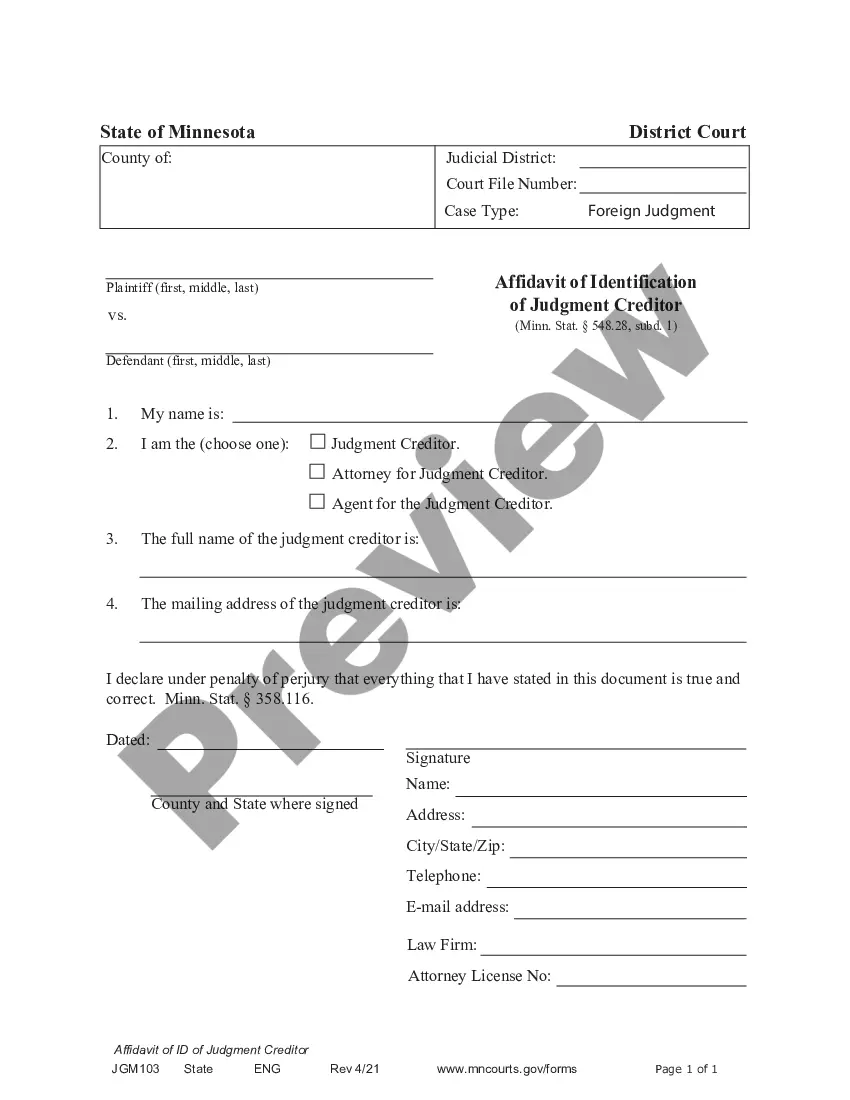
Looking for another form?






Form popularity
FAQ
Chapter 7 Bankruptcy: In Chapter 7 bankruptcy, which is a liquidation bankruptcy, non-exempt property may be required to be turned over to the case trustee for liquidation. However, if your property is exempt and you are current on the payments, you can usually keep your house and car.
By filing under this chapter, individuals can stop foreclosure proceedings and may cure delinquent mortgage payments over time. Nevertheless, they must still make all mortgage payments that come due during the chapter 13 plan on time.
How To Get Out Of Your Mortgage Legally Talk To Your Lender. Homeowners who find themselves under financial duress are advised to speak with their lender as soon as possible. Sell Your Home. Request A Deed In Lieu Of Foreclosure. Have A Short Sale. Let Your House Go Into Foreclosure. Strategic Default.
There is no minimum amount of debt required to file for bankruptcy. Because of legal fees and long-term financial consequences, it may not be worth filing with less than $10,000 in dischargeable debt. Filing for bankruptcy is best reserved as a last resort because it is expensive and will damage your credit.
An individual cannot file under chapter 13 or any other chapter if, during the preceding 180 days, a prior bankruptcy petition was dismissed due to the debtor's willful failure to appear before the court or comply with orders of the court or was voluntarily dismissed after creditors sought relief from the bankruptcy ...
An individual cannot file under chapter 7 or any other chapter, however, if during the preceding 180 days a prior bankruptcy petition was dismissed due to the debtor's willful failure to appear before the court or comply with orders of the court, or the debtor voluntarily dismissed the previous case after creditors ...
Note: The W-4 form 2024 steps are the same as the W-4 form 2025 steps. Step 1: Enter your personal information. Step 2: Account for all jobs you and your spouse have. Step 3: Claim your children and other dependents. Step 4: Make other adjustments. Step 5: Sign and date your form.
Official Form 122A-1 (Chapter 7 Statement of Your Current Monthly Income), Official Form 122A-1Supp (Statement of Exemption from Presumption of Abuse Under § 707(b)(2)), and Official Form 122A-2 (Chapter 7 Means Test Calculation) (collectively the “122A Forms”) are designed for use in chapter 7 cases.
Common types of assets and nonexempt property a debtor could potentially lose in Chapter 7 bankruptcy include: Vacation properties. Investment accounts. Stocks and bonds. Rental properties. Luxury items. Valuable artwork. Jewelry. Antiques.

