Loan Payoff Letter Sample With Notice Period In Chicago
Description
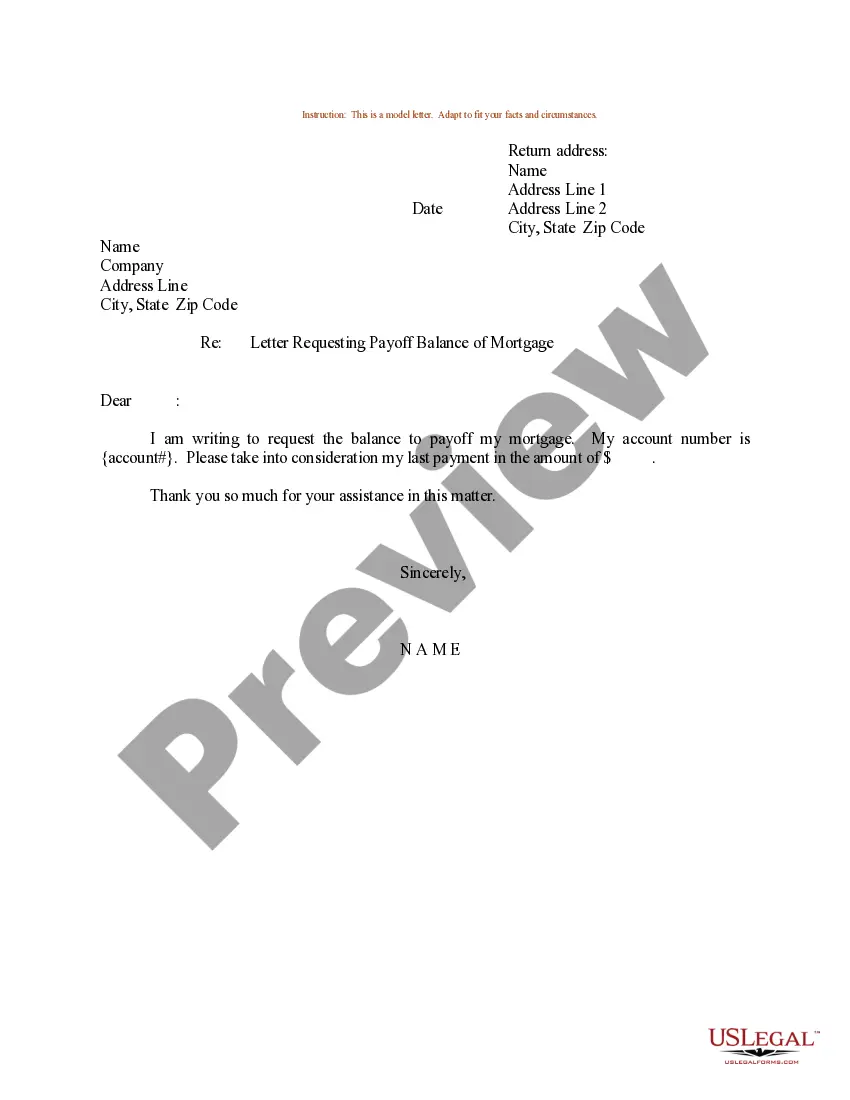
Get your form ready online
Our built-in tools help you complete, sign, share, and store your documents in one place.
Make edits, fill in missing information, and update formatting in US Legal Forms—just like you would in MS Word.
Download a copy, print it, send it by email, or mail it via USPS—whatever works best for your next step.
Sign and collect signatures with our SignNow integration. Send to multiple recipients, set reminders, and more. Go Premium to unlock E-Sign.
If this form requires notarization, complete it online through a secure video call—no need to meet a notary in person or wait for an appointment.
We protect your documents and personal data by following strict security and privacy standards.

Make edits, fill in missing information, and update formatting in US Legal Forms—just like you would in MS Word.

Download a copy, print it, send it by email, or mail it via USPS—whatever works best for your next step.

Sign and collect signatures with our SignNow integration. Send to multiple recipients, set reminders, and more. Go Premium to unlock E-Sign.

If this form requires notarization, complete it online through a secure video call—no need to meet a notary in person or wait for an appointment.

We protect your documents and personal data by following strict security and privacy standards.
Looking for another form?






Form popularity
FAQ
There's a process to getting the mortgage payoff statement. First, you'll need to contact your lender and let them know you want the information. Depending on your lender, you may have to sign in to an online account, call a helpline, or send a formal letter to start the request process.
How to Write a Letter of Explanation Your name, address, and phone number. Lender name, address, and phone number. Mortgage application number. Your concise explanation and any documents supporting it (medical records, etc.) Your signature and the date.
Answer the lender's request point by point, as specifically, and with as much detail, as possible. Be precise with dates and dollar amounts. Acknowledge the lender's concern, and and if necessary, explain how you've resolved (or are in the process of resolving) the issue to prevent a future occurrence.
Tips for writing a letter of explanation Provide all details the best you can, including correct dates and dollar amounts. Explain how and when all situations were resolved. If they are not resolved, explain that as well. Detail why problems won't happen again.
A letter of explanation is simply a tool that helps your lender's team understand your financial situation more fully. Giving exactly the information they request with the appropriate level of detail helps the team reviewing your application truly understand your financial picture.
Be honest but avoid making excuses. For example, ``I'm writing to apologize for the late payment on invoice #12345.'' Express genuine remorse and take responsibility. Say something like, ``I take full responsibility for this late payment and I am sorry for any inconvenience this may have caused you.''
The letter of intent gives the mortgage lender more certainty about your income and the options for paying the mortgage. With an 'employer statement of intent', or employer's statement, there is a chance that you can also take out a mortgage without a permanent contract.
All parties to the original debt instrument normally execute a Payoff Letter before it becomes binding. The final version of the document often reflects specifics of the parties' negotiations. Payoff Letters provide detailed terms and procedures regarding the payoff process.
First, you'll need to contact your lender and let them know you want the information. Depending on your lender, you may have to sign in to an online account, call a helpline, or send a formal letter to start the request process.
The payment of a salary, debt, wager, etc. the time at which such payment is made. the consequence, outcome, or final sequence in a series of events, actions, or circumstances: The payoff was when they fired him.

