Sample Payoff Mortgage Form For Divorce In California
Description
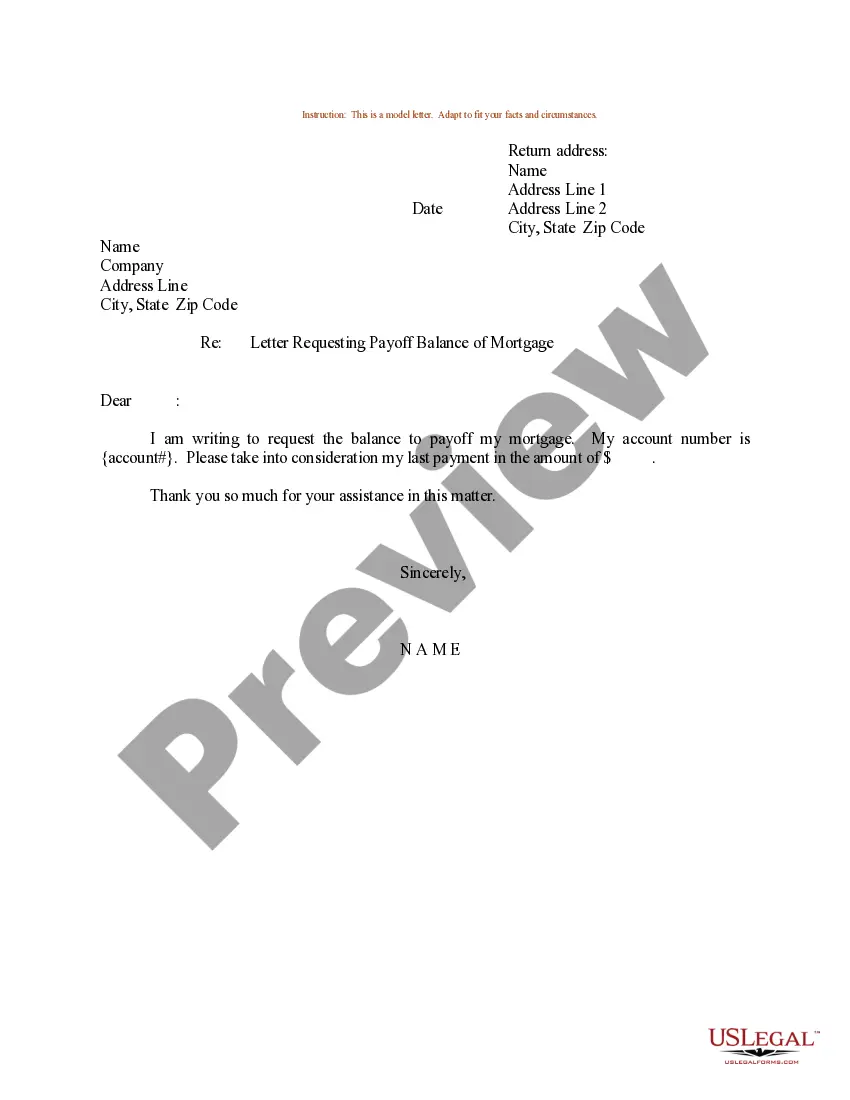
Get your form ready online
Our built-in tools help you complete, sign, share, and store your documents in one place.
Make edits, fill in missing information, and update formatting in US Legal Forms—just like you would in MS Word.
Download a copy, print it, send it by email, or mail it via USPS—whatever works best for your next step.
Sign and collect signatures with our SignNow integration. Send to multiple recipients, set reminders, and more. Go Premium to unlock E-Sign.
If this form requires notarization, complete it online through a secure video call—no need to meet a notary in person or wait for an appointment.
We protect your documents and personal data by following strict security and privacy standards.

Make edits, fill in missing information, and update formatting in US Legal Forms—just like you would in MS Word.

Download a copy, print it, send it by email, or mail it via USPS—whatever works best for your next step.

Sign and collect signatures with our SignNow integration. Send to multiple recipients, set reminders, and more. Go Premium to unlock E-Sign.

If this form requires notarization, complete it online through a secure video call—no need to meet a notary in person or wait for an appointment.

We protect your documents and personal data by following strict security and privacy standards.
Looking for another form?
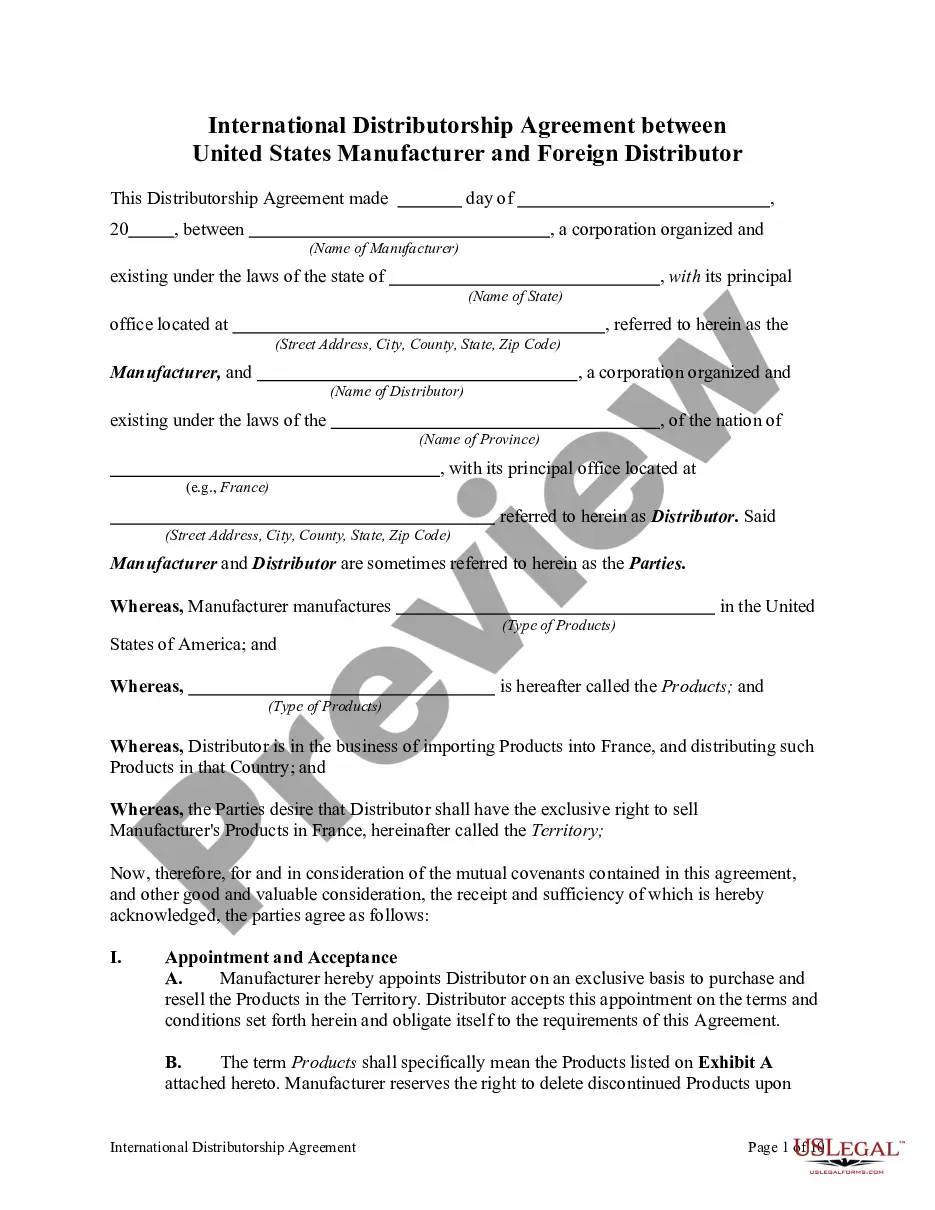





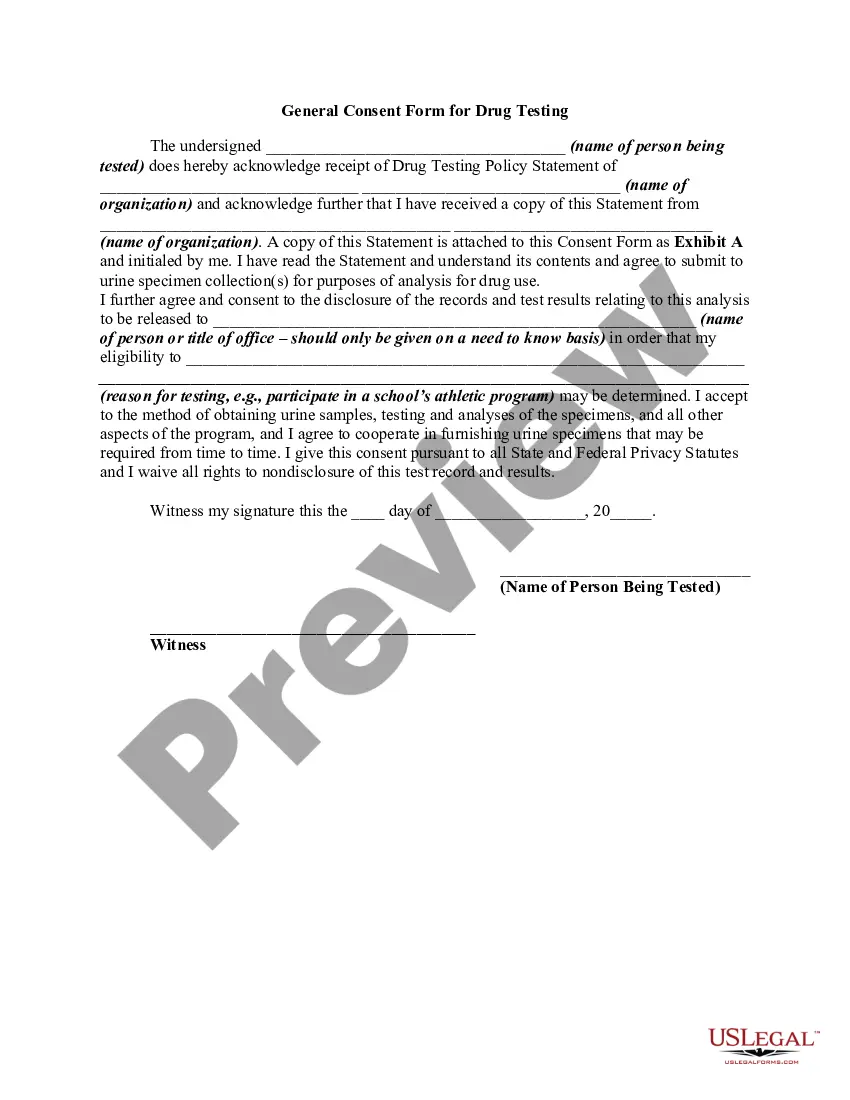



Form popularity
FAQ
If you've been married less than five years and have no children, you may qualify for a simpler way to get divorced (summary dissolution).
Here's a step-by-step guide to drafting your own settlement agreement in California: Gather Information About Assets, Debts, and Child Custody Needs. Draft a Clear Outline of the Agreement. Specify Terms for Property Division and Debt Allocation. Address Spousal Support and Child Custody Arrangements.
Gather financial documents Mortgage statements. Bank account statements. The title to your house or car. Credit card statements. Retirement account statements (pension, 401k, IRA)
Here's a step-by-step guide to drafting your own settlement agreement in California: Gather Information About Assets, Debts, and Child Custody Needs. Draft a Clear Outline of the Agreement. Specify Terms for Property Division and Debt Allocation. Address Spousal Support and Child Custody Arrangements.
Many spouses with similar incomes split assets 50/50 and forgo spousal support. Spouses with uneven incomes typically try to make things equitable through asset division and several years of spousal support. Parents settling a divorce generally agree to use their state child support calculation.
You can think of the marital settlement agreement as the preliminary process required when getting divorced. On the other hand, a divorce decree legally mandates that you are divorced in the eyes of the law.
What Should Be Included in a Settlement Agreement? Identifying information for all involved parties. A description of the issue you're seeking to settle. An offer of resolutions that both parties agree to. Proof of valid consideration from both parties without coercion or duress. Legal purpose.
You both must sign the agreement. If your spouse didn't file a response in this case, their signature must be notarized. This means an official checks their ID and then has them sign the document in front of them.
Once a Marital Settlement Agreement is drafted, signed by the parties and file stamped by the Court, this becomes the Judgment in the case. The orders contained within the Judgment are enforceable by law enforcement as well as the family court.
You both must sign the agreement. If your spouse didn't file a response in this case, their signature must be notarized. This means an official checks their ID and then has them sign the document in front of them.

