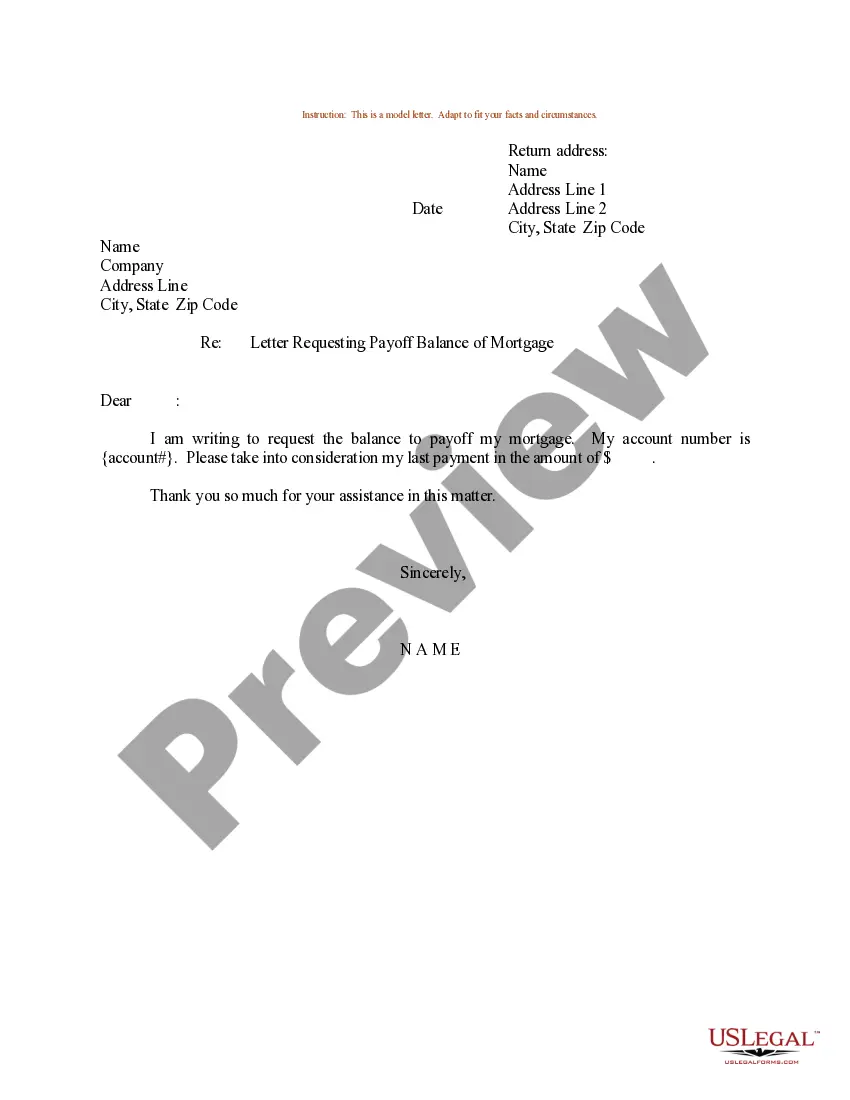
Loan Payoff Letter Form Withdrawal In California
Description
Get your form ready online
Our built-in tools help you complete, sign, share, and store your documents in one place.
Make edits, fill in missing information, and update formatting in US Legal Forms—just like you would in MS Word.
Download a copy, print it, send it by email, or mail it via USPS—whatever works best for your next step.
Sign and collect signatures with our SignNow integration. Send to multiple recipients, set reminders, and more. Go Premium to unlock E-Sign.
If this form requires notarization, complete it online through a secure video call—no need to meet a notary in person or wait for an appointment.
We protect your documents and personal data by following strict security and privacy standards.

Make edits, fill in missing information, and update formatting in US Legal Forms—just like you would in MS Word.

Download a copy, print it, send it by email, or mail it via USPS—whatever works best for your next step.

Sign and collect signatures with our SignNow integration. Send to multiple recipients, set reminders, and more. Go Premium to unlock E-Sign.

If this form requires notarization, complete it online through a secure video call—no need to meet a notary in person or wait for an appointment.

We protect your documents and personal data by following strict security and privacy standards.
Looking for another form?
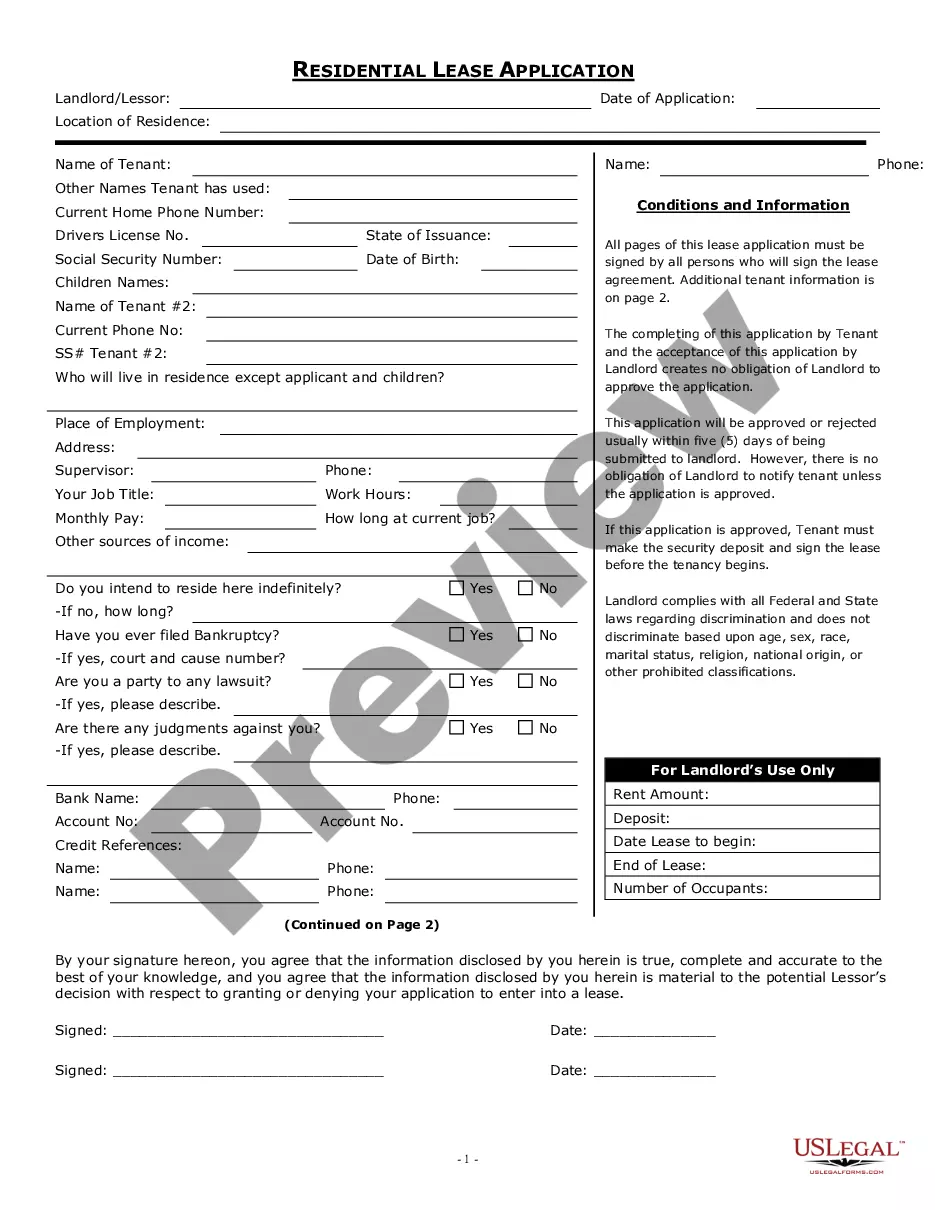
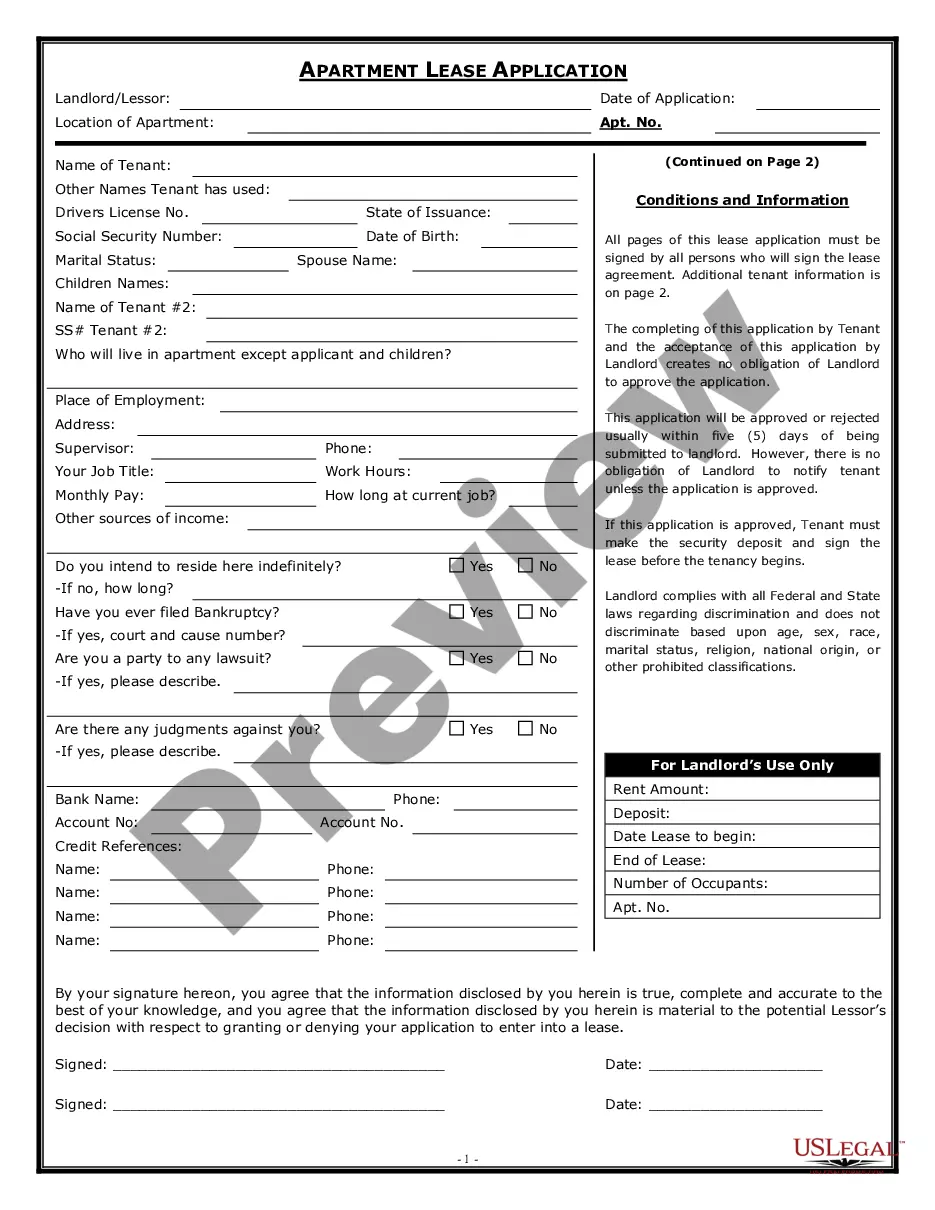







Form popularity
FAQ
Under federal law, the servicer must generally send you a payoff statement within seven business days of your request, subject to a few exceptions. (12 C.F.R. § 1026.36.)
Typically, lenders can provide a payoff letter within seven to ten business days upon request. However, processing times may vary depending on the specific lender and their workload.
To get a payoff letter, ask your lender for an official payoff statement. Call or write to customer service or make the request online. While logged into your account, look for options to request or calculate a payoff amount, and provide details such as your desired payoff date.
Under federal law, the servicer must generally send you a payoff statement within seven business days of your request, subject to a few exceptions. (12 C.F.R. § 1026.36.)
Appropriation Bill authorizes the withdrawal of the funds from the Consolidated Fund of India. It gives power to the government to withdraw funds from the Consolidated Fund of India for meeting the expenditure during the financial year. It is introduced by Finance Minister. It is introduced in Lok Sabha.
How to write a letter of withdrawal Notify the employer right away. Be honest and clear. Thank the employer for their time. Provide your contact information. Keep your options open.
Keep it simple and to the point. Example: "I am writing to inform you that I have decided to withdraw from the course. Due to unforeseen personal circumstances, I am unable to continue with the course at this time. I appreciate the opportunity to have been a part of this course and wish you all the best."
Although we don't notify credit bureau agencies of the recording or filing of the Notice of State Tax Lien, they may get the public record from either the county recorders or California Secretary of State and may include it on your credit report.
An involuntary lien can occur without your knowledge, depending on the circumstances. A creditor often places a judgment lien after suing you and winning the case.
The first place to search for a tax lien in California is the clerk-recorder's office in the county where a taxpayer resides or where a property is physically located.
