Lien Release Letter For Car In California
Description
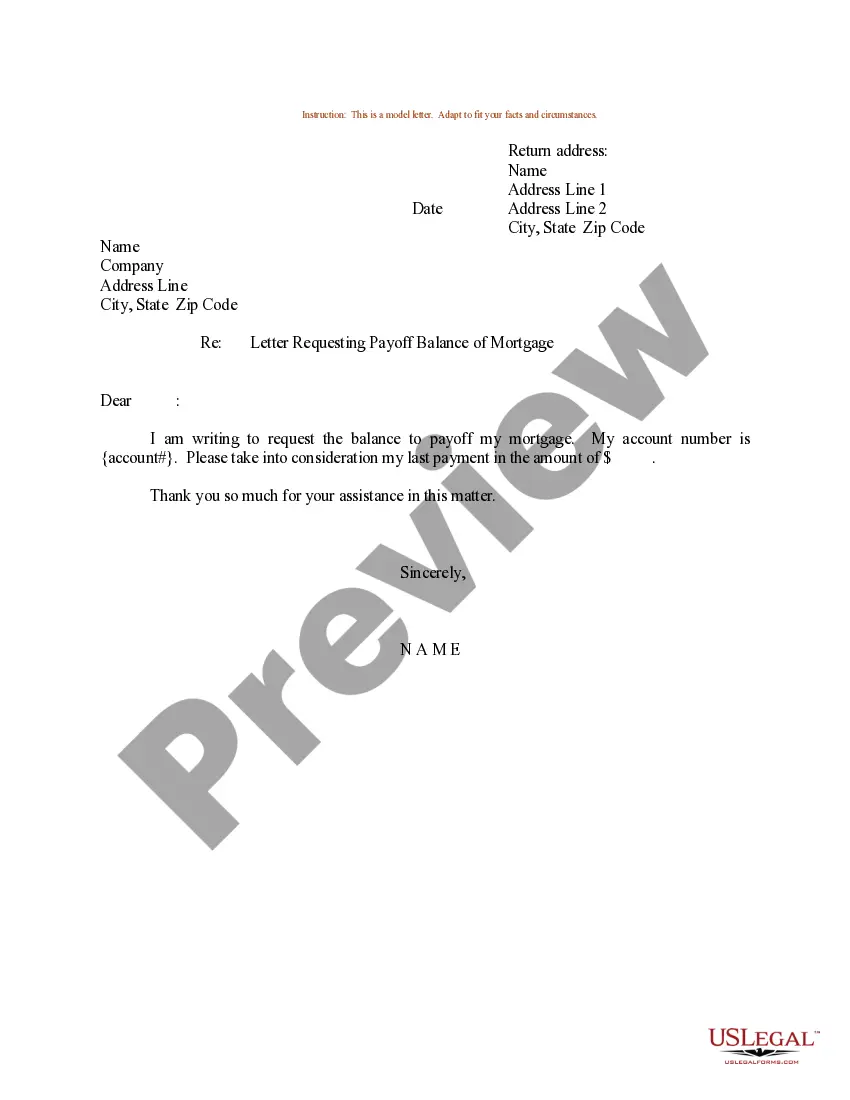
Get your form ready online
Our built-in tools help you complete, sign, share, and store your documents in one place.
Make edits, fill in missing information, and update formatting in US Legal Forms—just like you would in MS Word.
Download a copy, print it, send it by email, or mail it via USPS—whatever works best for your next step.
Sign and collect signatures with our SignNow integration. Send to multiple recipients, set reminders, and more. Go Premium to unlock E-Sign.
If this form requires notarization, complete it online through a secure video call—no need to meet a notary in person or wait for an appointment.
We protect your documents and personal data by following strict security and privacy standards.

Make edits, fill in missing information, and update formatting in US Legal Forms—just like you would in MS Word.

Download a copy, print it, send it by email, or mail it via USPS—whatever works best for your next step.

Sign and collect signatures with our SignNow integration. Send to multiple recipients, set reminders, and more. Go Premium to unlock E-Sign.

If this form requires notarization, complete it online through a secure video call—no need to meet a notary in person or wait for an appointment.

We protect your documents and personal data by following strict security and privacy standards.
Looking for another form?

Form popularity
FAQ
You can sell it to a dealer with a lien release letter, no problem.
If you don't have a title in hand you'll have to process the lien release before you can sell it.
You can remove the lien by providing DMV with proof of possession, such as: For registered owners, a vehicle verification or proof of payment on the lienholder's letterhead.
You can't. Only the named title holder has the legal authority to sell, trade, or gift a motor vehicle. If you attempted to do so without being the stated legal owner you would be guilty of fraud.
You can obtain release of a lien right away by recording a lien release bond, guaranteeing payment if the claimant later prevails in court. CC § 8424. Contact your general contractor, if any, or a surety bond agent for information.
Common Documents Requiring Notarization Revocable Living Trust. Amendment to Revocable Trust. Transfer Deeds to transfer real estate. Any document to be recorded. Sworn Statement. Parental Consent for Travel. Grant Deed/Quitclaim Deed. Interspousal Transfer Deed.
No, there is nothing in the California law that suggests that lien waivers must be notarized in order to be deemed valid and enforceable. Lien waivers in California are regulated by the CA Civil Code §8132-8138.
In general, business contracts do not need to be notarized unless there are circumstances inherent in the transaction that might lead one party or the other to be concerned about the identity and/or authority of the other party to enter into the transaction.
Codified Laws §§ 44-9A-1 through 44-9A-20) expects a notarized sworn statement as part of the lien filing process. In contrast, states like California and Florida have statutory form requirements for their lien waivers, but notarization isn't principally necessary.

