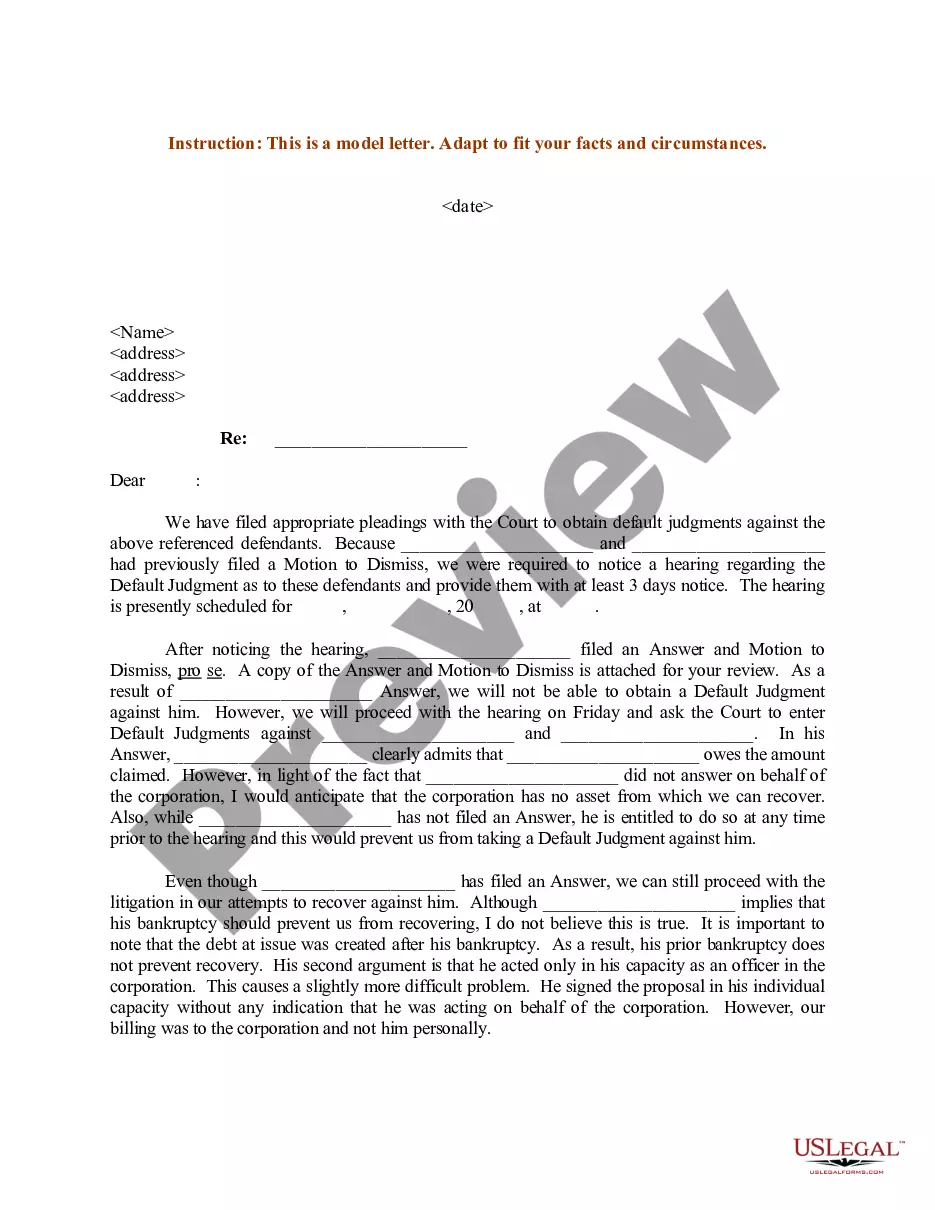
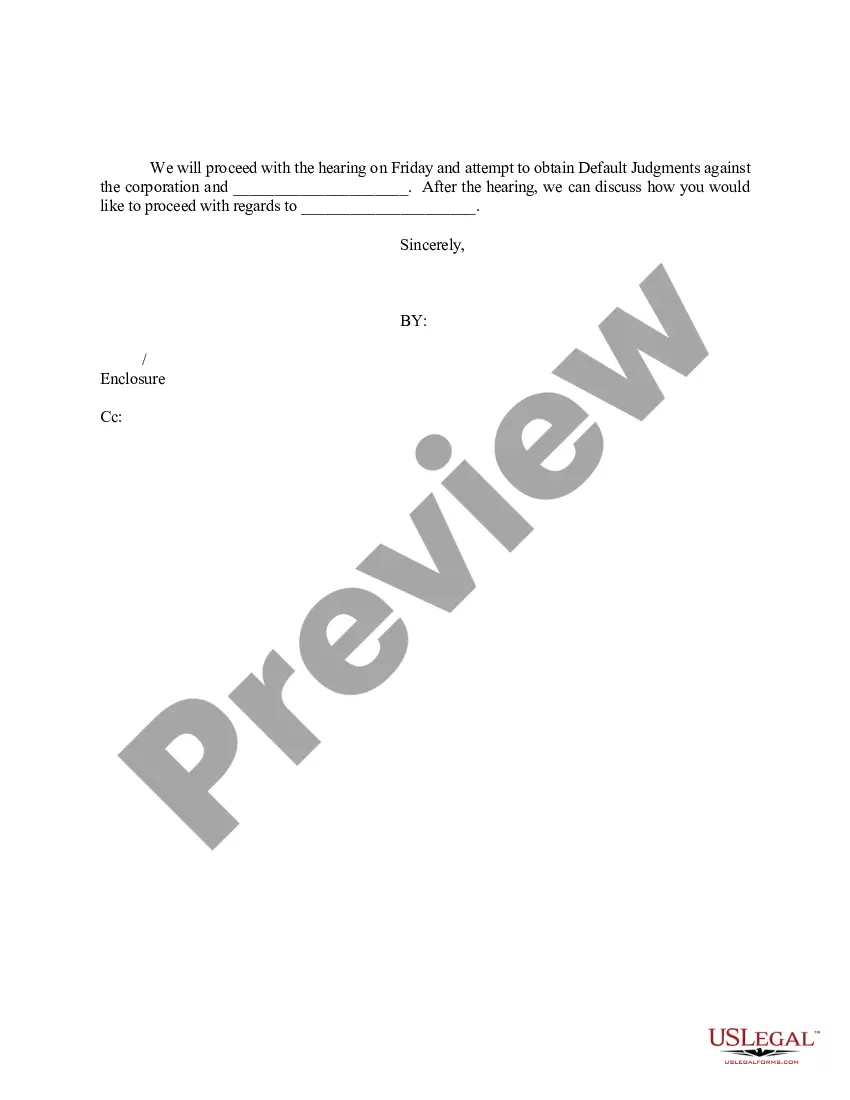
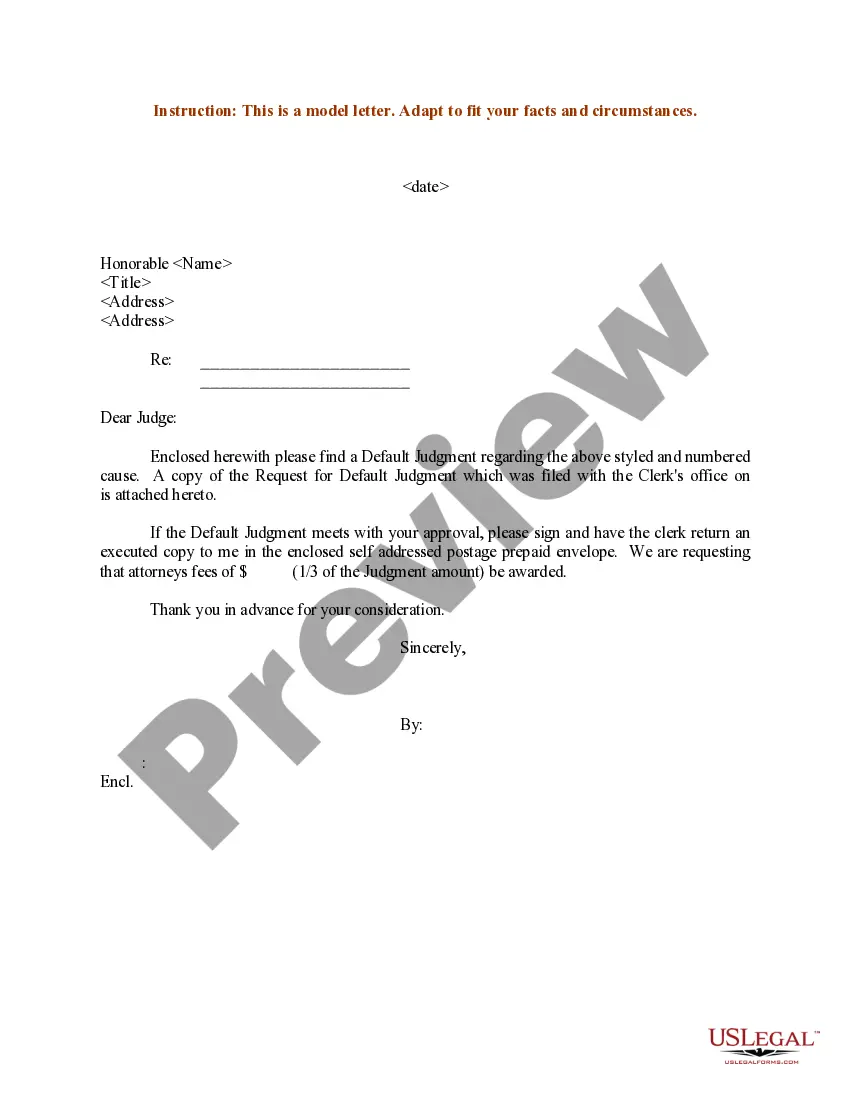
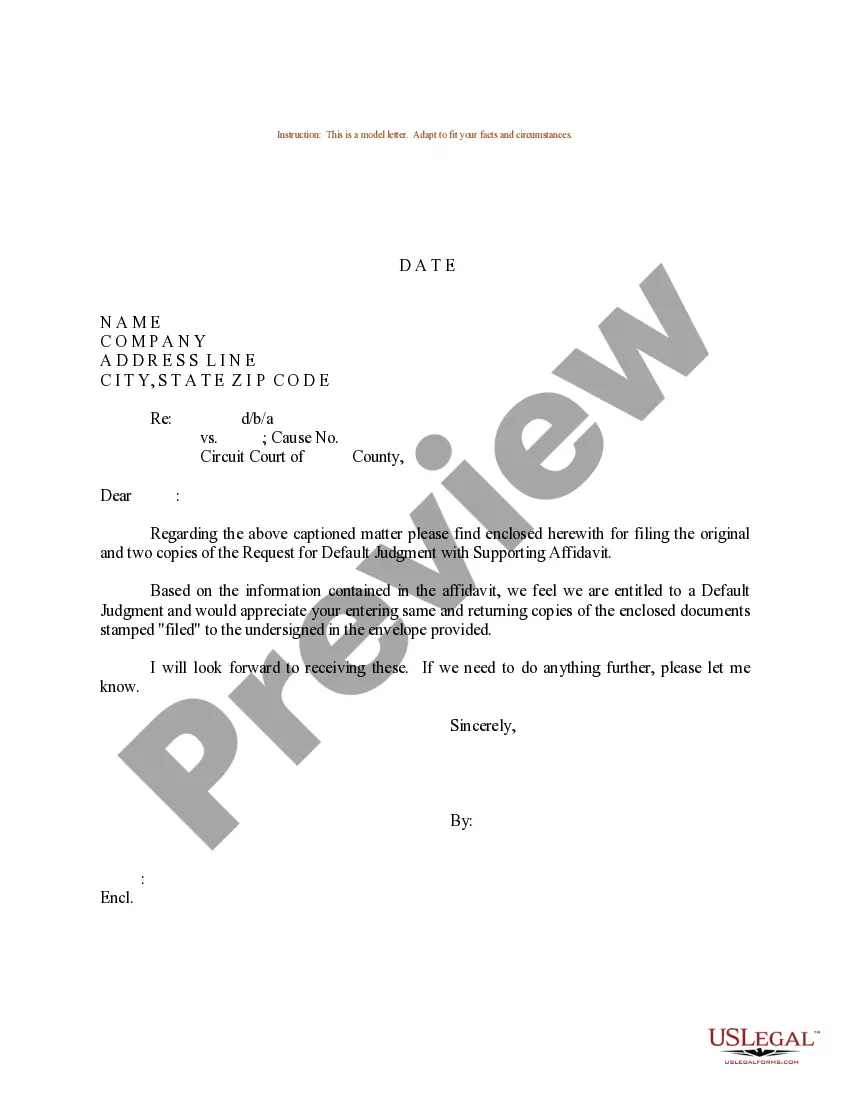
Request For Default Prove Up Hearing In Broward
Description
Get your form ready online
Our built-in tools help you complete, sign, share, and store your documents in one place.
Make edits, fill in missing information, and update formatting in US Legal Forms—just like you would in MS Word.
Download a copy, print it, send it by email, or mail it via USPS—whatever works best for your next step.
Sign and collect signatures with our SignNow integration. Send to multiple recipients, set reminders, and more. Go Premium to unlock E-Sign.
If this form requires notarization, complete it online through a secure video call—no need to meet a notary in person or wait for an appointment.
We protect your documents and personal data by following strict security and privacy standards.

Make edits, fill in missing information, and update formatting in US Legal Forms—just like you would in MS Word.

Download a copy, print it, send it by email, or mail it via USPS—whatever works best for your next step.

Sign and collect signatures with our SignNow integration. Send to multiple recipients, set reminders, and more. Go Premium to unlock E-Sign.

If this form requires notarization, complete it online through a secure video call—no need to meet a notary in person or wait for an appointment.

We protect your documents and personal data by following strict security and privacy standards.
Looking for another form?

Form popularity
FAQ
In this process, a judge (rather than a clerk) determines how much the plaintiff can collect after reviewing the amount requested by the plaintiff, which may require a court hearing. Once the default prove-up process is finished and a ruling by the judge is provided, the case is complete.
Generally, a default allows you to obtain an earlier final hearing to finish your case. Once the default is signed by the clerk, you can request a trial or final hearing in your case.
The default final judgment is obtained by delivering to the Court a Motion for Default Final judgment-Residential Eviction (Form 78) and/or a Motion for Default Final judgment - Damages (Residential Eviction) (Form 79) with an Affidavit of Damages (Form 80).
Generally, a default allows you to obtain an earlier final hearing to finish your case. Once the default is signed by the clerk, you can request a trial or final hearing in your case.
Default Hearing Process: During the default hearing, the petitioner presents their case, providing evidence to support their claims. The judge evaluates the evidence and considers the petitioner's arguments.
The Florida Rules of Civil Procedure allow a plaintiff to move for a default judgment when a defendant fails to file or serve any paper by the deadline. Filing a paper means submitting it to the court's clerk. Serving a paper means handing, mailing, or emailing a response to the plaintiff or opposing lawyer.
Arc Broward is located on the right. For media/press inquiries, please contact Kim Vassar, Chief Advancement Office at (954) 746-9400 or kvassar@arcbroward. For Human Resources inquiries including employment opportunities and employment verification, please contact HR@arcbroward.
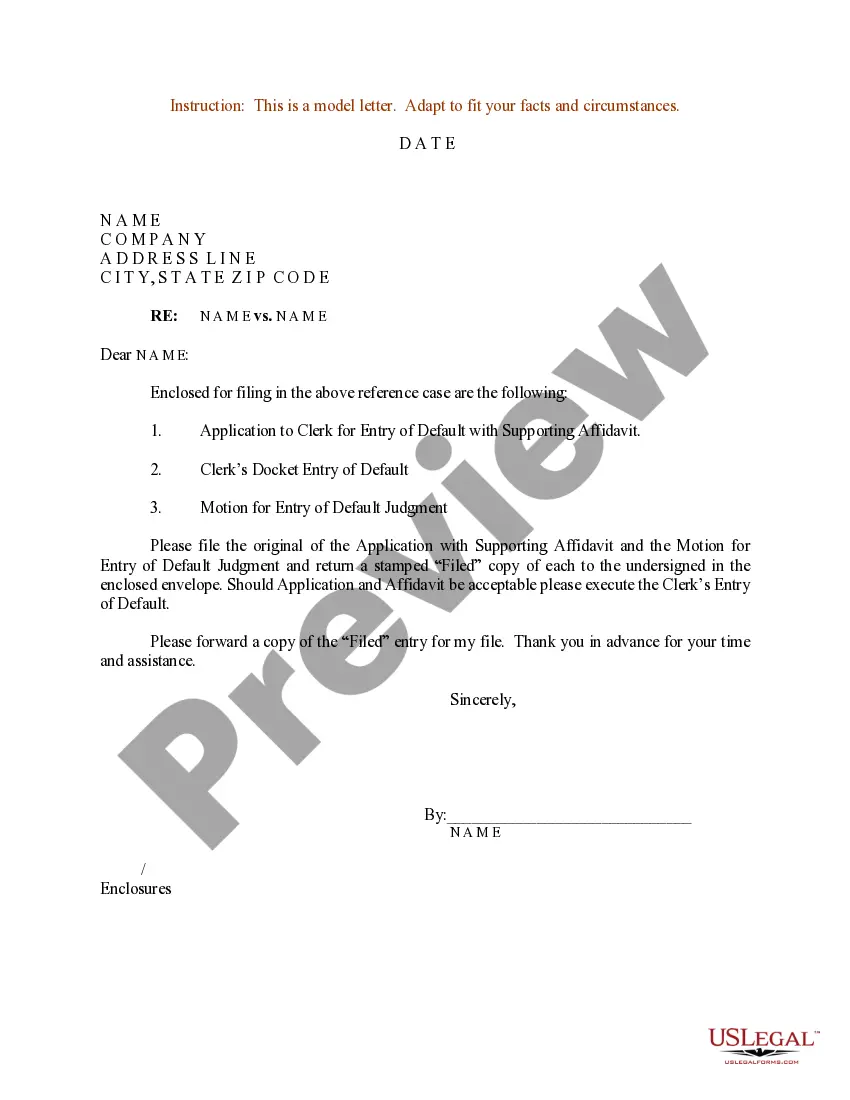
Include any necessary details to support your request or statement. This may include dates caseMoreInclude any necessary details to support your request or statement. This may include dates case numbers or descriptions of documents 8. Close the letter thank the clerk for their time and assistance.
By Florida law, the Clerk of Courts in each county is the official custodian of court records. Click here to access the Clerk's Online Services, including official records, civil/family/probate cases, criminal cases and traffic cases, or you may call the Clerk's 24-hour voice response system at (305) 275-1155.