Loan Payoff Letter Format Foreclosure In Bexar
Description
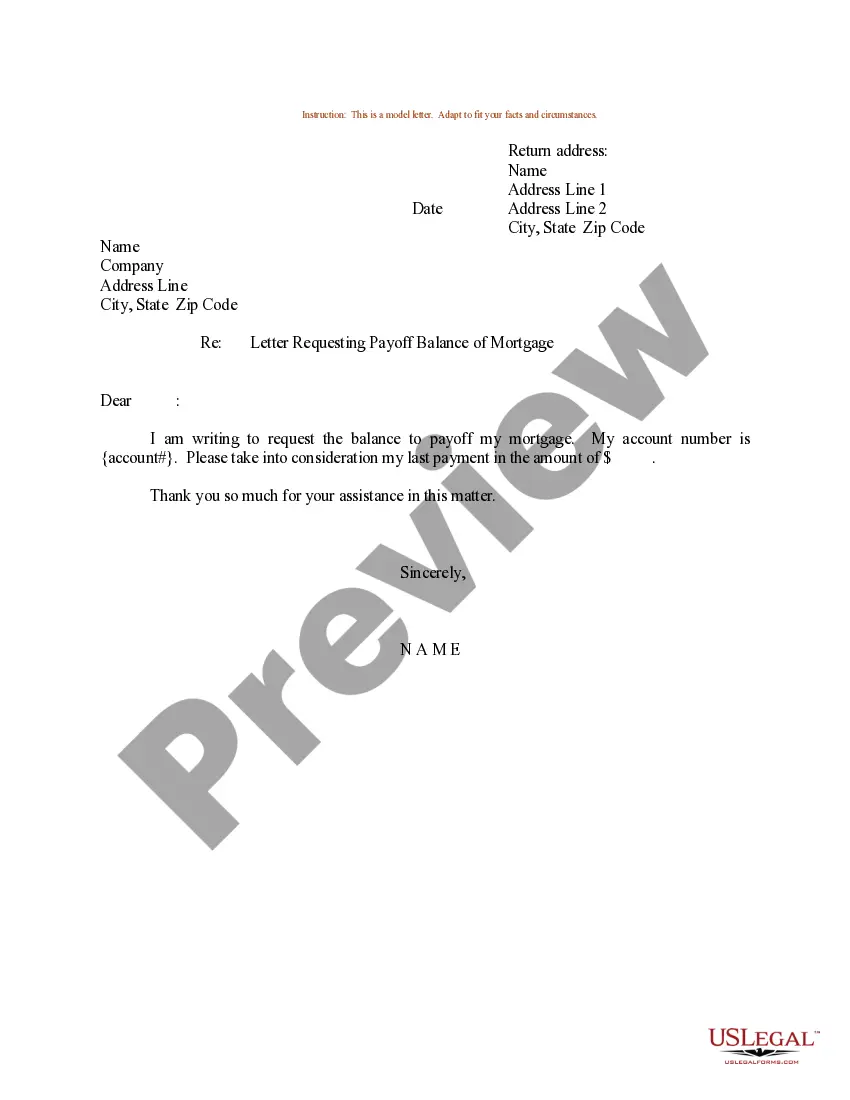
Get your form ready online
Our built-in tools help you complete, sign, share, and store your documents in one place.
Make edits, fill in missing information, and update formatting in US Legal Forms—just like you would in MS Word.
Download a copy, print it, send it by email, or mail it via USPS—whatever works best for your next step.
Sign and collect signatures with our SignNow integration. Send to multiple recipients, set reminders, and more. Go Premium to unlock E-Sign.
If this form requires notarization, complete it online through a secure video call—no need to meet a notary in person or wait for an appointment.
We protect your documents and personal data by following strict security and privacy standards.

Make edits, fill in missing information, and update formatting in US Legal Forms—just like you would in MS Word.

Download a copy, print it, send it by email, or mail it via USPS—whatever works best for your next step.

Sign and collect signatures with our SignNow integration. Send to multiple recipients, set reminders, and more. Go Premium to unlock E-Sign.

If this form requires notarization, complete it online through a secure video call—no need to meet a notary in person or wait for an appointment.

We protect your documents and personal data by following strict security and privacy standards.
Looking for another form?









Form popularity
FAQ
Throughout the foreclosure process, various legal notices must be filed in your County Recorder's Office. This information is public record and available to anyone. Just visit your county's office and you can search for a Notice of Default (NOD), lis pendens or Notice of Sale. Two benefits to searching public records?
Texas law requires the servicer to send you (the borrower) a notice of default and intent to accelerate by certified mail that provides at least 20 days to cure the default before a notice of sale can be given. The 30-day breach letter sent pursuant to the terms of the deed of trust can satisfy this requirement.
Homeowners can obtain it from the Clerk of Court or their attorney. Former homeowners must prove they were the owner of record at the time of foreclosure, while lienholders must present valid claims. Claims must be filed with the Clerk of Court, typically within a year or two after the foreclosure sale.
All you have to do is head down to your county recorder's office and search for properties with a notice of default or notice of sale. These notices will be issued to those who are in the process of pre-foreclosure and will include the name and contact info of the property owner and the address.
Throughout the foreclosure process, various legal notices must be filed in your County Recorder's Office. This information is public record and available to anyone. Just visit your county's office and you can search for a Notice of Default (NOD), lis pendens or Notice of Sale. Two benefits to searching public records?
Visit your county's recorder's office. Once you've found your local records office, you can search for the property by the homeowner's name. Some offices maintain their records in print form, while others have switched to digital archives. Don't be afraid to ask the office clerk if you need assistance.
(b) Not later than the 15th calendar day after the date of a foreclosure sale, a mortgagee, trustee, or substitute trustee may rescind the sale under this section if: (1) the statutory requirements for the sale were not satisfied; (2) the default leading to the sale was cured before the sale; (3) a receivership or ...
While the content of the letter will change depending on your situation, there are a few important aspects to include: Provide all details the best you can, including correct dates and dollar amounts. Explain how and when all situations were resolved. Detail why problems won't happen again.
The former owner will have to petition the county to turn over the surplus funds. If no one petitions to recover them, the surplus funds generally can be held by the county for two years before they are distributed to the taxing bodies that foreclosed on the property.

