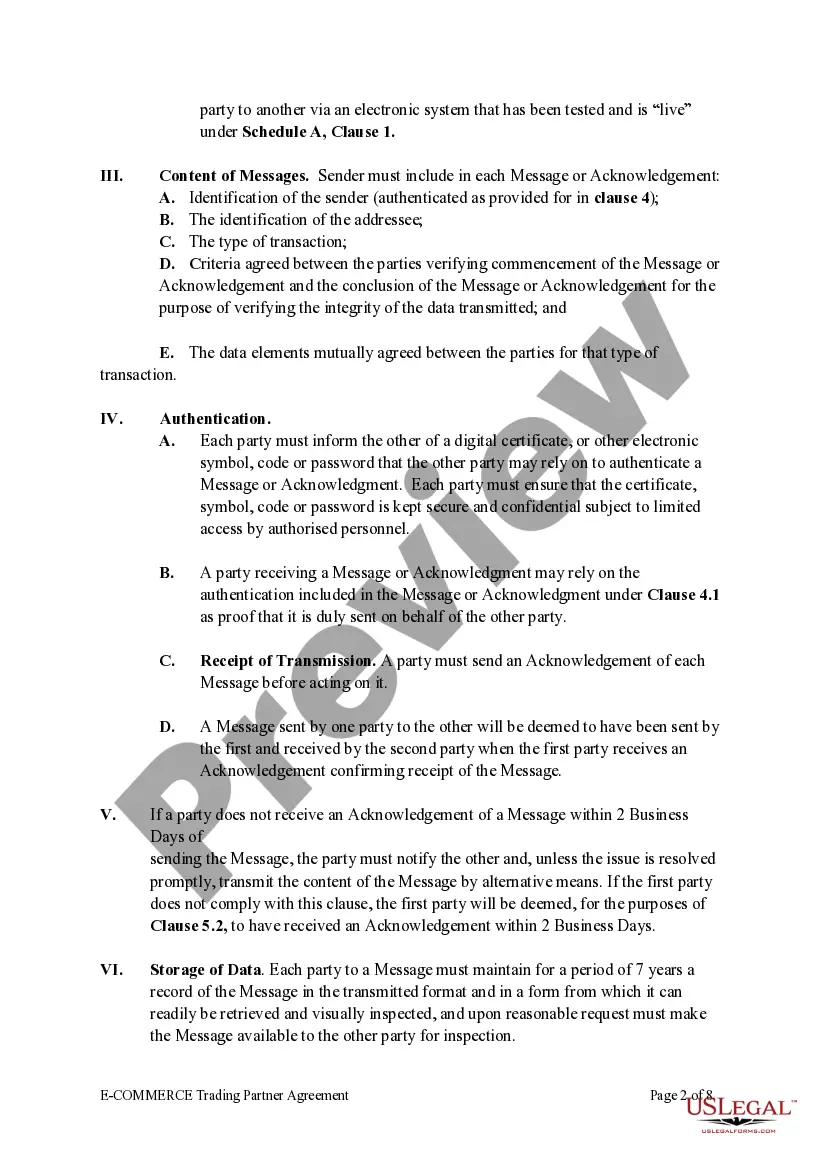
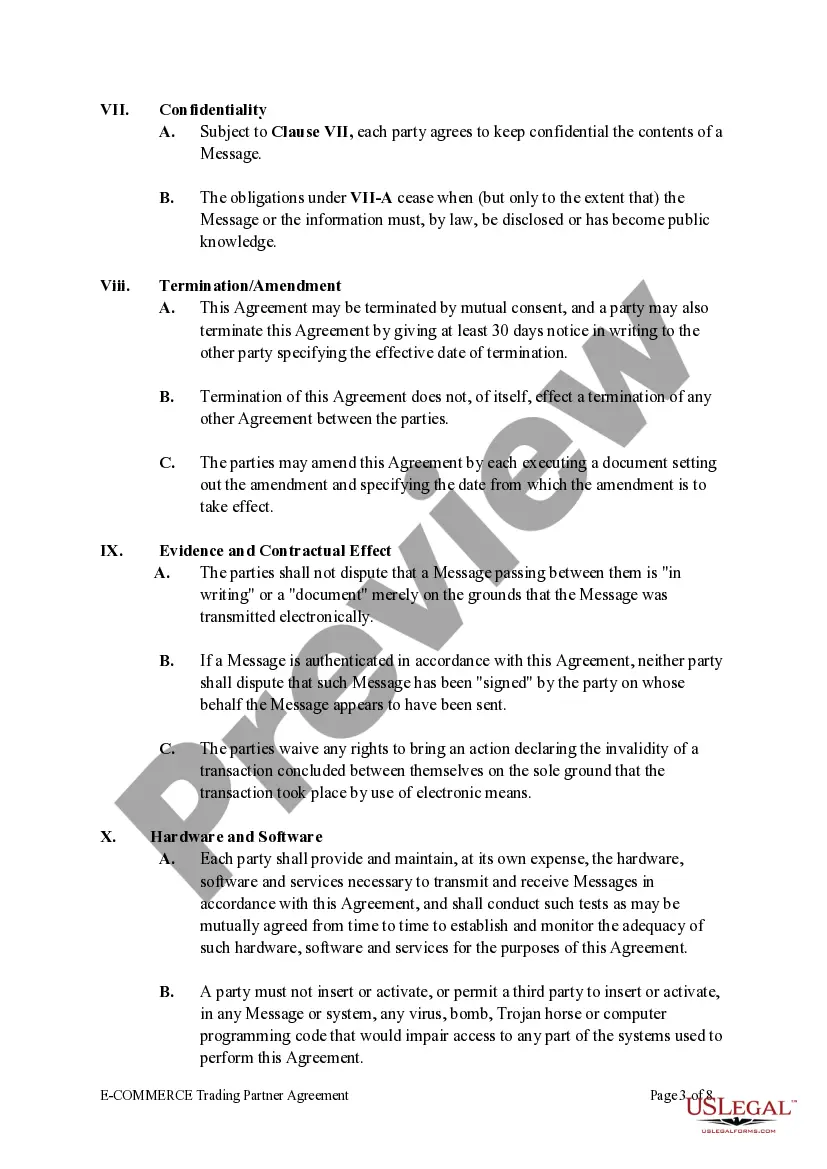
E Commerce Agreement Format In Washington
Description

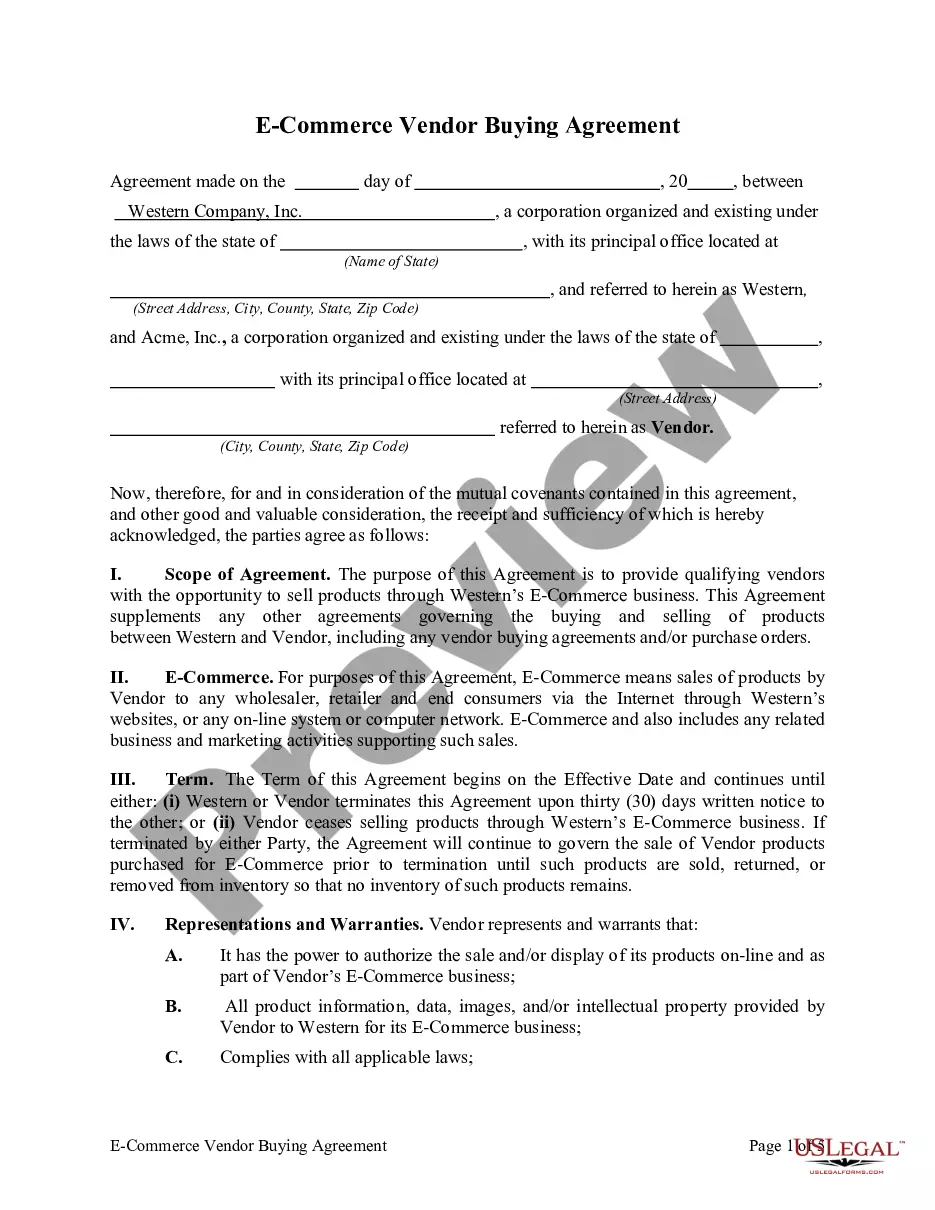
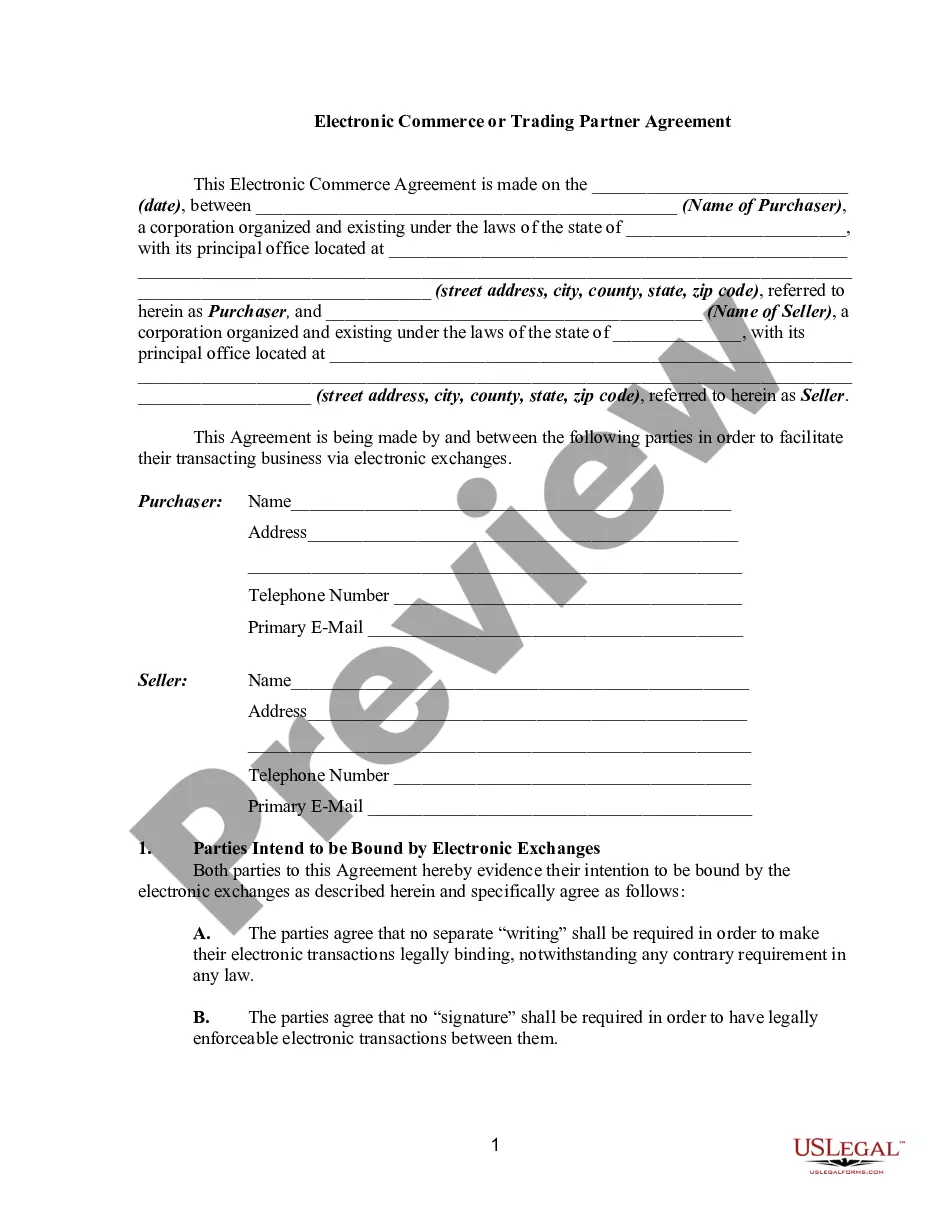
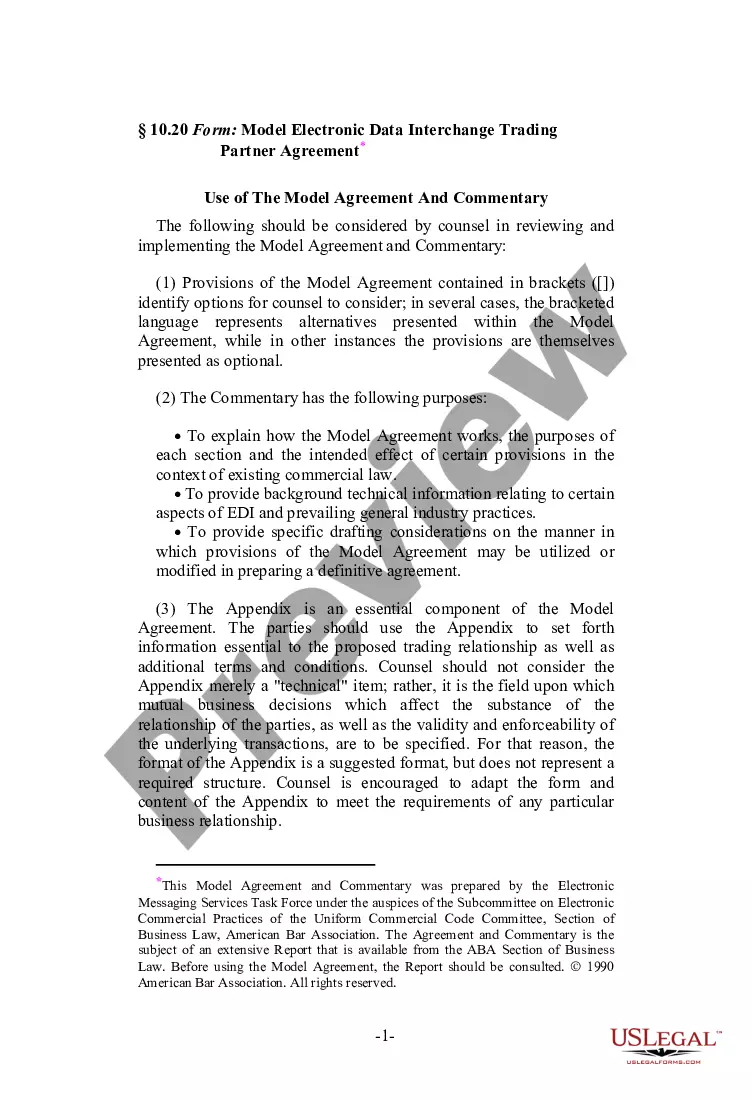
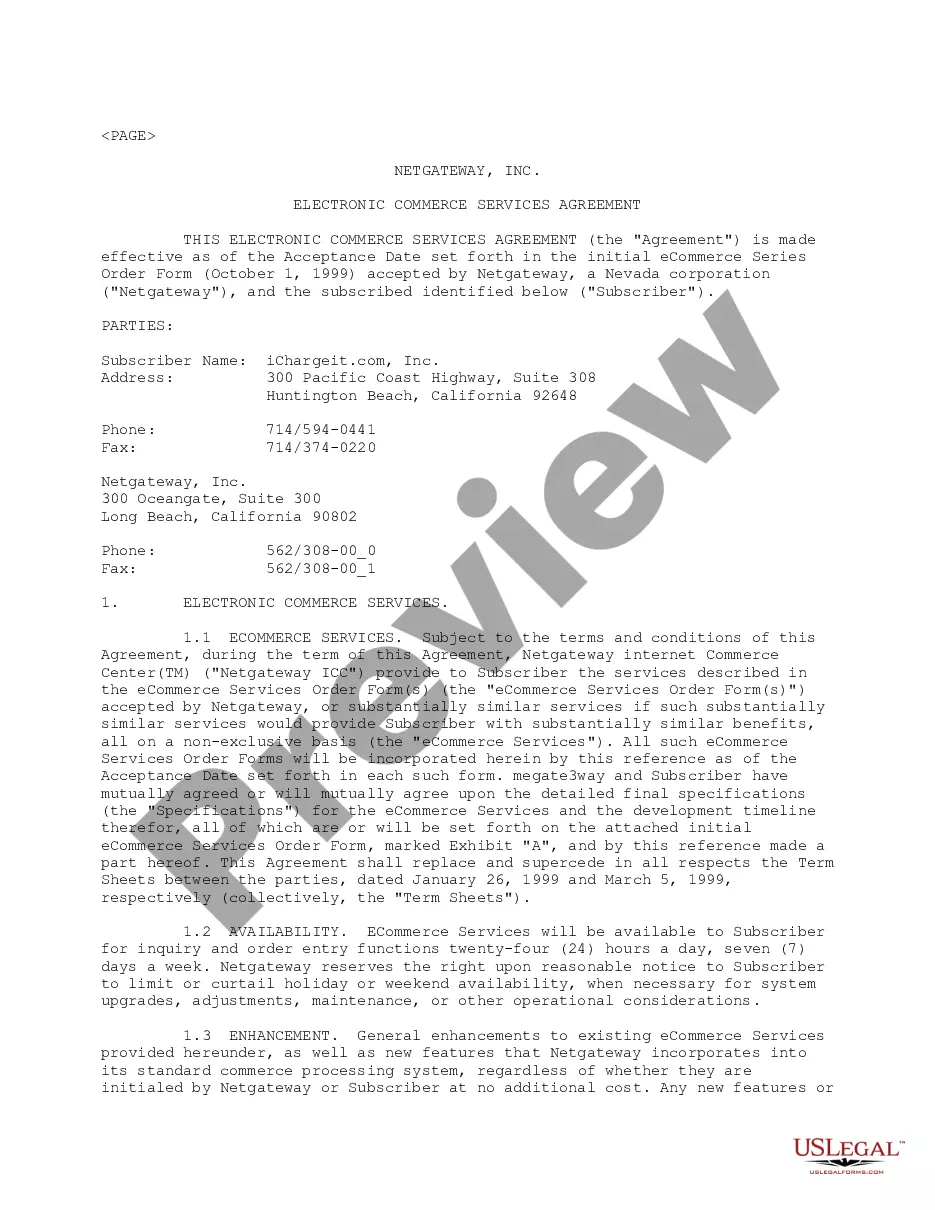
Get your form ready online
Our built-in tools help you complete, sign, share, and store your documents in one place.
Make edits, fill in missing information, and update formatting in US Legal Forms—just like you would in MS Word.
Download a copy, print it, send it by email, or mail it via USPS—whatever works best for your next step.
Sign and collect signatures with our SignNow integration. Send to multiple recipients, set reminders, and more. Go Premium to unlock E-Sign.
If this form requires notarization, complete it online through a secure video call—no need to meet a notary in person or wait for an appointment.
We protect your documents and personal data by following strict security and privacy standards.

Make edits, fill in missing information, and update formatting in US Legal Forms—just like you would in MS Word.

Download a copy, print it, send it by email, or mail it via USPS—whatever works best for your next step.

Sign and collect signatures with our SignNow integration. Send to multiple recipients, set reminders, and more. Go Premium to unlock E-Sign.

If this form requires notarization, complete it online through a secure video call—no need to meet a notary in person or wait for an appointment.

We protect your documents and personal data by following strict security and privacy standards.
Looking for another form?





Form popularity
FAQ
The Electronic Signatures in Global and National Commerce Act (E-Sign Act), 1 signed into law on June 30, 2000, provides a general rule of validity for electronic records and signatures for transactions in or affecting interstate or foreign commerce.
Internet commerce | Federal Trade Commission.
While the fundamentals of a paper-based contract apply to e-contracts, the techniques for concluding the e-contract are derived from Indian Contract Law and are nearly identical to paper-based contracts. E-commerce refers to the purchasing and selling of information, products, and services through computer networks.
The UETA and E-SIGN Act have now legitimized the ability of parties to form contracts electronically both at the federal and state levels.
ECommerce agreements disclose the contractual relationship and obligations between a website owner and its commercial users.
In the United States, federal eCommerce law includes the 1996 Telecommunications Act, the 1998 Digital Mil- lennium Copyright Act, the 2000 Electronic Signatures In Global and National Commerce, and the 2003 Con- trolling the Assault of Non-Solicited ography and Marketing Act.
The laws, regulations and legal precedents that encompass what is now called cyber law seek to address: Privacy and Data Protection. Intellectual Property Protection. Cybersecurity and Cybercrime. E-Commerce and Online Contracts. Freedom of Expression and Speech. Internet Governance. Liability and Responsibility.
When writing ecommerce or e-commerce, only use capital letters when they are in a title or at the beginning of a sentence. Capitalize the E and C the way you would if you were writing out the words “electronic commerce.” At the beginning of a sentence, they appear as Ecommerce and E-commerce (Electronic commerce).
Even though we have been using ecommerce since its inception, we might be a bit lazy trying to find the hyphen key on our keyboards. The correct way to write ecommerce spelling is e-commerce with a hyphen.
commerce (electronic commerce) is the buying and selling of goods and services, or the transmitting of funds or data, over an electronic network, primarily the internet.