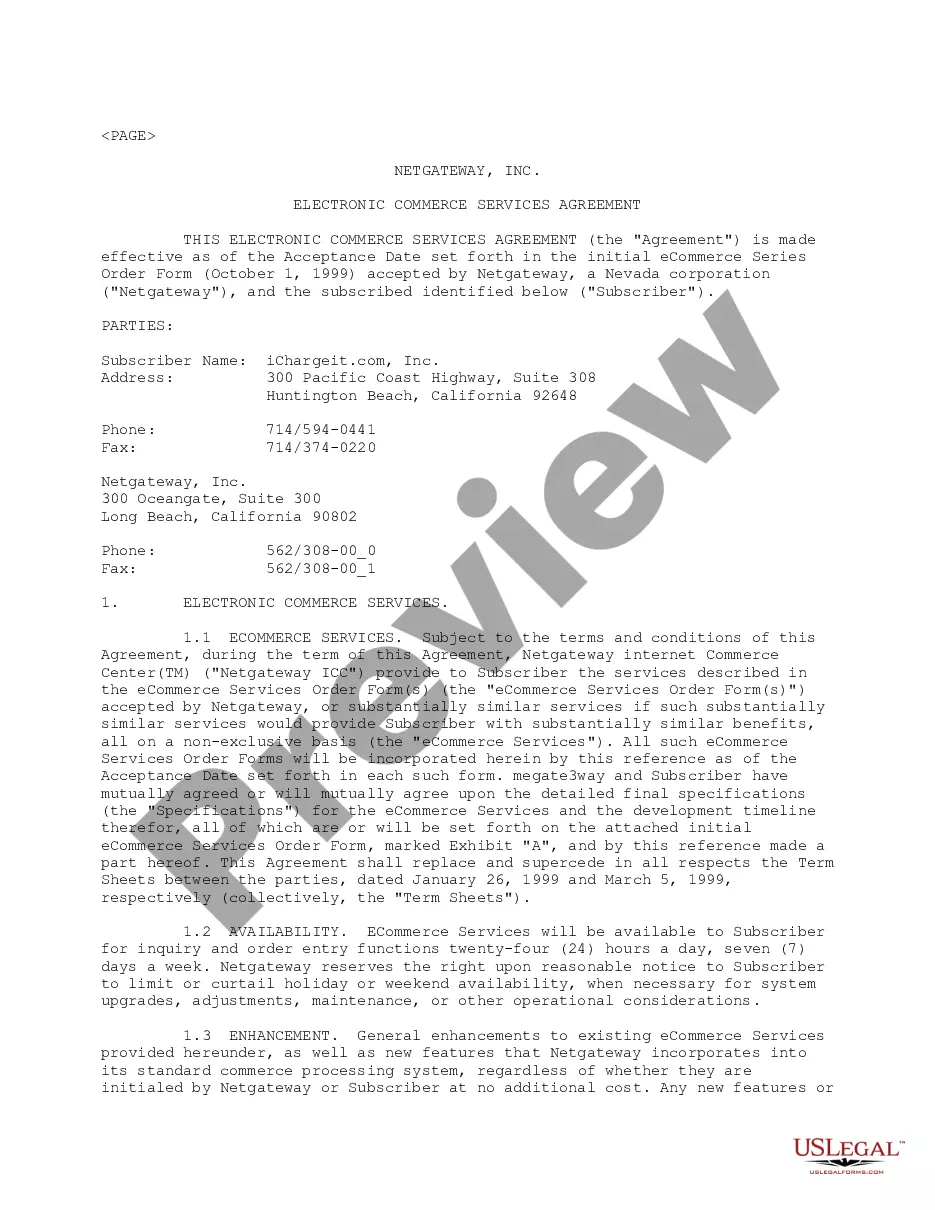
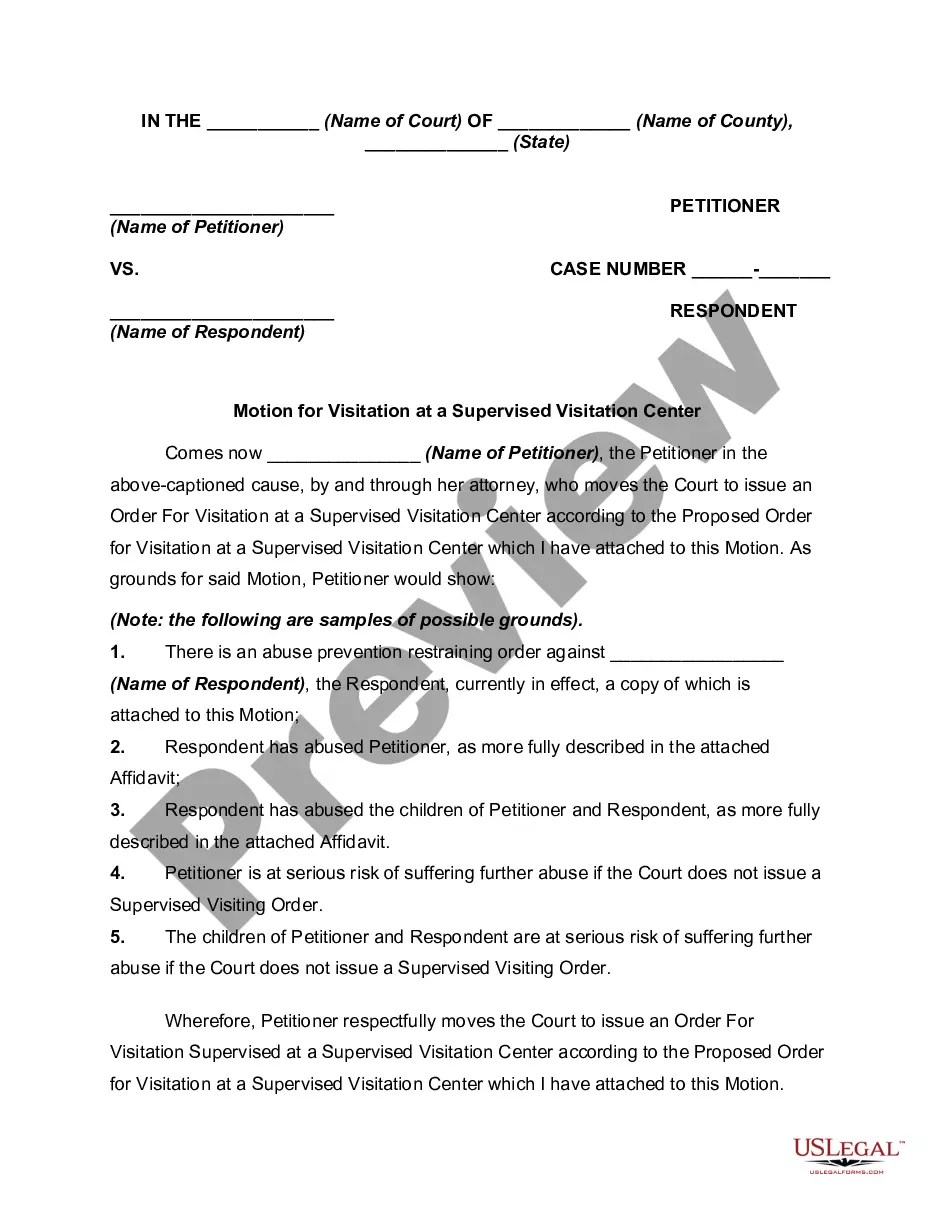
E Commerce Agreement Template For Joomla In San Jose
Description

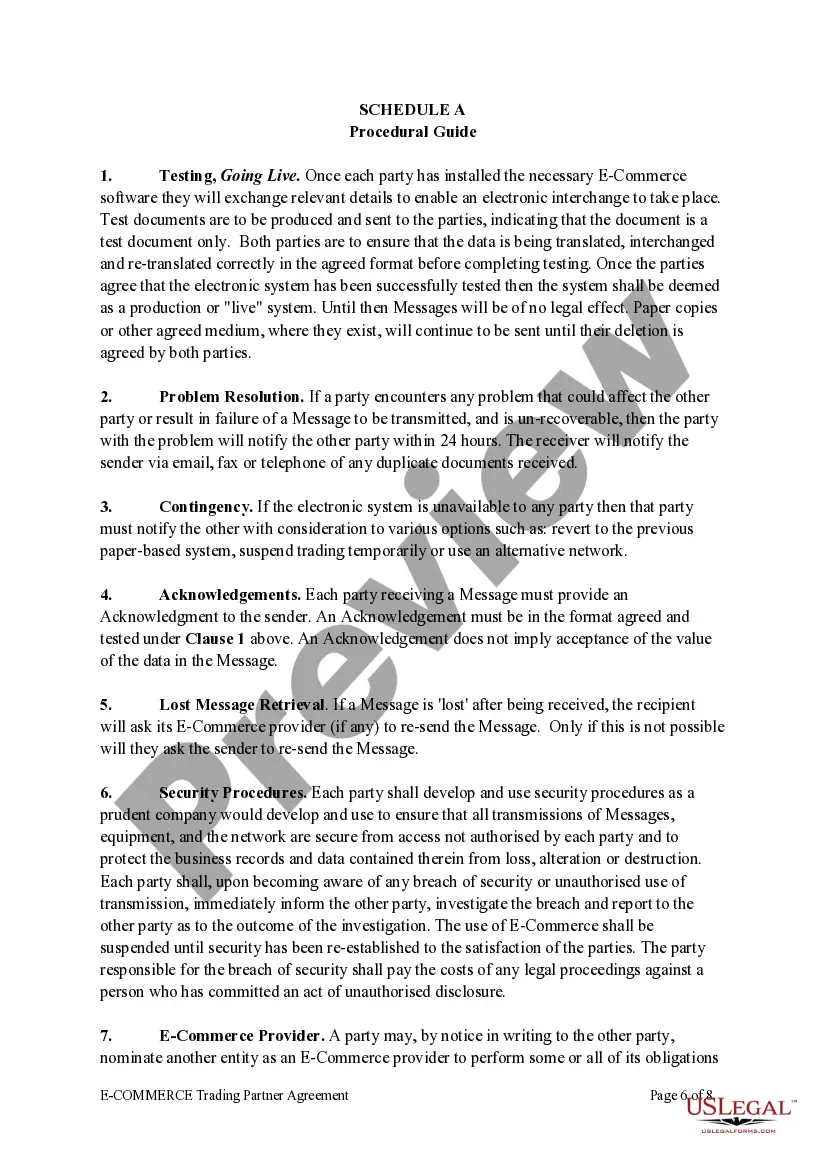
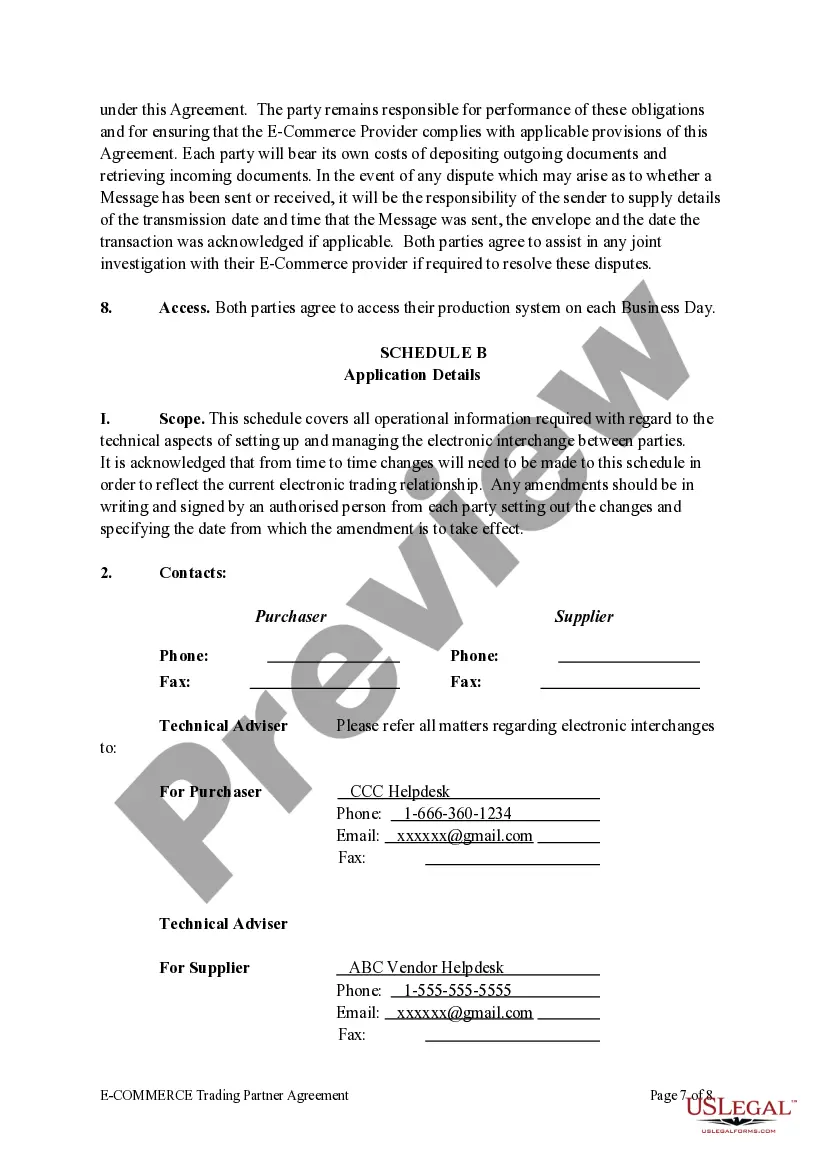


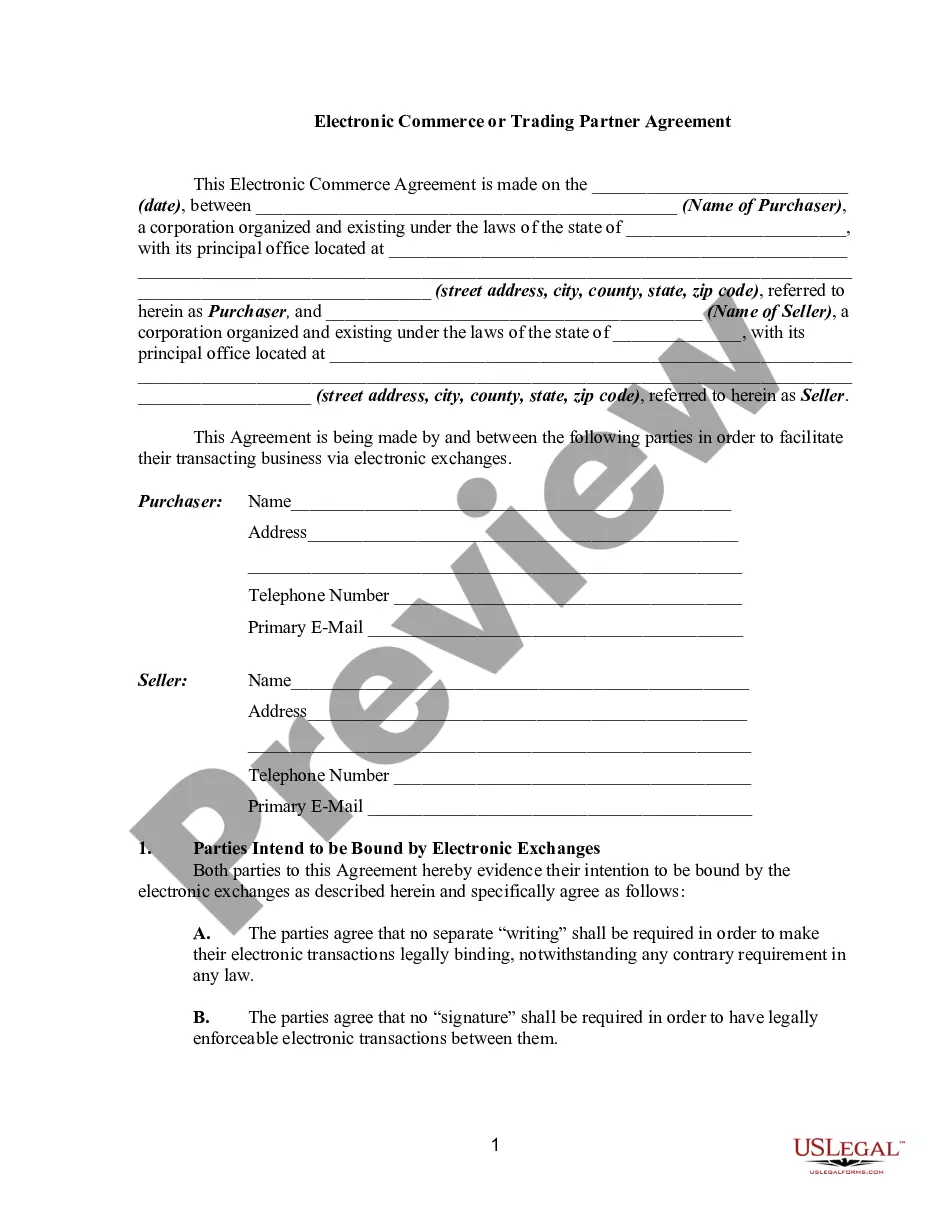
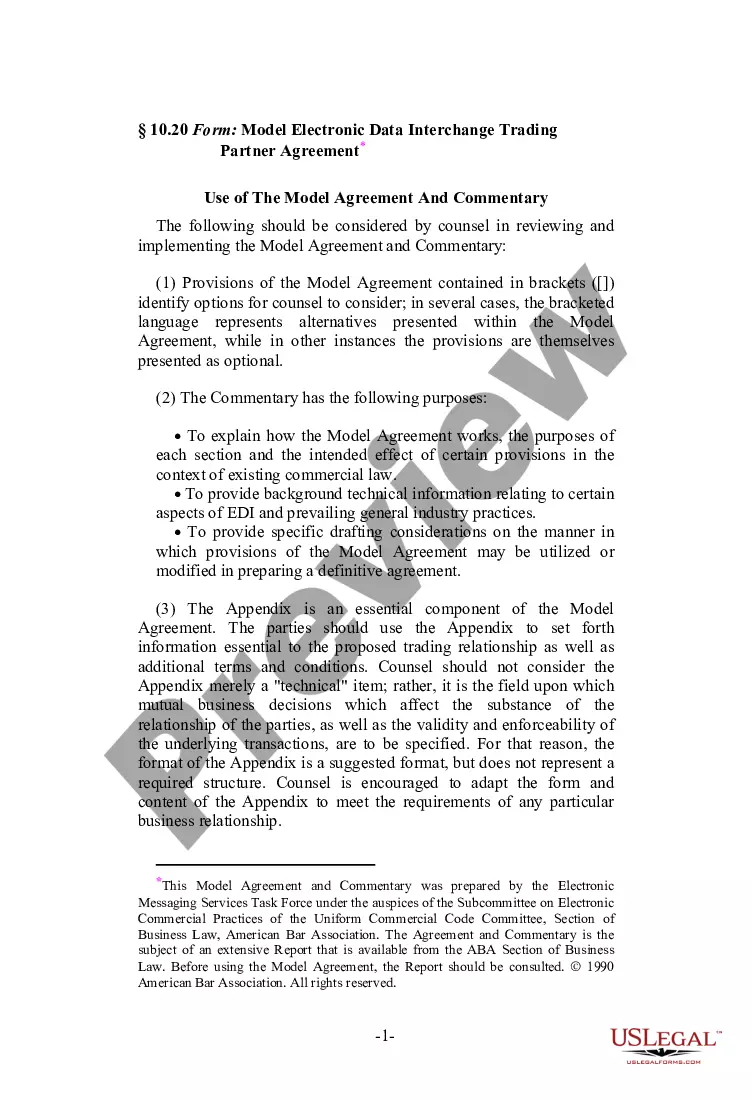
Get your form ready online
Our built-in tools help you complete, sign, share, and store your documents in one place.
Make edits, fill in missing information, and update formatting in US Legal Forms—just like you would in MS Word.
Download a copy, print it, send it by email, or mail it via USPS—whatever works best for your next step.
Sign and collect signatures with our SignNow integration. Send to multiple recipients, set reminders, and more. Go Premium to unlock E-Sign.
If this form requires notarization, complete it online through a secure video call—no need to meet a notary in person or wait for an appointment.
We protect your documents and personal data by following strict security and privacy standards.

Make edits, fill in missing information, and update formatting in US Legal Forms—just like you would in MS Word.

Download a copy, print it, send it by email, or mail it via USPS—whatever works best for your next step.

Sign and collect signatures with our SignNow integration. Send to multiple recipients, set reminders, and more. Go Premium to unlock E-Sign.

If this form requires notarization, complete it online through a secure video call—no need to meet a notary in person or wait for an appointment.

We protect your documents and personal data by following strict security and privacy standards.
Looking for another form?



Form popularity
FAQ
Joomla is a great choice for websites that need frequent updates. The user-friendly interface makes it easy to create, edit, and organize content. User-Friendly Interface: Joomla is also known for its simple and easy-to-use interface.
How to make an eCommerce website in 8 steps Pick the right eCommerce platform. Design your eCommerce website. Create and optimize your product pages. Set up payments. Set up shipping and delivery. Choose, register and connect your domain name. Test and launch your eCommerce site. Market and promote your eCommerce website.
The hierarchical structure of an ecommerce website should be no more than 3 levels deep, which means that a single homepage should be at the top of the hierarchy followed by the categories (level 1), subcategories (level 2), and then product pages (level 3).
The hierarchical structure of an ecommerce website should be no more than 3 levels deep, which means that a single homepage should be at the top of the hierarchy followed by the categories (level 1), subcategories (level 2), and then product pages (level 3).
It also says, "The most straightforward way to structure an e-commerce team is to think in terms of the business drivers of an e-commerce site." It lists six drivers of e-commerce business: 1) Product; 2) Brand & Content; 3) Marketing; 4) Trading & Conversion; 5) Operations; and 6) Fulfillment.
Write high quality product reviews to help shoppers decide on the right product for their needs. Avoid issues related to crawling and URL design that are specific to ecommerce sites. Design a site navigation structure and link between pages to help Google understand what is most important on your ecommerce site.
