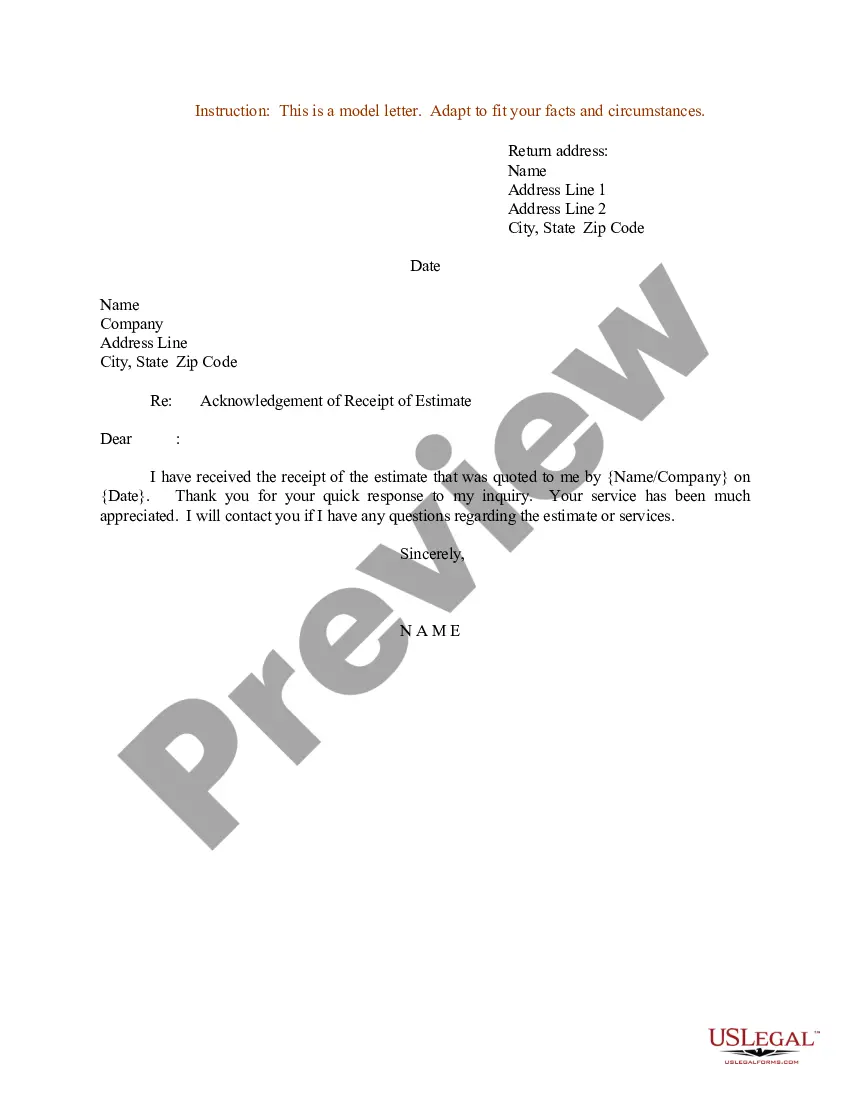
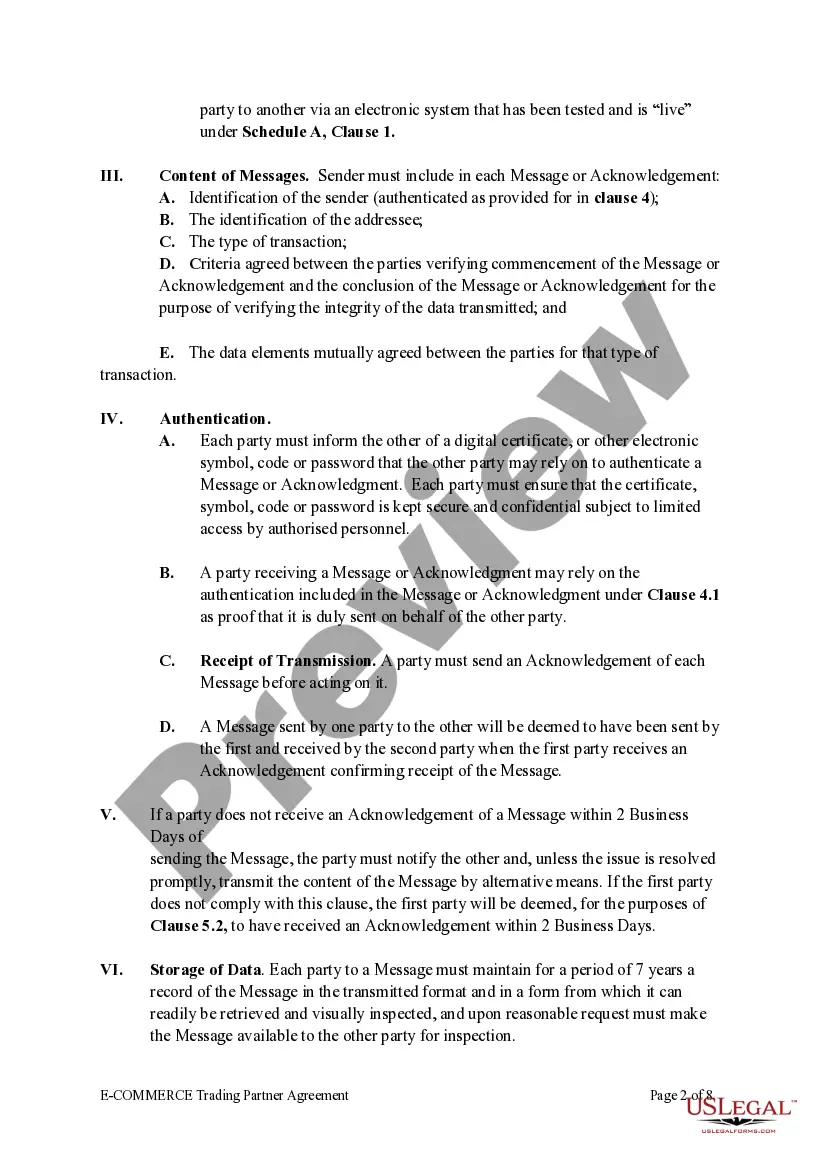
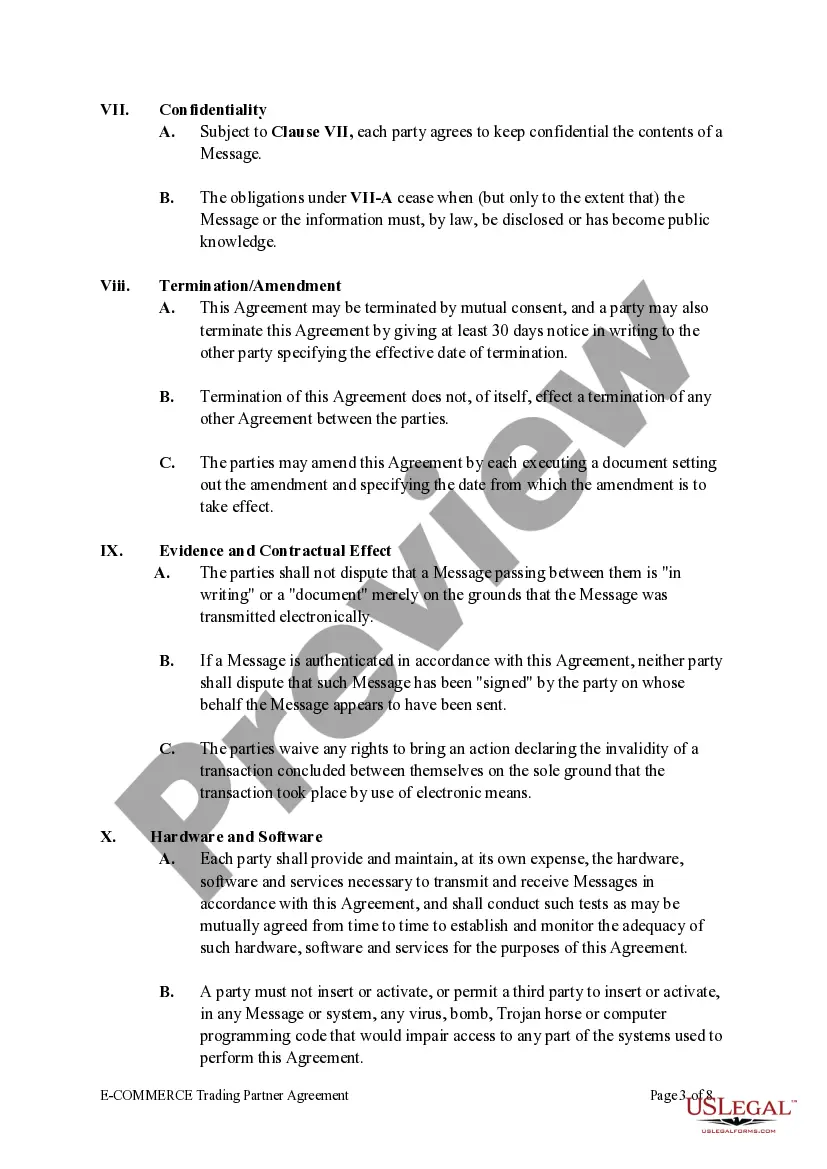
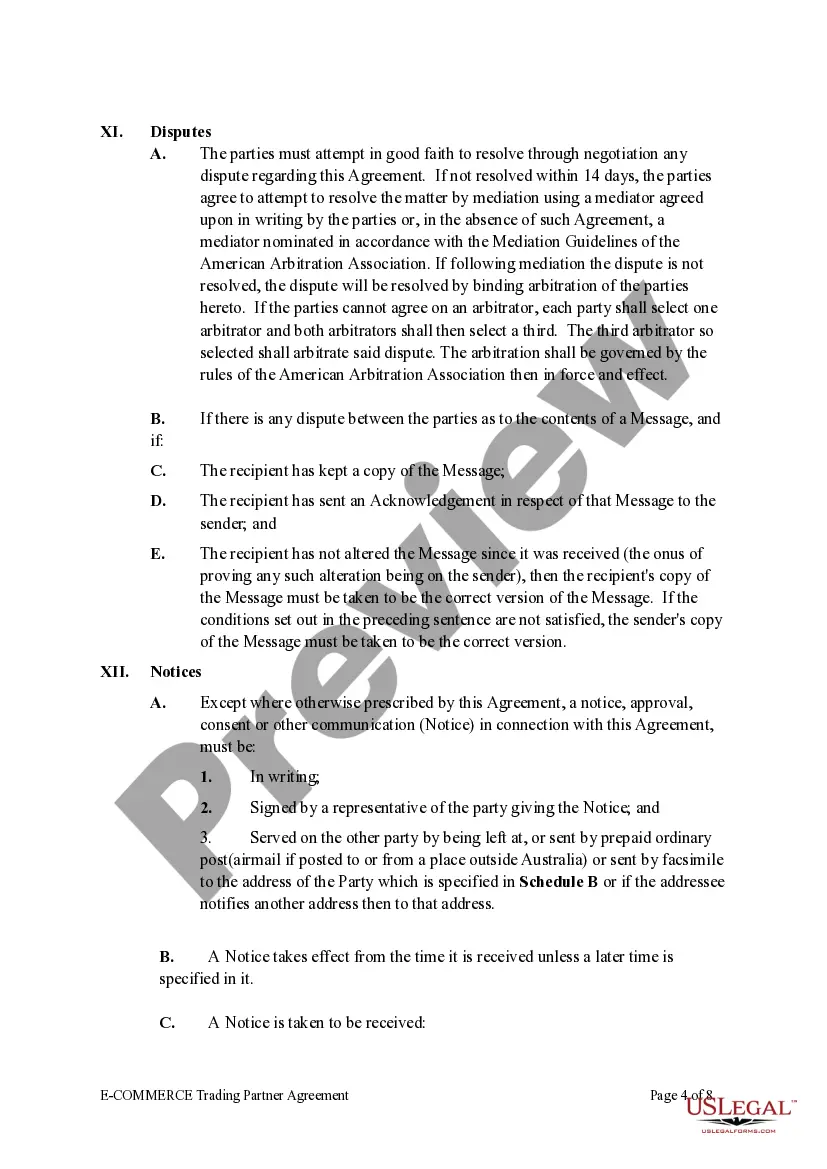
E Commerce Agreement Template For Joomla In Pennsylvania
Description

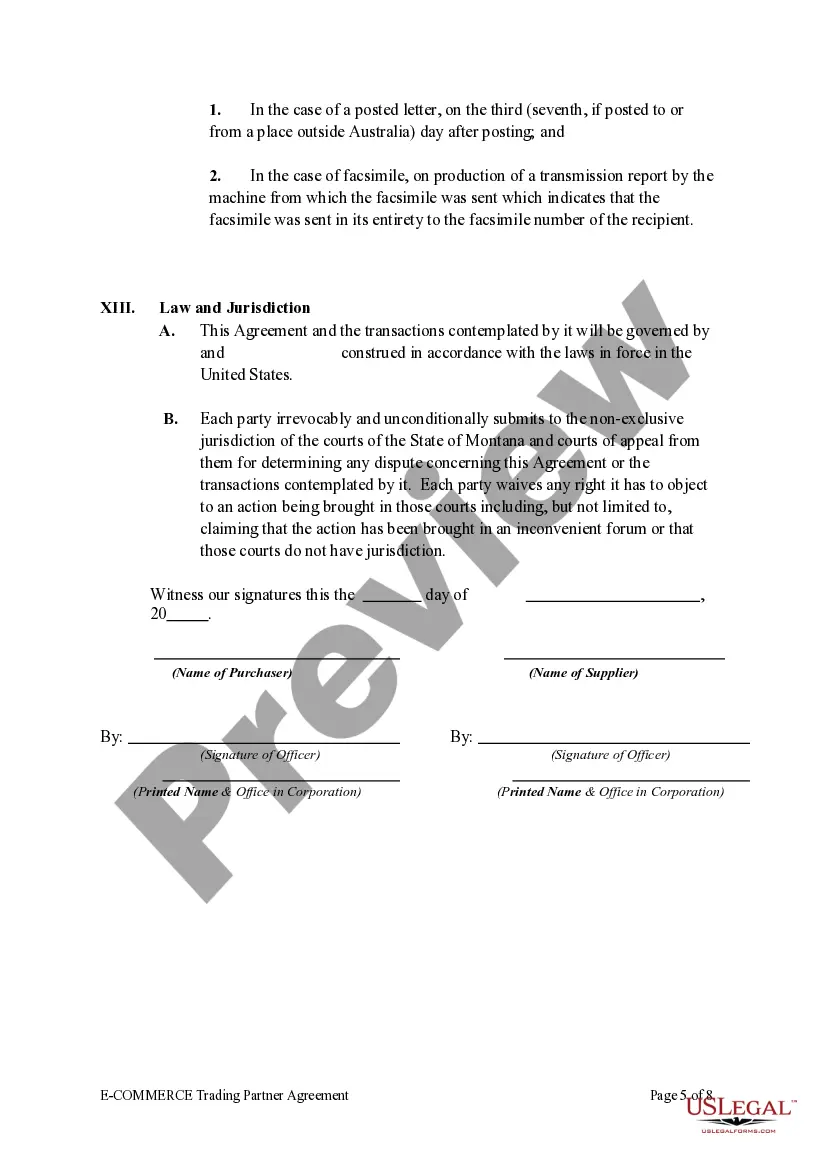
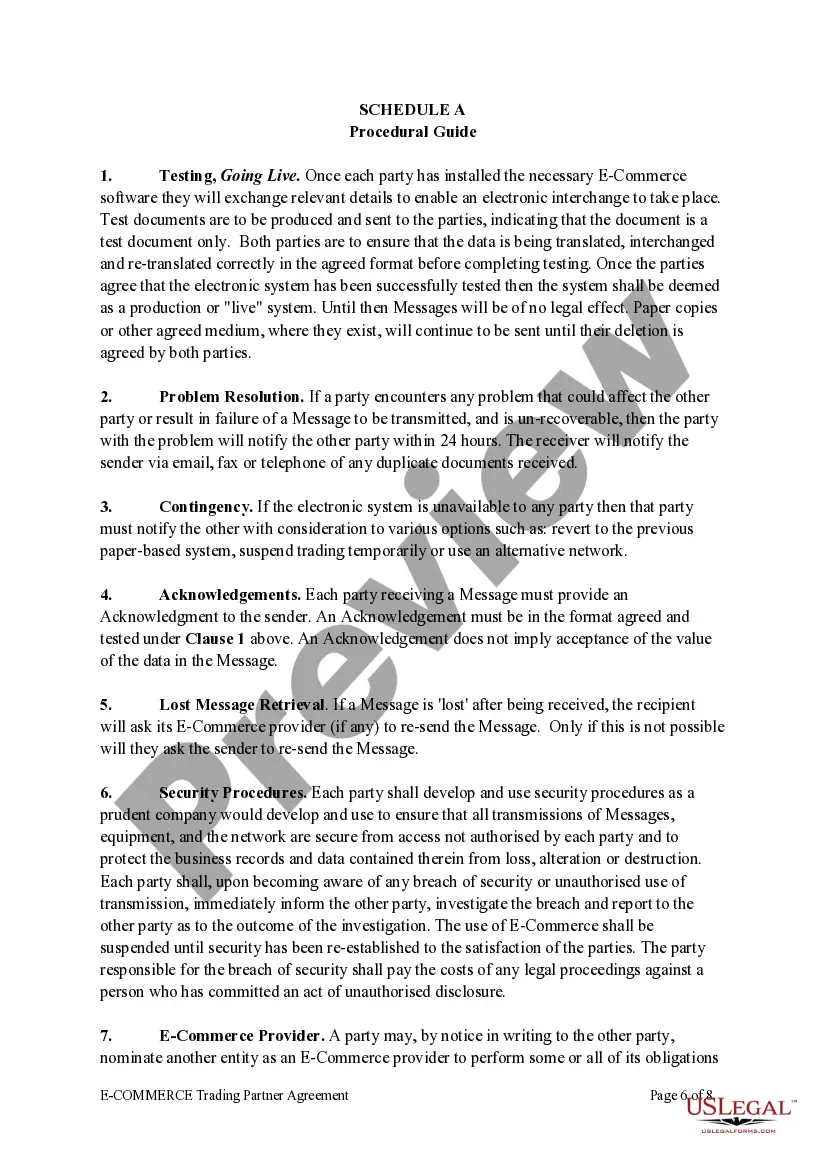
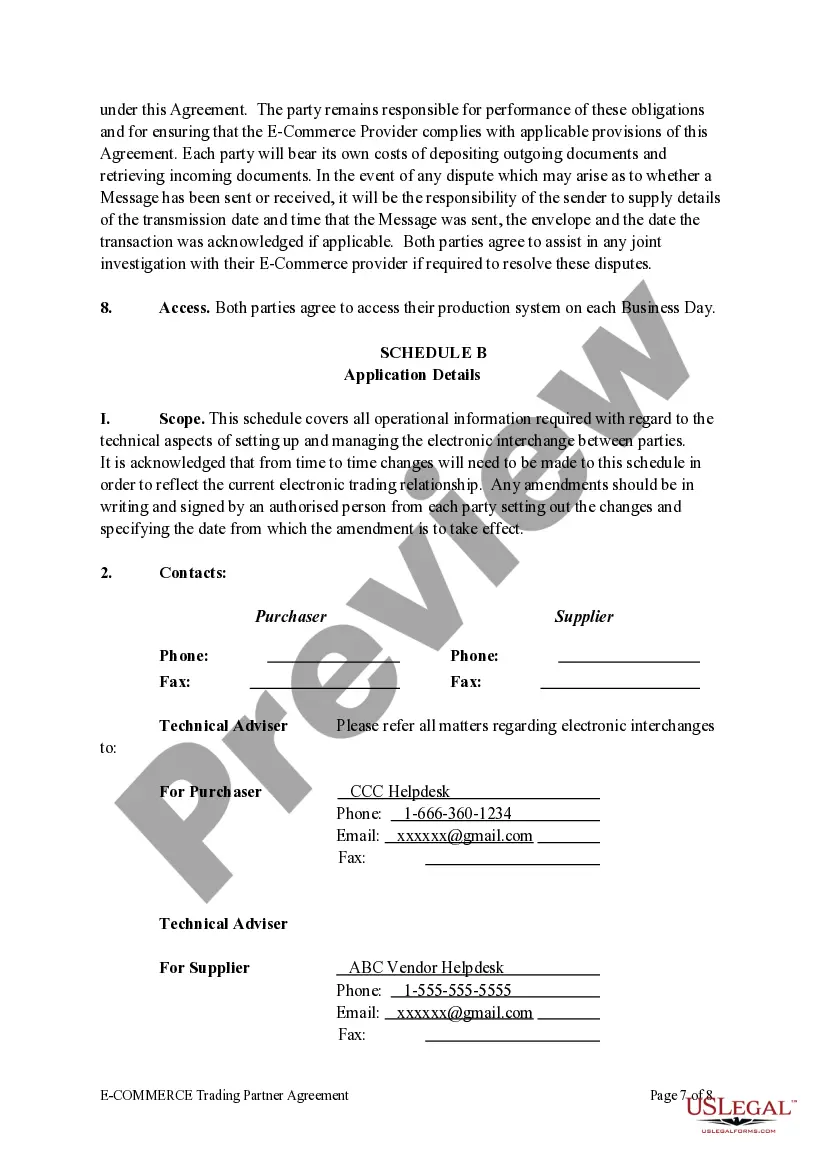
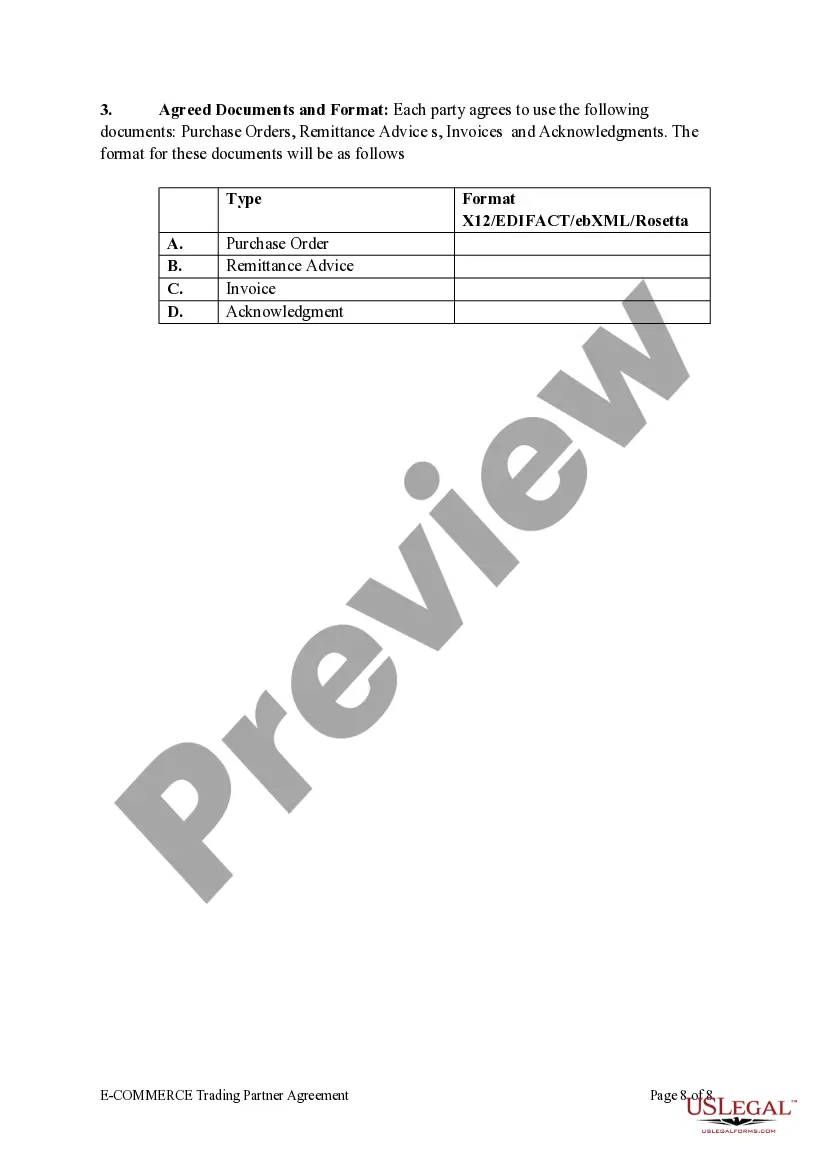
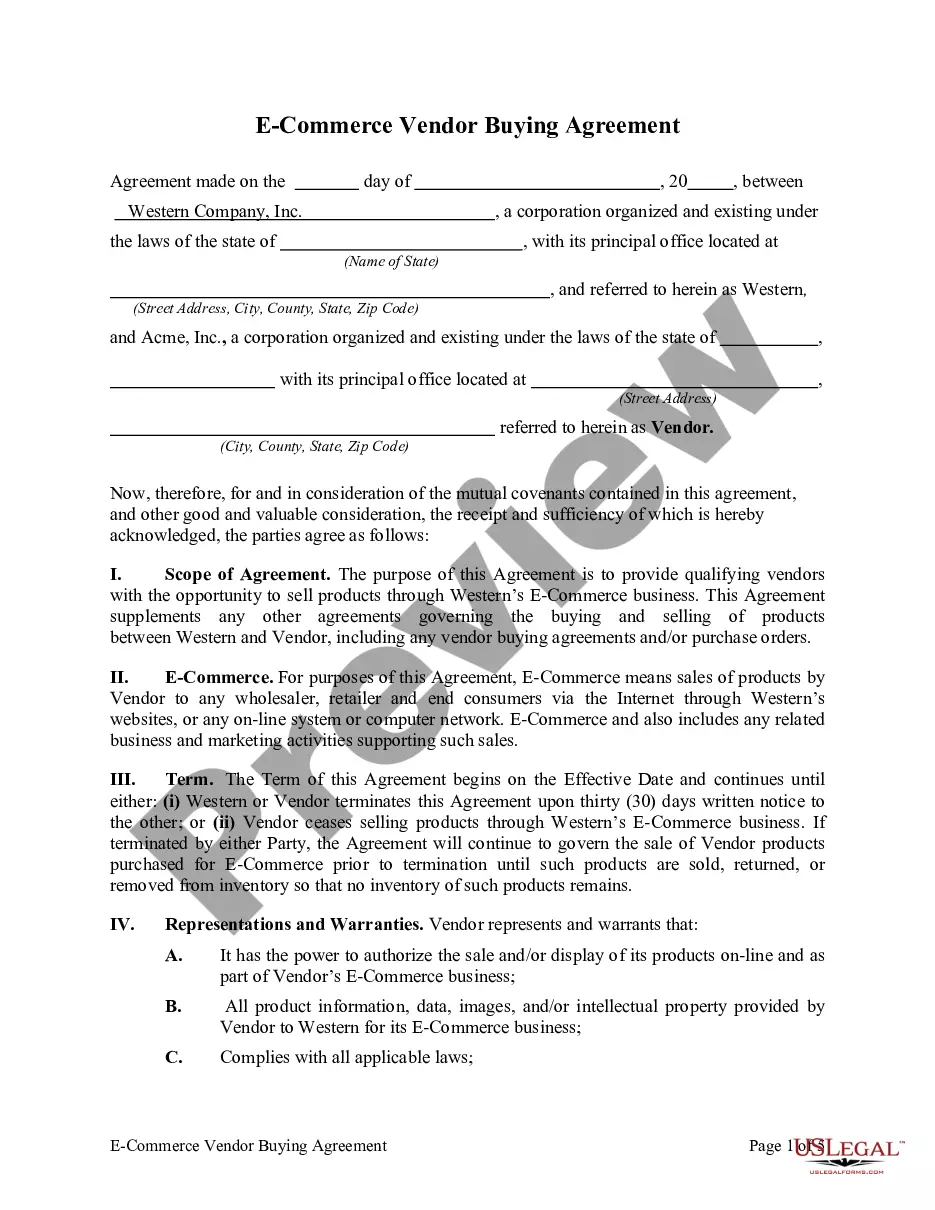
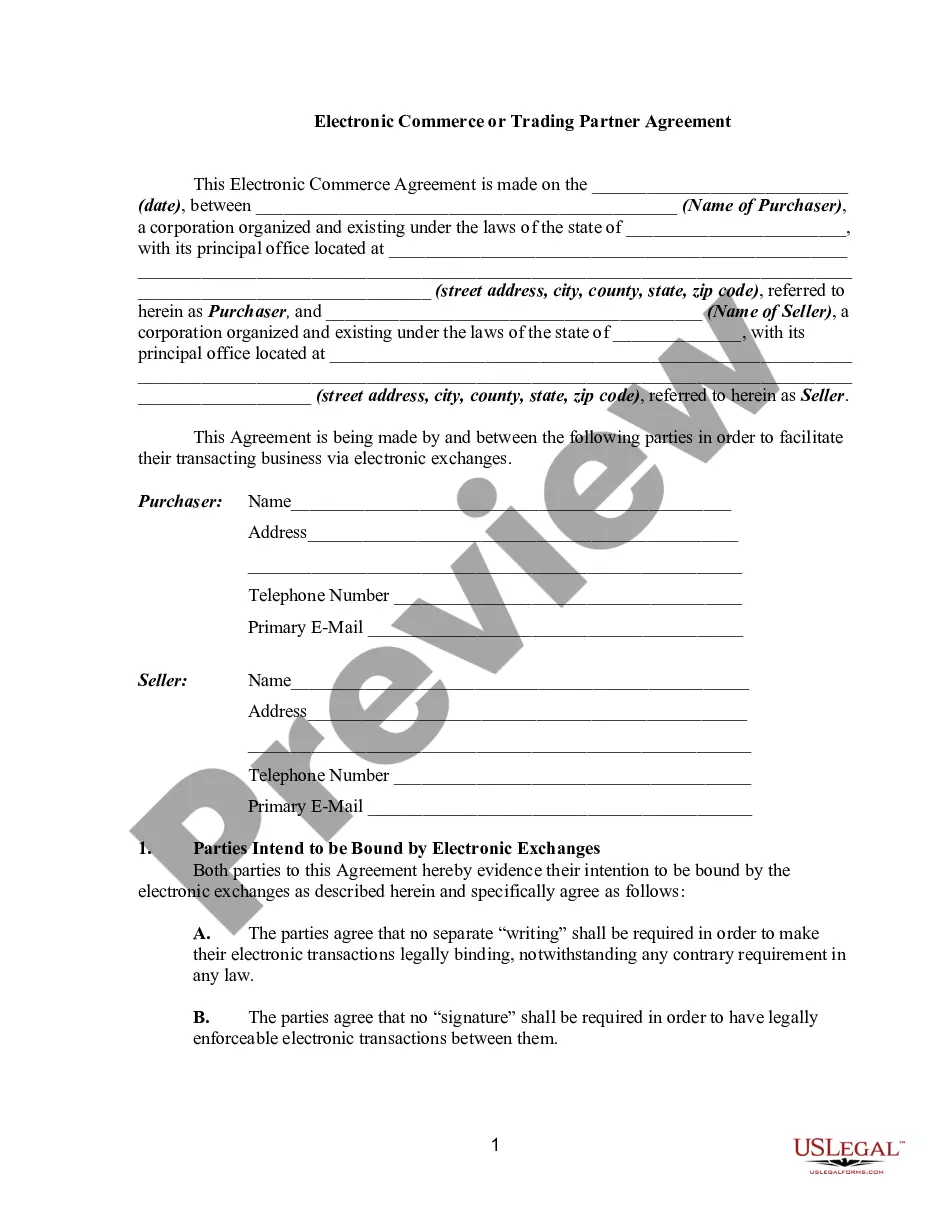
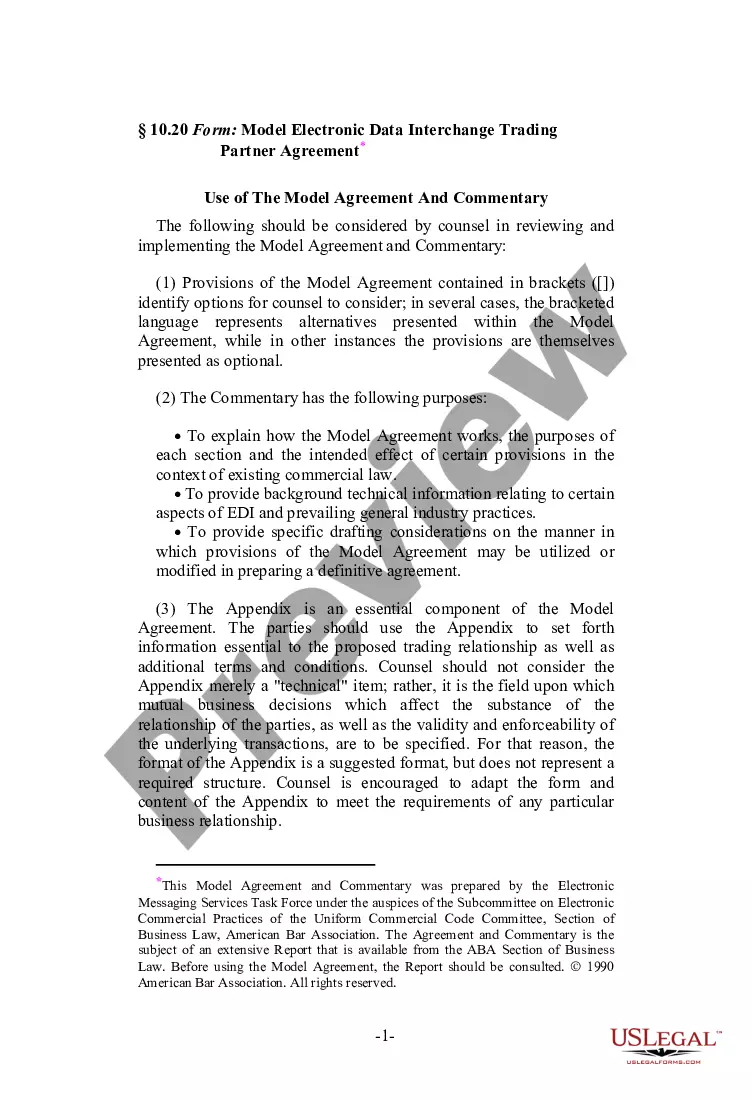
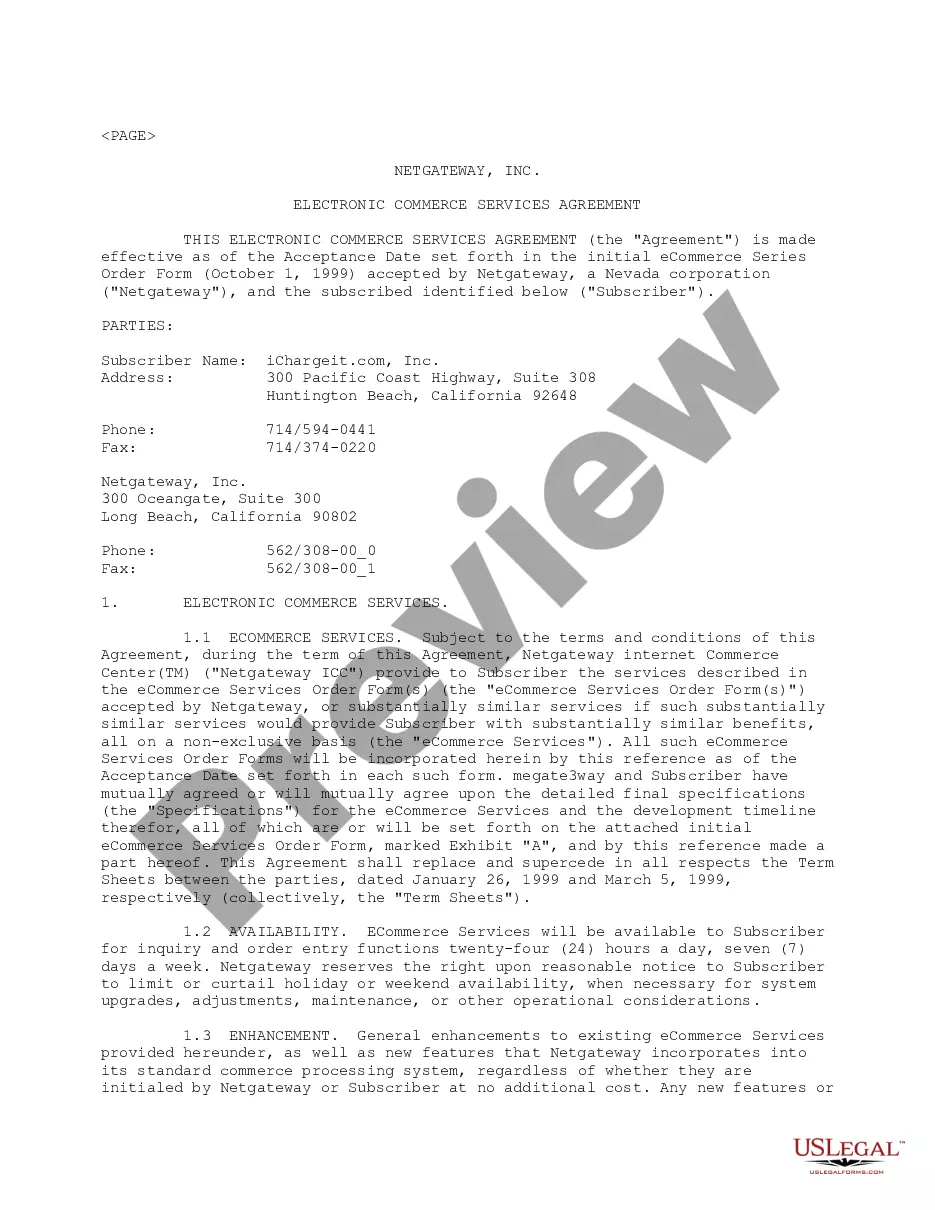
Get your form ready online
Our built-in tools help you complete, sign, share, and store your documents in one place.
Make edits, fill in missing information, and update formatting in US Legal Forms—just like you would in MS Word.
Download a copy, print it, send it by email, or mail it via USPS—whatever works best for your next step.
Sign and collect signatures with our SignNow integration. Send to multiple recipients, set reminders, and more. Go Premium to unlock E-Sign.
If this form requires notarization, complete it online through a secure video call—no need to meet a notary in person or wait for an appointment.
We protect your documents and personal data by following strict security and privacy standards.

Make edits, fill in missing information, and update formatting in US Legal Forms—just like you would in MS Word.

Download a copy, print it, send it by email, or mail it via USPS—whatever works best for your next step.

Sign and collect signatures with our SignNow integration. Send to multiple recipients, set reminders, and more. Go Premium to unlock E-Sign.

If this form requires notarization, complete it online through a secure video call—no need to meet a notary in person or wait for an appointment.

We protect your documents and personal data by following strict security and privacy standards.
Looking for another form?







Form popularity
FAQ
The correct way to write it is “e-commerce.” Most major English dictionaries, including Merriam-Webster and the OED, agree on this spelling. While “e-commerce” is the most accepted spelling, you may also see “ecommerce” without the hyphen. This version is particularly common in informal contexts and online discussions.
? TL;DR: The AP Style Guide defines "e-commerce" as the proper spelling.
As for style guides, the Associated Press Style Guide (AP Style) and the Chicago Manual of Style also dictate that the correct spelling is e-commerce. Per the AP Stylebook: “AP uses hyphenated e- for generic terms such as e-commerce and e-strategies. One exception: email (no hyphen, which reflects majority of usage).”
In the beginning, it was usually spelled as “e-commerce,” with a hyphen between “e” and “commerce.” But as technology improved and the word “ecommerce” became more common, the spelling changed to “ecommerce” without the hyphen.
Joomla is a great choice for websites that need frequent updates. The user-friendly interface makes it easy to create, edit, and organize content. User-Friendly Interface: Joomla is also known for its simple and easy-to-use interface.
The Merriam Webster, Cambridge and Oxford dictionaries all use the spelling e-commerce. Online, they even autocorrect your entry if you spell it another way. As for style guides, the Associated Press Style Guide (AP Style) and the Chicago Manual of Style also dictate that the correct spelling is e-commerce.