E-commerce Rules In Orange
Description

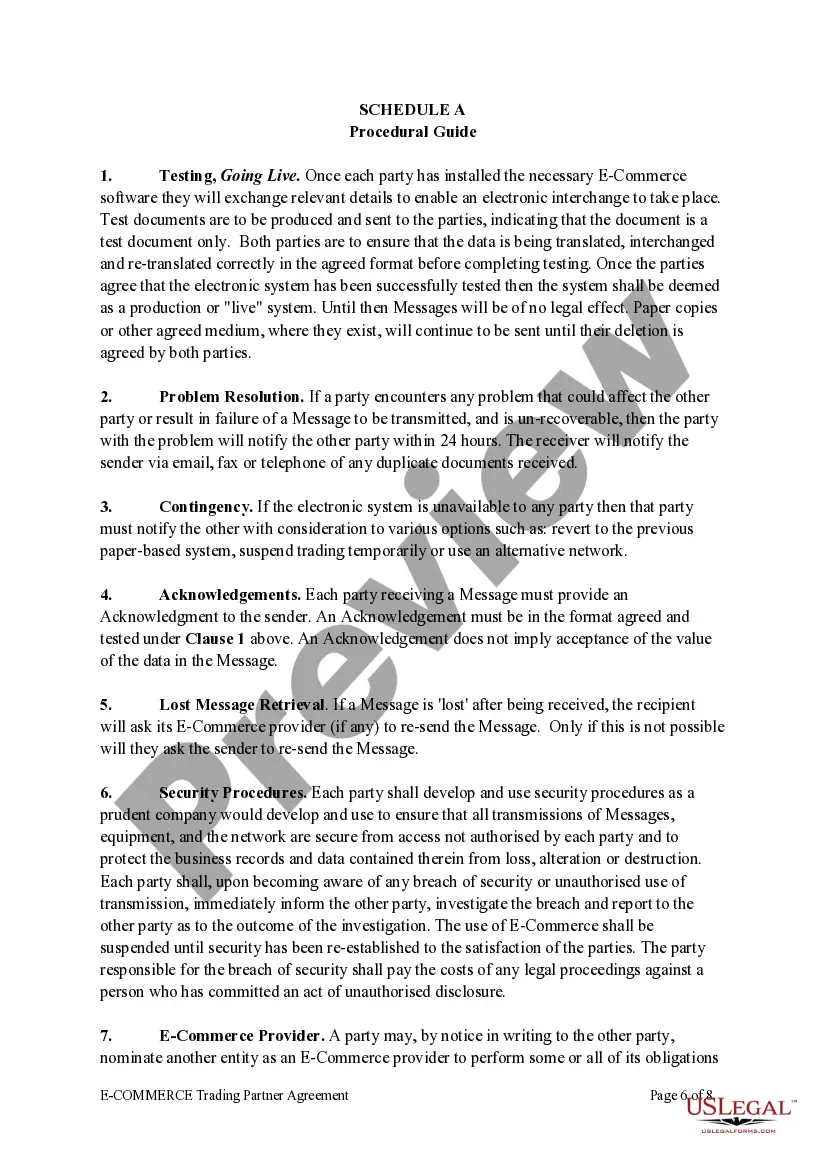
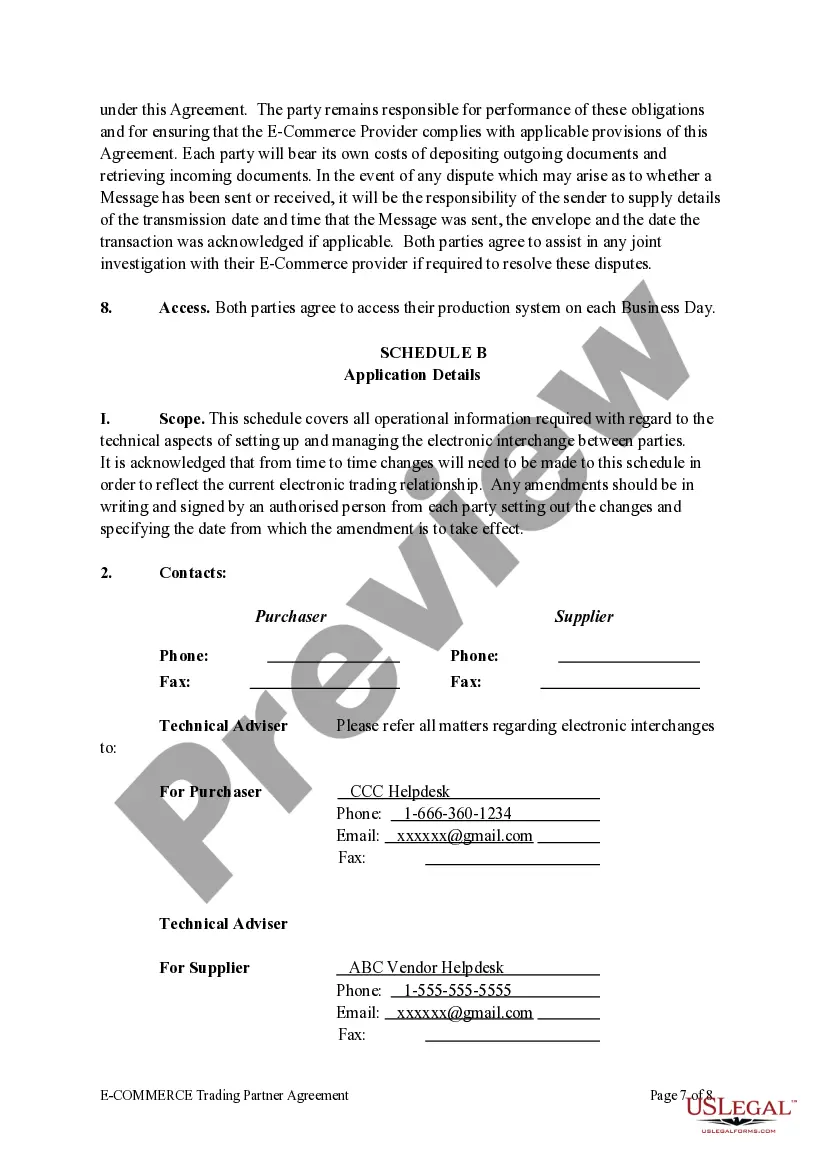

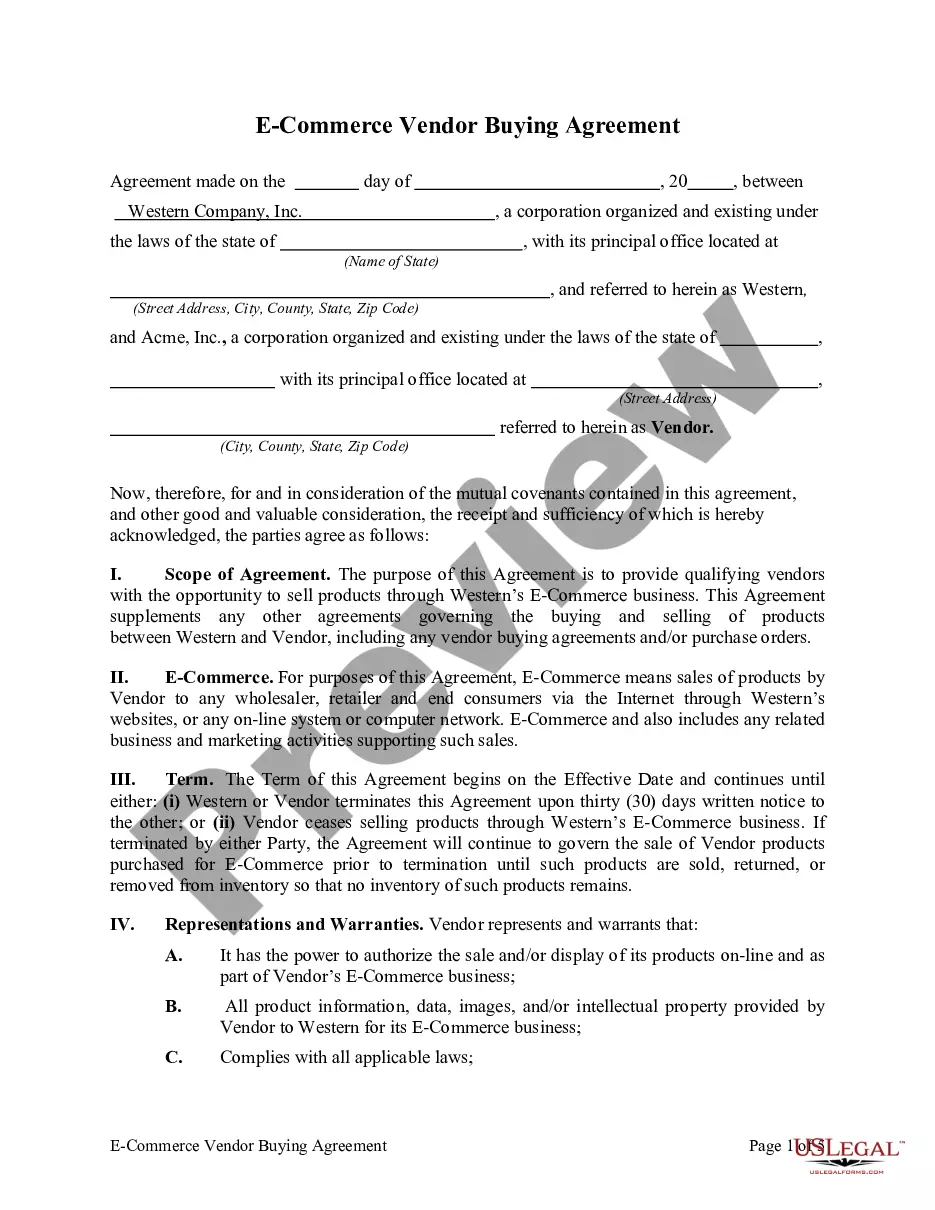
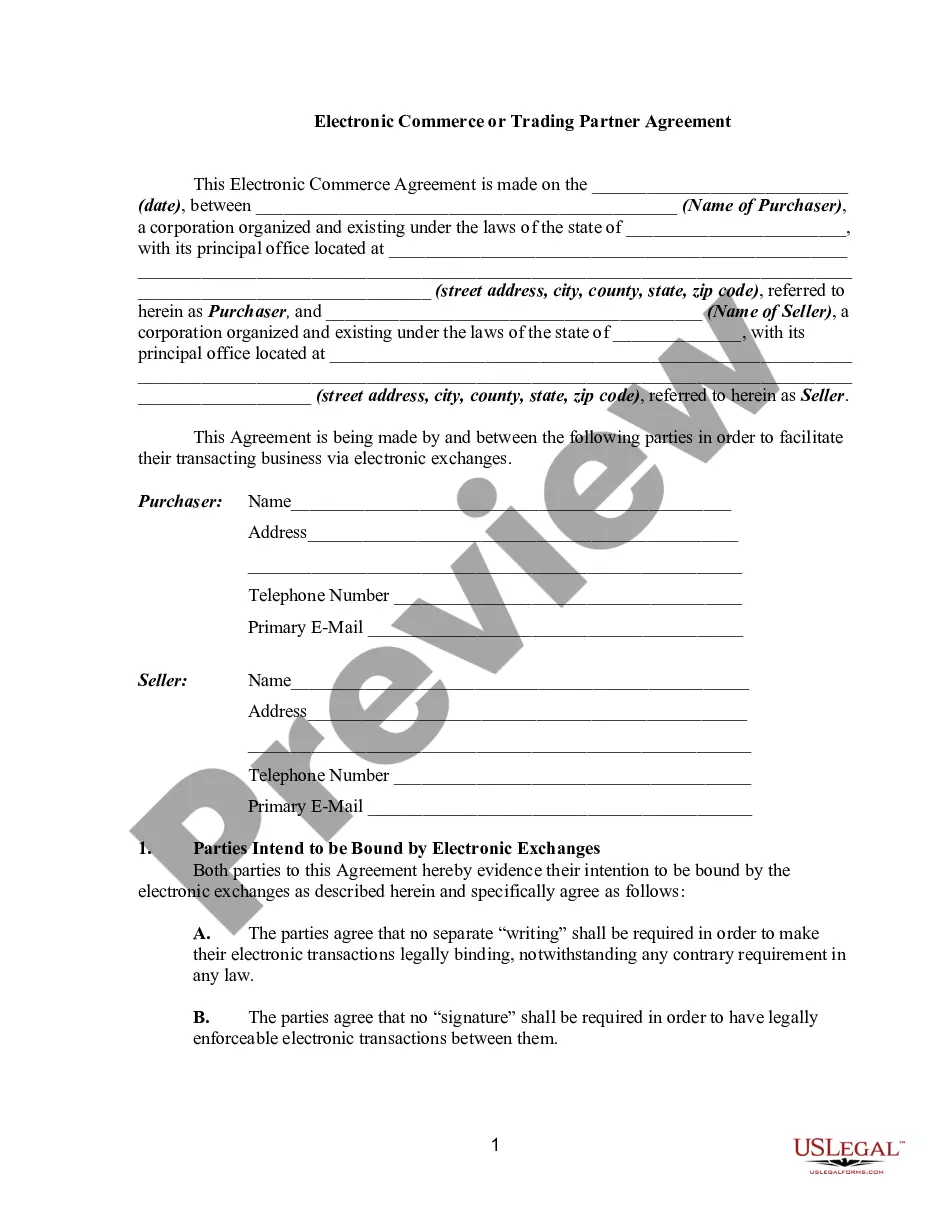
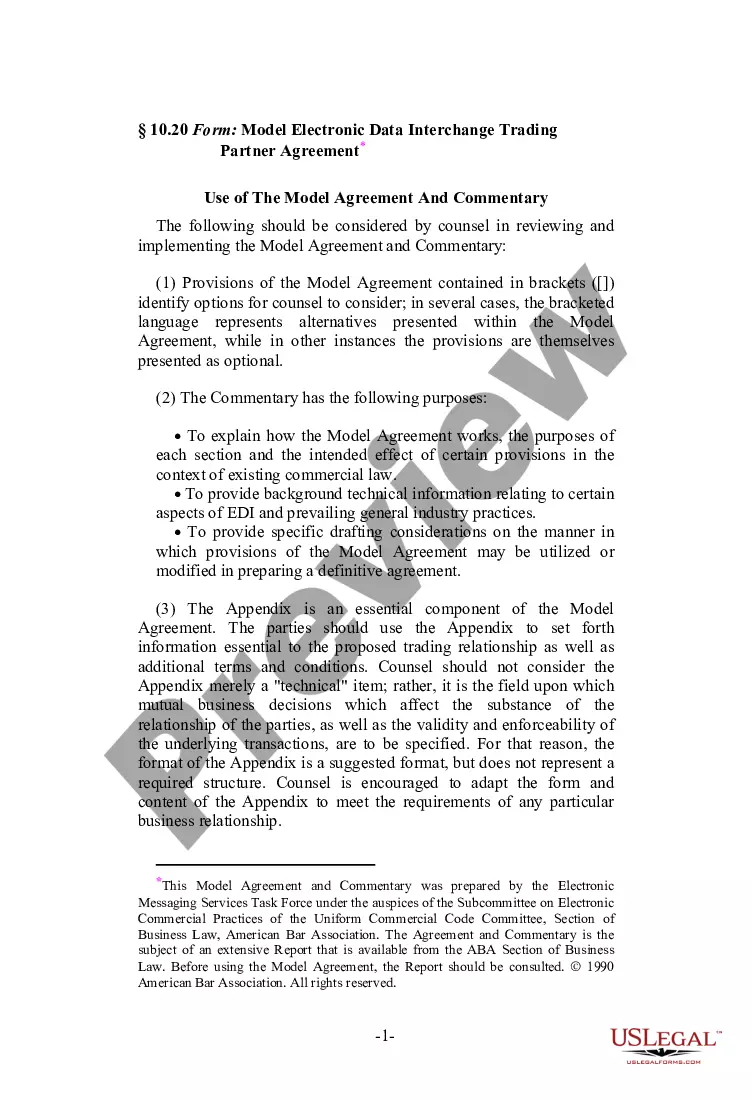

Get your form ready online
Our built-in tools help you complete, sign, share, and store your documents in one place.
Make edits, fill in missing information, and update formatting in US Legal Forms—just like you would in MS Word.
Download a copy, print it, send it by email, or mail it via USPS—whatever works best for your next step.
Sign and collect signatures with our SignNow integration. Send to multiple recipients, set reminders, and more. Go Premium to unlock E-Sign.
If this form requires notarization, complete it online through a secure video call—no need to meet a notary in person or wait for an appointment.
We protect your documents and personal data by following strict security and privacy standards.

Make edits, fill in missing information, and update formatting in US Legal Forms—just like you would in MS Word.

Download a copy, print it, send it by email, or mail it via USPS—whatever works best for your next step.

Sign and collect signatures with our SignNow integration. Send to multiple recipients, set reminders, and more. Go Premium to unlock E-Sign.

If this form requires notarization, complete it online through a secure video call—no need to meet a notary in person or wait for an appointment.

We protect your documents and personal data by following strict security and privacy standards.
Looking for another form?




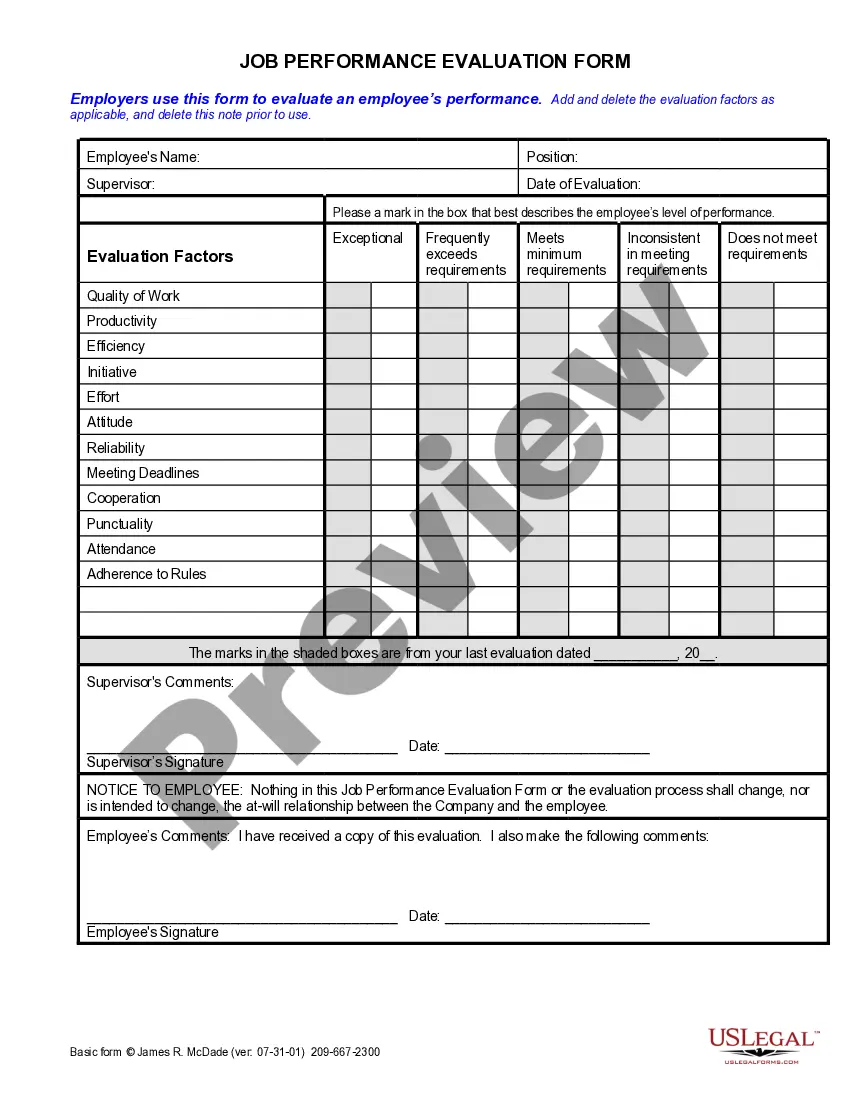


Form popularity
FAQ
The Information Technology Act, 2000, is the primary legislation that governs electronic transactions and cybersecurity in India. For e-commerce platforms, this Act is fundamental as it establishes the legal validity of digital contracts, electronic signatures, and online transactions.
ECommerce law refers to laws that regulate transactions which occur over the internet as well as internet da- ta storage. This body of law encompasses online contracts, privacy policies, e-signatures, and online buying, selling, and advertising procedures.
Ecommerce or "electronic commerce" is the trading of goods and services online. The internet allows individuals and businesses to buy and sell an increasing amount of physical goods, digital goods, and services electronically.
ECommerce law refers to laws that regulate transactions which occur over the internet as well as internet da- ta storage. This body of law encompasses online contracts, privacy policies, e-signatures, and online buying, selling, and advertising procedures.
The IT Act regulates the requirements for electronic contract validity, proposal communication and acceptance, proposal withdrawal, and contract creation between buyers, sellers, and intermediaries. Furthermore, any online platform's terms of service, privacy policy, and return policies must be enforceable contracts.
Defining E-commerce: The policy should provide a unified definition of ecommerce and differentiate it from the broader digital economy, aligning with international norms. Data Governance: Clarify data definitions and address data ownership and localization concerns to foster international collaboration.
Institution – The Competition Commission of India (CCI) monitors and investigates these activities. Rules - Consumer Protection (E-commerce) Rules, 2020 include provisions like mandatory display of seller details, grievance redressal mechanisms, and restrictions on flash sales.
The Court requires courtesy copies (with tabbed exhibits) for Motions for Summary Judgment/Adjudication, Motions for Judgment on the Pleadings, Motions to Strike (Anti-SLAPP), Informal Discovery Conference briefs, and Ex Parte Applications.
The Proof of Service tells the court who was served, and when, where and how they were served. Once your server fills out and signs the Proof of Service, you must file it with the court at least 5 days before your court date.
To file a Stipulation and Order in Orange County, you only need to upload the Word versions of both the Stipulation document and the Proposed Order document. The One Legal system will convert each document to PDF and then send both versions to the court.
