E-commerce Deal With In Ohio
Description

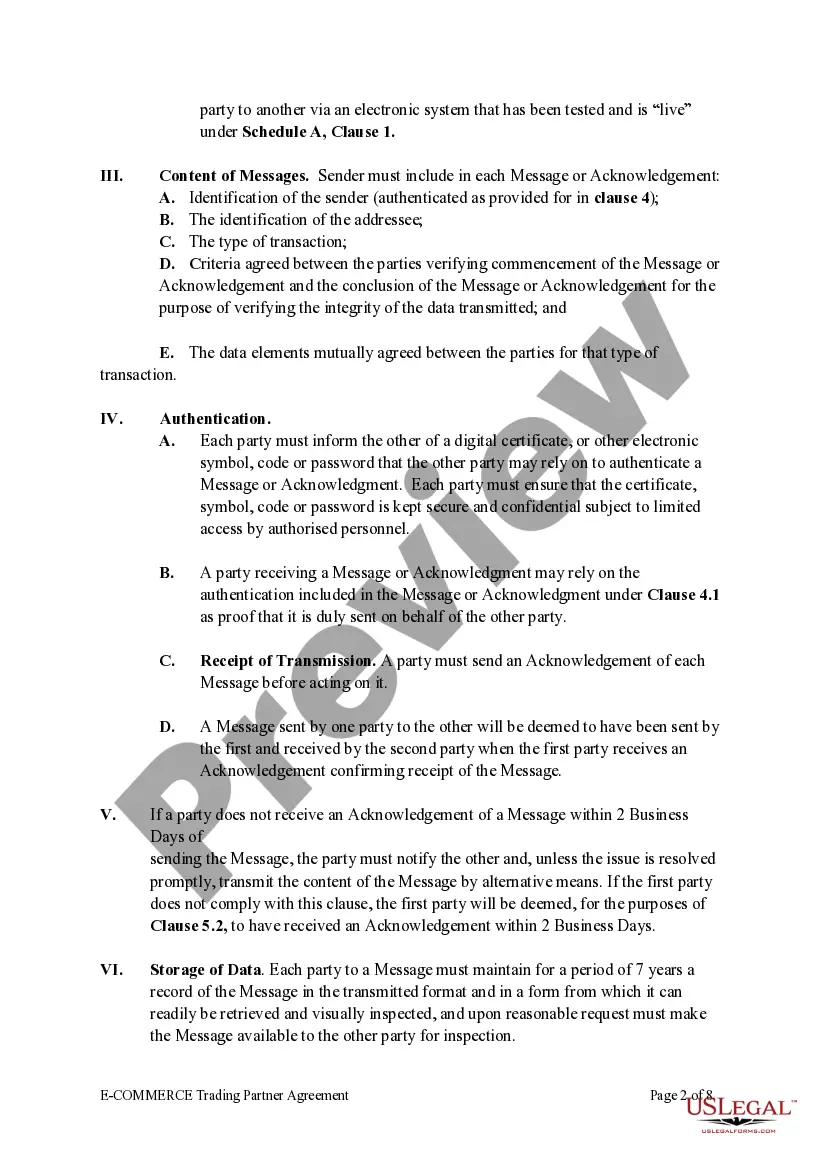
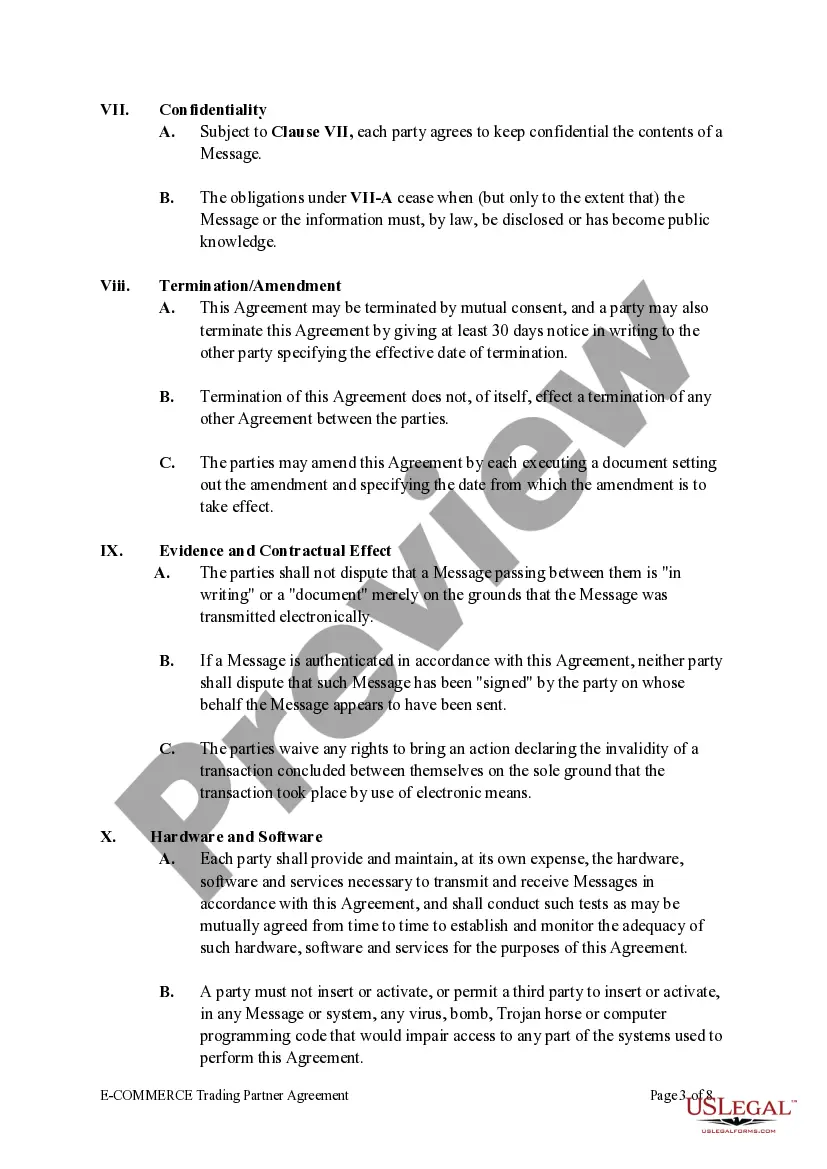
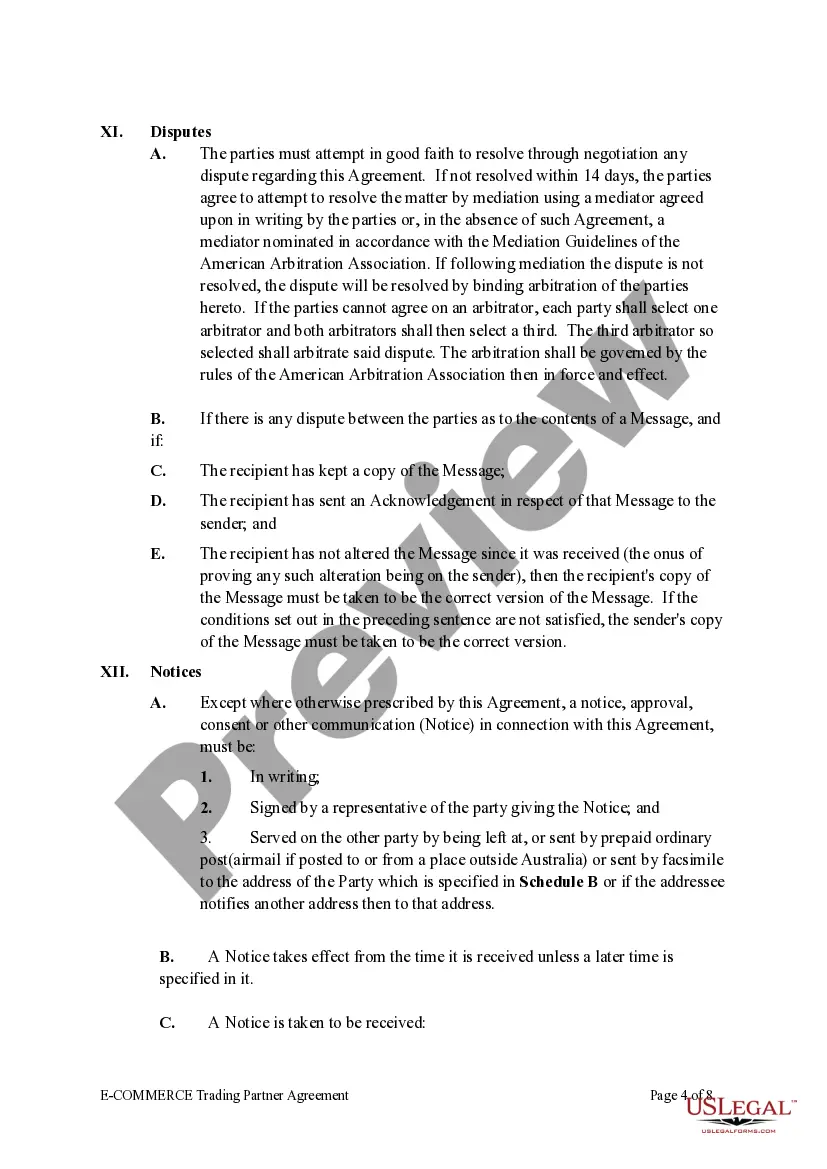
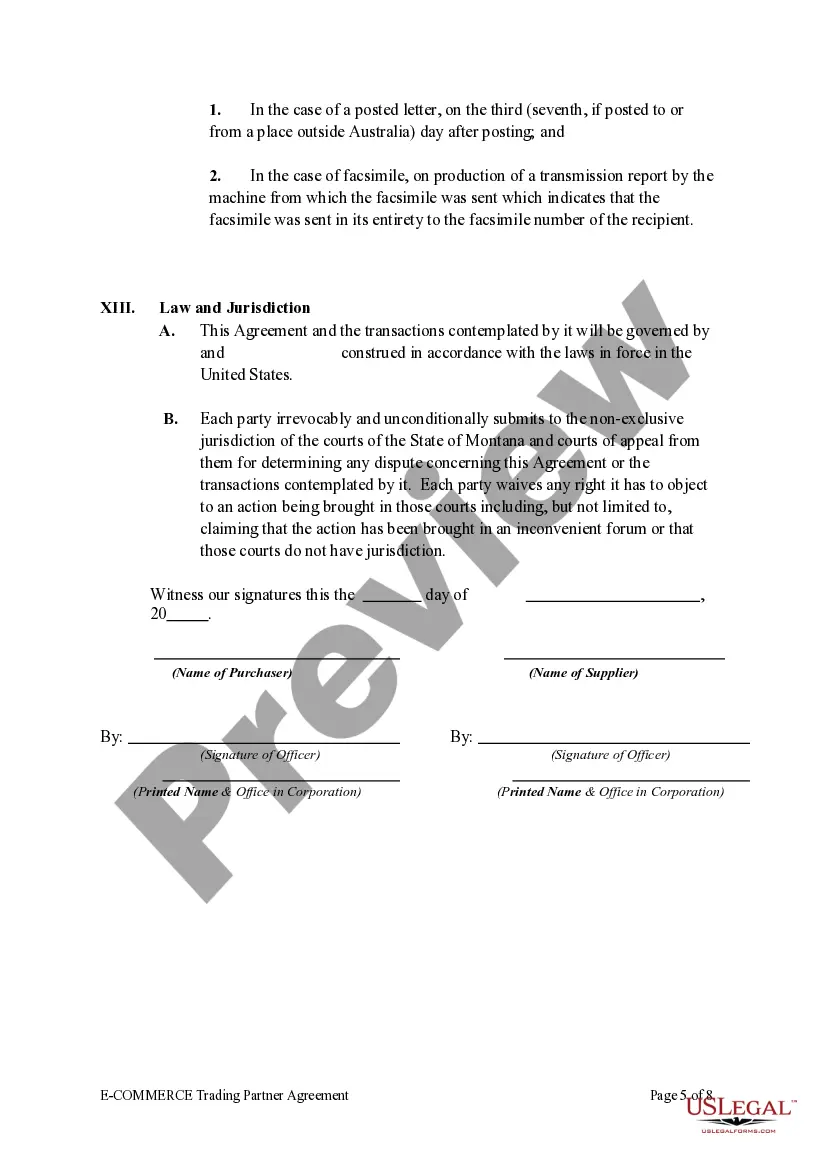
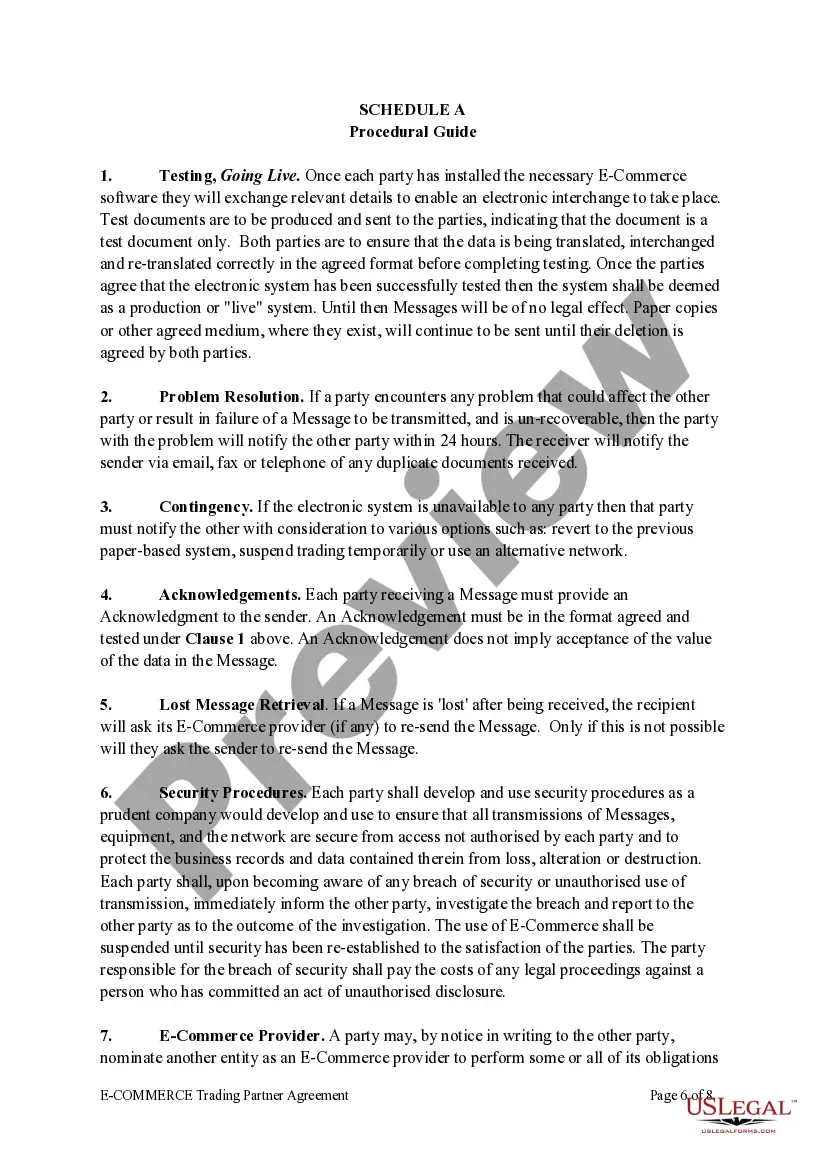
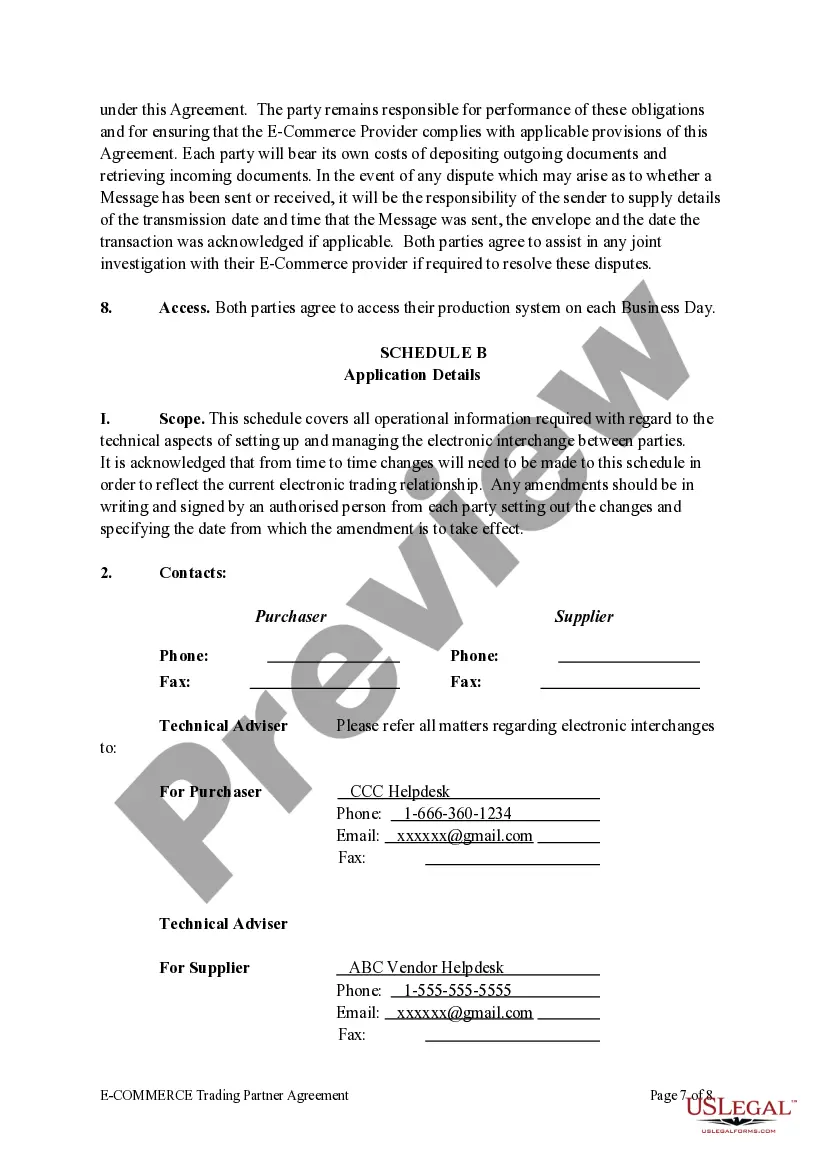

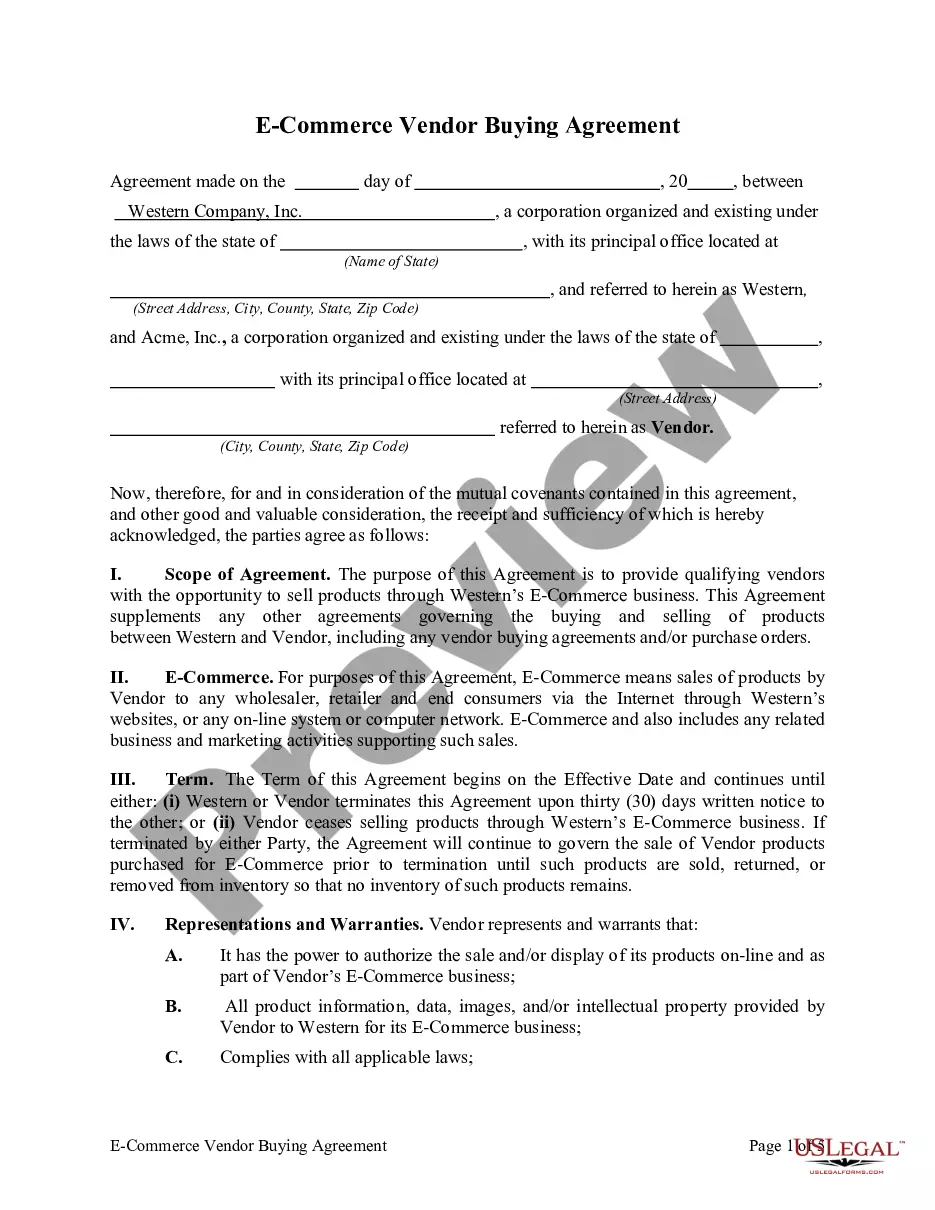
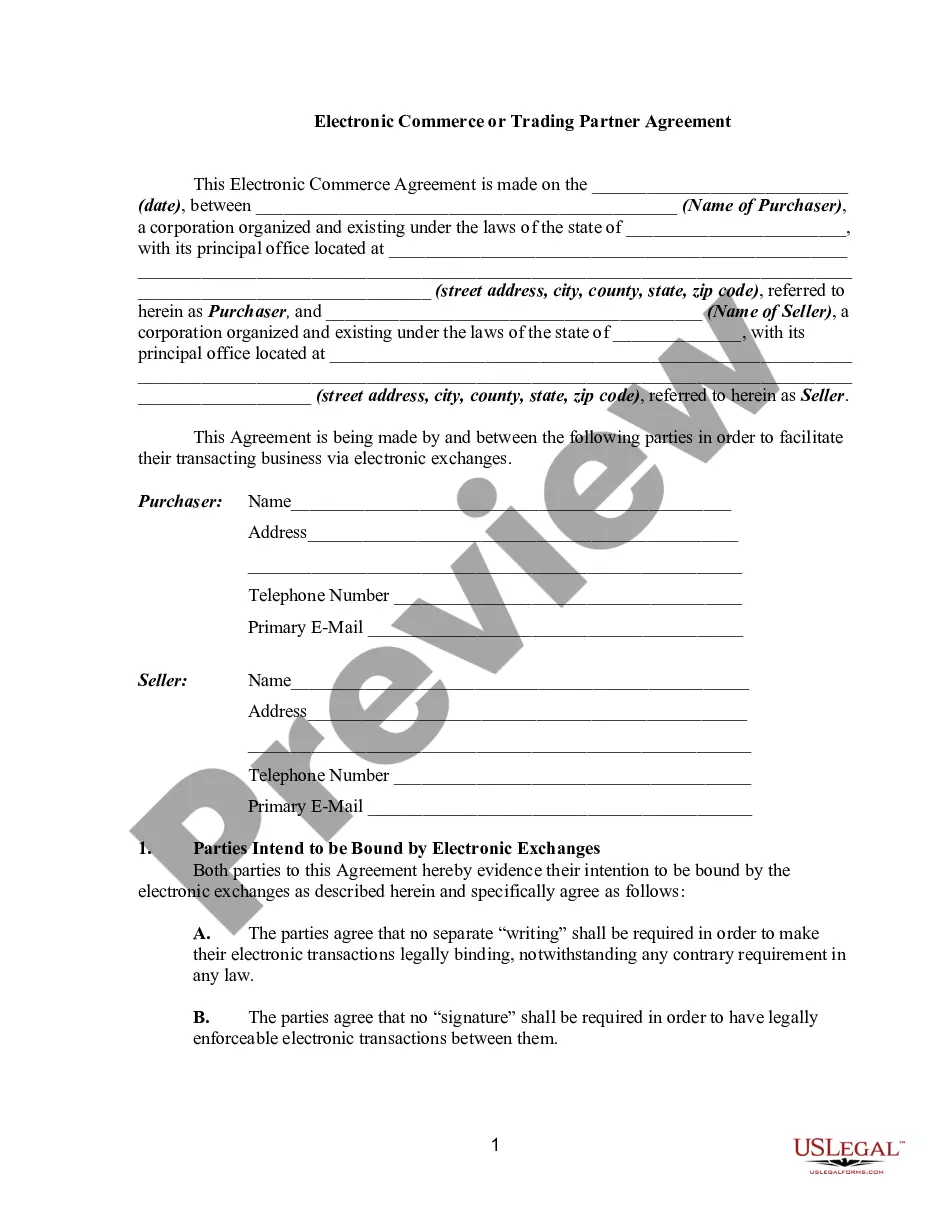

Get your form ready online
Our built-in tools help you complete, sign, share, and store your documents in one place.
Make edits, fill in missing information, and update formatting in US Legal Forms—just like you would in MS Word.
Download a copy, print it, send it by email, or mail it via USPS—whatever works best for your next step.
Sign and collect signatures with our SignNow integration. Send to multiple recipients, set reminders, and more. Go Premium to unlock E-Sign.
If this form requires notarization, complete it online through a secure video call—no need to meet a notary in person or wait for an appointment.
We protect your documents and personal data by following strict security and privacy standards.

Make edits, fill in missing information, and update formatting in US Legal Forms—just like you would in MS Word.

Download a copy, print it, send it by email, or mail it via USPS—whatever works best for your next step.

Sign and collect signatures with our SignNow integration. Send to multiple recipients, set reminders, and more. Go Premium to unlock E-Sign.

If this form requires notarization, complete it online through a secure video call—no need to meet a notary in person or wait for an appointment.

We protect your documents and personal data by following strict security and privacy standards.
Looking for another form?

Form popularity
FAQ
Ohio law requires any person or business making retail sales of tangible personal property or taxable services to obtain a vendor's license. Any out-of-state person or business making similar retail sales is required to register for a seller's use tax account.
You can register for an Ohio sales tax permit in one of two ways: Register online at the Ohio Business Gateway. In state based sellers: Choose “County Vendor's license.” Out of state based sellers: Choose “ Ohio Taxation – New Account Registration and Fuel Permit” and then Choose “Sellers Registration.”
The state sales and use tax rate is 5.75 percent.
If your company sells products that qualify to be taxed, most states require you to obtain a seller's permit or vendor's license — whether your online store has a physical location or is online-only. You'll need to collect sales tax, which is what a seller's permit allows you to do.
Here's how to get started. Step 1: Research e-commerce models and decide what to sell. Step 2: Write a business plan. Step 3: Choose a business name and start building your brand. Step 4: Register your business. Step 5: Create your e-commerce business website. Step 6: Source and develop your products or services.
An individual can start an eCommerce business for a small amount of $500-$1,000, but if you want to thrive in it with proper marketing and advertisement, then it will range from $12,479-$39,800.
The state sales and use tax rate is 5.75 percent.
As the marketplace facilitator, Amazon will now be responsible to calculate, collect, remit, and refund state sales tax on sales sold by third party sellers for transactions destined to states where Marketplace Facilitator and/or Marketplace collection legislation is enacted.
Ohio exempts digital advertising from sales and use tax. On July 12, 2016, Governor John Kasich signed House Bill 466 (HB 466) into law and, in doing so, exempts digital advertising services from sales and use tax.
