E-commerce Rules In Michigan
Description

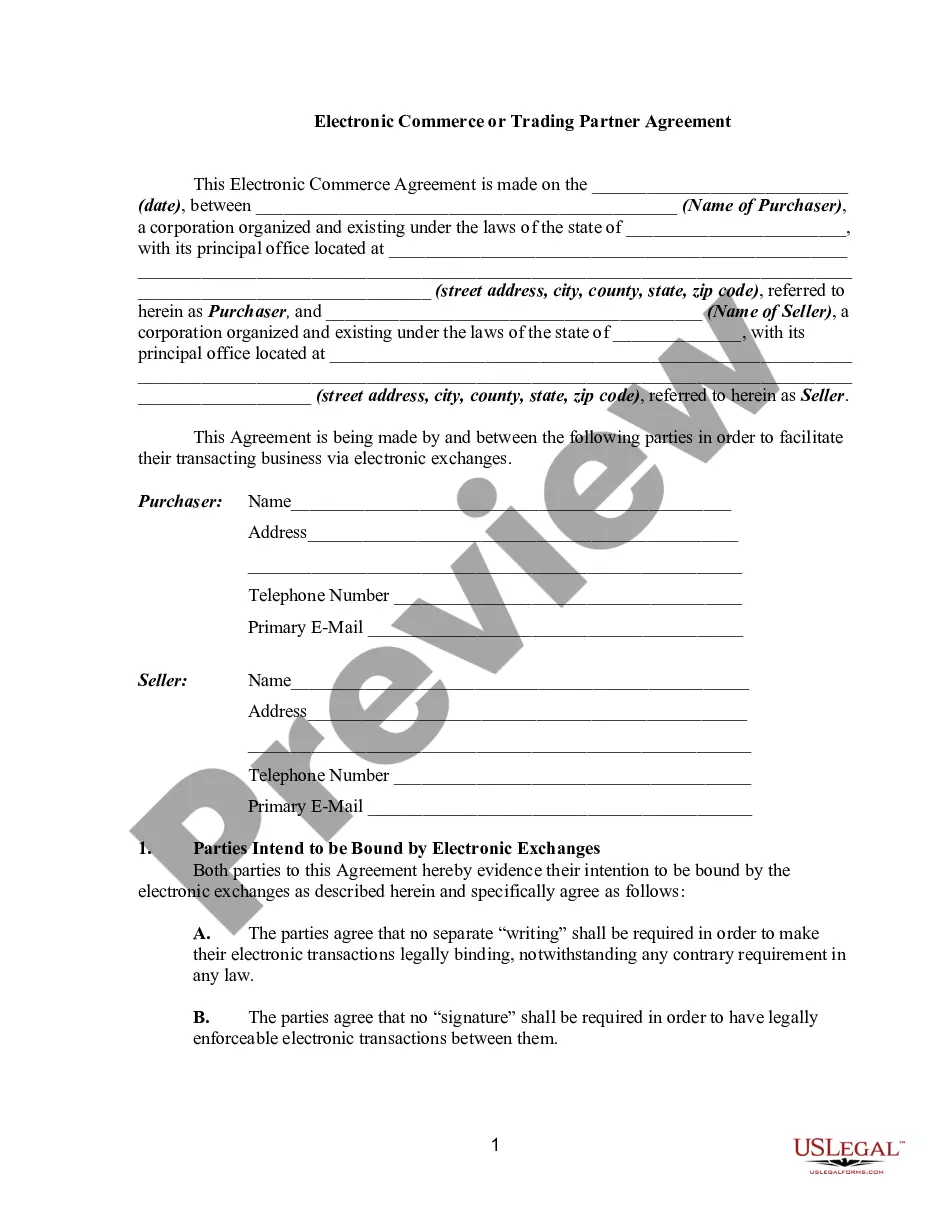
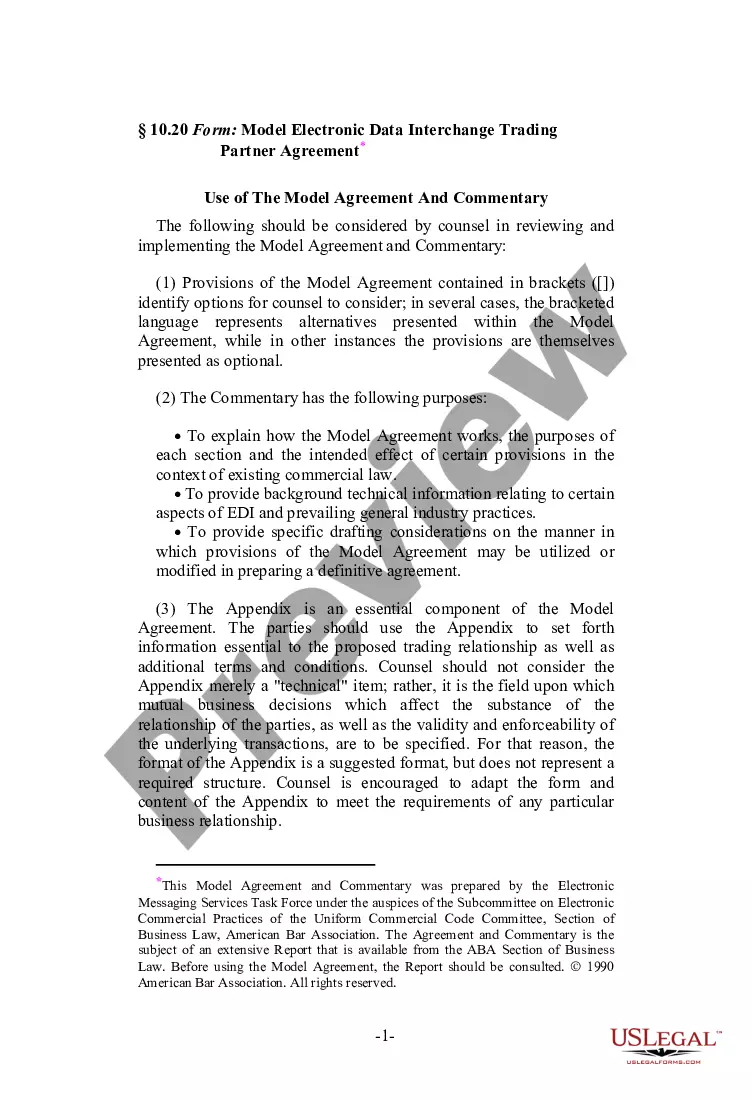
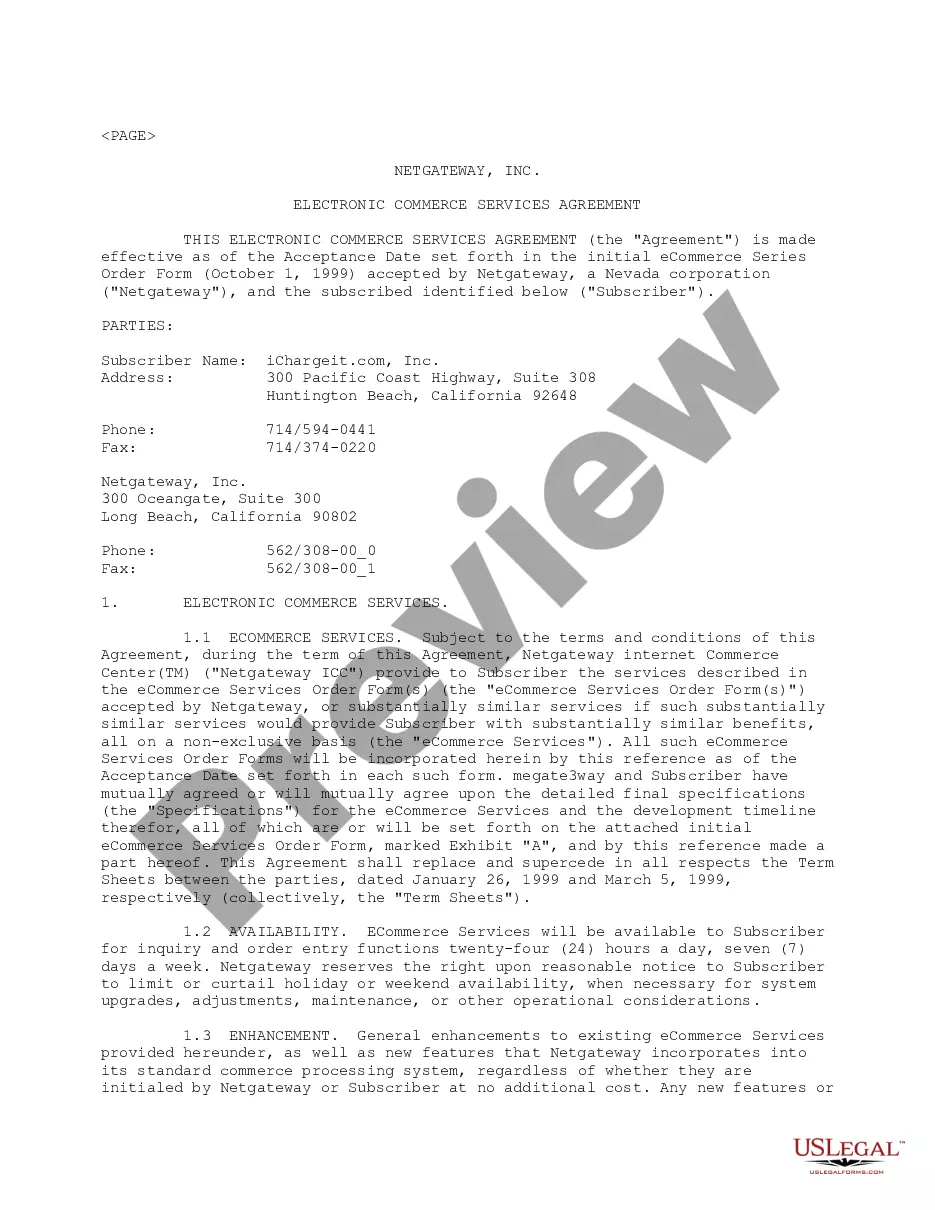
Get your form ready online
Our built-in tools help you complete, sign, share, and store your documents in one place.
Make edits, fill in missing information, and update formatting in US Legal Forms—just like you would in MS Word.
Download a copy, print it, send it by email, or mail it via USPS—whatever works best for your next step.
Sign and collect signatures with our SignNow integration. Send to multiple recipients, set reminders, and more. Go Premium to unlock E-Sign.
If this form requires notarization, complete it online through a secure video call—no need to meet a notary in person or wait for an appointment.
We protect your documents and personal data by following strict security and privacy standards.

Make edits, fill in missing information, and update formatting in US Legal Forms—just like you would in MS Word.

Download a copy, print it, send it by email, or mail it via USPS—whatever works best for your next step.

Sign and collect signatures with our SignNow integration. Send to multiple recipients, set reminders, and more. Go Premium to unlock E-Sign.

If this form requires notarization, complete it online through a secure video call—no need to meet a notary in person or wait for an appointment.

We protect your documents and personal data by following strict security and privacy standards.
Looking for another form?



Form popularity
FAQ
In Michigan, that tax is called the "use tax" but might be more aptly described as a remote sales tax because it is a 6 percent tax owed on sales made remotely (i.e. outside of Michigan.) The use tax is not a new law; it was enacted in 1937.
All businesses, whether they are online-only businesses, small businesses, or bigger retail chains, cannot legally do business without a seller's permit in Michigan.
If your company sells products that qualify to be taxed, most states require you to obtain a seller's permit or vendor's license — whether your online store has a physical location or is online-only. You'll need to collect sales tax, which is what a seller's permit allows you to do.
Michigan does require every business owner, even online businesses who are selling products to have a tax permit. Other permits which may be required include: Zoning permits — may be required. All zoning requirements should be verified before you decide where to open your business.
Follow the prompts to create a user profile with the Michigan Treasury Online website. Once you have a Michigan Treasury Online login, you will need to connect your business account to your sales account. A paper copy of your Sales and Use License will arrive at your mailing address within 8-10 business days.
All businesses, whether they are online-only businesses, small businesses, or bigger retail chains, cannot legally do business without a seller's permit in Michigan.
You have to file an income tax return if your net earnings from self-employment were $400 or more.
The Michigan Business Tax e-file Authorization MI-8879-MBT is the declaration document and signature authorization for a State Stand Alone (unlinked) return. If you e-file your Michigan return as a Fed/State (linked) return, Michigan will accept the federal signature method.
The FTC's Bureau of Consumer Protection stops unfair, deceptive and fraudulent business practices by collecting reports from consumers and conducting investigations, suing companies and people that break the law, developing rules to maintain a fair marketplace, and educating consumers and businesses about their rights ...
