E Commerce Contract Example In Michigan
Description

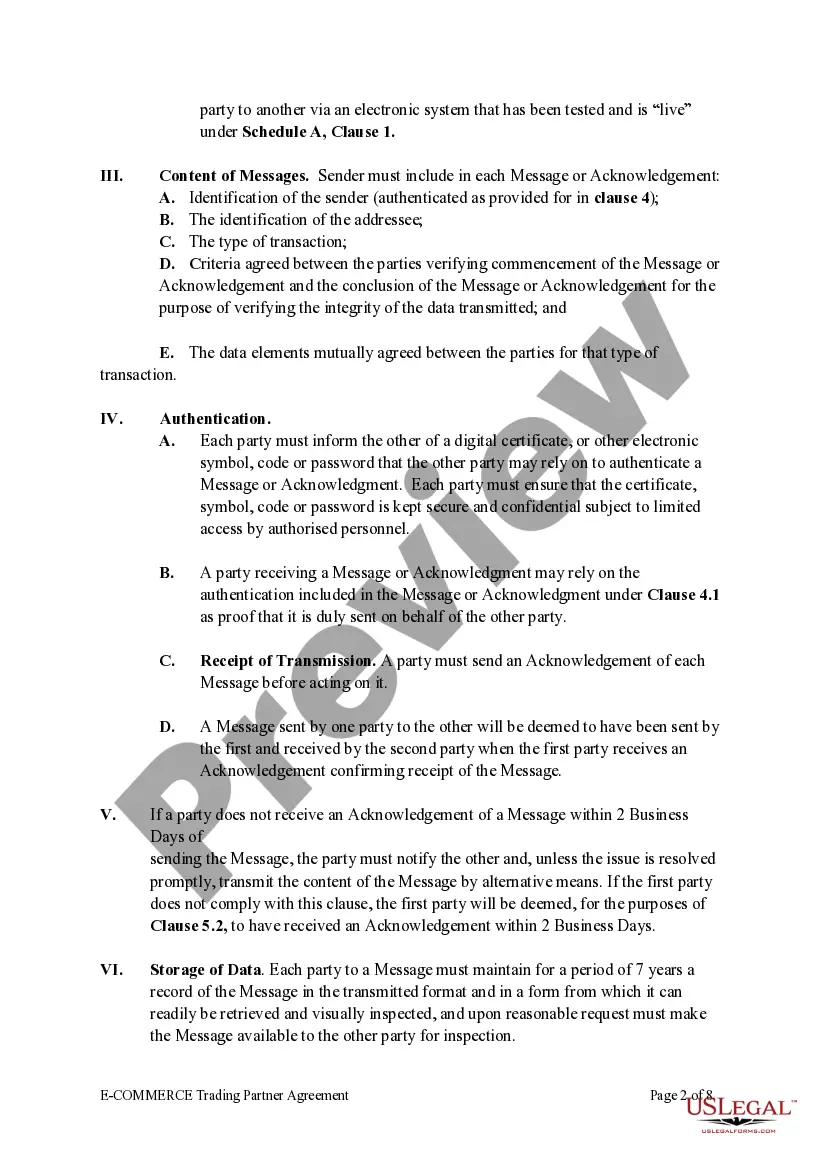
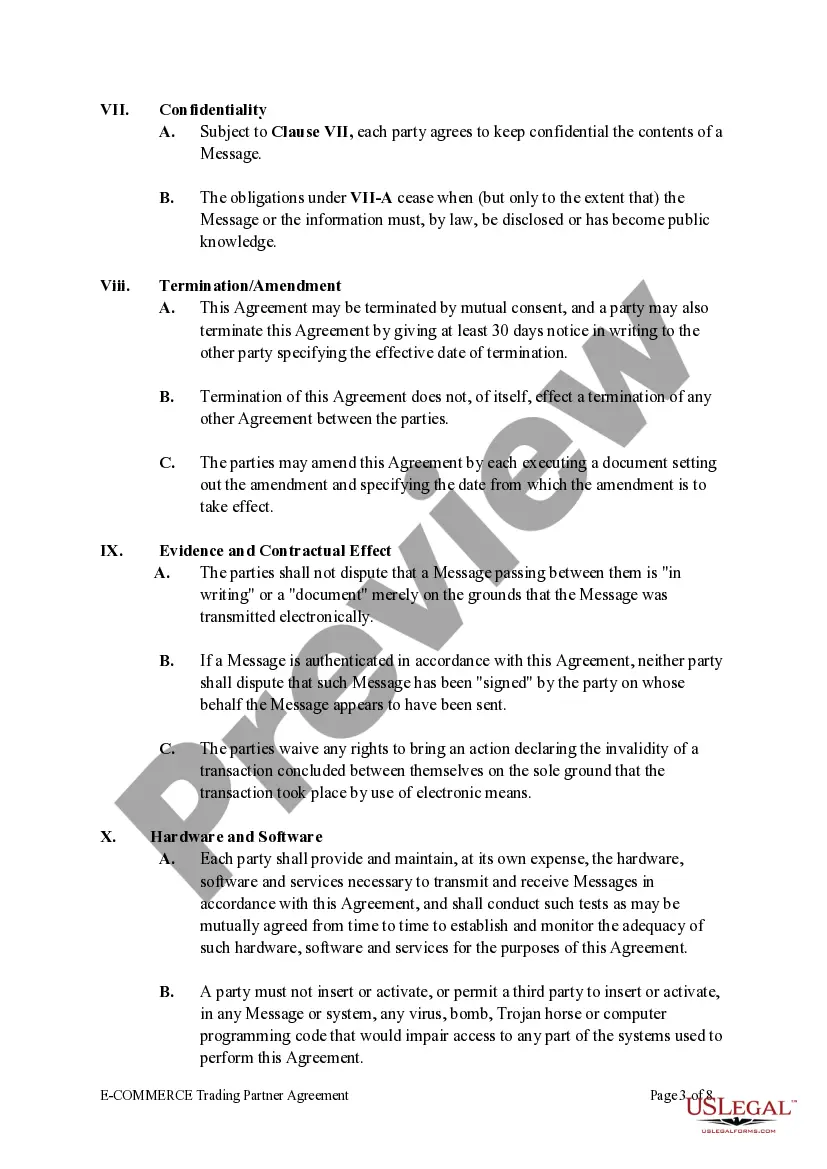
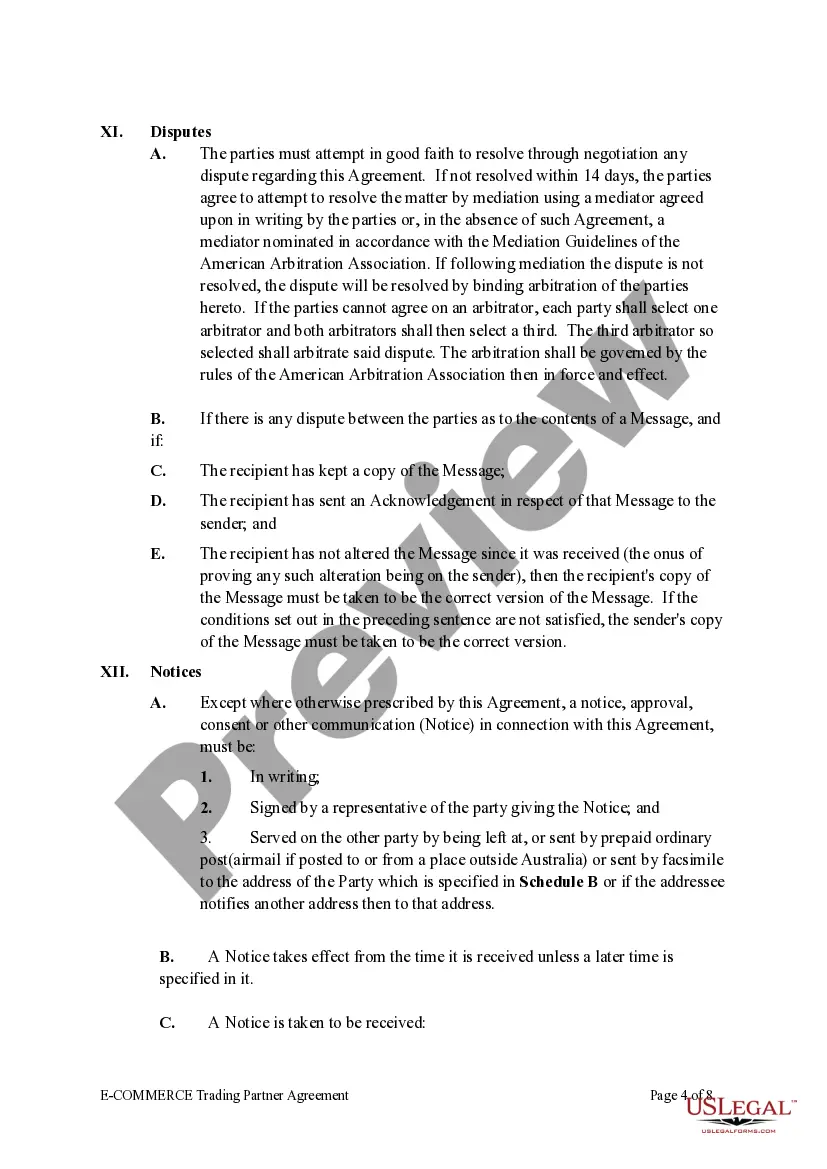
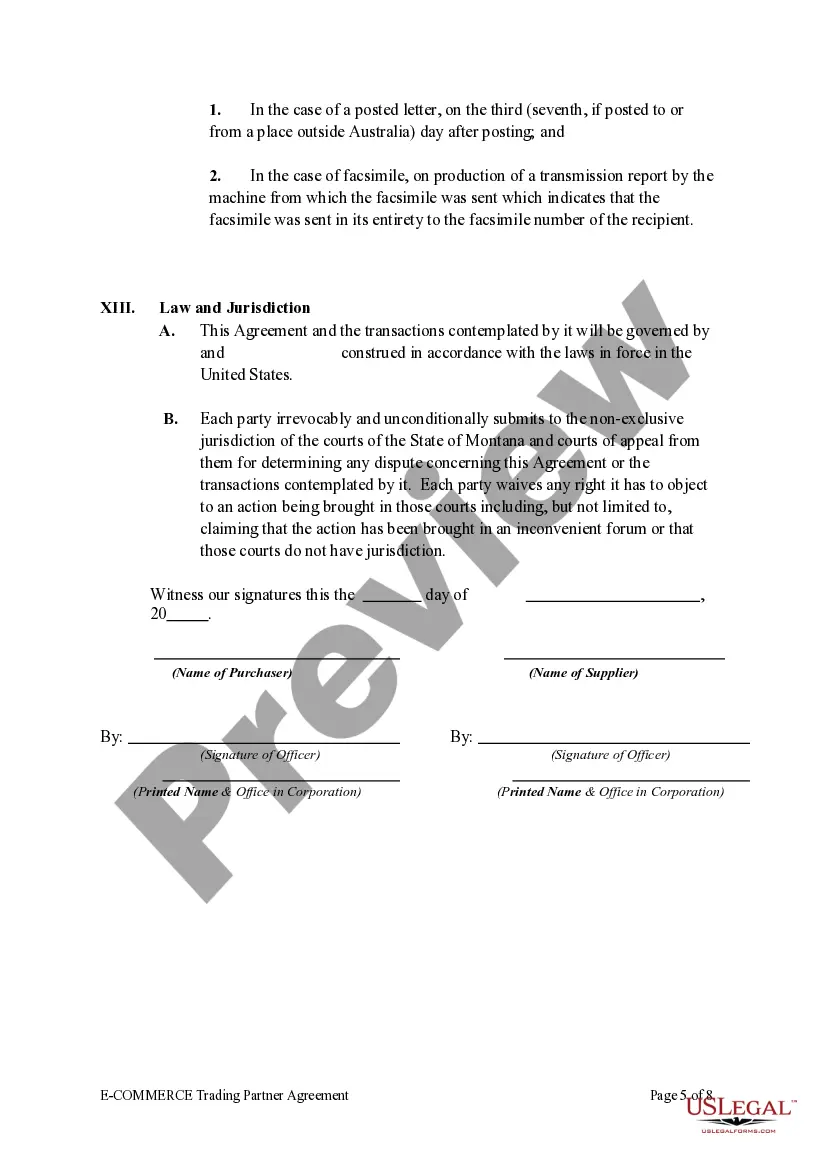
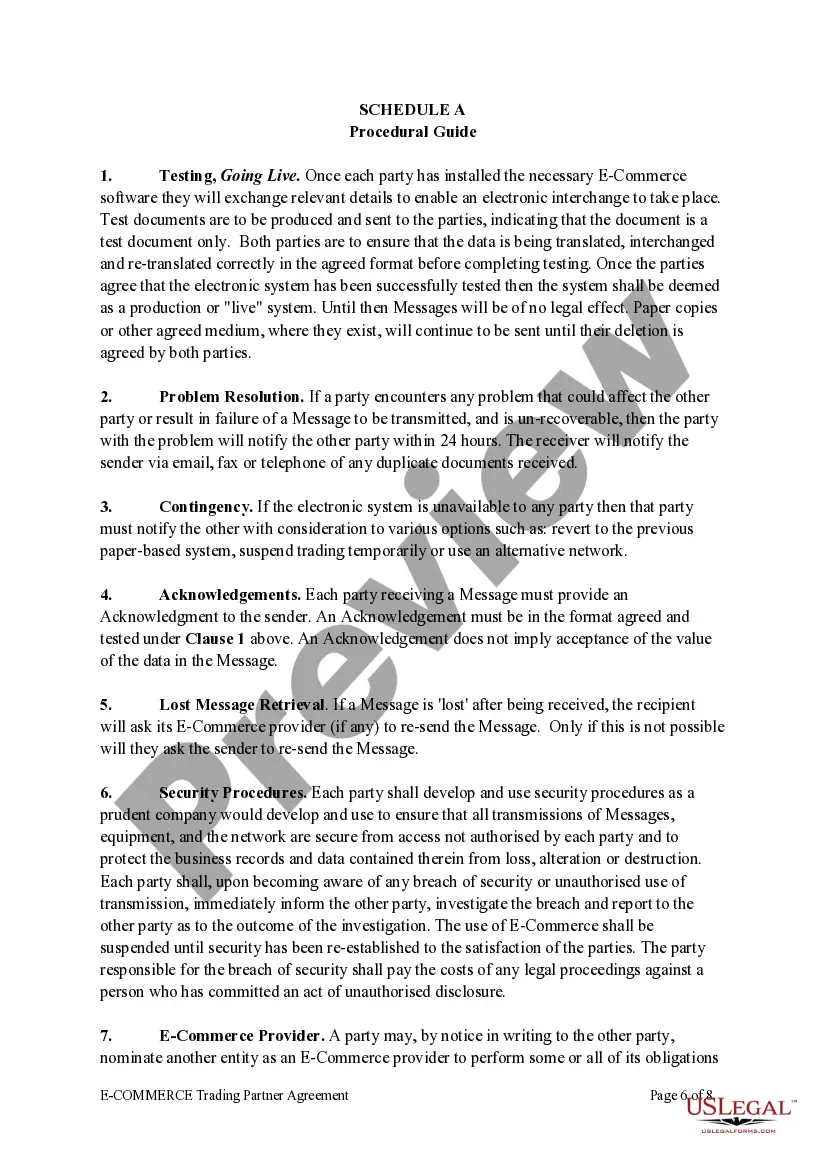
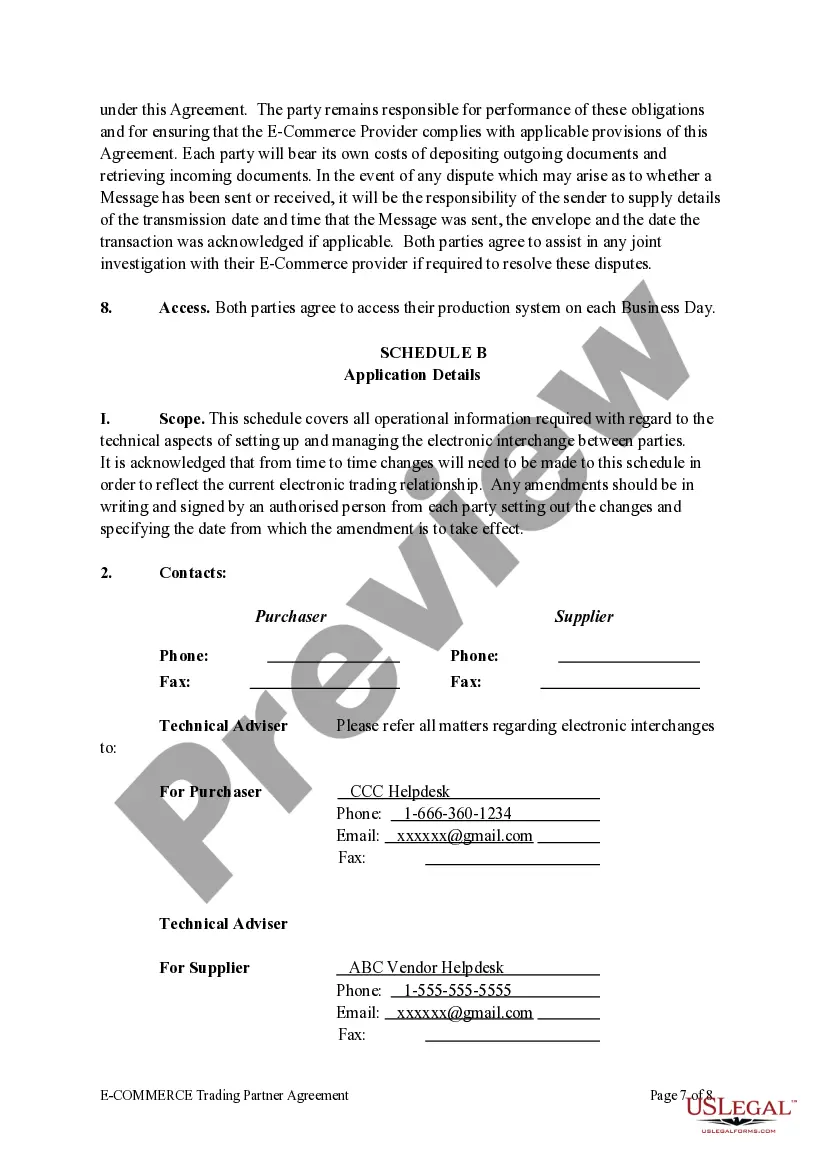


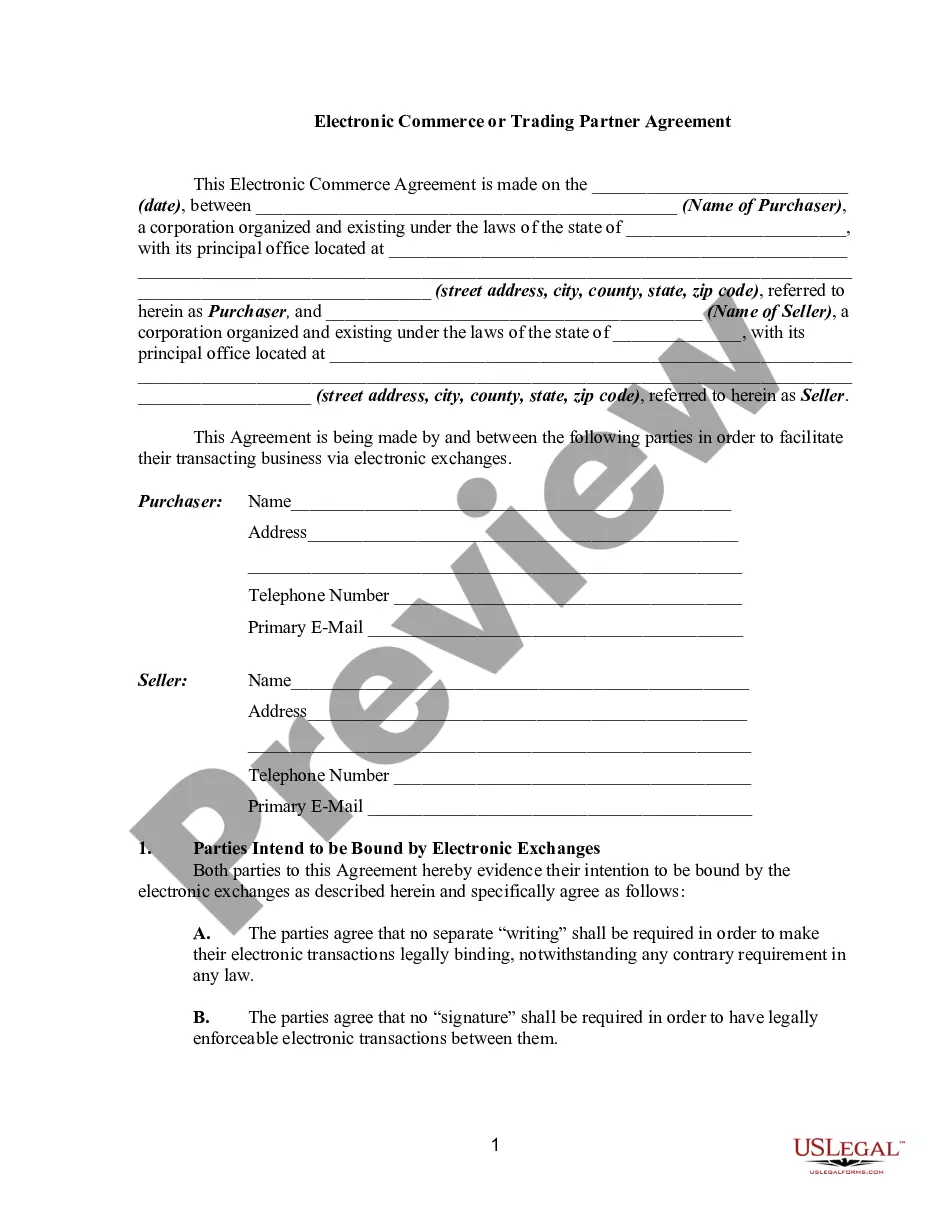
Get your form ready online
Our built-in tools help you complete, sign, share, and store your documents in one place.
Make edits, fill in missing information, and update formatting in US Legal Forms—just like you would in MS Word.
Download a copy, print it, send it by email, or mail it via USPS—whatever works best for your next step.
Sign and collect signatures with our SignNow integration. Send to multiple recipients, set reminders, and more. Go Premium to unlock E-Sign.
If this form requires notarization, complete it online through a secure video call—no need to meet a notary in person or wait for an appointment.
We protect your documents and personal data by following strict security and privacy standards.

Make edits, fill in missing information, and update formatting in US Legal Forms—just like you would in MS Word.

Download a copy, print it, send it by email, or mail it via USPS—whatever works best for your next step.

Sign and collect signatures with our SignNow integration. Send to multiple recipients, set reminders, and more. Go Premium to unlock E-Sign.

If this form requires notarization, complete it online through a secure video call—no need to meet a notary in person or wait for an appointment.

We protect your documents and personal data by following strict security and privacy standards.
Looking for another form?






Form popularity
FAQ
How to draft a contract between two parties: A step-by-step checklist Know your parties. Agree on the terms. Set clear boundaries. Spell out the consequences. Specify how you will resolve disputes. Cover confidentiality. Check the legality of the contract. Open it up to negotiation.
Yes, you can write your own contract. However, including all necessary elements is crucial to make it legally binding.
The basic elements required for the agreement to be a legally enforceable contract are: mutual assent, expressed by a valid offer and acceptance; adequate consideration; capacity; and legality.
Contracts entered through the exchange of e-mails, shrink-wrap contracts, clickwrap contracts, etc. are some of examples of electronic contracts. Electronic contracts are governed by various laws like the Indian Contract Act, 1872, Information Technology Act, 2000, and Indian Evidence Act, 1872.
The foundation of any contract, verbal or written, is a valid offer and acceptance. A key part of this is that there must be sufficient information about the offer and its acceptance to allow a court to specifically determine what is being offered as well as what is being asked for in return.
General features. Justinian identifies four types of real contract – contracts in re (in a thing) – mutuum, commodatum, depositum and pignus. Common to all four was an agreement, and the delivery of a res corporalis. They are in contrast to consensual and inominate contracts.
Contracts entered through the exchange of e-mails, shrink-wrap contracts, clickwrap contracts, etc. are some of examples of electronic contracts. Electronic contracts are governed by various laws like the Indian Contract Act, 1872, Information Technology Act, 2000, and Indian Evidence Act, 1872.
450.837 Record or signature in electronic form; legal effect; enforcement. Sec. 7. (1) A record or signature shall not be denied legal effect or enforceability solely because it is in electronic form.
An electronic contract (e-contract) is simply a contract created using electronic means. Like physical contracts, e-contracts have three components: Offer. The set of terms and conditions presented by the party that drafted the contract. Acceptance.
Examples of Electronic Contracts Electronic contracts typically take the following forms: Clickwrap agreements: By clicking "I accept," a user is bound to an electronic contract. Through a browsewrap, the user explicitly consents to the agreement, not implicitly.
