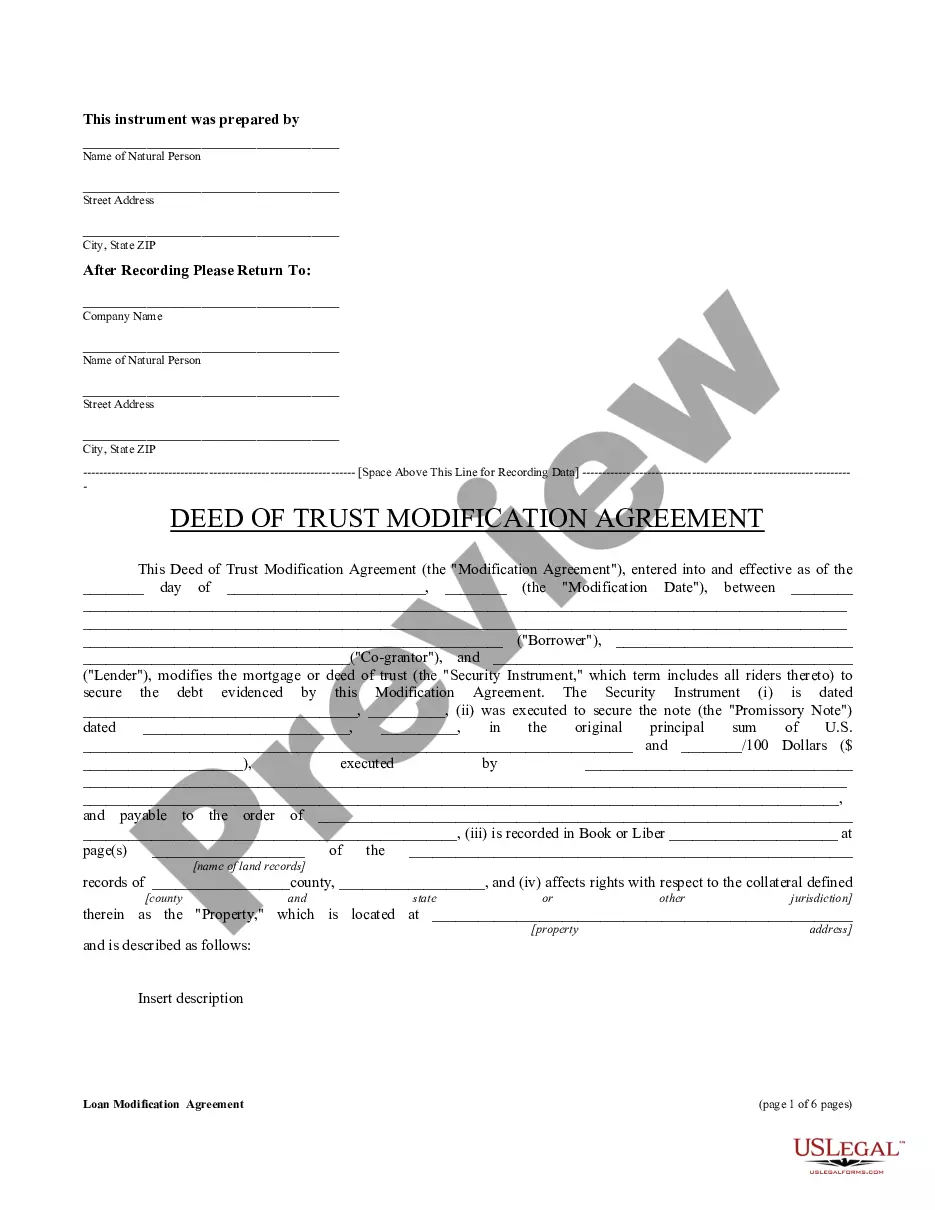
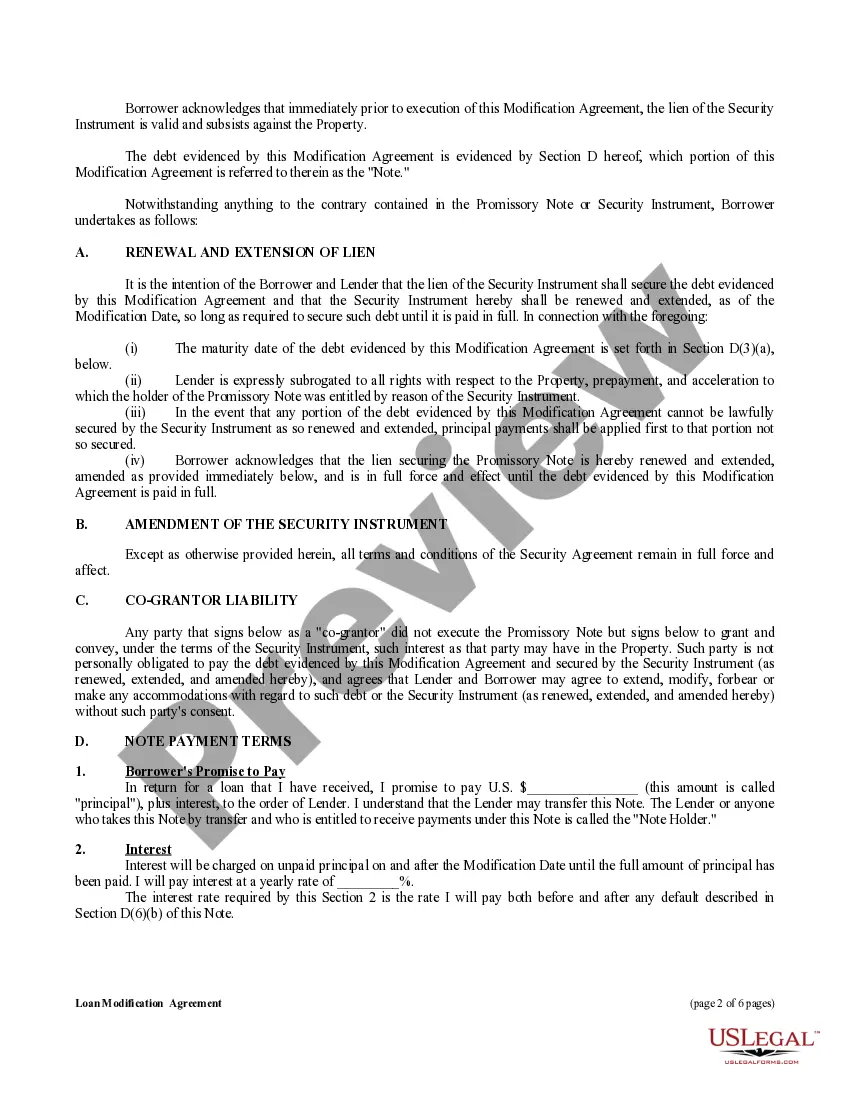
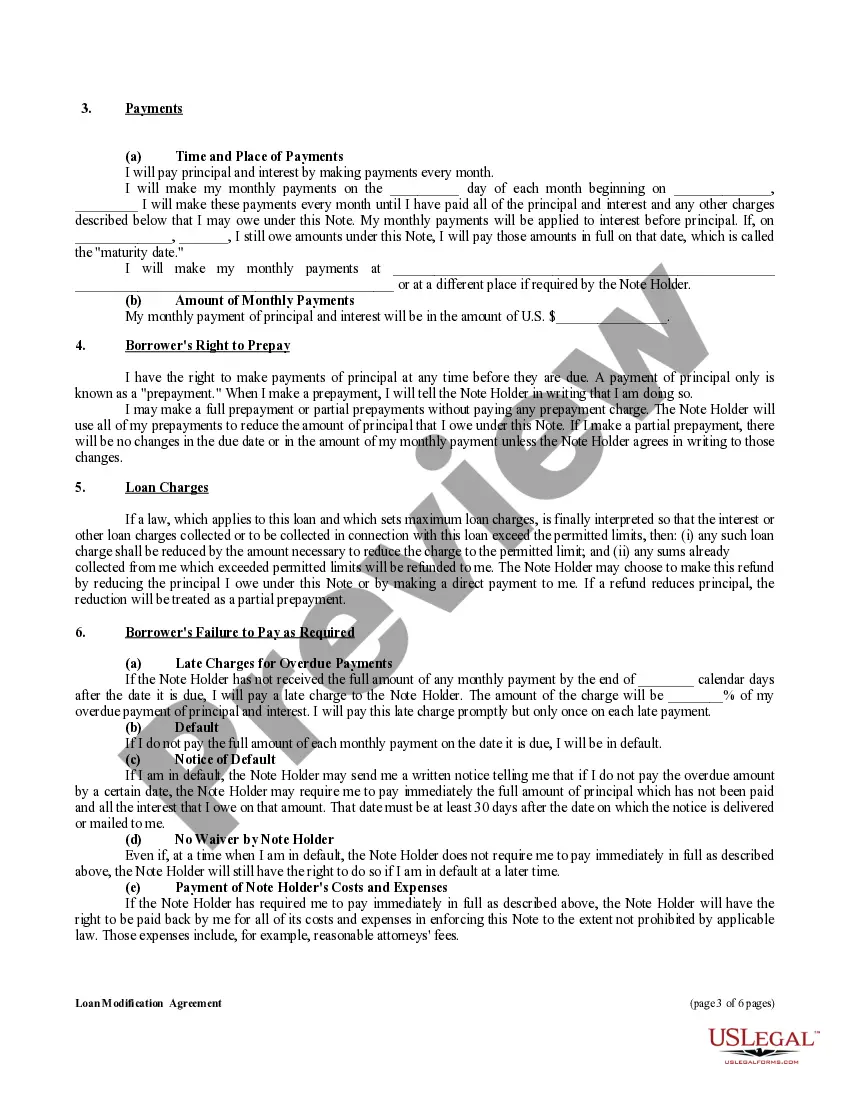
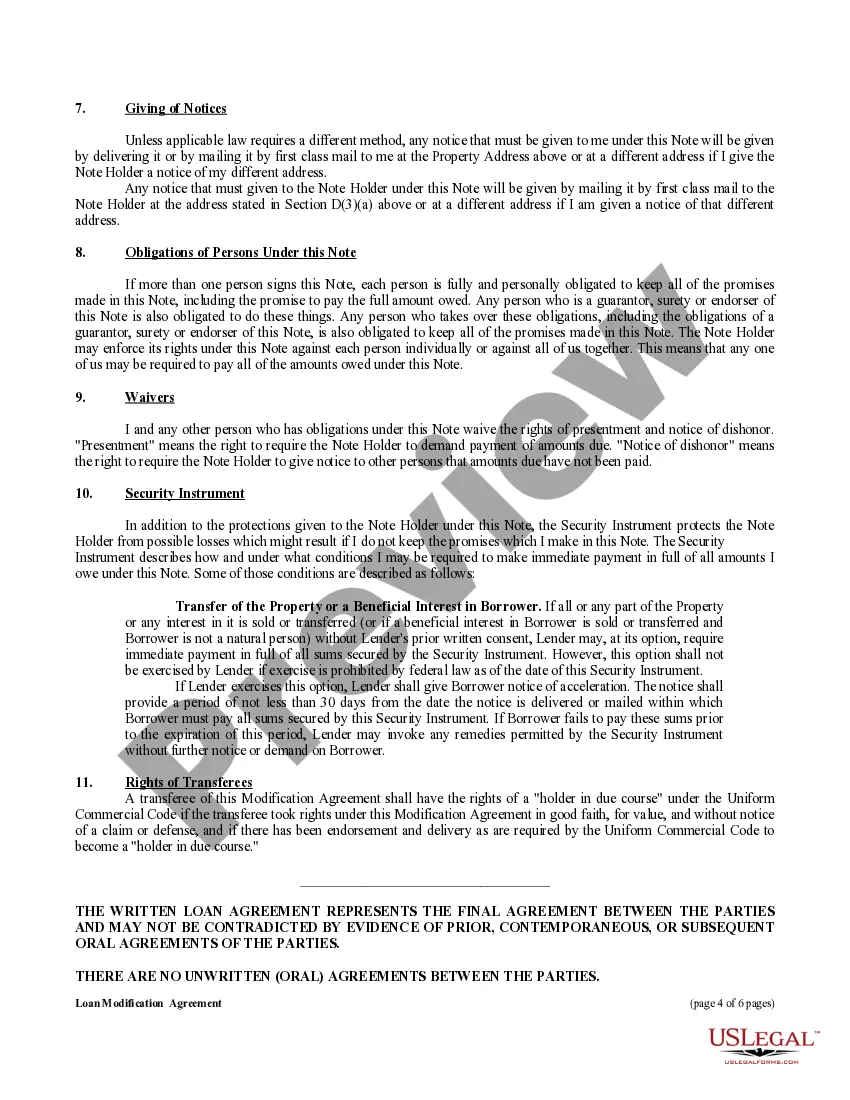
Deeds Of Trust For Npo In Michigan
Description
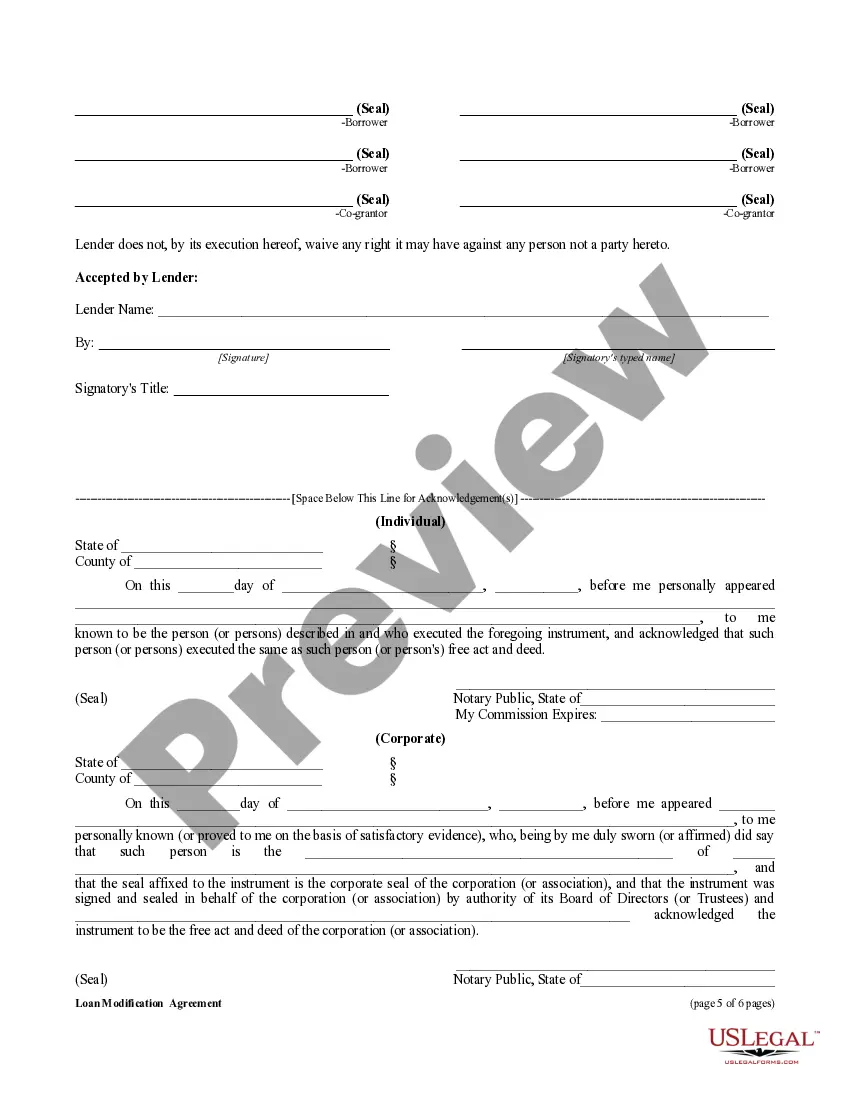
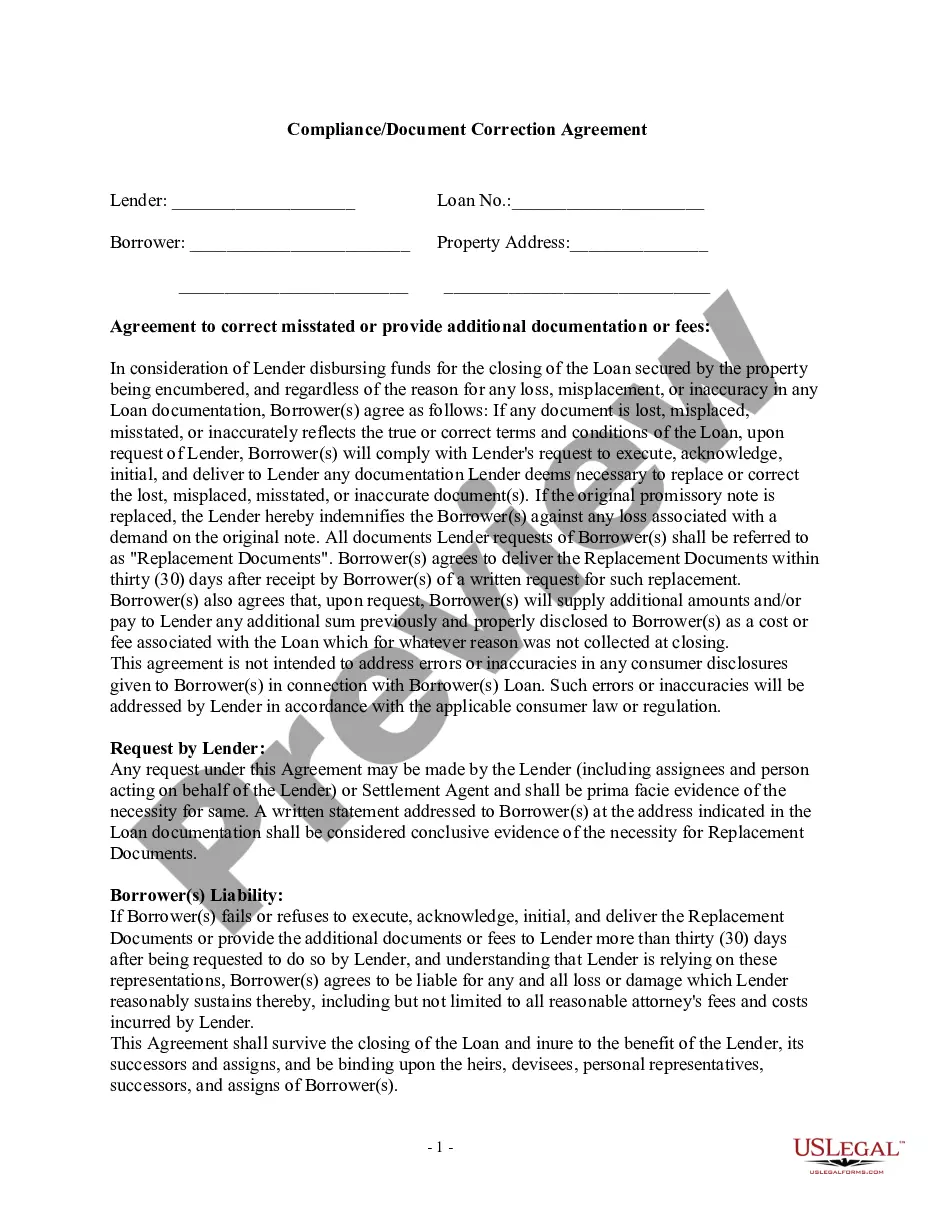
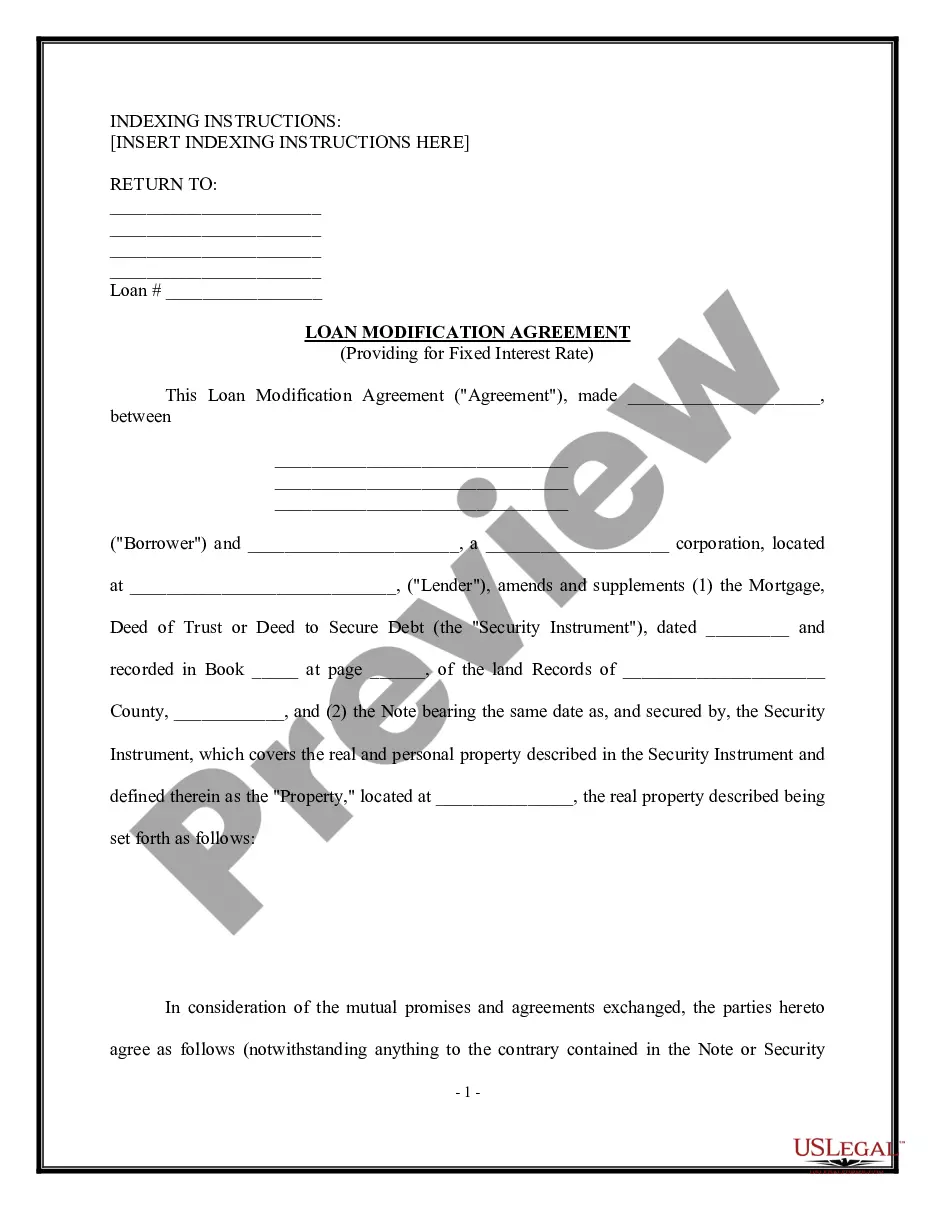
Get your form ready online
Our built-in tools help you complete, sign, share, and store your documents in one place.
Make edits, fill in missing information, and update formatting in US Legal Forms—just like you would in MS Word.
Download a copy, print it, send it by email, or mail it via USPS—whatever works best for your next step.
Sign and collect signatures with our SignNow integration. Send to multiple recipients, set reminders, and more. Go Premium to unlock E-Sign.
If this form requires notarization, complete it online through a secure video call—no need to meet a notary in person or wait for an appointment.
We protect your documents and personal data by following strict security and privacy standards.

Make edits, fill in missing information, and update formatting in US Legal Forms—just like you would in MS Word.

Download a copy, print it, send it by email, or mail it via USPS—whatever works best for your next step.

Sign and collect signatures with our SignNow integration. Send to multiple recipients, set reminders, and more. Go Premium to unlock E-Sign.

If this form requires notarization, complete it online through a secure video call—no need to meet a notary in person or wait for an appointment.

We protect your documents and personal data by following strict security and privacy standards.
Looking for another form?
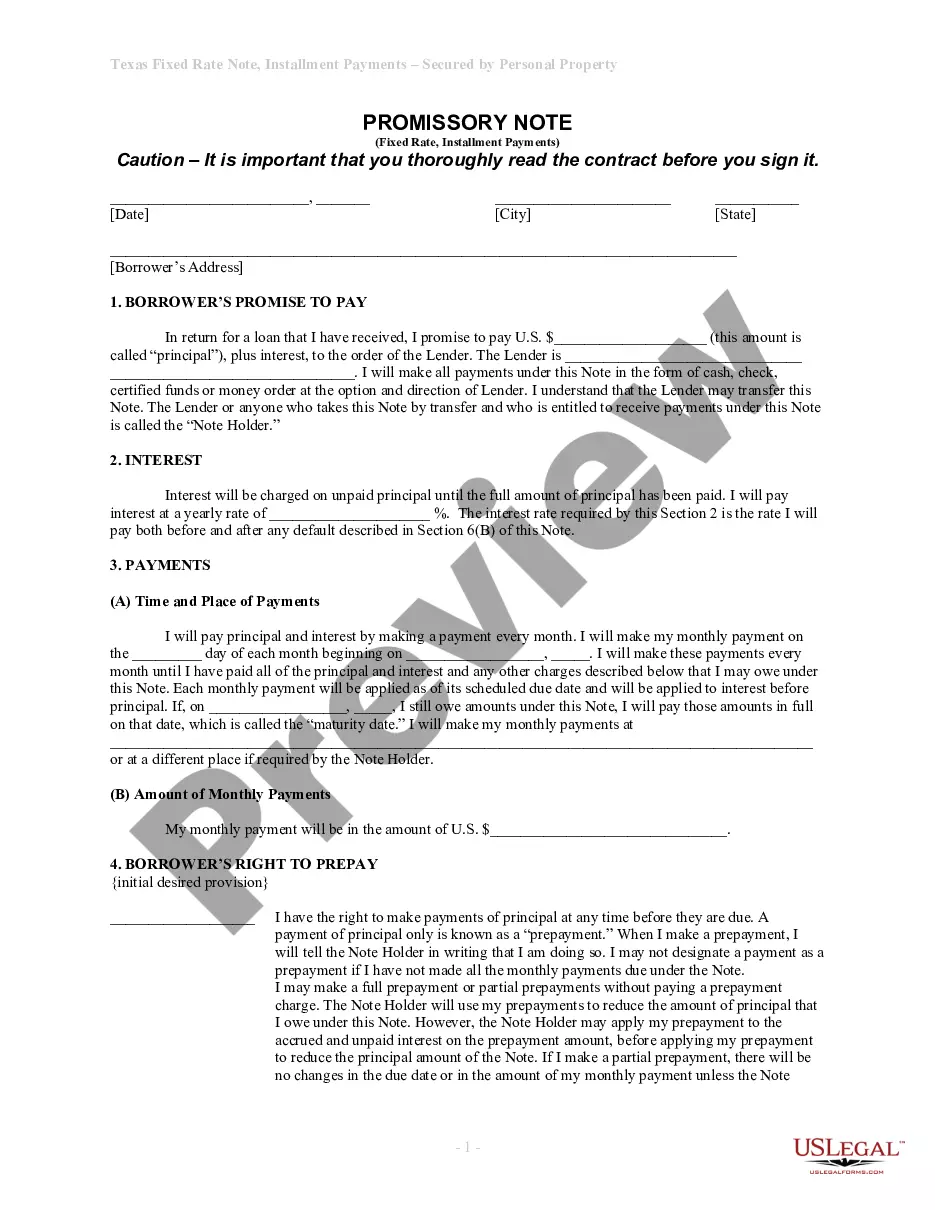
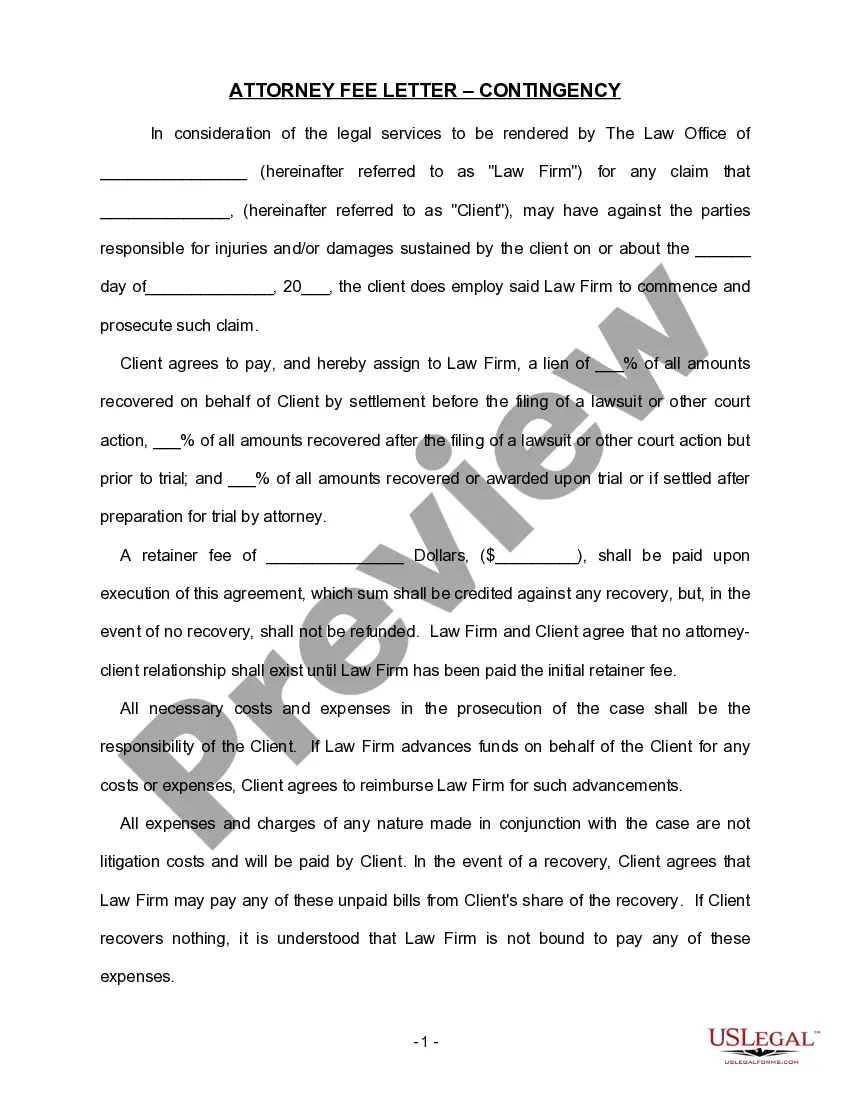
Form popularity
FAQ
TRUST STRUCTURE Whereas a not-for-profit corporate foundation is established by a donor and managed by its members and their subordinates, a trust is established by a donor who makes a gift to one or more trustees.
Non-charitable purpose trusts (“Purpose Trusts”) have become an increasingly important part of the Trusts (Jersey) Law 1984, as amended (the “Trusts Law”). Unlike traditional trusts, Purpose Trusts do not have beneficiaries. Instead they are established for specified non-charitable purposes (“purposes”).
Non-profit corporations are often termed "non-stock corporations." They can take the form of a corporation, an individual enterprise (for example, individual charitable contributions), unincorporated association, partnership, foundation (distinguished by its endowment by a founder, it takes the form of a trusteeship), ...
Nonprofits may be LLCs or utilize a trust structure. Even in these cases, there are no stocks allowing for ownership, so responsibility becomes that of the board of directors or trustees, who oversee the legalities of an organization.
The Michigan statute does not require the trust document to be filed as part of the registration. To register the trust, the trustee files a statement that includes the trustee's name and address and acknowledges the trusteeship.
The overwhelming majority of 501(c)(3) organizations are nonprofit corporations. However, entities that can seek 501(c)(3) determination from the IRS include: Corporations. Trusts.
Non-profit trustees are an excellent option in some cases, but with much local variation. Before giving blanket advice about the non-profit alternatives, an attorney will need to know more about the beneficiary's condition, the size and source of the trust, and the expectations of family members and caretakers.
Corporations, Securities & Commercial Licensing Bureau.
A board of directors, also known as a nonprofit board, is the governing body of a nonprofit. The members of a nonprofit board focus on the high-level strategy, oversight, and accountability of the organization. This contrasts with employees or managers who oversee the day-to-day operations of the nonprofit.
In order for a trust to be valid the settlor must actually transfer assets into the trust. This is done by both listing the assets on the schedules attached to the trust and by taking physical steps to change the title of those assets. If the trust is not funded then it will fail.