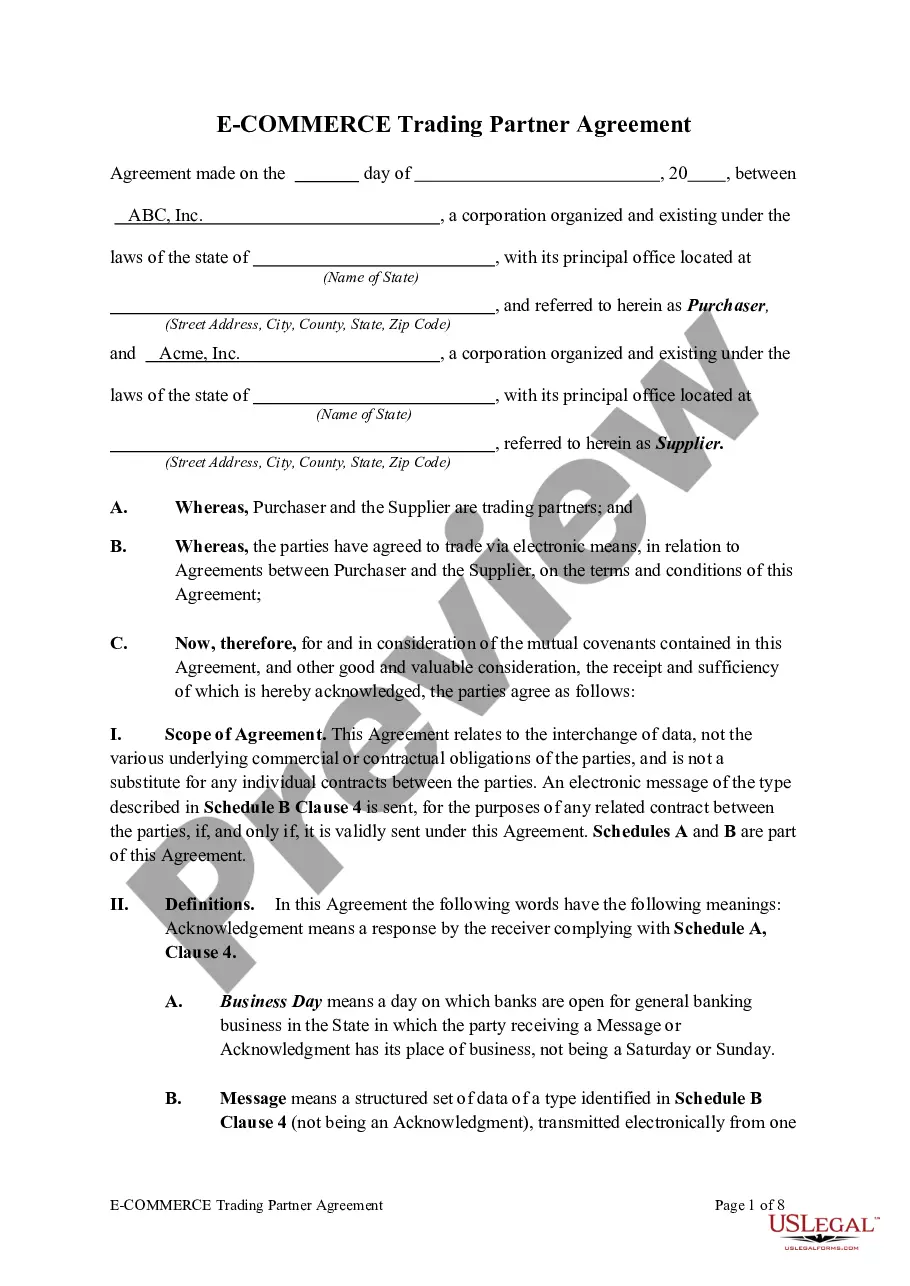
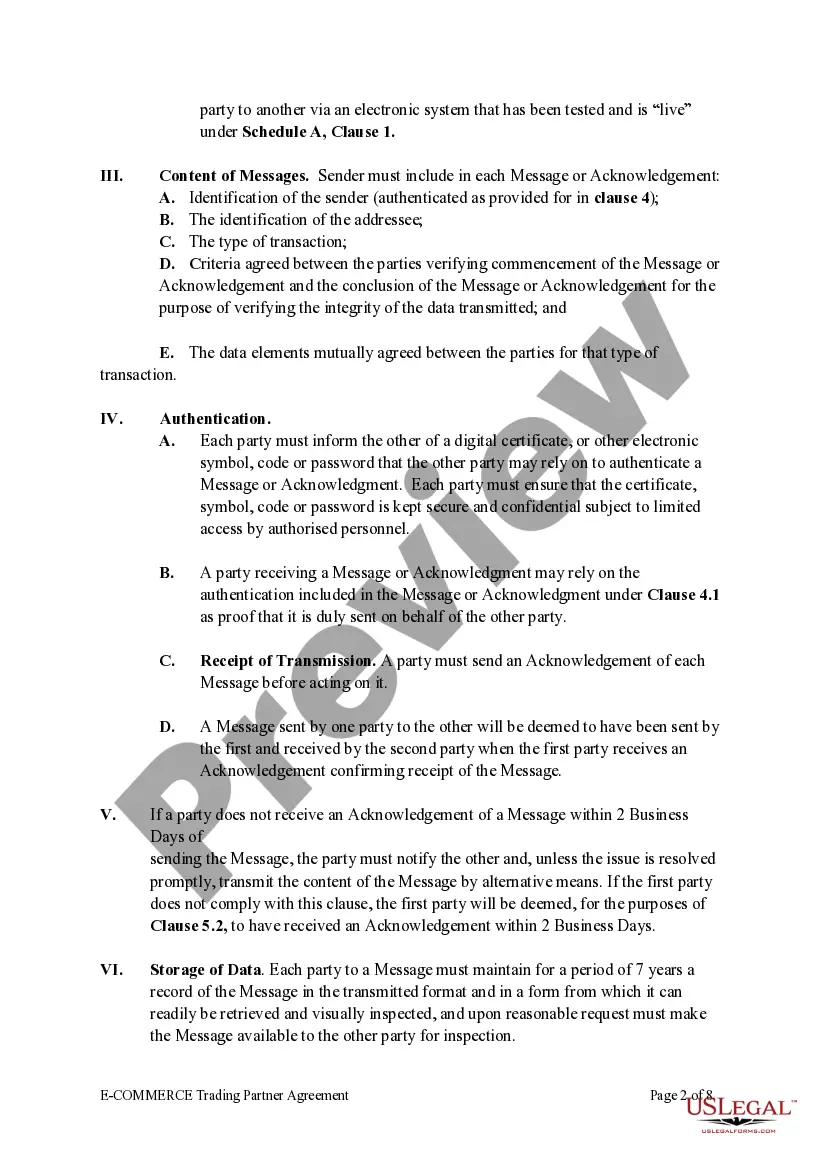
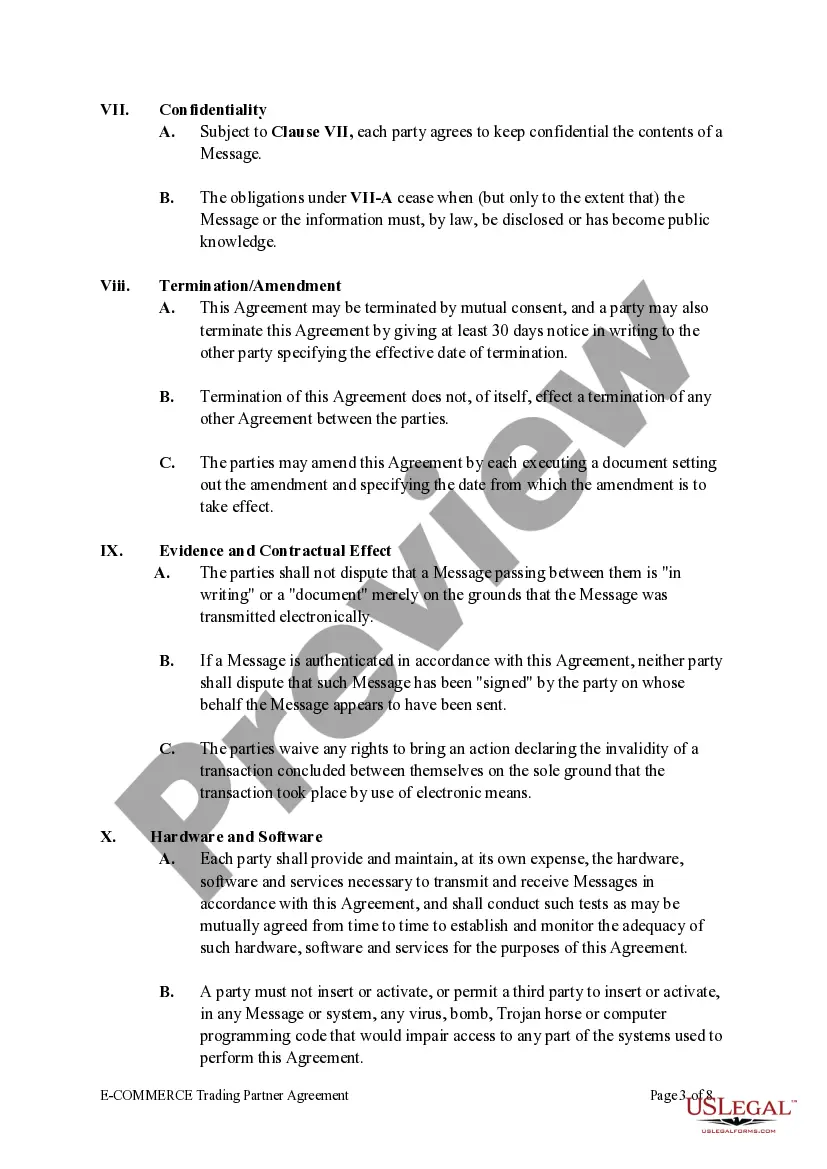
E Commerce Agreement For Sale In Los Angeles
Description
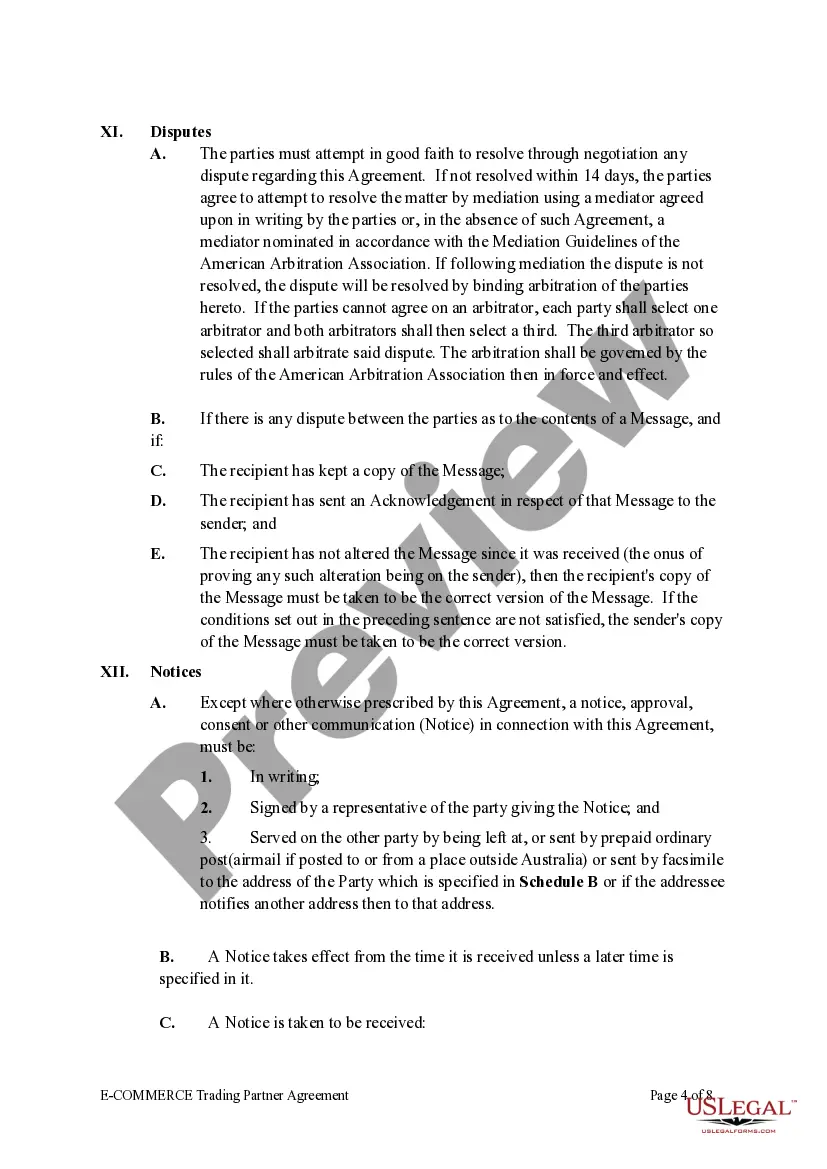
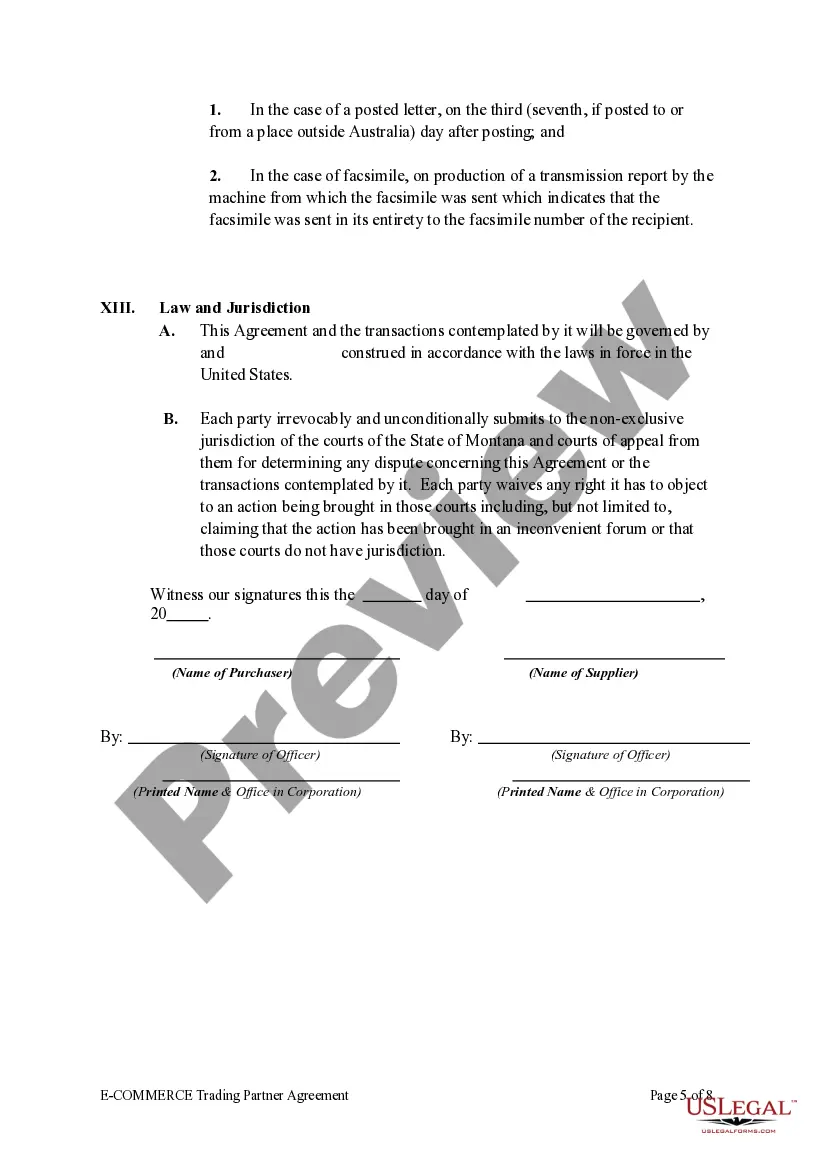
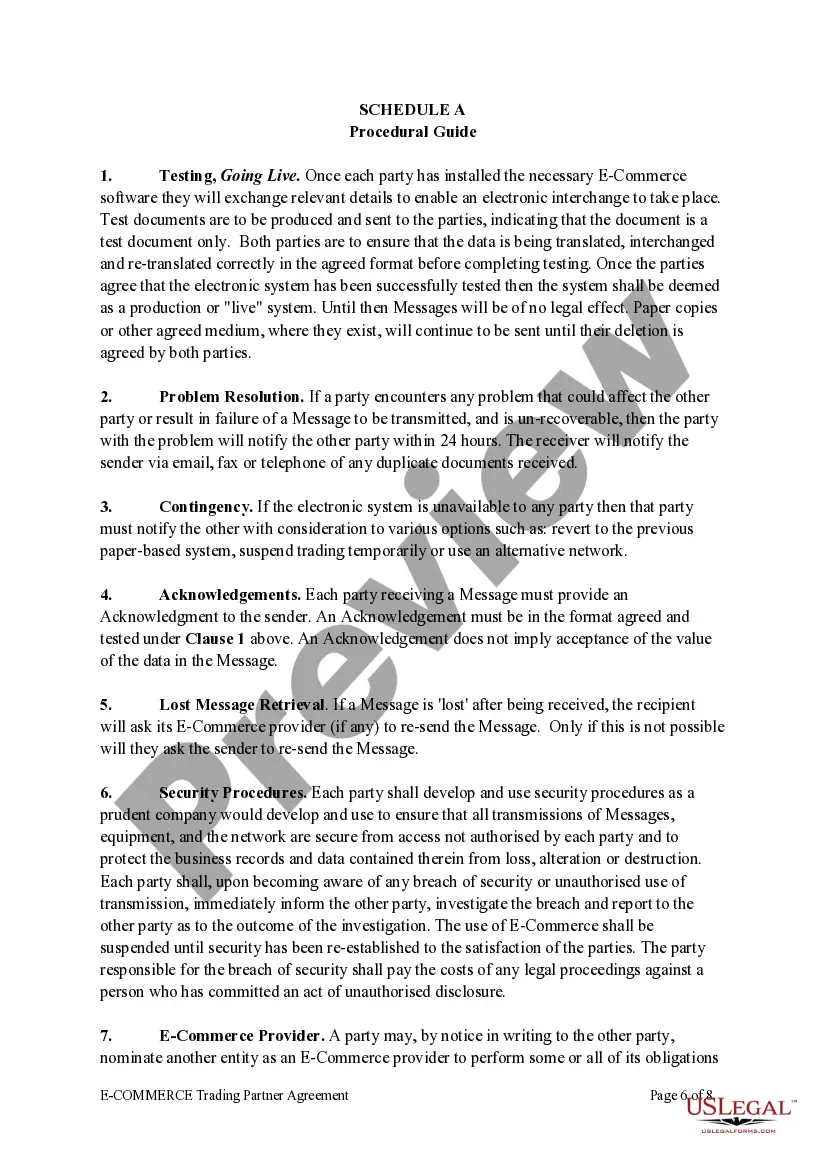
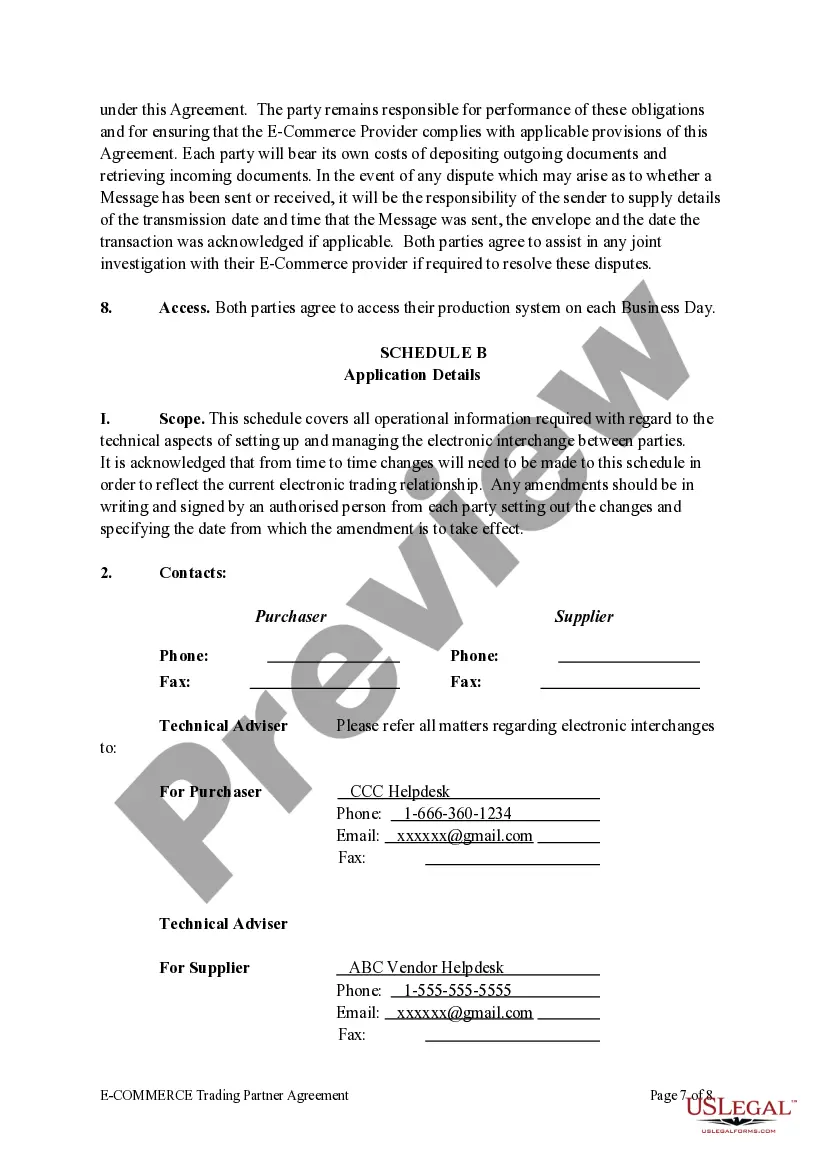

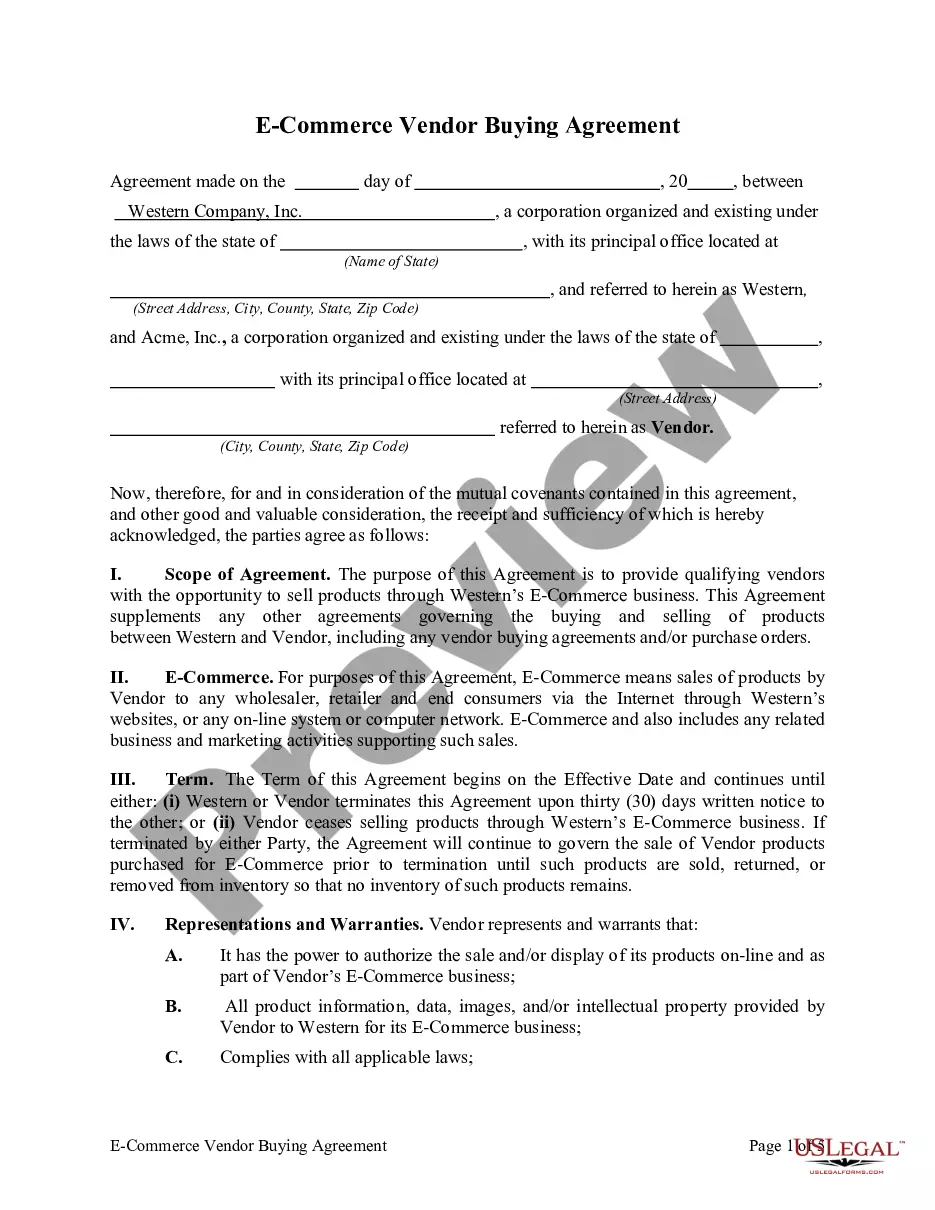
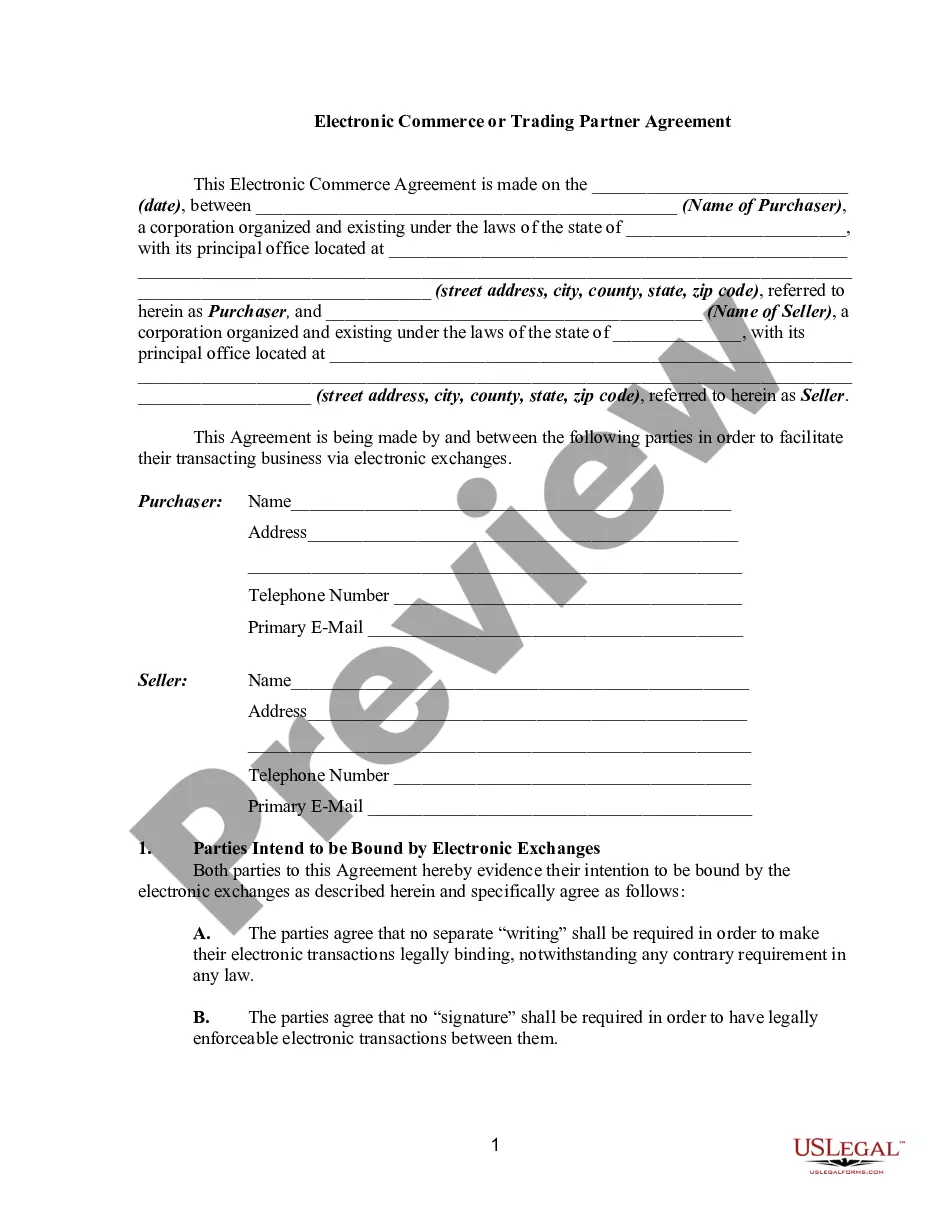
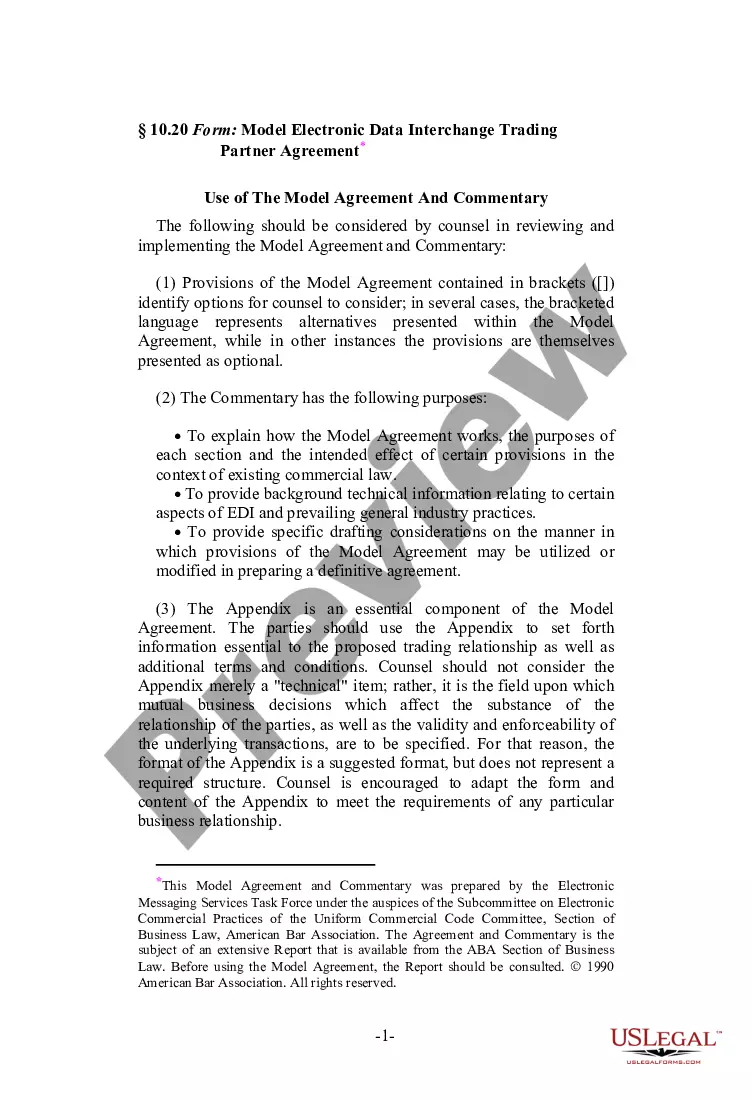
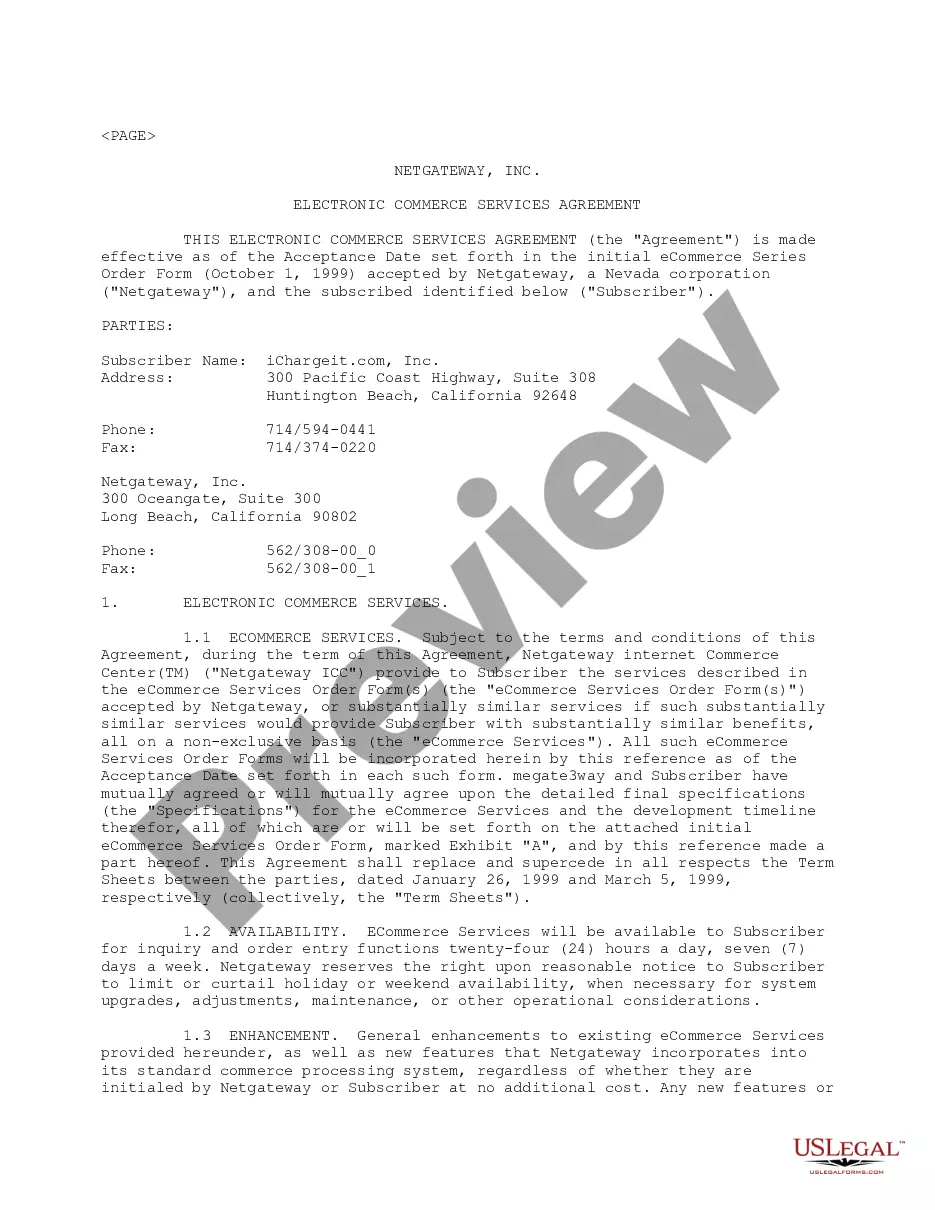
Get your form ready online
Our built-in tools help you complete, sign, share, and store your documents in one place.
Make edits, fill in missing information, and update formatting in US Legal Forms—just like you would in MS Word.
Download a copy, print it, send it by email, or mail it via USPS—whatever works best for your next step.
Sign and collect signatures with our SignNow integration. Send to multiple recipients, set reminders, and more. Go Premium to unlock E-Sign.
If this form requires notarization, complete it online through a secure video call—no need to meet a notary in person or wait for an appointment.
We protect your documents and personal data by following strict security and privacy standards.

Make edits, fill in missing information, and update formatting in US Legal Forms—just like you would in MS Word.

Download a copy, print it, send it by email, or mail it via USPS—whatever works best for your next step.

Sign and collect signatures with our SignNow integration. Send to multiple recipients, set reminders, and more. Go Premium to unlock E-Sign.

If this form requires notarization, complete it online through a secure video call—no need to meet a notary in person or wait for an appointment.

We protect your documents and personal data by following strict security and privacy standards.
Looking for another form?








Form popularity
FAQ
Most all global ecommerce platforms allow people to trade using personal bank accounts. What's the reason behind this? They simply don't check. Despite not being a technical requirement, we always encourage using a business account for any commercial activity – regardless of company turnover.
The majority of Ecommerce businesses doing under $1M in profit sell for between 3 X and 4.5 X their annual profit, although more desirable brands can sell for higher multiples. This valuation spectrum varies greatly by the quality of the business as well as its size.
In fact, all types of businesses have to apply for and obtain California business licenses irrespective of whether you start an online business from home or a store front.
Follow these steps to write your business plan: Write your executive summary. Start by succinctly articulating the essence of your e-commerce business. Perform market analysis. Craft your product and service descriptions. Build marketing and sales strategies.
A seller's permit is applicable to individuals (sole proprietorship) as well as corporations and limited liability companies. Every new business in the state will need to apply for a general online business license in California, which is issued by cities or counties.
ECommerce businesses, like brick-and-mortar companies, must obtain the required business licenses and permits to operate legally. The requirements vary depending on a company's location. To find out what licenses and permits are needed, business owners should check with their city, county, and state.
There is no state-level general business license in California. But many businesses must register with the California Secretary of State's office. If you sell goods that are typically subject to sales tax, you'll also need a California seller's permit.
The majority of Ecommerce businesses doing under $1M in profit sell for between 3 X and 4.5 X their annual profit, although more desirable brands can sell for higher multiples. This valuation spectrum varies greatly by the quality of the business as well as its size.
Most valuations of an e-commerce business look at the historical earnings—the net profit of the business for at least the last twelve months—and apply a multiplier (typically between 1.5 and 3.5, though some calculations put the multiplier as high as 5) to arrive at the company's valuation.
Business-to-Business (B2B) Business-to-Consumer (B2C) Consumer-to-Consumer (C2C) Consumer-to-Business (C2B)