E Commerce Agreement Forbes In Franklin
Description
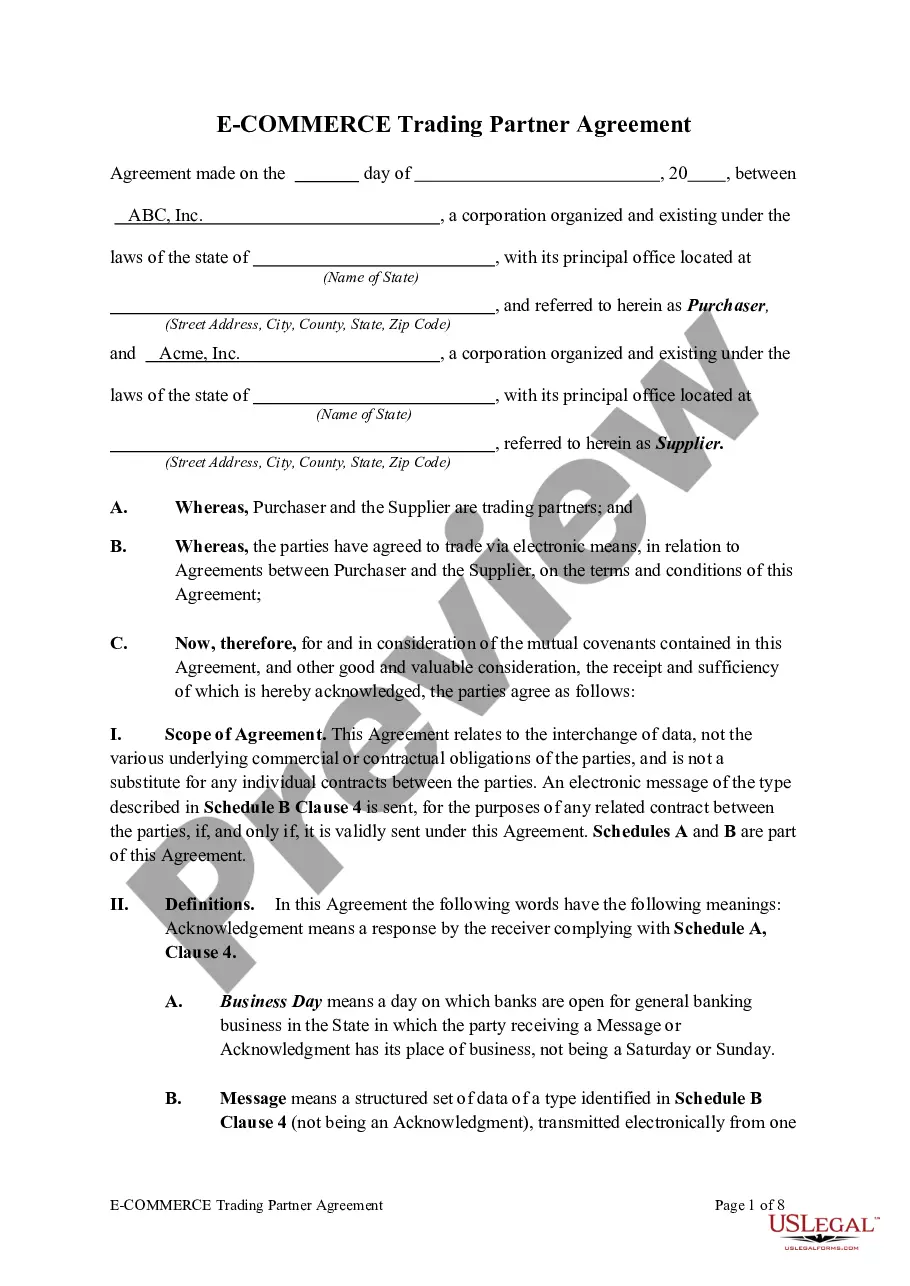
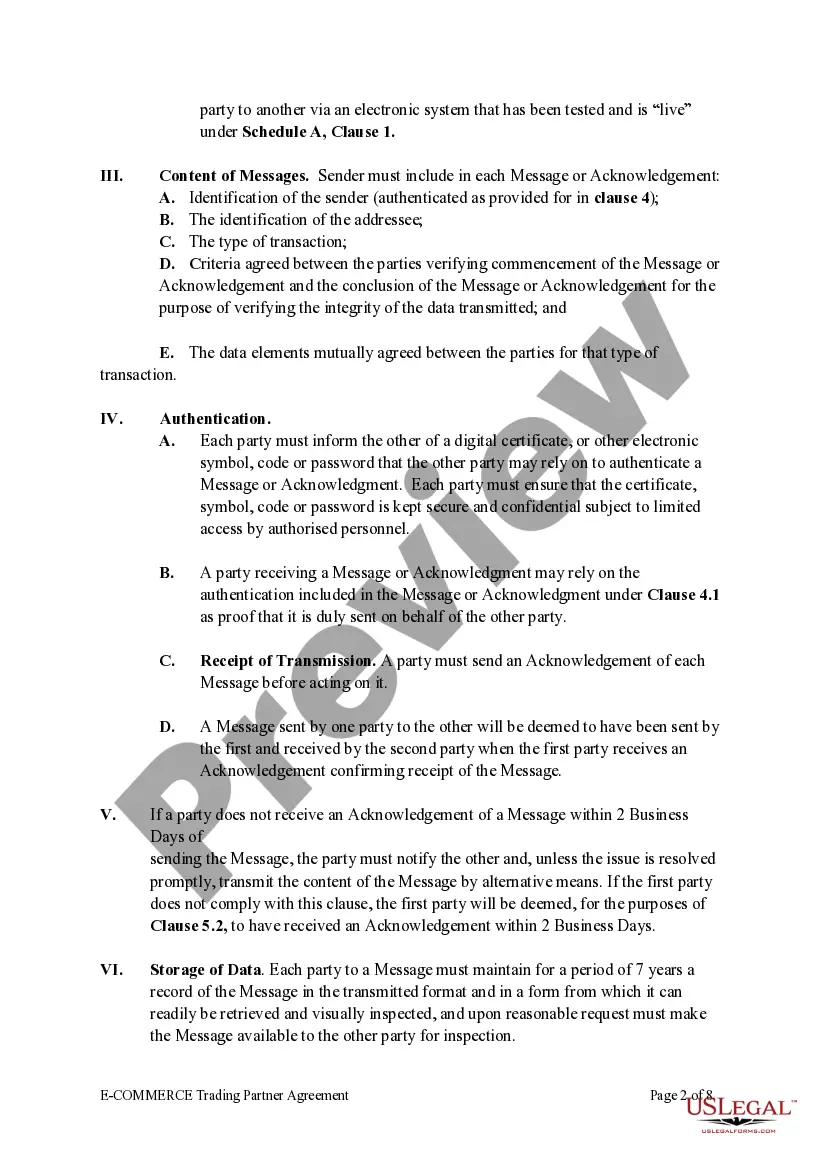
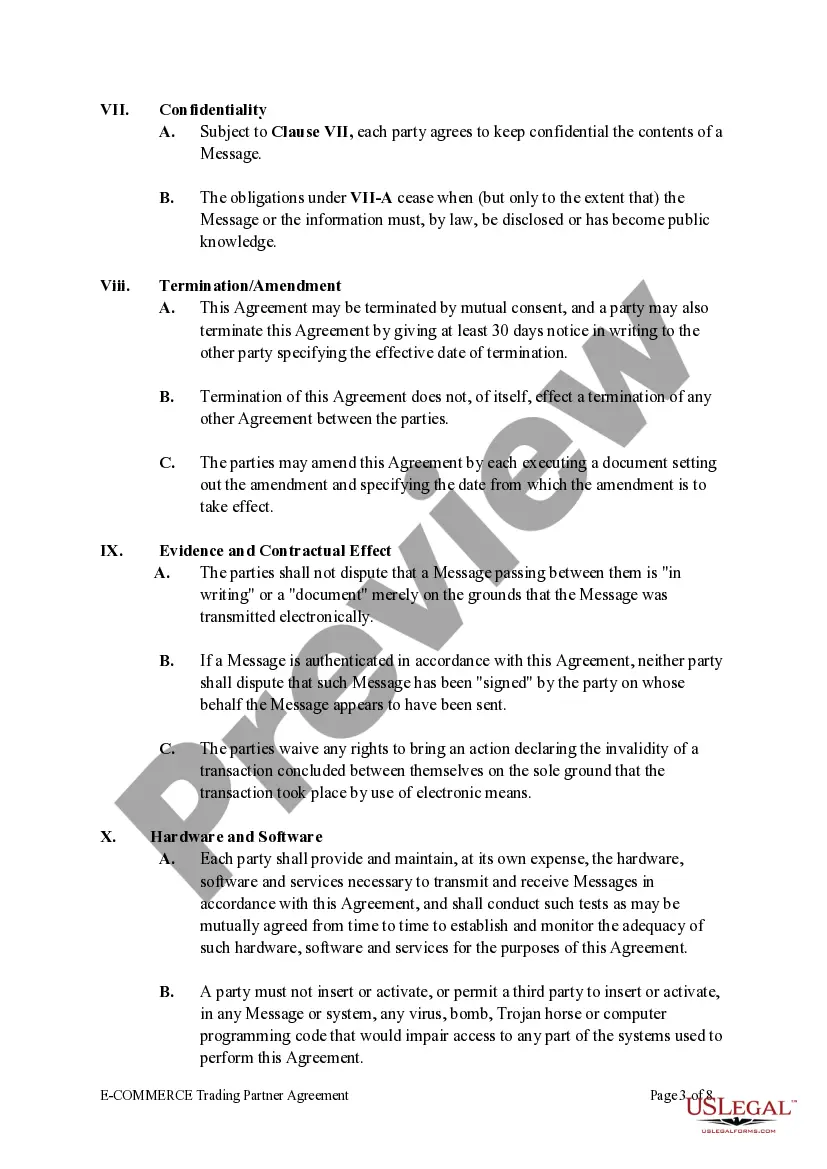
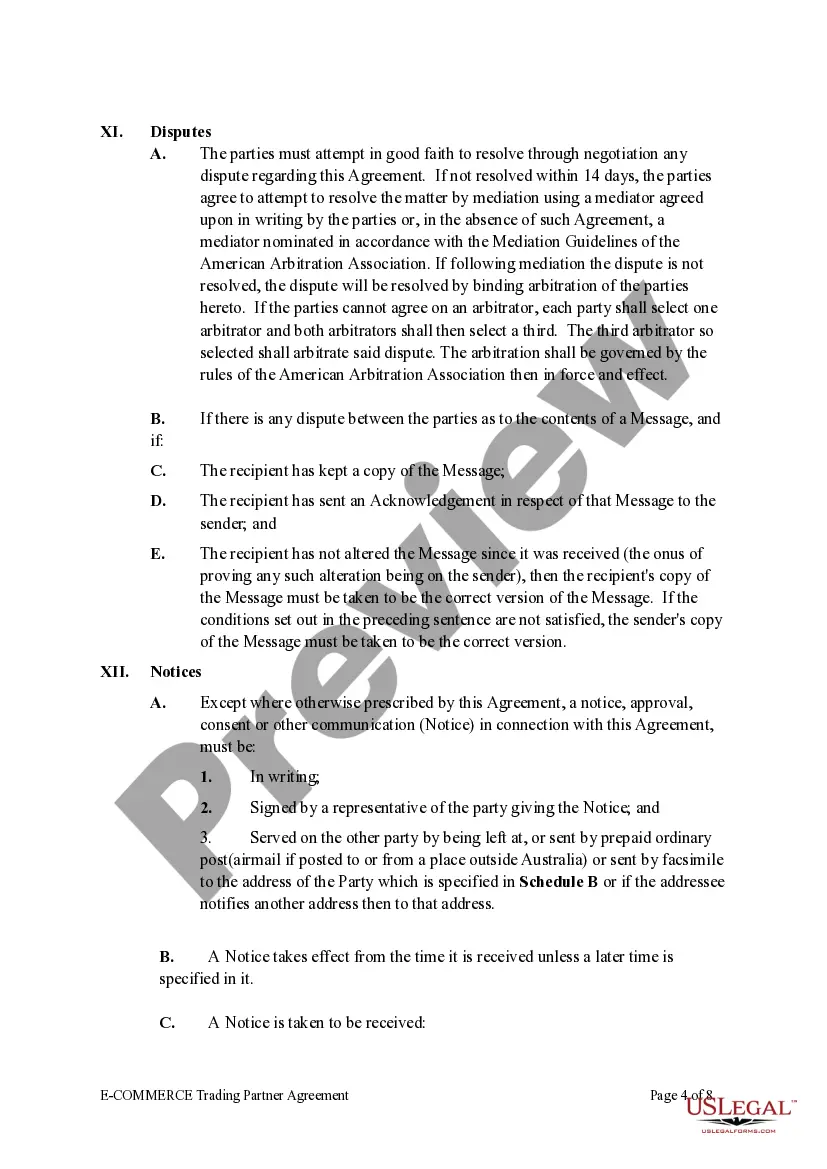
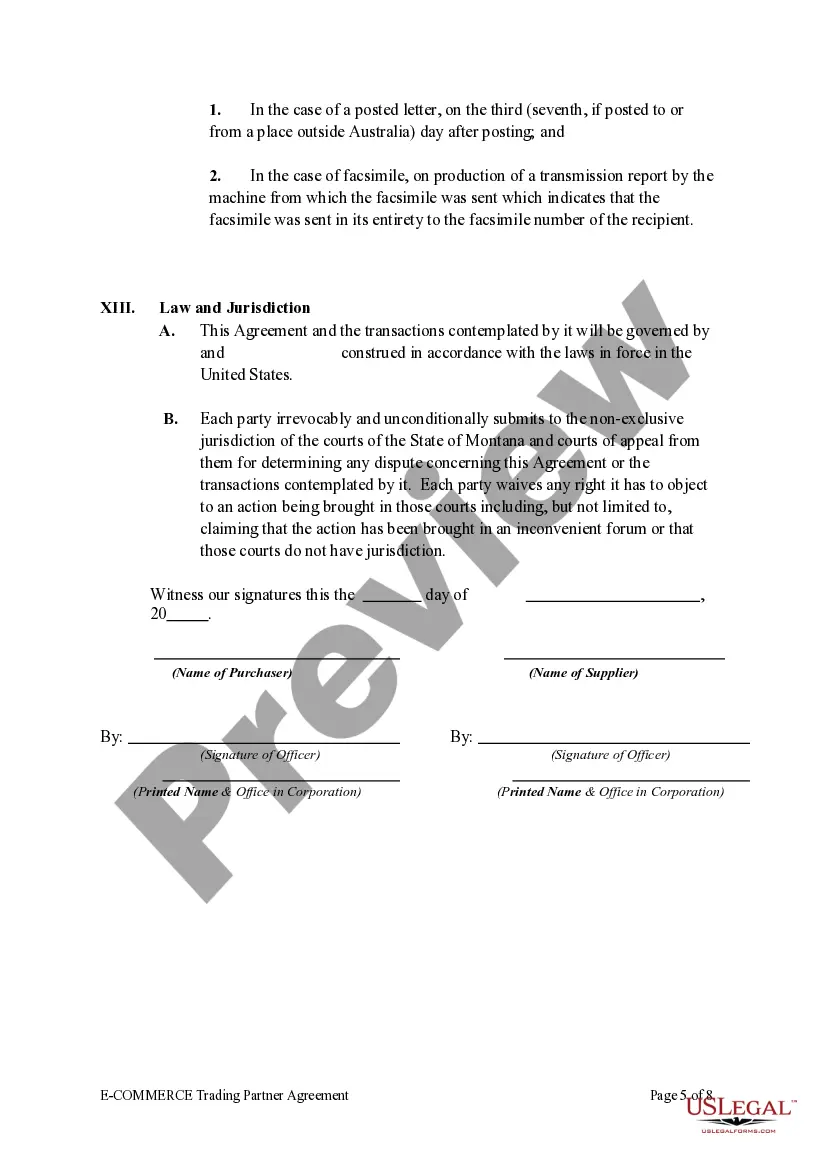
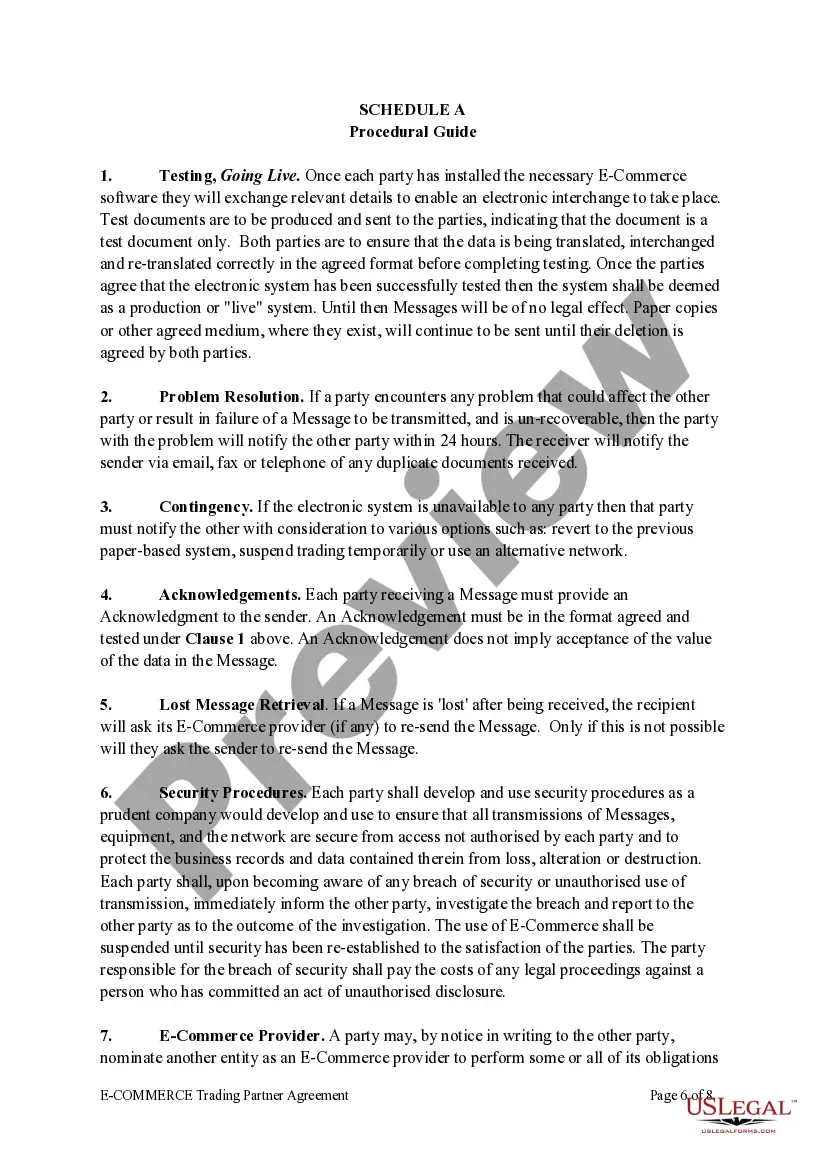
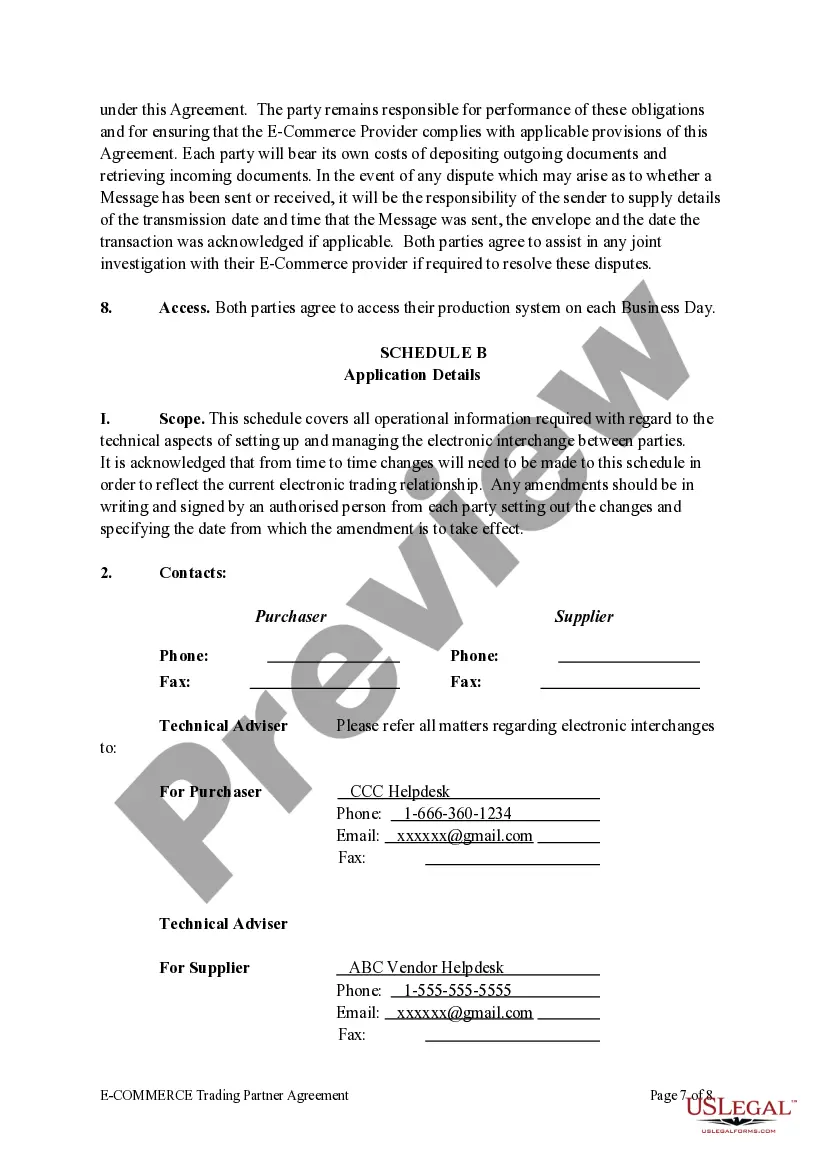

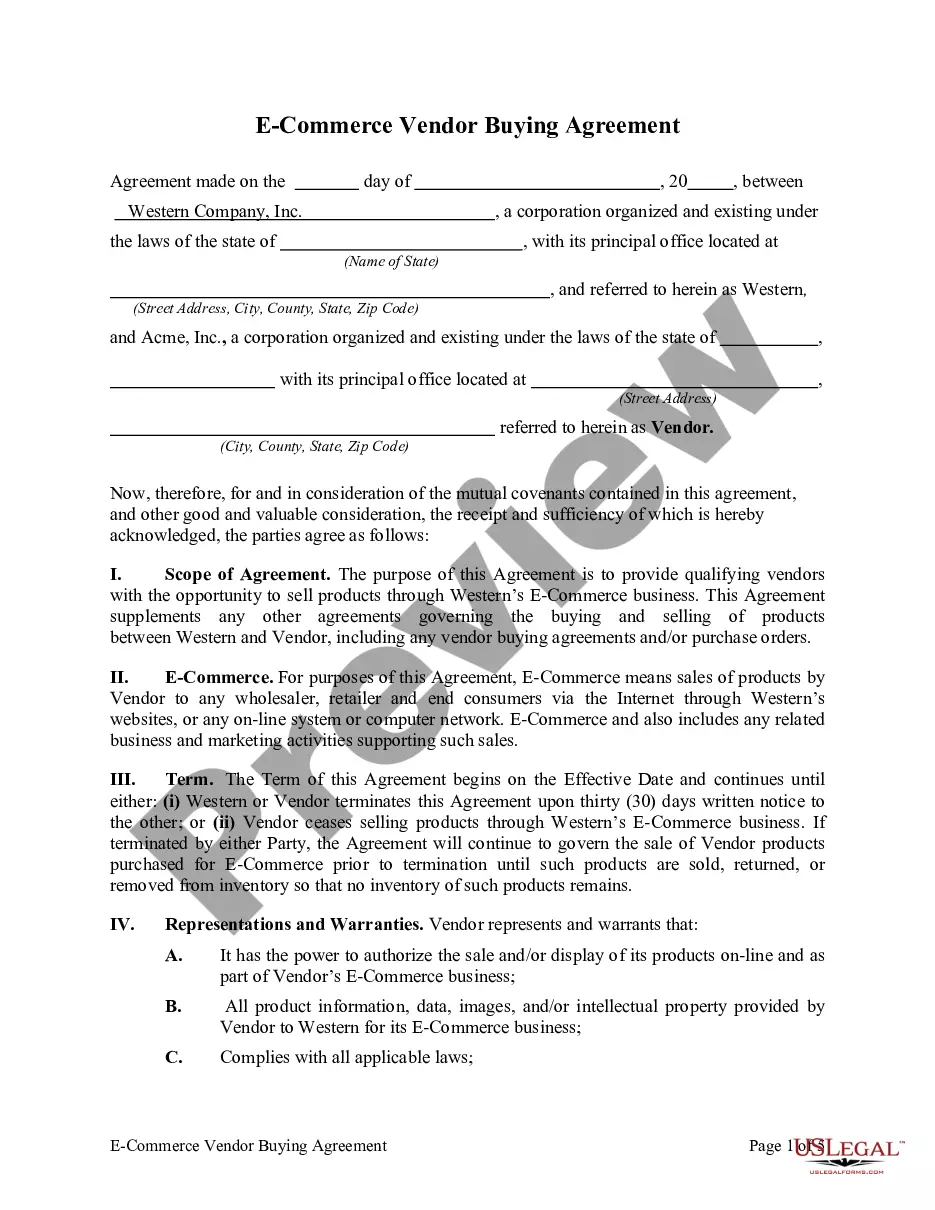
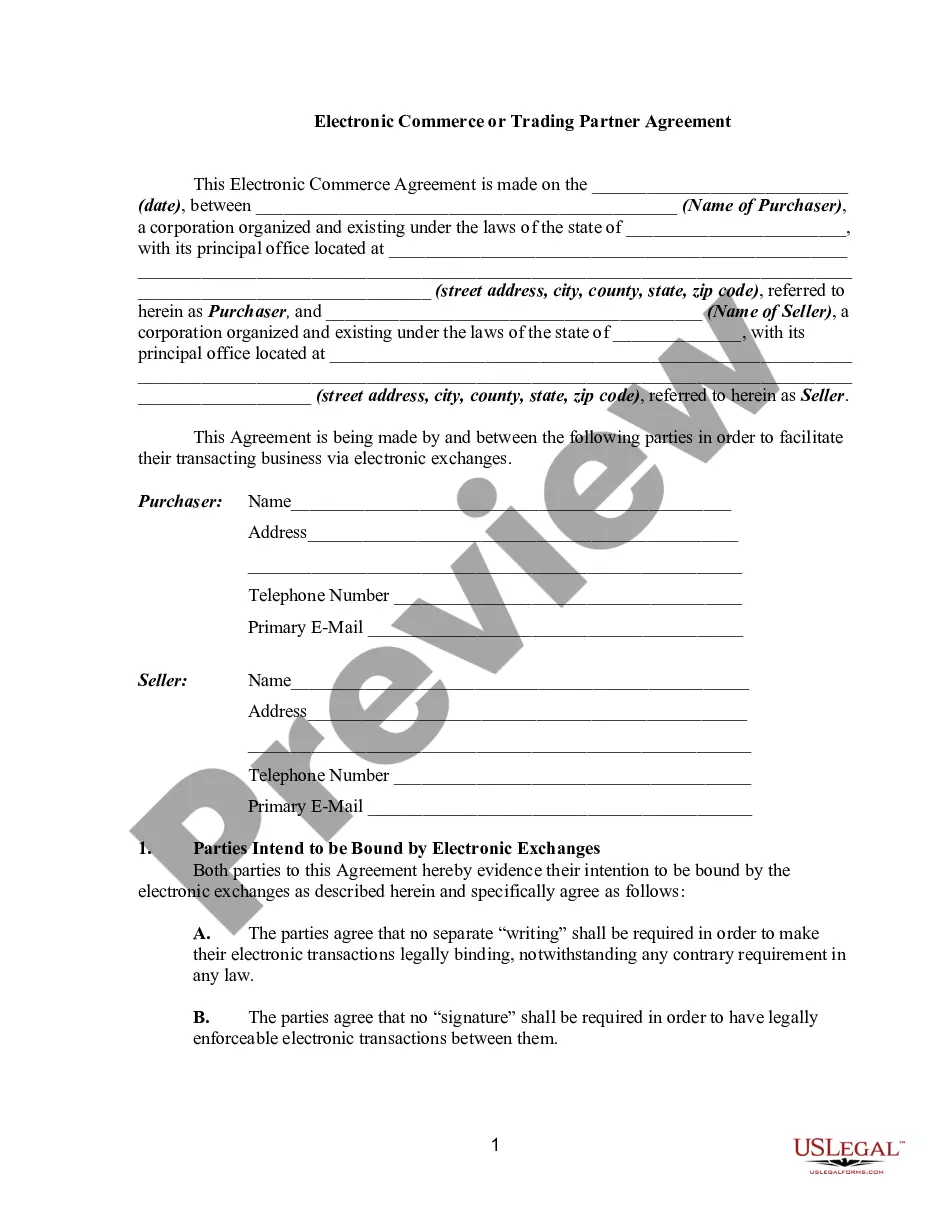
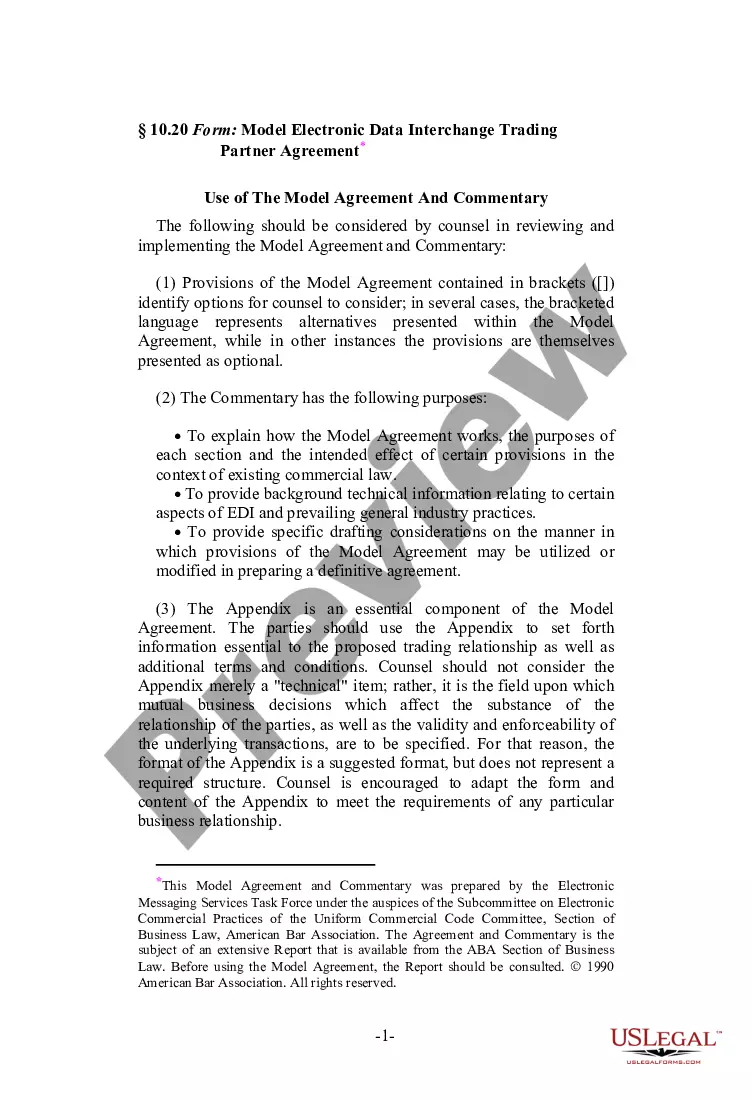
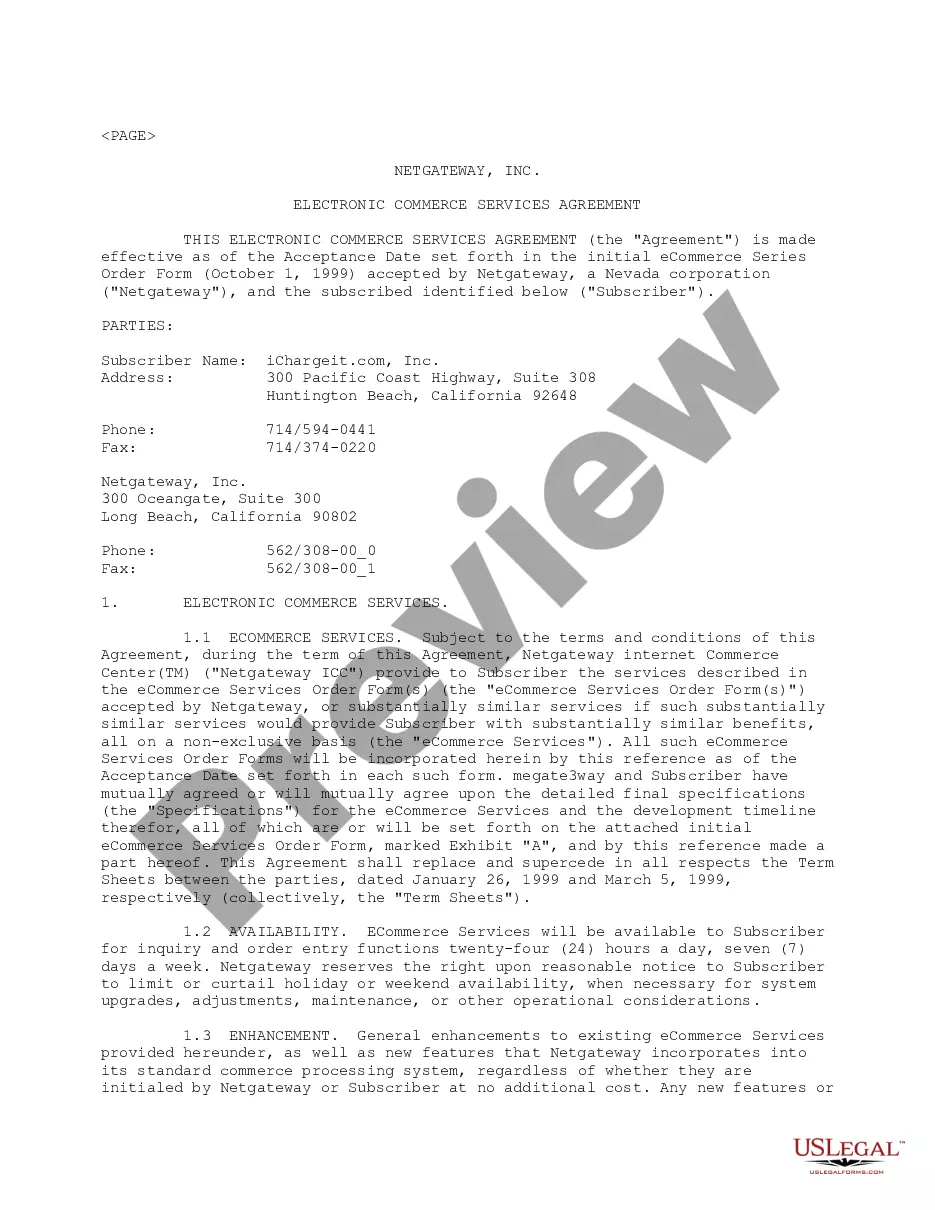
Get your form ready online
Our built-in tools help you complete, sign, share, and store your documents in one place.
Make edits, fill in missing information, and update formatting in US Legal Forms—just like you would in MS Word.
Download a copy, print it, send it by email, or mail it via USPS—whatever works best for your next step.
Sign and collect signatures with our SignNow integration. Send to multiple recipients, set reminders, and more. Go Premium to unlock E-Sign.
If this form requires notarization, complete it online through a secure video call—no need to meet a notary in person or wait for an appointment.
We protect your documents and personal data by following strict security and privacy standards.

Make edits, fill in missing information, and update formatting in US Legal Forms—just like you would in MS Word.

Download a copy, print it, send it by email, or mail it via USPS—whatever works best for your next step.

Sign and collect signatures with our SignNow integration. Send to multiple recipients, set reminders, and more. Go Premium to unlock E-Sign.

If this form requires notarization, complete it online through a secure video call—no need to meet a notary in person or wait for an appointment.

We protect your documents and personal data by following strict security and privacy standards.
Looking for another form?










Form popularity
FAQ
At its core, electronic commerce or e-commerce is simply the buying and selling of goods and services using the internet, when shopping online. However, the term is often used to describe all of a seller's efforts when selling products directly to consumers online.
Business-to-government (B2G) Businesses in this eCommerce model sell products or services to government agencies. Consumer-to-consumer (C2C) ... Consumer-to-business (C2B) ... Consumer-to-government (C2G) ... Business-to-administration (B2A) ... Direct-to-consumer (DTC) ... White label and private label. Wholesale.
HIGHLIGHT: Steve Sy, founder & CEO of e-commerce enabler Great Deals E-commerce Corp., says live selling has changed Filipino consumer behavior in the year's 11.11 mega sale which brought double-digit growth for the business.
Members of Forbes Councils are respected leaders in their industry who are selected for one of our Councils for their depth and diversity of experience.
How do I get on the list? There's no one way to get on the list. Candidates are evaluated by Forbes staff and a panel of independent, expert judges on a variety of factors, including (but not limited to) funding, revenue, social impact, scale, inventiveness and potential.
Members of Forbes Councils are respected leaders in their industry who are selected for one of our Councils for their depth and diversity of experience.
What is a Forbes digital membership? Members also get access to members-only events and exclusive perks, including discounts on select investing newsletters, as well as early access to certain product launches.
Amazon is the largest online marketplace in the U.S. in terms of monthly organic traffic, followed by Apple, Etsy, Walmart, and eBay.
commerce is a dynamic industry that has transformed the way we shop and conduct business. With rapid advancements in technology and changing consumer preferences, your business must stay ahead of the curve to remain competitive. Several emerging trends are set to reshape ecommerce in 2024.
Benefits of ecommerce Accessibility and convenience. Direct access to customers. Global marketing reach. Relatively low operating costs. Advances in technology. High competition. Limited interaction with customers and products. Shipping and fulfillment at scale.