E-commerce Rules In Dallas
Description

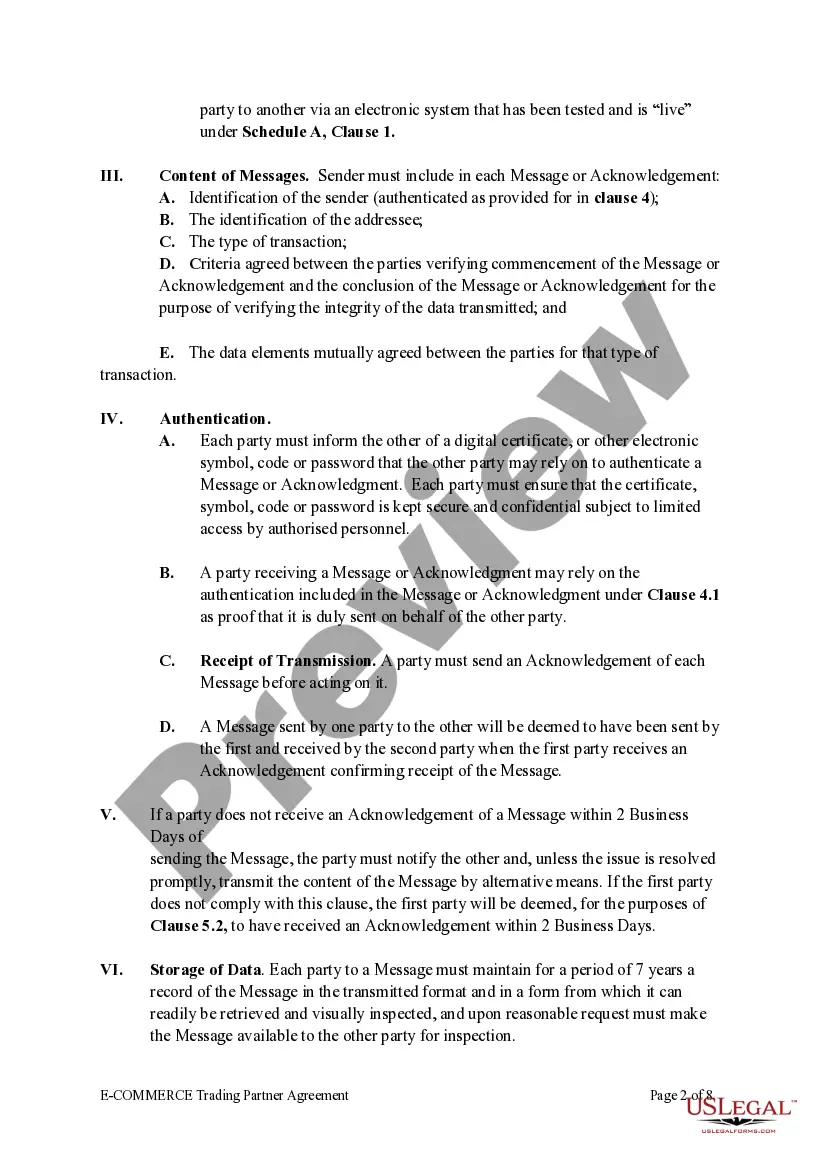
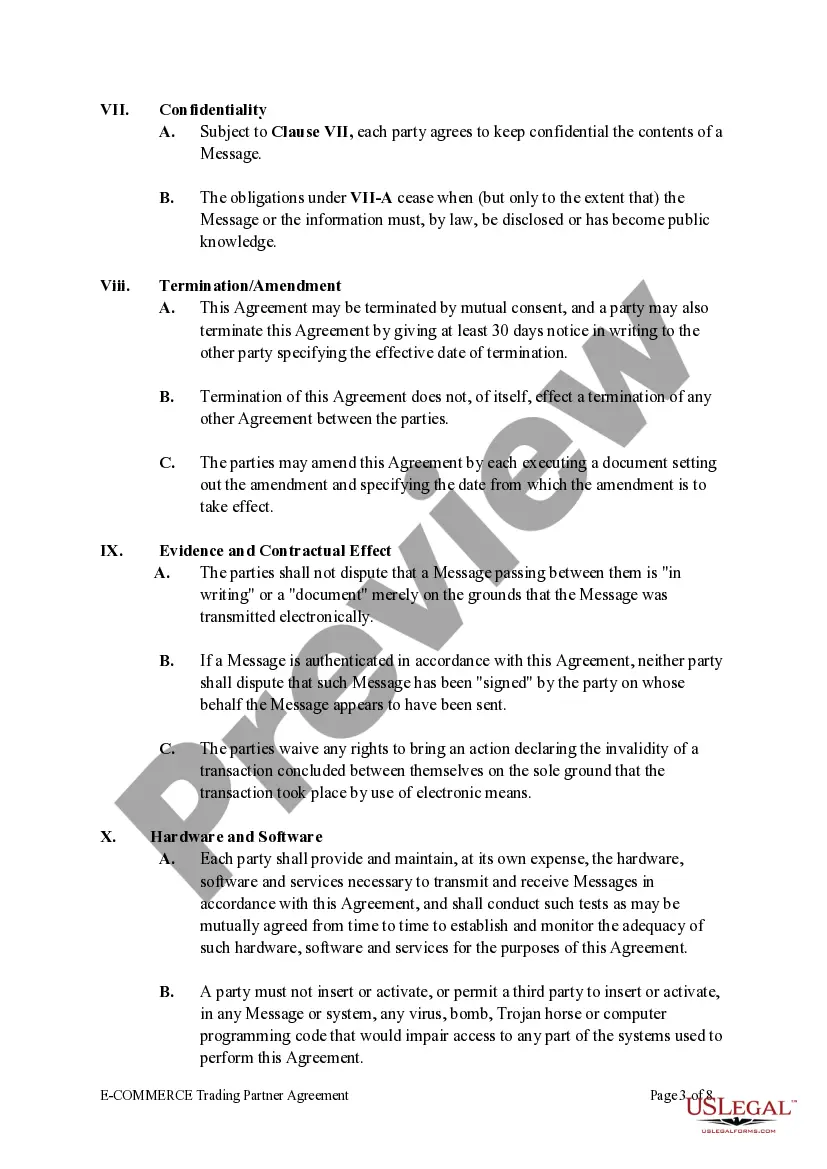
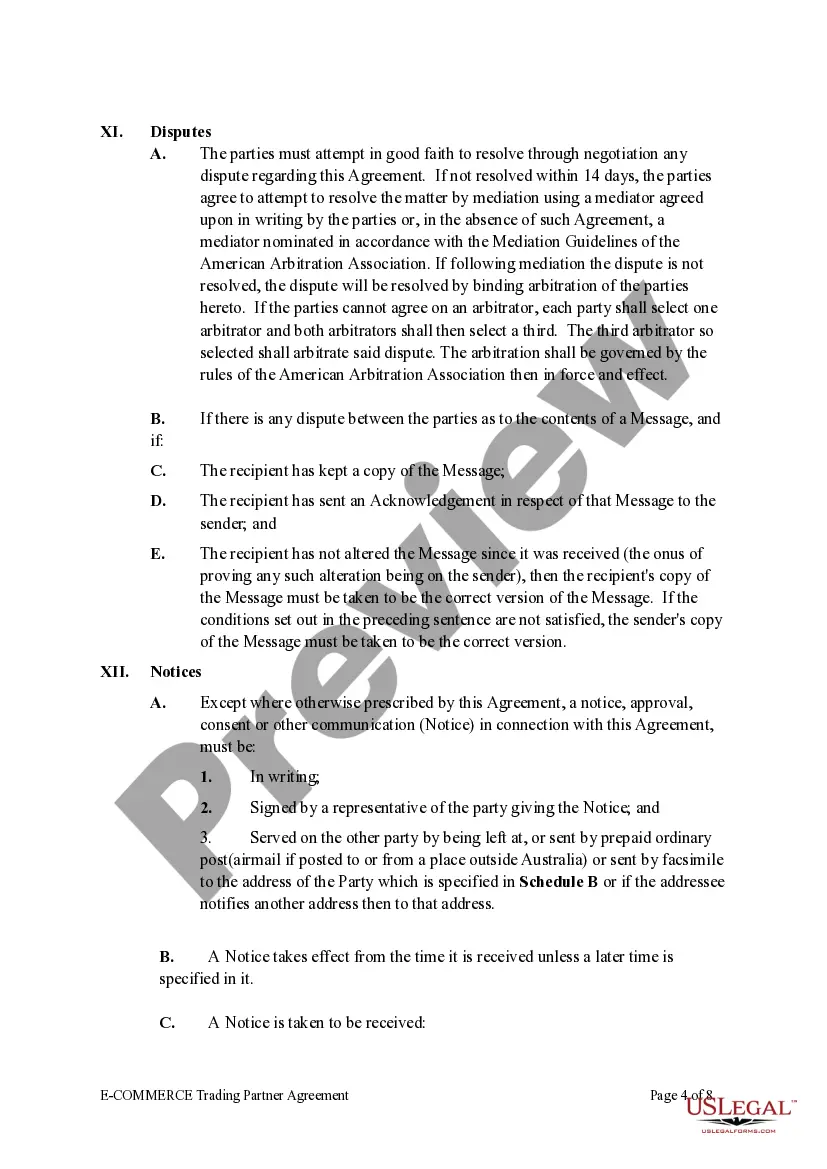
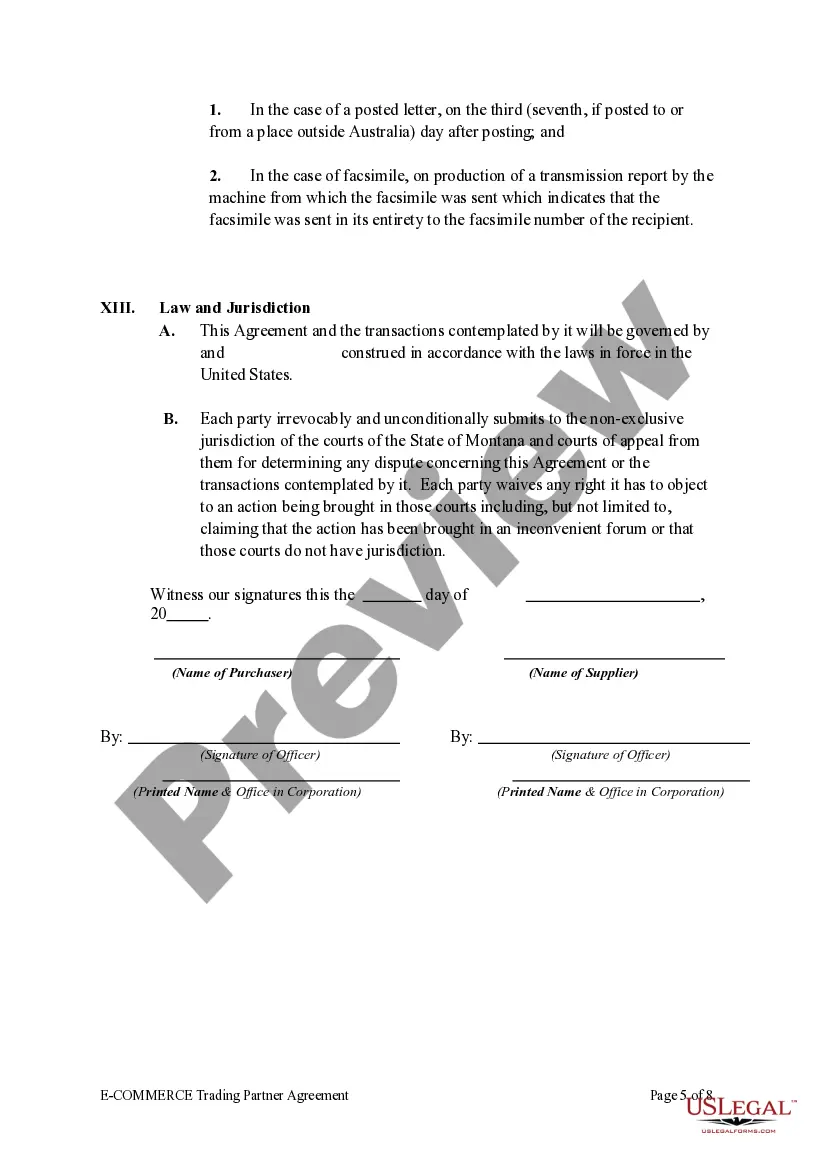
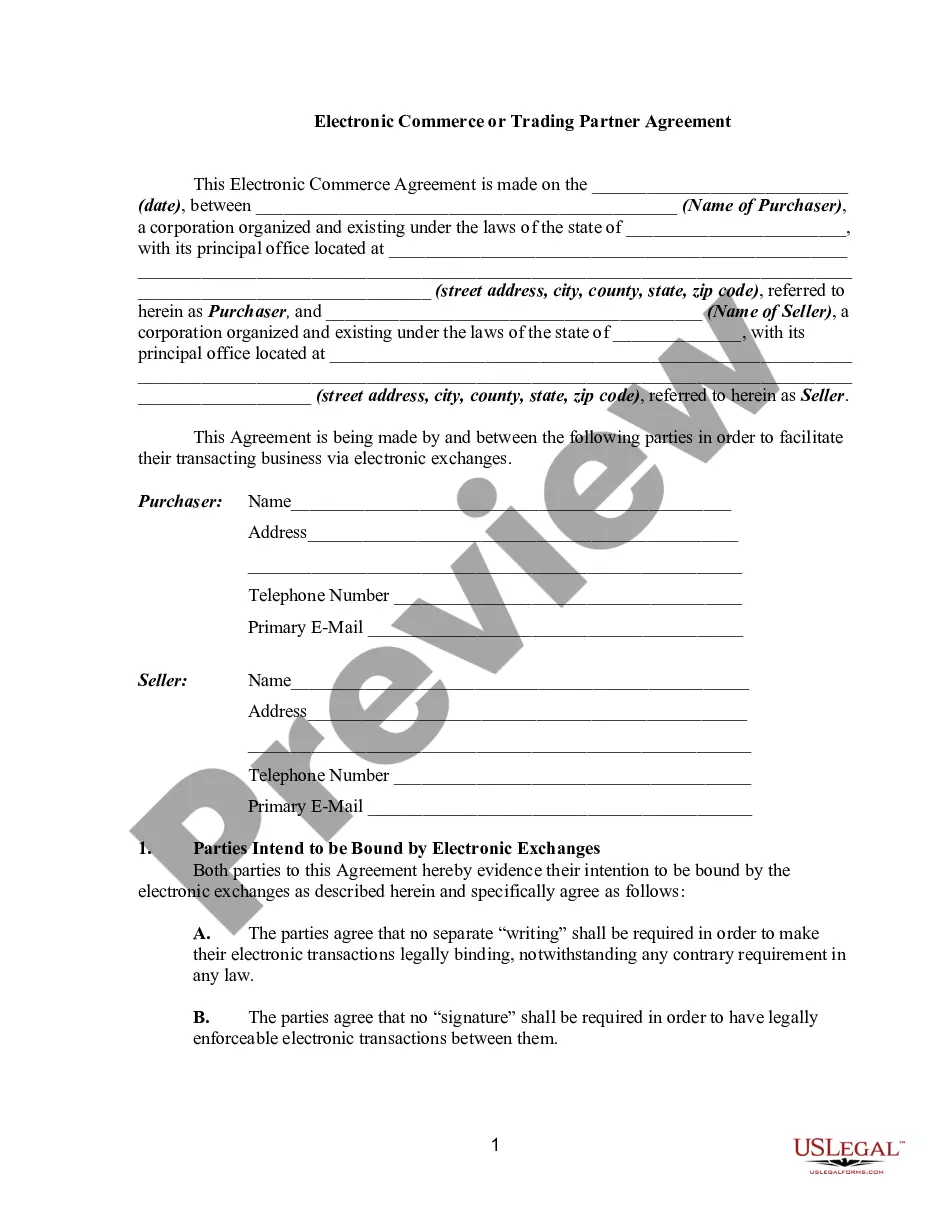
Get your form ready online
Our built-in tools help you complete, sign, share, and store your documents in one place.
Make edits, fill in missing information, and update formatting in US Legal Forms—just like you would in MS Word.
Download a copy, print it, send it by email, or mail it via USPS—whatever works best for your next step.
Sign and collect signatures with our SignNow integration. Send to multiple recipients, set reminders, and more. Go Premium to unlock E-Sign.
If this form requires notarization, complete it online through a secure video call—no need to meet a notary in person or wait for an appointment.
We protect your documents and personal data by following strict security and privacy standards.

Make edits, fill in missing information, and update formatting in US Legal Forms—just like you would in MS Word.

Download a copy, print it, send it by email, or mail it via USPS—whatever works best for your next step.

Sign and collect signatures with our SignNow integration. Send to multiple recipients, set reminders, and more. Go Premium to unlock E-Sign.

If this form requires notarization, complete it online through a secure video call—no need to meet a notary in person or wait for an appointment.

We protect your documents and personal data by following strict security and privacy standards.
Looking for another form?

Form popularity
FAQ
Yes. As a Texas seller, you have physical presence in Texas and must have an active sales and use tax permit.
You must obtain a Texas sales and use tax permit if you are an individual, partnership, corporation or other legal entity engaged in business in Texas and you: Sell tangible personal property in Texas; Lease or rent tangible personal property in Texas; Sell taxable services in Texas; or.
The State of Texas does not require a general license. All entities that transact business in Texas are required to register with the Texas Secretary of State or county clerk's office.
A seller's permit is required for digital goods in Texas as the state considers electronic items to be taxable. Regarding online sales, Texas residents who “sell more than two taxable items in a 12-month period and ship or deliver those items to customers in Texas" must have Texas seller's permits.
Texas sellers must collect sales tax on taxable items, including shipping and delivery charges, sold online in Texas. Texas sellers are engaged in business if they have a physical Texas location or make online sales in Texas.
The state sales and use tax rate is 6.25 percent and the local sales and use tax cannot be more than 2 percent. You can verify the tax rate for an address using our Sales Tax Rate Locator.
You will need to apply using form AP-201, Texas Application (PDF). Email the application to sales.applications@cpa.texas or fax the application to 512-936-0010. To complete the application, you will need the following documentation: Sole owner's Social Security number.
California Secretary of State (SOS) Filing – Not necessary for sole proprietors, but if you intend to form a corporation, limited liability company, or partnership; you must file with the SOS.
A general business license is not required in Texas. However, it is important to determine necessary licenses, permits, certifications, registrations or authorizations for a specific business activity, at the federal, state and local level.
