E Commerce Agreement For Service Industry In Dallas
Description

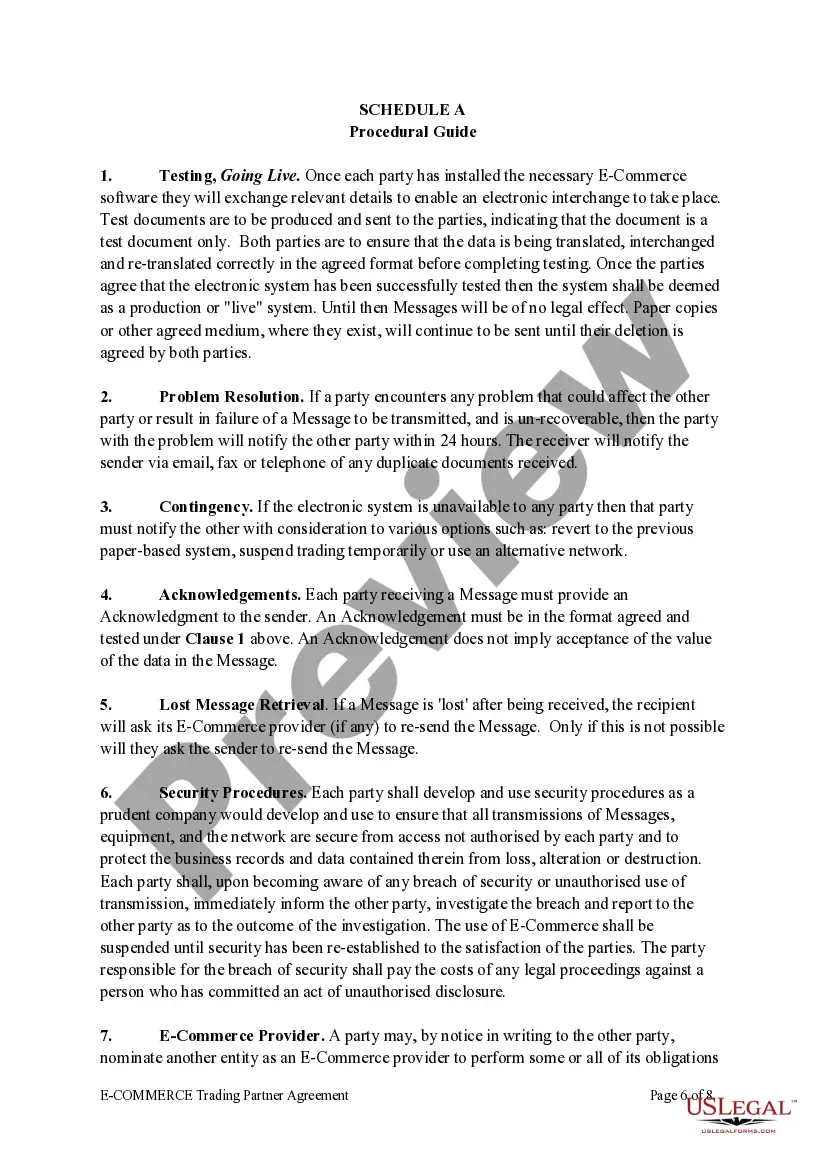
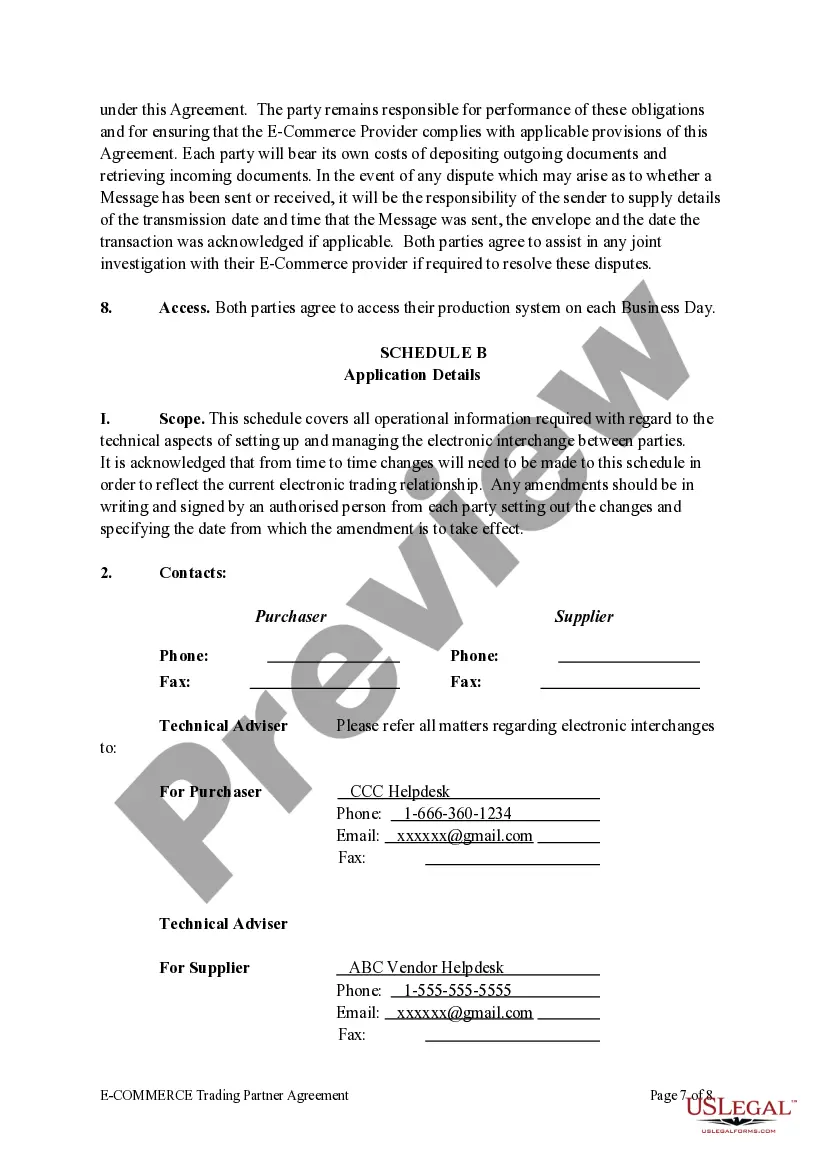

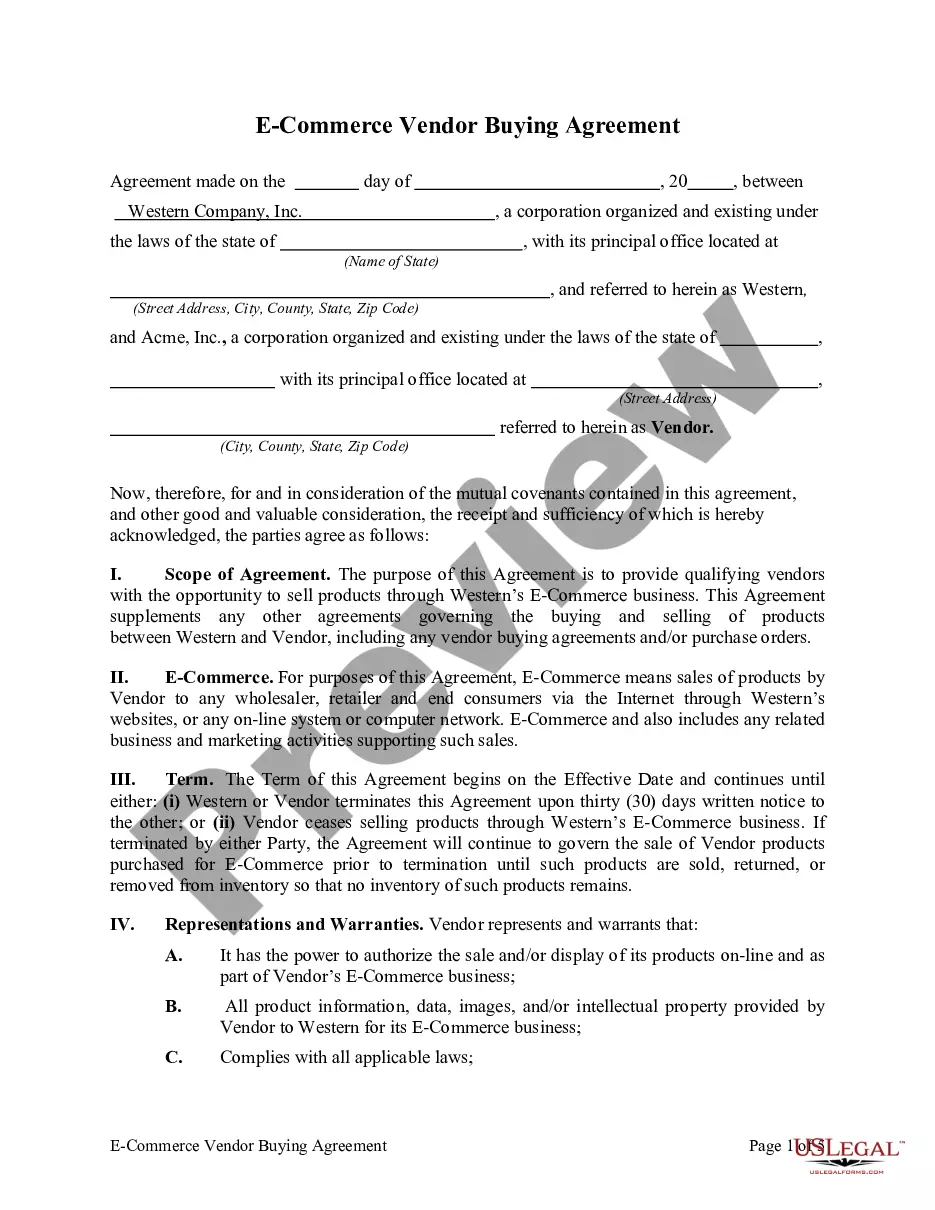
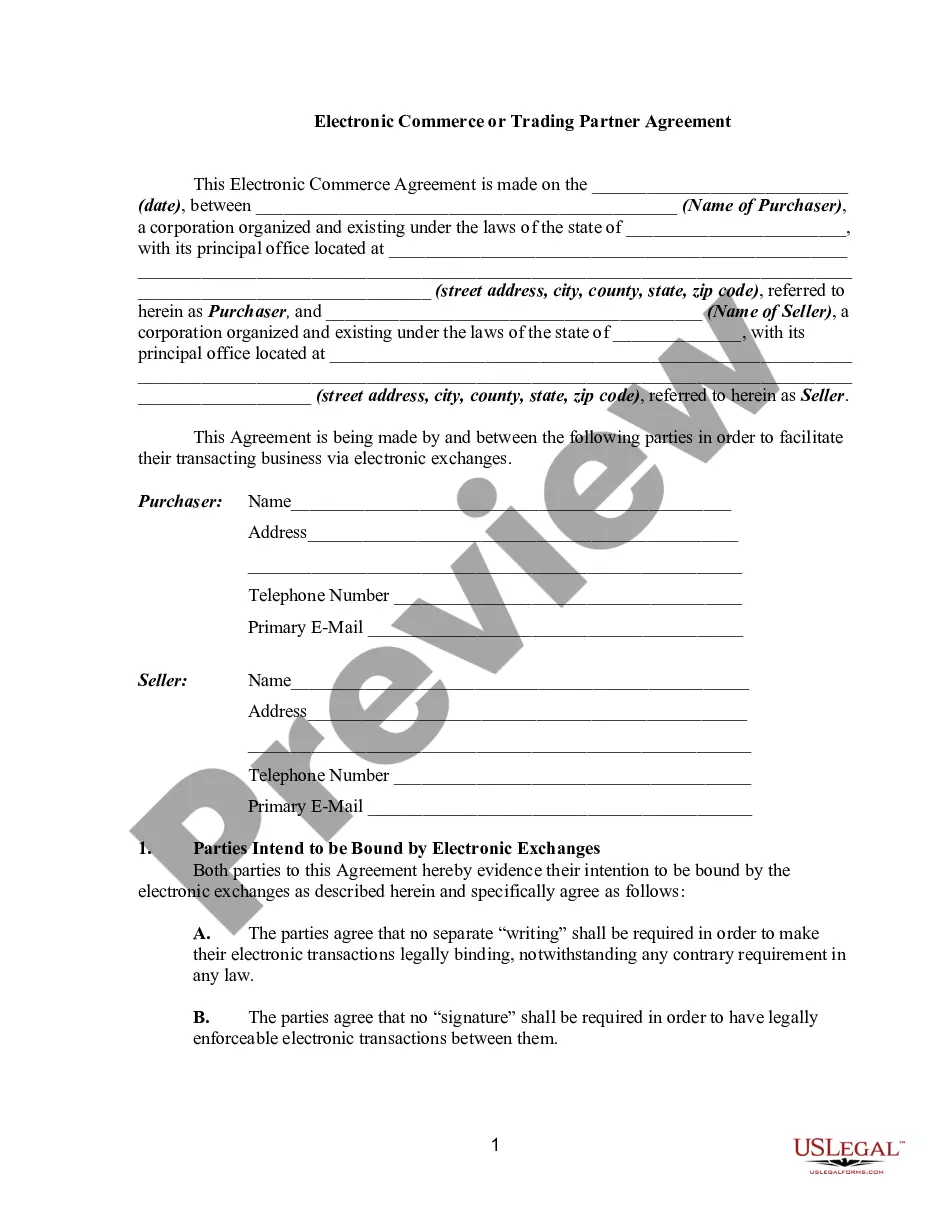
Get your form ready online
Our built-in tools help you complete, sign, share, and store your documents in one place.
Make edits, fill in missing information, and update formatting in US Legal Forms—just like you would in MS Word.
Download a copy, print it, send it by email, or mail it via USPS—whatever works best for your next step.
Sign and collect signatures with our SignNow integration. Send to multiple recipients, set reminders, and more. Go Premium to unlock E-Sign.
If this form requires notarization, complete it online through a secure video call—no need to meet a notary in person or wait for an appointment.
We protect your documents and personal data by following strict security and privacy standards.

Make edits, fill in missing information, and update formatting in US Legal Forms—just like you would in MS Word.

Download a copy, print it, send it by email, or mail it via USPS—whatever works best for your next step.

Sign and collect signatures with our SignNow integration. Send to multiple recipients, set reminders, and more. Go Premium to unlock E-Sign.

If this form requires notarization, complete it online through a secure video call—no need to meet a notary in person or wait for an appointment.

We protect your documents and personal data by following strict security and privacy standards.
Looking for another form?



Form popularity
FAQ
Ecommerce or "electronic commerce" is the trading of goods and services online. The internet allows individuals and businesses to buy and sell an increasing amount of physical goods, digital goods, and services electronically.
Unlike traditional ecommerce platforms that focus on physical products, ecommerce for services centers around selling intangible services online. This could include anything from consulting services, virtual classes, coaching sessions, or even professional services like website development.
This is where 'ecommerce-as-a-service' comes in – a term used to describe companies that offer both the software and services needed to help brands operate and scale online.
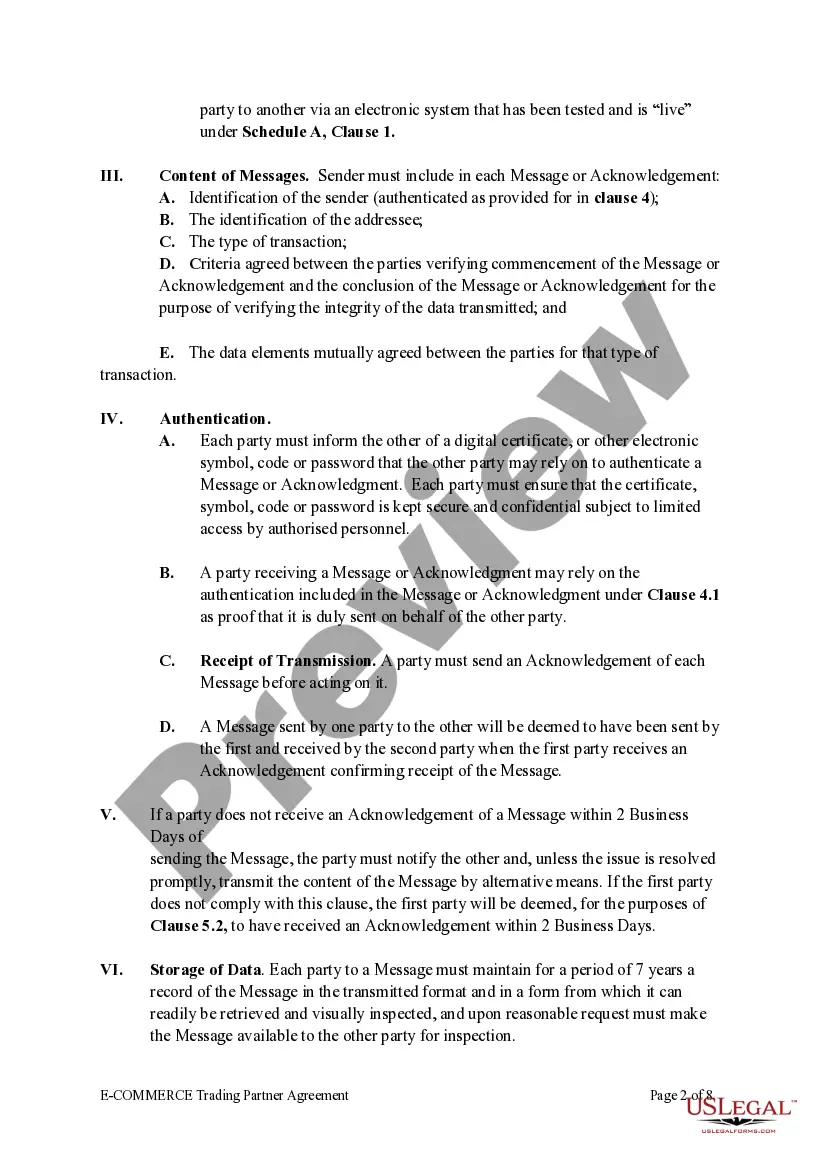
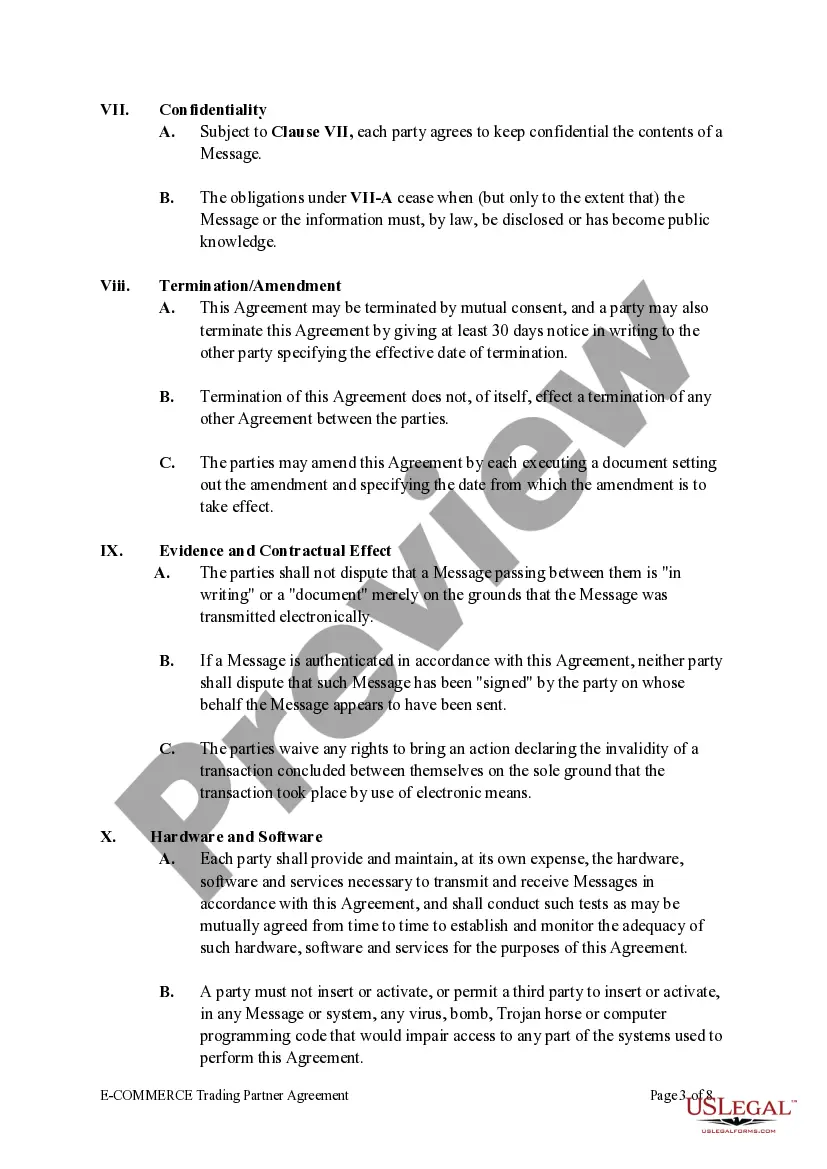
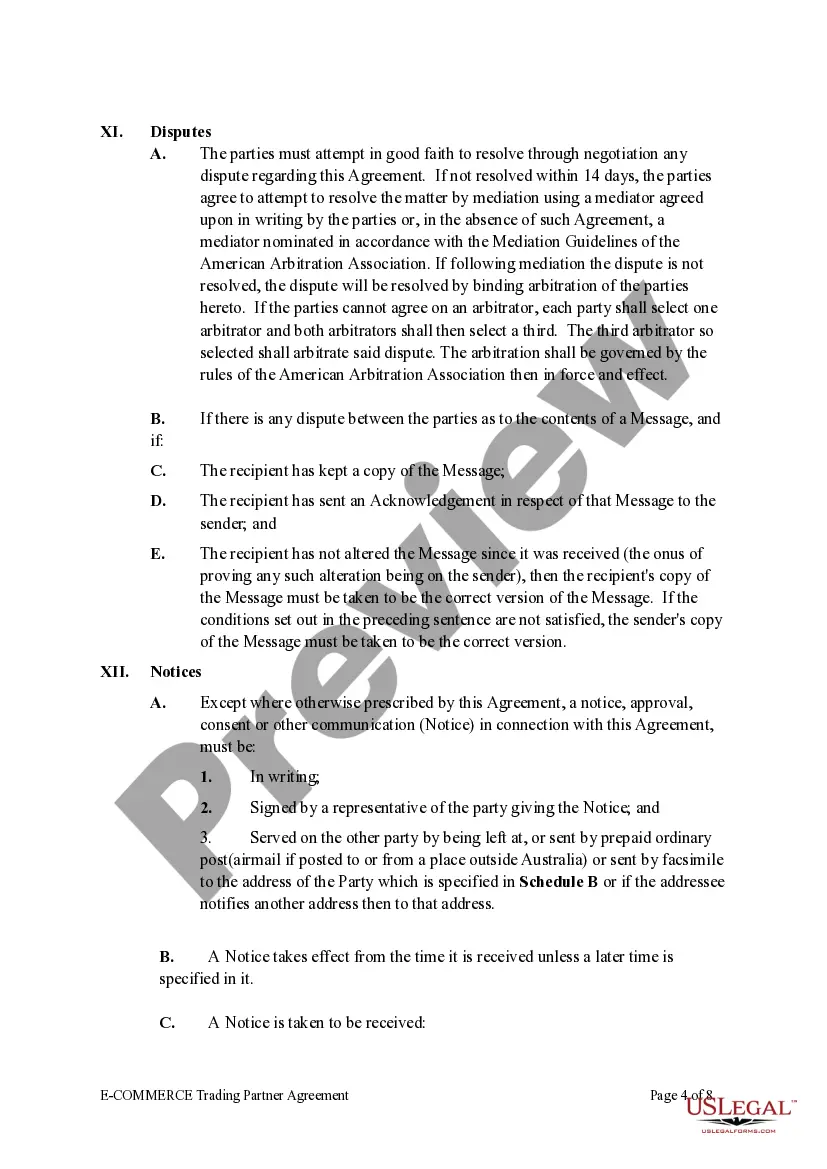
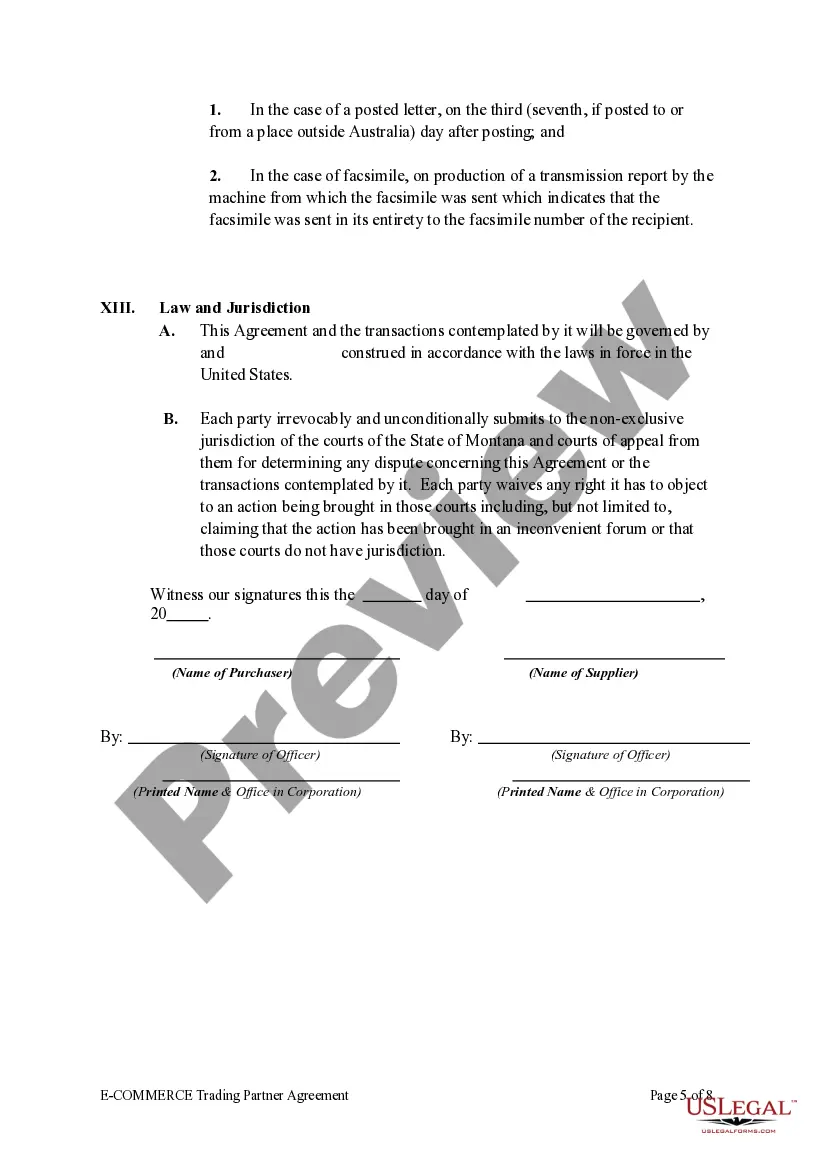
ECommerce agreements disclose the contractual relationship and obligations between a website owner and its commercial users.
Step 1: Research and validate your business idea. What problem or challenge are you seeking to solve? ... Step 2: Source products. Step 3: Choose an online selling channel. Step 4: List and optimize products. Step 5: Market and promote your ecommerce shop.
There are no limits to what an eCommerce store can do for your business, even if you offer services. An eCommerce business isn't only about retail. If your goal is to sell services online, eCommerce solutions can help you in many ways.
A general business license is not required in Texas. However, it is important to determine necessary licenses, permits, certifications, registrations or authorizations for a specific business activity, at the federal, state and local level.
All companies require a business license, whether they sell online or from a brick-and-mortar storefront. Businesses are required to apply for a business license because it provides a way for the government to keep track of enterprises operating in the area and keep track of tax revenue.
Most any kind of business selling taxable goods or services in Texas must have a state sales and use tax permit. Although e-commerce businesses often sell products online to customers all over the country, they will also sell to people in Texas, and a tax permit thus becomes necessary.
