E-commerce Rules In Cook
Description

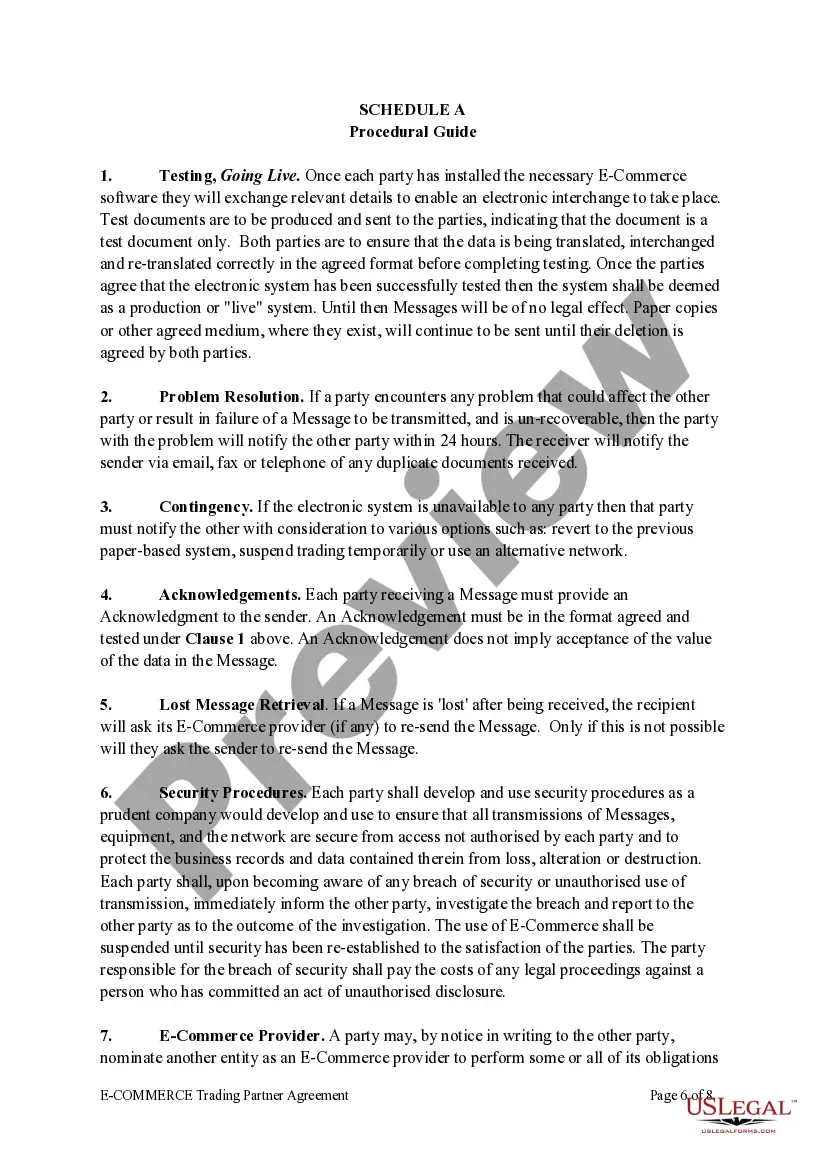
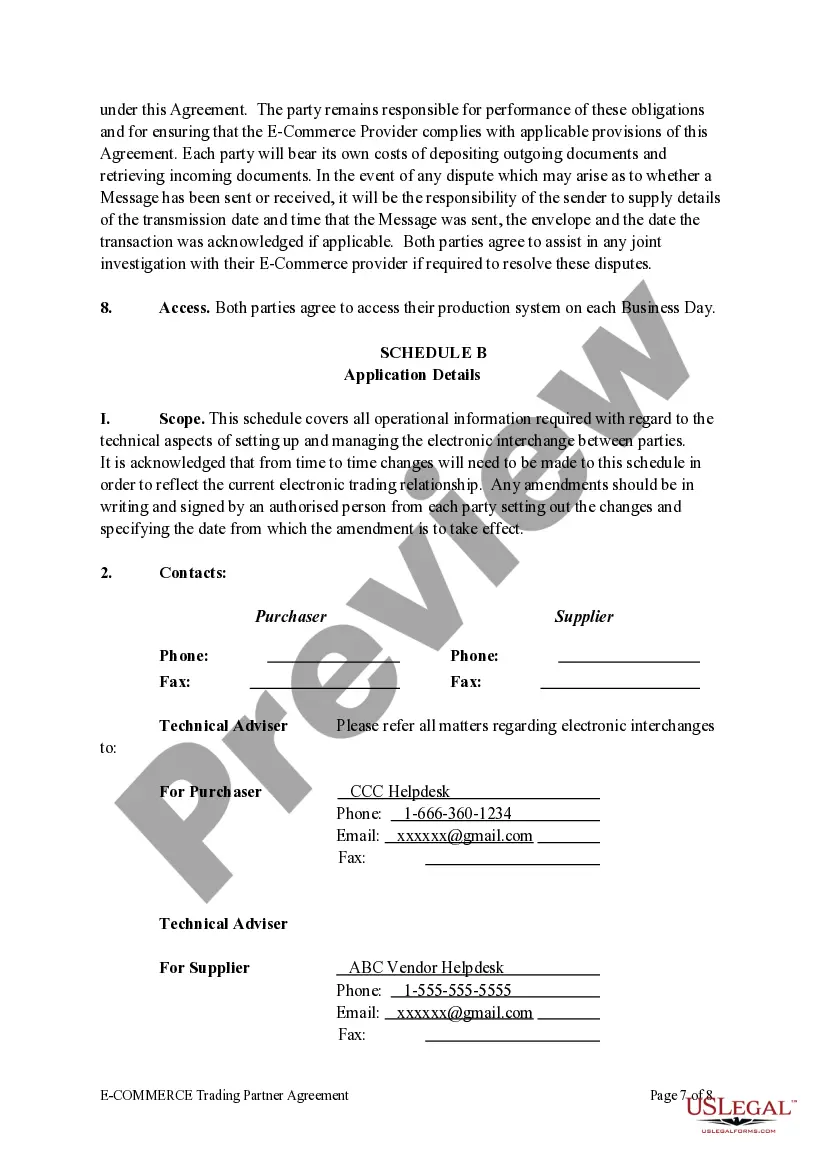


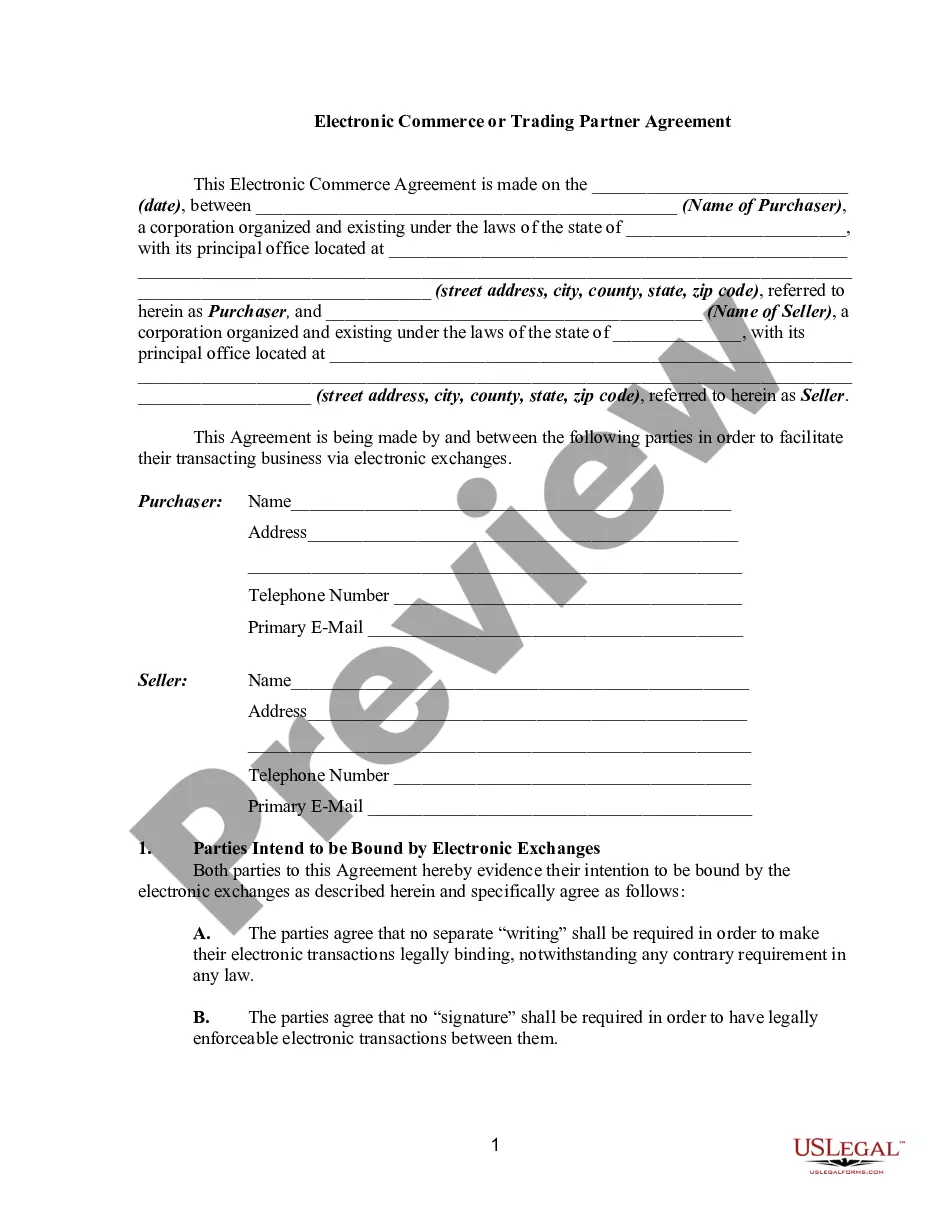
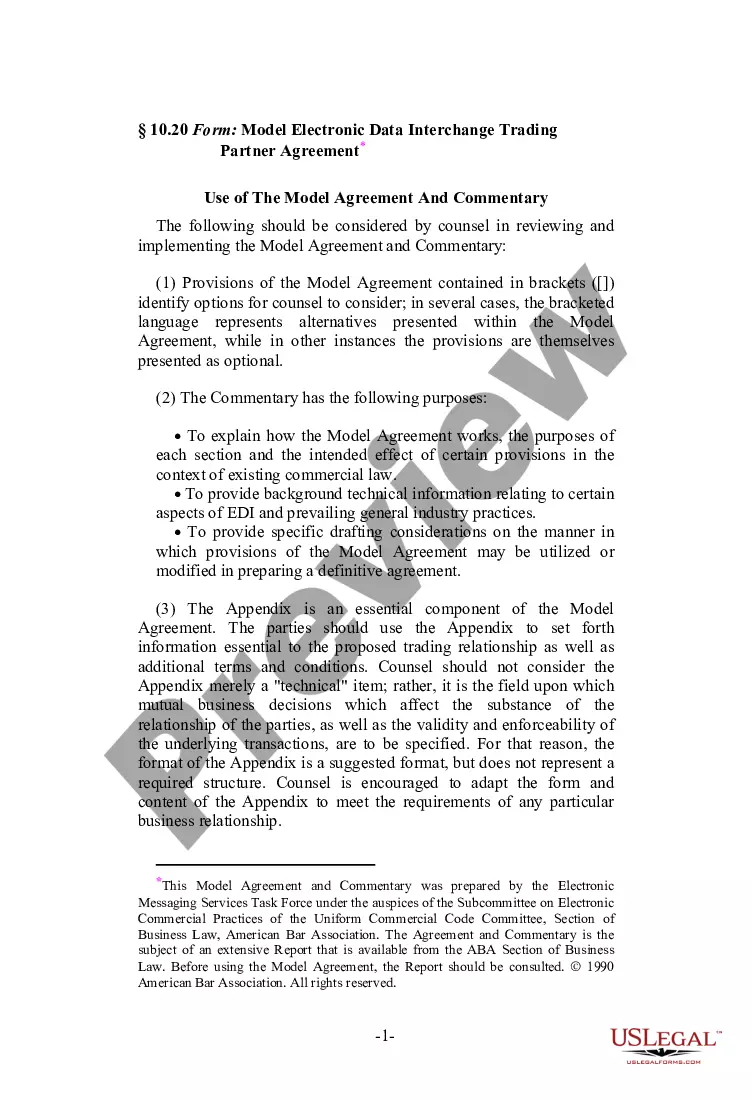
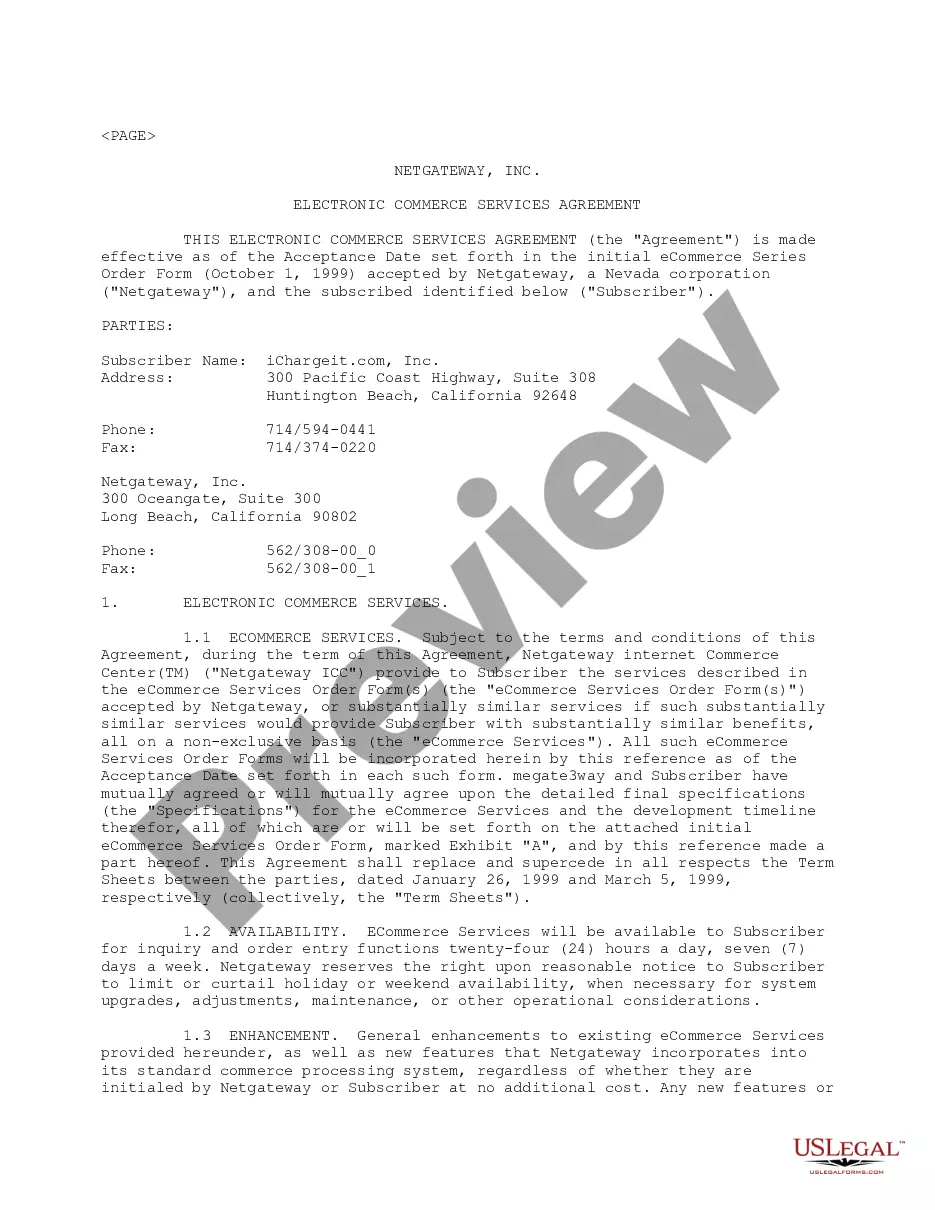
Get your form ready online
Our built-in tools help you complete, sign, share, and store your documents in one place.
Make edits, fill in missing information, and update formatting in US Legal Forms—just like you would in MS Word.
Download a copy, print it, send it by email, or mail it via USPS—whatever works best for your next step.
Sign and collect signatures with our SignNow integration. Send to multiple recipients, set reminders, and more. Go Premium to unlock E-Sign.
If this form requires notarization, complete it online through a secure video call—no need to meet a notary in person or wait for an appointment.
We protect your documents and personal data by following strict security and privacy standards.

Make edits, fill in missing information, and update formatting in US Legal Forms—just like you would in MS Word.

Download a copy, print it, send it by email, or mail it via USPS—whatever works best for your next step.

Sign and collect signatures with our SignNow integration. Send to multiple recipients, set reminders, and more. Go Premium to unlock E-Sign.

If this form requires notarization, complete it online through a secure video call—no need to meet a notary in person or wait for an appointment.

We protect your documents and personal data by following strict security and privacy standards.
Looking for another form?

Form popularity
FAQ
Procedure to Start an E-commerce Company Step 1: Decide Your Business Model. Step 2: Domain Name Registration. Step 3: Design E-commerce Company Website. Step 4: Building a Brand. Step 5: Business Registration. Step 6: Open a Bank Account. Step 7: Tax Registration - Obtain GST Registration.
Start an Online eCommerce Business Choose your niche. Do your research. Choose your product and target market. Validate your product. Decide how you'll get your product. Write your business plan. Pick your business name and legal structure. Apply for your EIN, permits, and licenses.
ECommerce law refers to laws that regulate transactions which occur over the internet as well as internet da- ta storage. This body of law encompasses online contracts, privacy policies, e-signatures, and online buying, selling, and advertising procedures.
If you're new to ecommerce, you may want to start small and scale up. Selling on your own website is an option if you have the time, resources, and skills to customize a website, create a seamless online experience, and compete on the internet to get customers to your virtual doorstep.
When writing ecommerce or e-commerce, only use capital letters when they are in a title or at the beginning of a sentence. Capitalize the E and C the way you would if you were writing out the words “electronic commerce.” At the beginning of a sentence, they appear as Ecommerce and E-commerce (Electronic commerce).
Ing to Merriam-Webster, the correct spelling is “e-commerce,” with a hyphen. This matches the dictionary's trend to hyphenate terms with the prefix “e-,” like “e-business.”
The standard definition of E-commerce is a commercial transaction which is happened over the internet. Online stores like Amazon, Flipkart, Shopify, Myntra, Ebay, Quikr, Olx are examples of E-commerce websites. By 2020, global retail e-commerce can reach up to $27 Trillion.
In the beginning, it was usually spelled as “e-commerce,” with a hyphen between “e” and “commerce.” But as technology improved and the word “ecommerce” became more common, the spelling changed to “ecommerce” without the hyphen.
The Associated Press (AP) Stylebook, a trusted grammar reference, leans towards 'e-commerce', holding onto the hyphen as a symbol of its etymological roots: “AP uses hyphenated e- for generic terms such as e-commerce and e-strategies. One exception: email (no hyphen, which reflects majority of usage).
