E-commerce Rules In California
Description

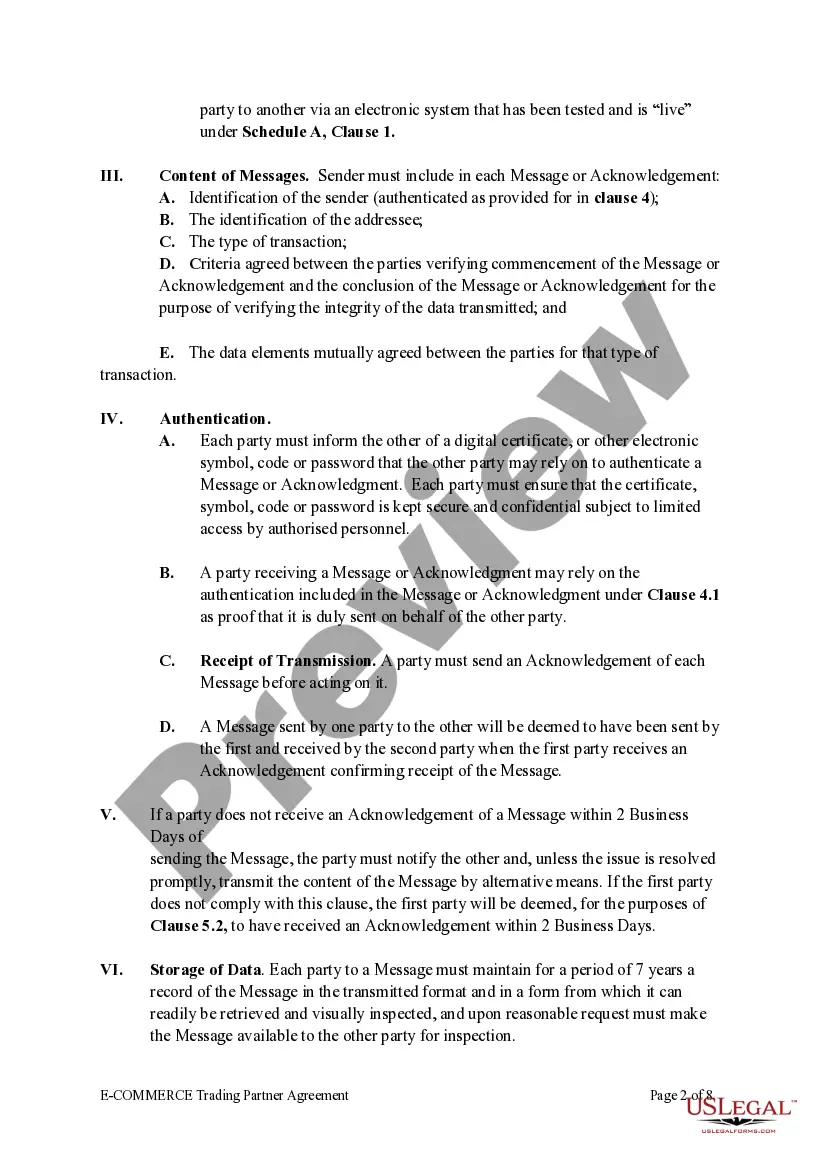
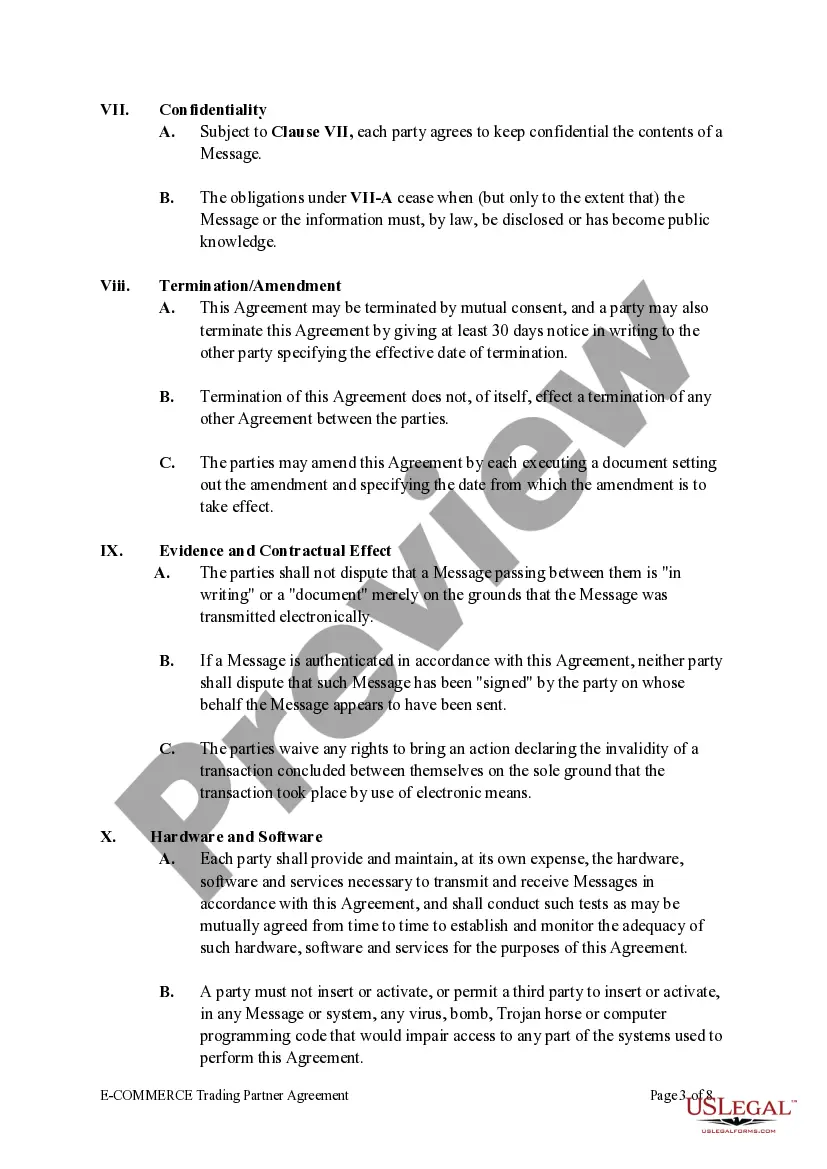
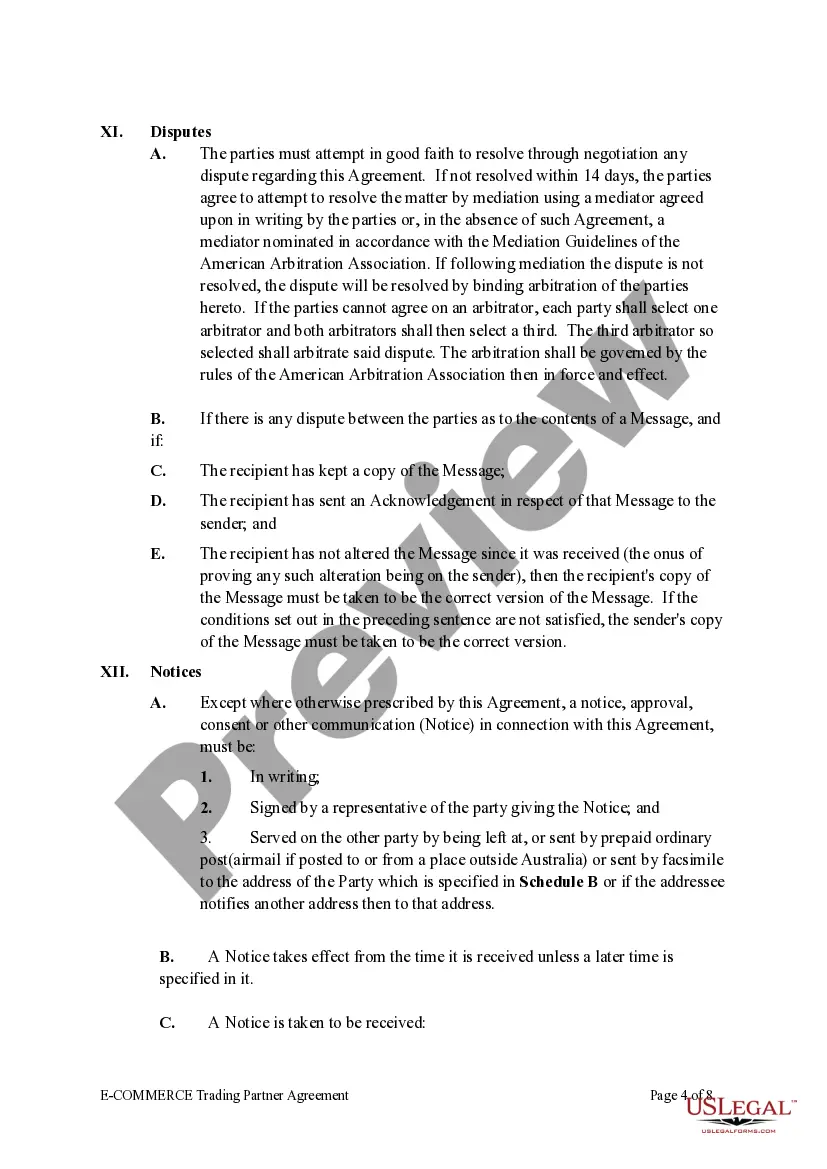
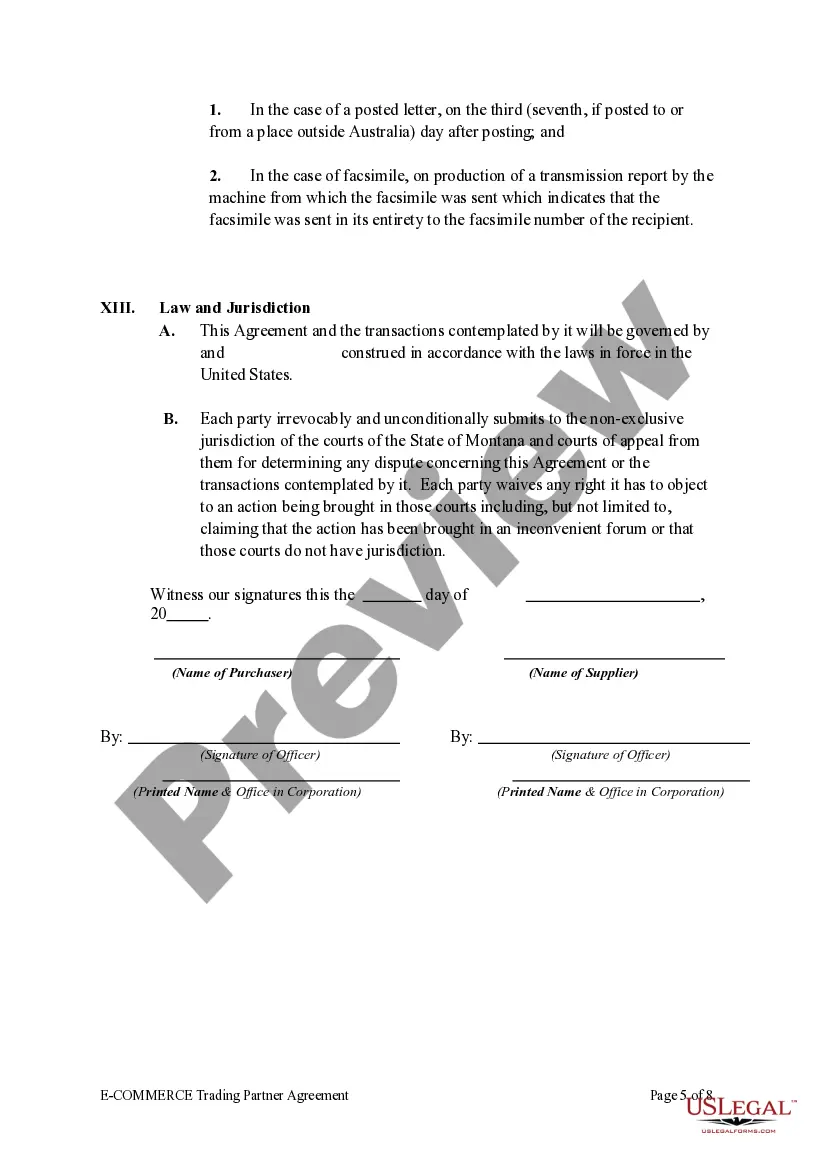


Get your form ready online
Our built-in tools help you complete, sign, share, and store your documents in one place.
Make edits, fill in missing information, and update formatting in US Legal Forms—just like you would in MS Word.
Download a copy, print it, send it by email, or mail it via USPS—whatever works best for your next step.
Sign and collect signatures with our SignNow integration. Send to multiple recipients, set reminders, and more. Go Premium to unlock E-Sign.
If this form requires notarization, complete it online through a secure video call—no need to meet a notary in person or wait for an appointment.
We protect your documents and personal data by following strict security and privacy standards.

Make edits, fill in missing information, and update formatting in US Legal Forms—just like you would in MS Word.

Download a copy, print it, send it by email, or mail it via USPS—whatever works best for your next step.

Sign and collect signatures with our SignNow integration. Send to multiple recipients, set reminders, and more. Go Premium to unlock E-Sign.

If this form requires notarization, complete it online through a secure video call—no need to meet a notary in person or wait for an appointment.

We protect your documents and personal data by following strict security and privacy standards.
Looking for another form?






Form popularity
FAQ
In California, you might need to obtain a home occupation permit if you're running your dropshipping business from home. However, it costs $100 and takes two weeks to obtain. So, accurately keeping track of your income and expenses is essential for knowing your business's financial health.
Nearly all US states require a Seller's Permit to legally sell products online, but the requirements, fees, and other details vary by state. Check with your state's Licensing Office or Department of Revenue to make sure you get the right permits.
Applying for a business license often requires: Determining legal structure - for instance, whether you are a sole proprietor or limited liability corporation. A detailed description of your business's activities. A sales tax license, which you can obtain from your state agency.
A seller's permit is applicable to individuals (sole proprietorship) as well as corporations and limited liability companies. Every new business in the state will need to apply for a general online business license in California, which is issued by cities or counties.
Procedure to Start an E-commerce Company Step 1: Decide Your Business Model. Step 2: Domain Name Registration. Step 3: Design E-commerce Company Website. Step 4: Building a Brand. Step 5: Business Registration. Step 6: Open a Bank Account. Step 7: Tax Registration - Obtain GST Registration.
Applying for a business license often requires: Determining legal structure - for instance, whether you are a sole proprietor or limited liability corporation. A detailed description of your business's activities. A sales tax license, which you can obtain from your state agency.
Steps to Start an eCommerce Business Write a Business Plan. Choose a Business Name. Choose Your Business Entity Type. Register Your Business. Get an EIN. Set Up Business Bank and Credit Accounts. Obtain Business Licenses and Permits. Establish Vendor Relationships.
The first law of e-commerce states: “if the customer can't find the product or service, the customer cannot buy the product or service.” In fact, there are many additional usability concerns in e-commerce beyond the simple ability to locate a desired product or service.
ECommerce law refers to laws that regulate transactions which occur over the internet as well as internet da- ta storage. This body of law encompasses online contracts, privacy policies, e-signatures, and online buying, selling, and advertising procedures.
