E Commerce Agreement For Service Industry In Bexar
Description

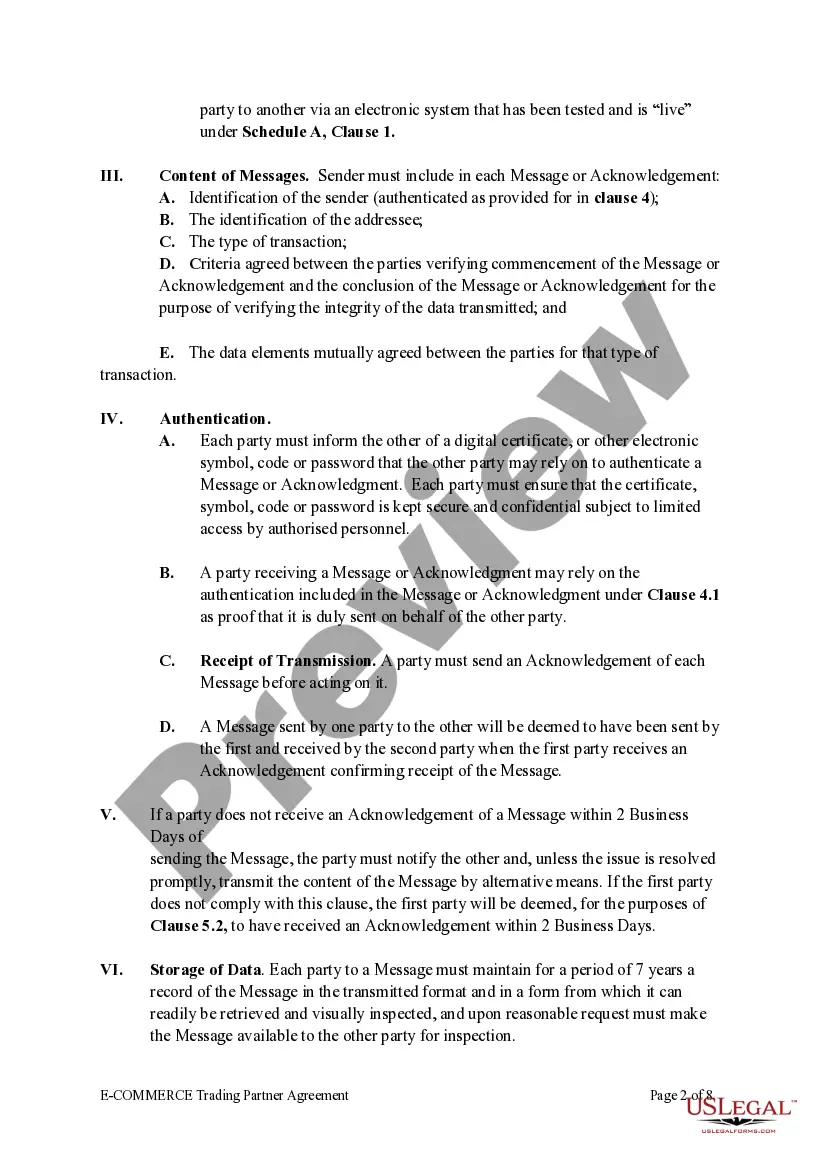
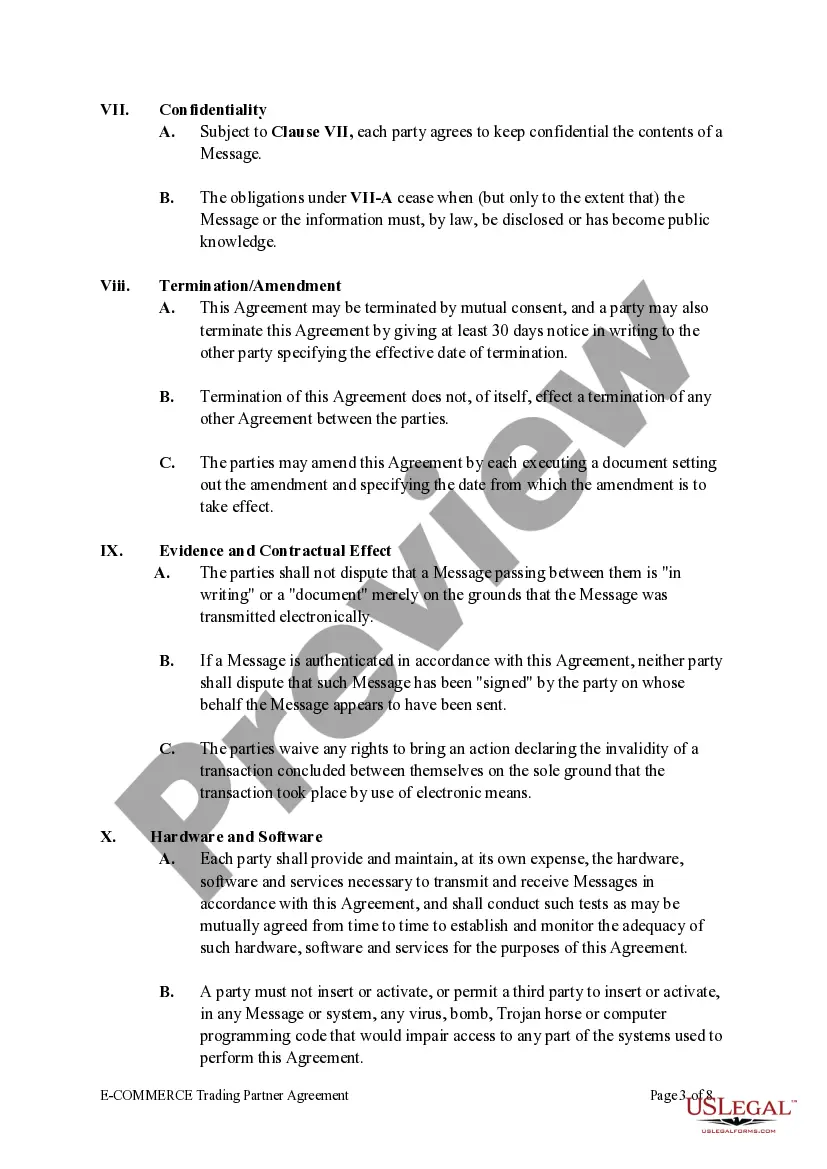
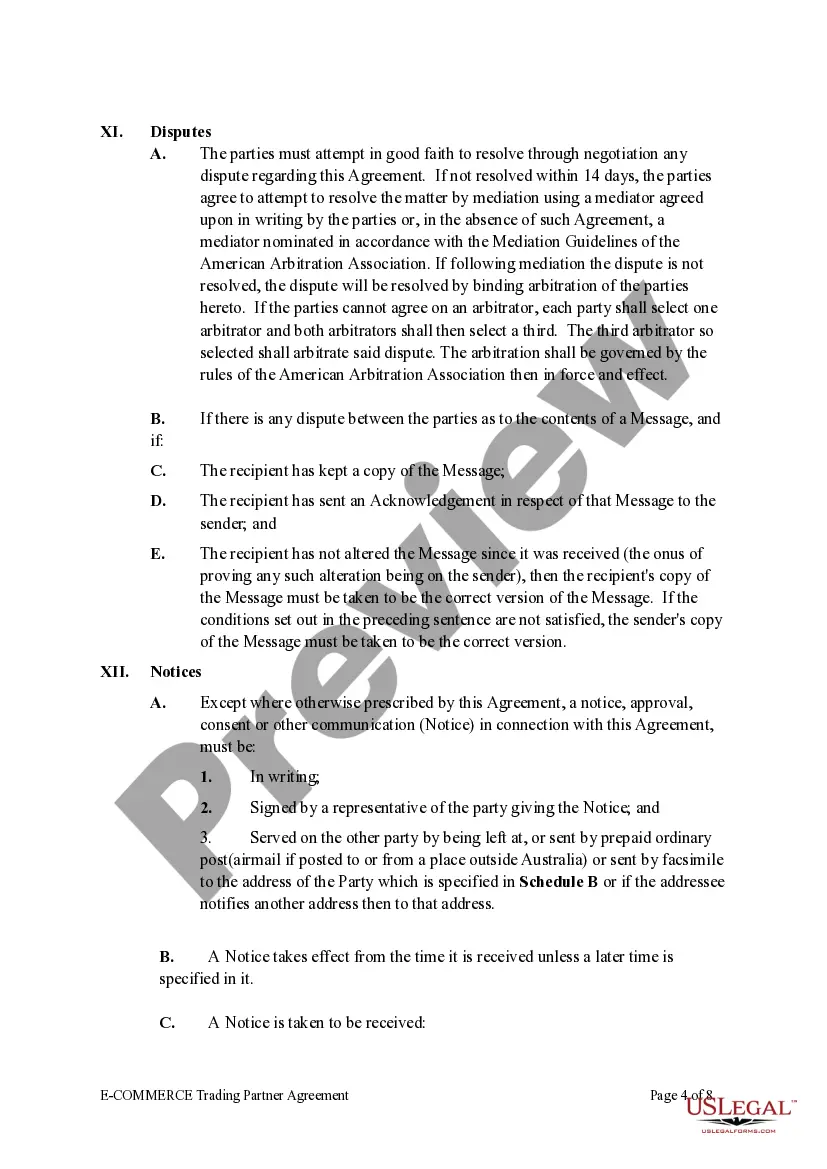
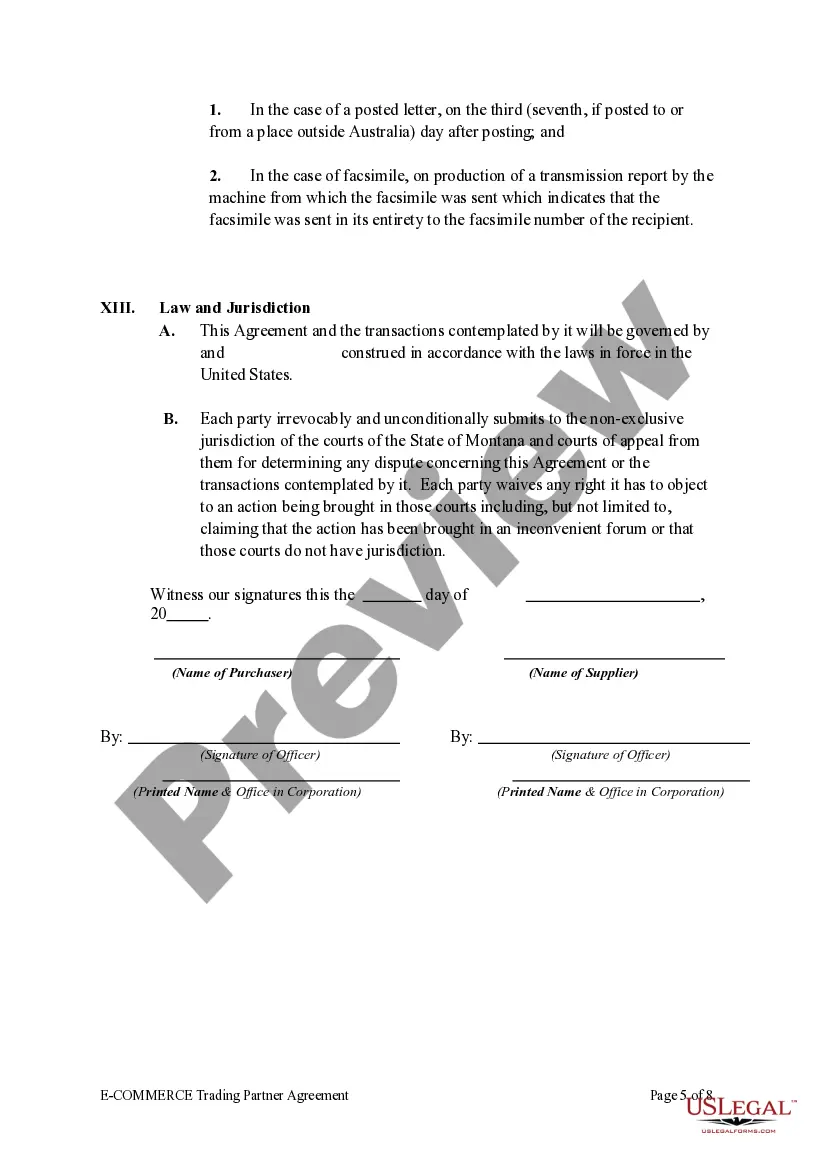
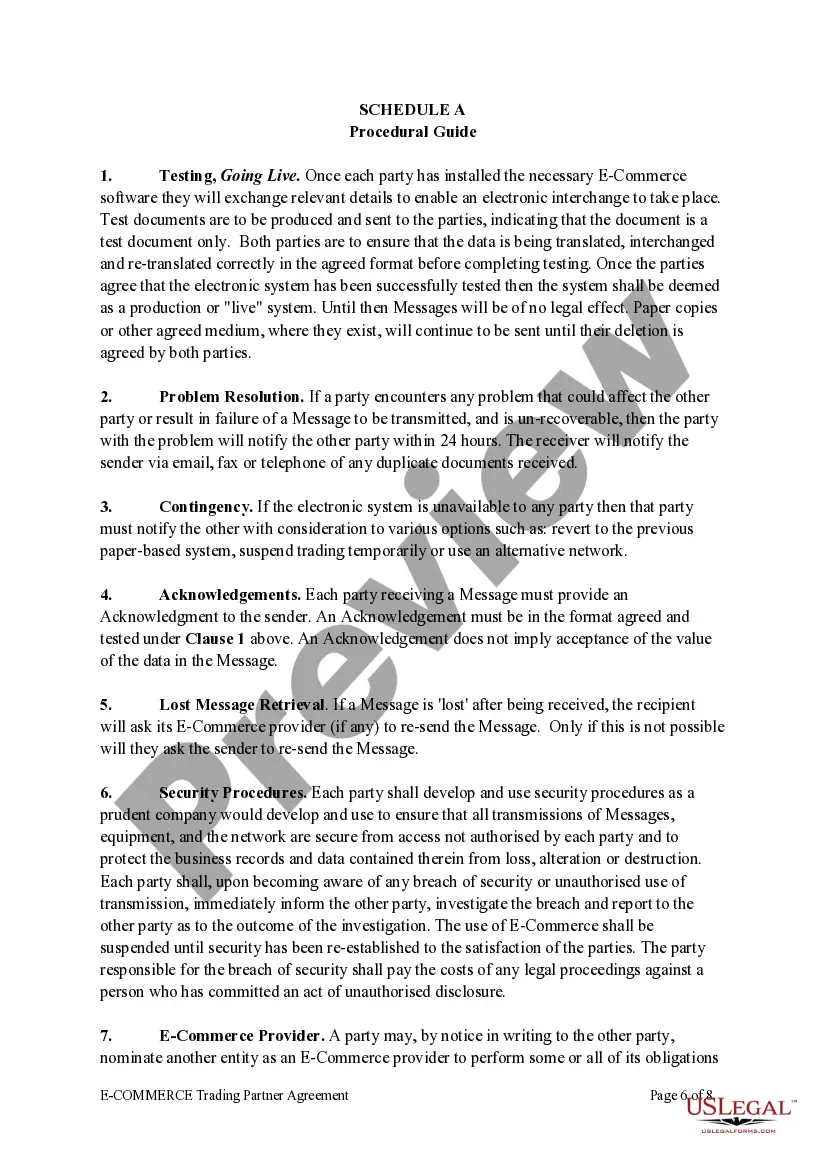
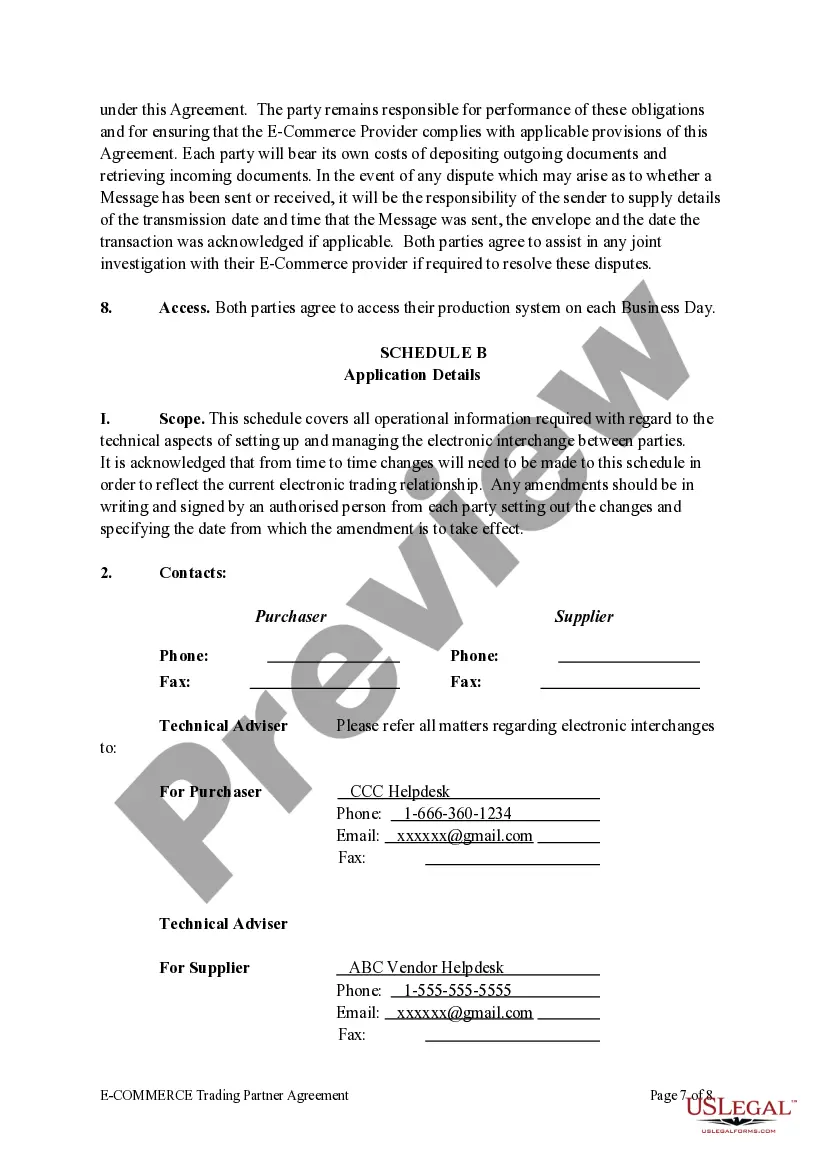

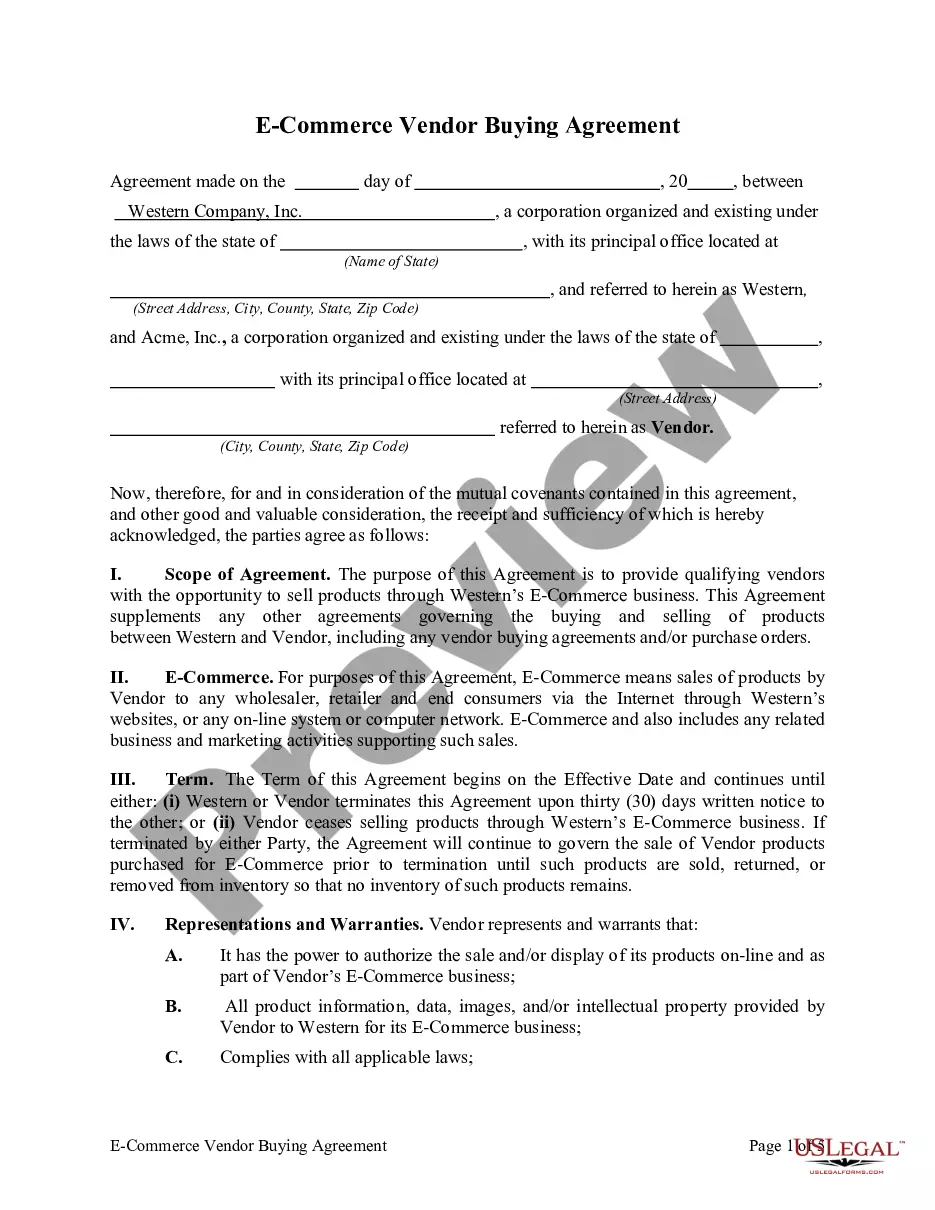
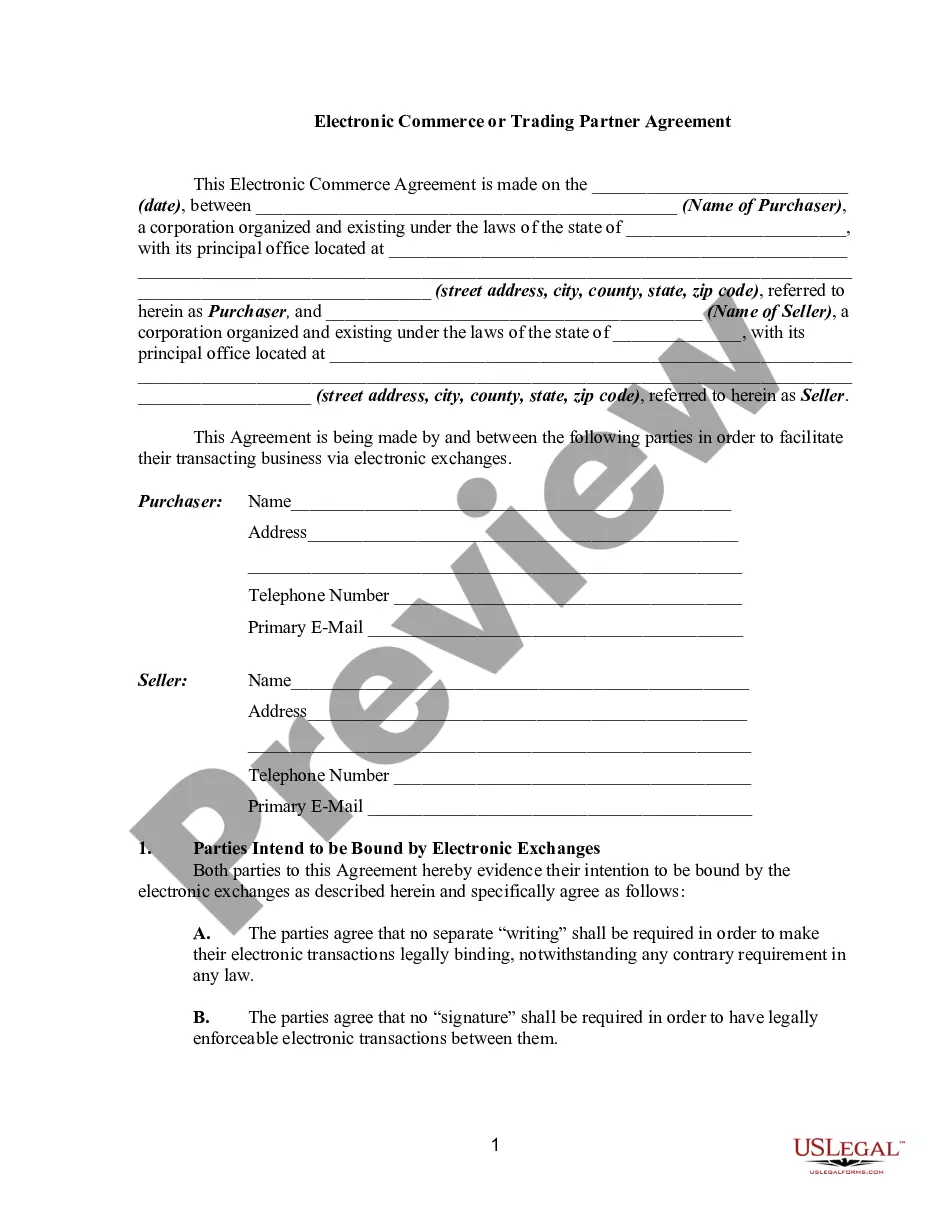
Get your form ready online
Our built-in tools help you complete, sign, share, and store your documents in one place.
Make edits, fill in missing information, and update formatting in US Legal Forms—just like you would in MS Word.
Download a copy, print it, send it by email, or mail it via USPS—whatever works best for your next step.
Sign and collect signatures with our SignNow integration. Send to multiple recipients, set reminders, and more. Go Premium to unlock E-Sign.
If this form requires notarization, complete it online through a secure video call—no need to meet a notary in person or wait for an appointment.
We protect your documents and personal data by following strict security and privacy standards.

Make edits, fill in missing information, and update formatting in US Legal Forms—just like you would in MS Word.

Download a copy, print it, send it by email, or mail it via USPS—whatever works best for your next step.

Sign and collect signatures with our SignNow integration. Send to multiple recipients, set reminders, and more. Go Premium to unlock E-Sign.

If this form requires notarization, complete it online through a secure video call—no need to meet a notary in person or wait for an appointment.

We protect your documents and personal data by following strict security and privacy standards.
Looking for another form?


Form popularity
FAQ
In general, sole proprietorships and partnerships need to register and file the business name (DBA or assumed name) with their local county clerk's office. If you decide to incorporate, the Secretary of State's Office (SOS) website has information on choosing the right legal structure for you.
The City of San Antonio Development Services Department at 1901 S. Alamo St. is a one stop shop for required permits, licenses, zoning, and certificates to operate a business in San Antonio.
How do I register my business name or get an Assumed Name: Doing Business As (DBA)? Visit the Bexar County Clerk's office at the Bexar County Paul Elizondo Tower, next to the Courthouse to register the business name, 1st floor 101 W. Nueva (Notary public onsite) Call them at (210) 335-2223 or visit them on the web.
Do I need a Business License? The City of San Antonio does not have a general business license. The type of license or permit needed is based on the product or service you plan to provide.
First, the name must include the words “Limited Liability Company” or one of its abbreviations, such as “LLC” or “L.L.C.” This requirement helps clarify the legal structure of the business to the public. Second, the name must be distinguishable from other LLC names already on file with the Texas Secretary of State.
commerce, put simply, is the practice of buying and selling goods or services using the Internet. It has gained immense popularity as a way of doing business because it's convenient and accessible at the same time.
A person managing online sales for a brand or retailer has multiple responsibilities. These professionals are responsible for online brand sales and the maintenance of a consistent image and message on the internet, particularly on the company's website. They must know graphics and may manage teams of other designers.
commerce (electronic commerce) is the buying and selling of goods and services, or the transmitting of funds or data, over an electronic network, primarily the internet.
The Electronic Signatures in Global and National Commerce Act (E-Sign Act), 1 signed into law on June 30, 2000, provides a general rule of validity for electronic records and signatures for transactions in or affecting interstate or foreign commerce.
