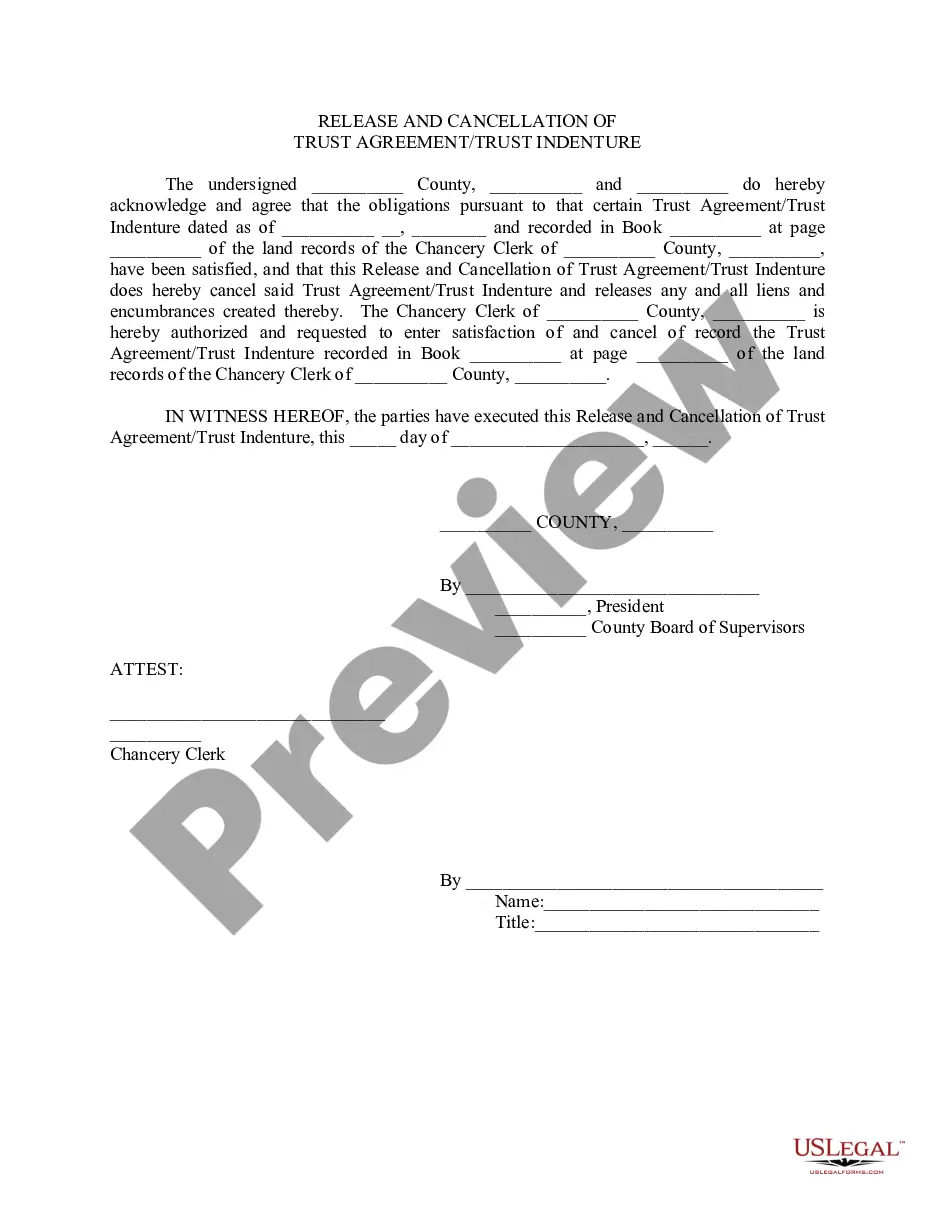
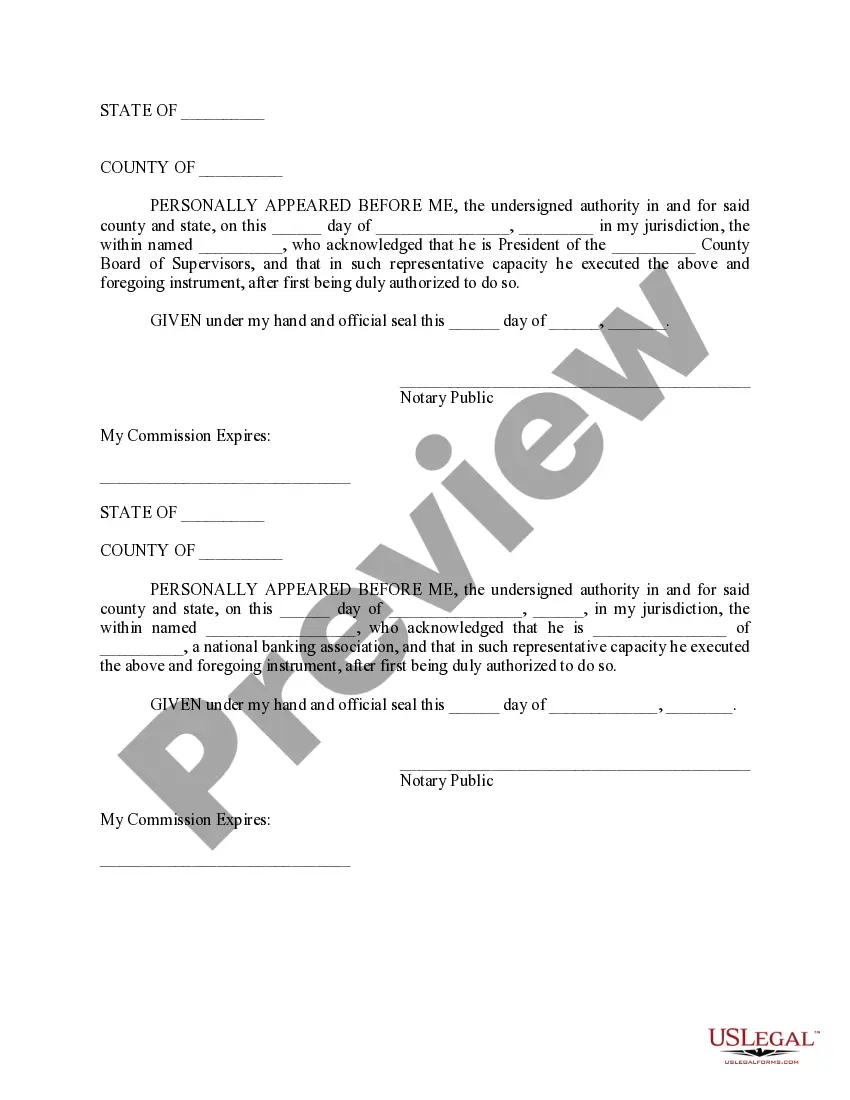
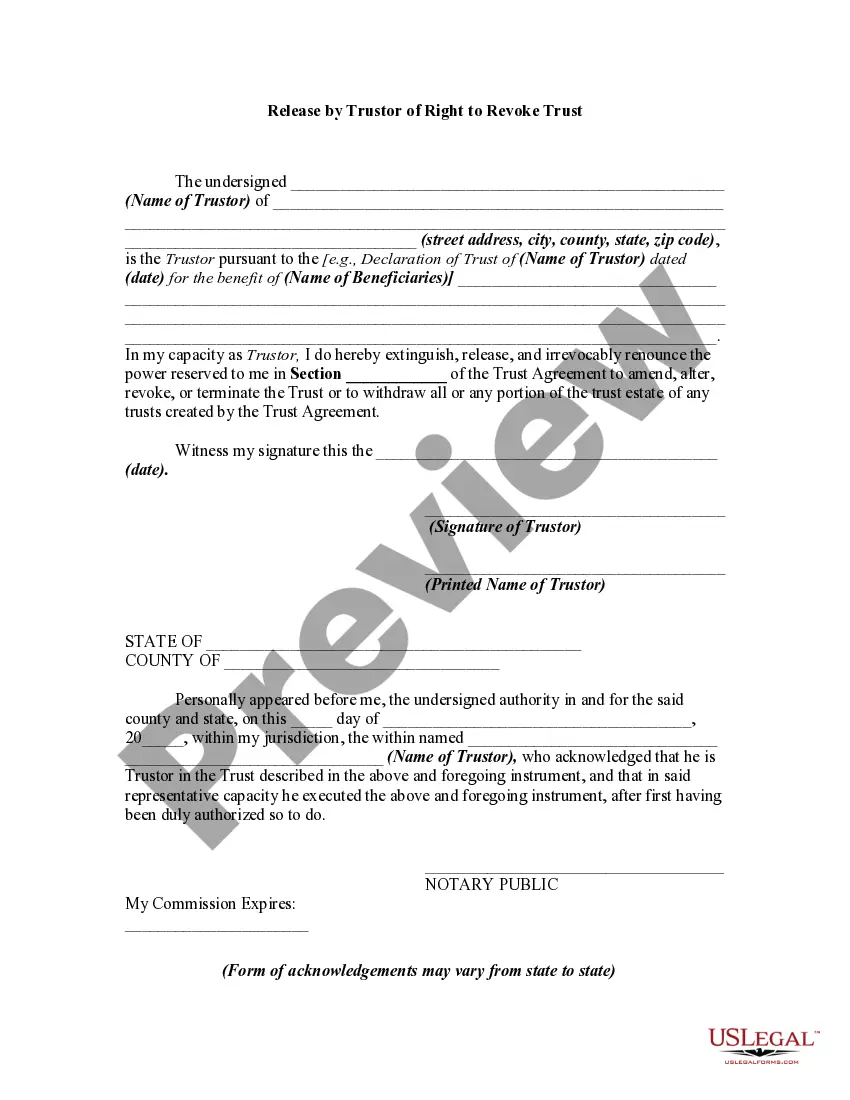
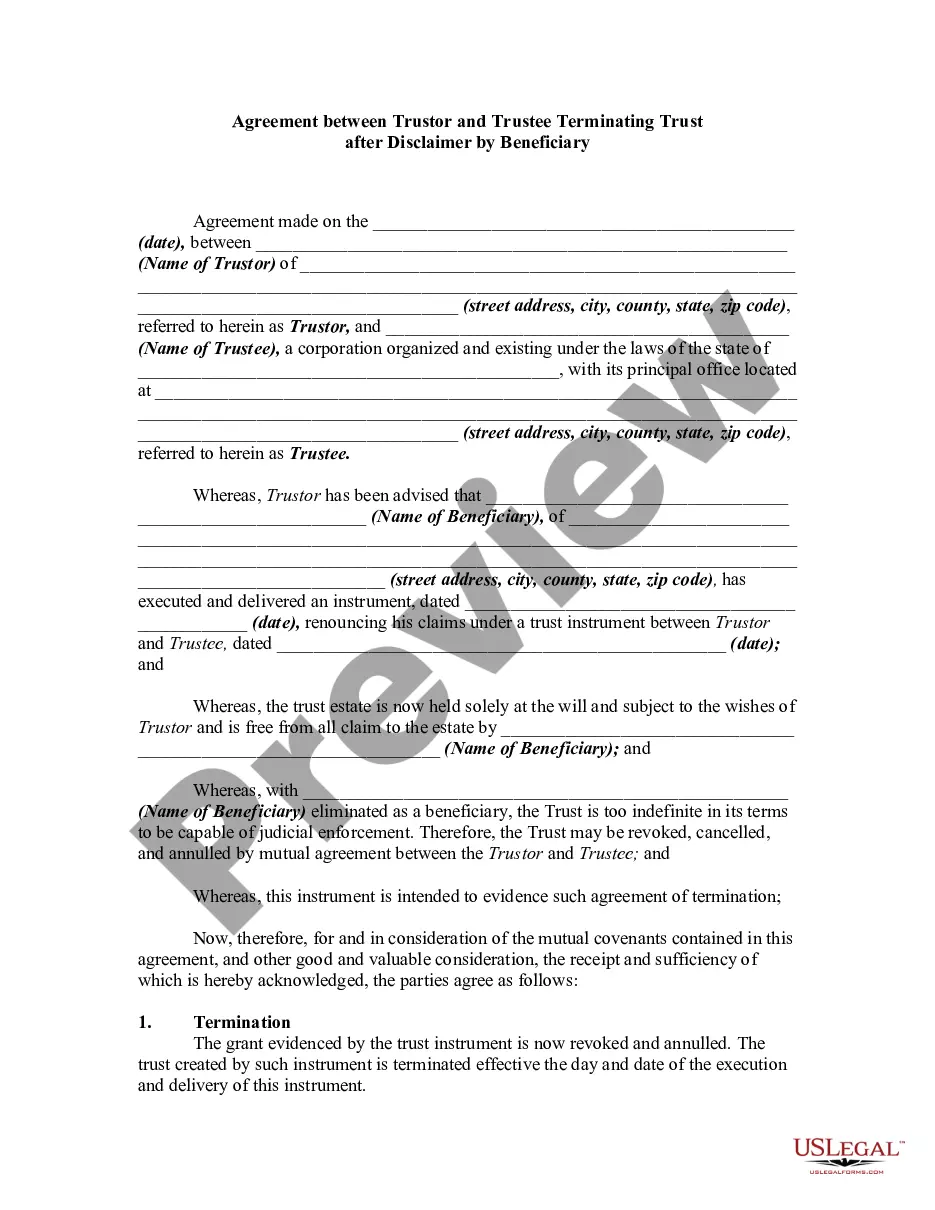
Indenture For Land In Sacramento
Description
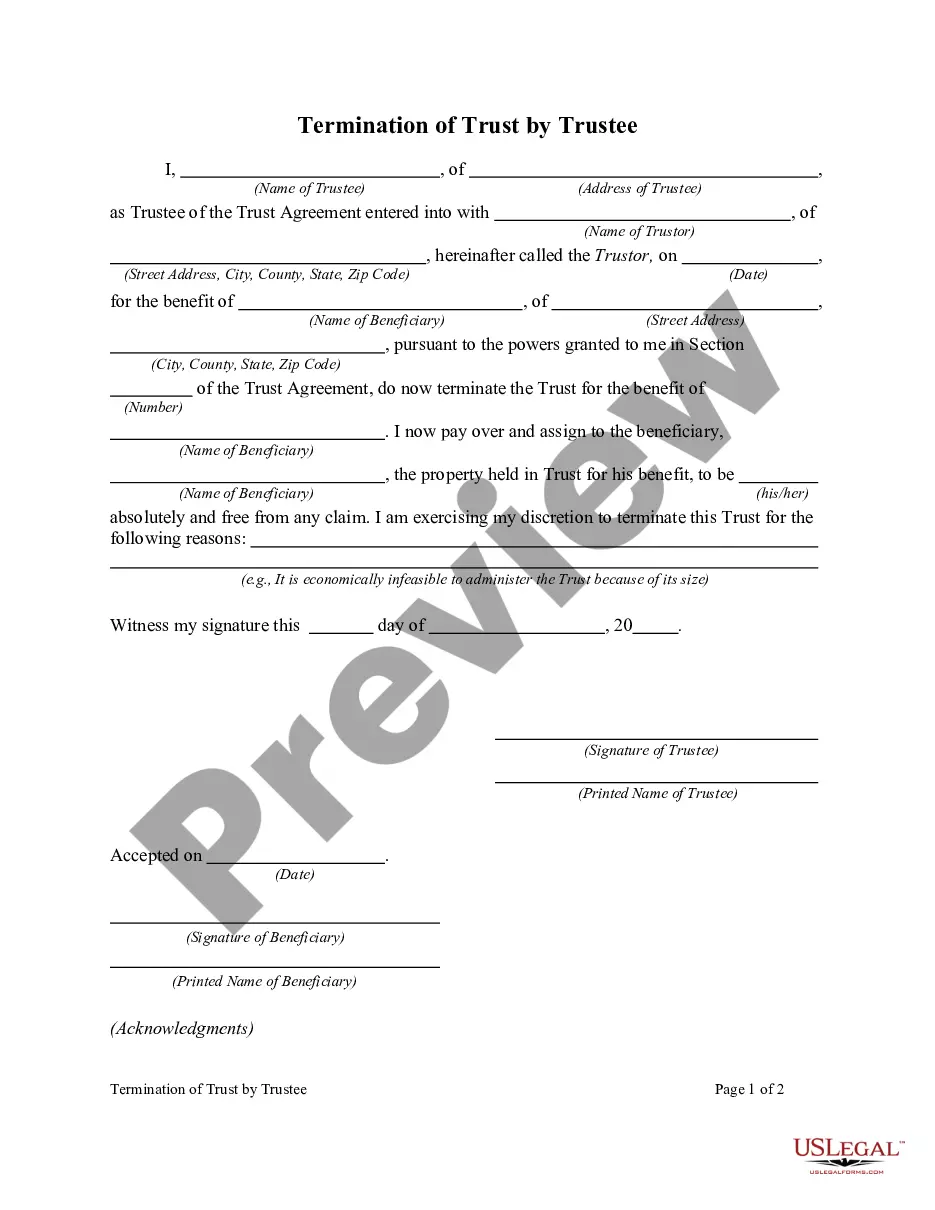
Get your form ready online
Our built-in tools help you complete, sign, share, and store your documents in one place.
Make edits, fill in missing information, and update formatting in US Legal Forms—just like you would in MS Word.
Download a copy, print it, send it by email, or mail it via USPS—whatever works best for your next step.
Sign and collect signatures with our SignNow integration. Send to multiple recipients, set reminders, and more. Go Premium to unlock E-Sign.
If this form requires notarization, complete it online through a secure video call—no need to meet a notary in person or wait for an appointment.
We protect your documents and personal data by following strict security and privacy standards.

Make edits, fill in missing information, and update formatting in US Legal Forms—just like you would in MS Word.

Download a copy, print it, send it by email, or mail it via USPS—whatever works best for your next step.

Sign and collect signatures with our SignNow integration. Send to multiple recipients, set reminders, and more. Go Premium to unlock E-Sign.

If this form requires notarization, complete it online through a secure video call—no need to meet a notary in person or wait for an appointment.

We protect your documents and personal data by following strict security and privacy standards.
Looking for another form?


Form popularity
FAQ
The Trust Indenture Act of 1939 requires corporate bonds of $5 million or more offered for public sale to have a trust indenture, which is a contract between the bond issuer and bondholder. This makes the mortgage bond the correct answer.
(9) The term ''indenture to be qualified'' means (A) the in- denture under which there has been or is to be issued a secu- rity in respect of which a particular registration statement has been filed, or (B) the indenture in respect of which a particular application has been filed.
Real Estate Indenture An indenture is a deed that establishes ongoing responsibilities between two parties in real estate.
In real estate, an indenture is a deed in which two parties agree to continuing obligations. For example, one party may agree to maintain a property and the other may agree to make payments on it.
The Trust Indenture Act requires certain prospectus disclosure about the debt securities in registered offerings. Most offerings of debt securities that are exempt from registration under the Securities Act of 1933 are also exempt from the Trust Indenture Act requirements.
To issue a bond, the issuer hires a third-party trustee, usually a bank or trust company, to represent investors who buy the bond. The agreement entered into by the issuer, and the trustee is referred to as the trust indenture.
An indenture is a deed with more than one party. In the old days they were written out, two copies, on a single piece of parchment then roughly cut, so the parts could later be compared. A deed of trust has at least two parties, the settler and the trustee, so it could be called an indenture.
To be valid, a grant deed must include the names of the grantor and the grantee, a description of the property being transferred, words of conveyance, and the grantor's signature. Some states require a notary public to witness the transfer of a deed.
For a deed to be legal, it must state the name of the buyer and the seller, describe the property being transferred, and include the signature of the party transferring the property. In addition to being either official or private, deeds are classified as general warranty, special warranty, or quitclaim.
In Sacramento County, as in many counties, the recorder's office is combined with the county clerk's office. The office is located at: 3636 American River Drive, Ste. 110, Sacramento CA 95864, and can be phoned at (916) 874-6334.
