Sentence With Indenture In Ohio
Description
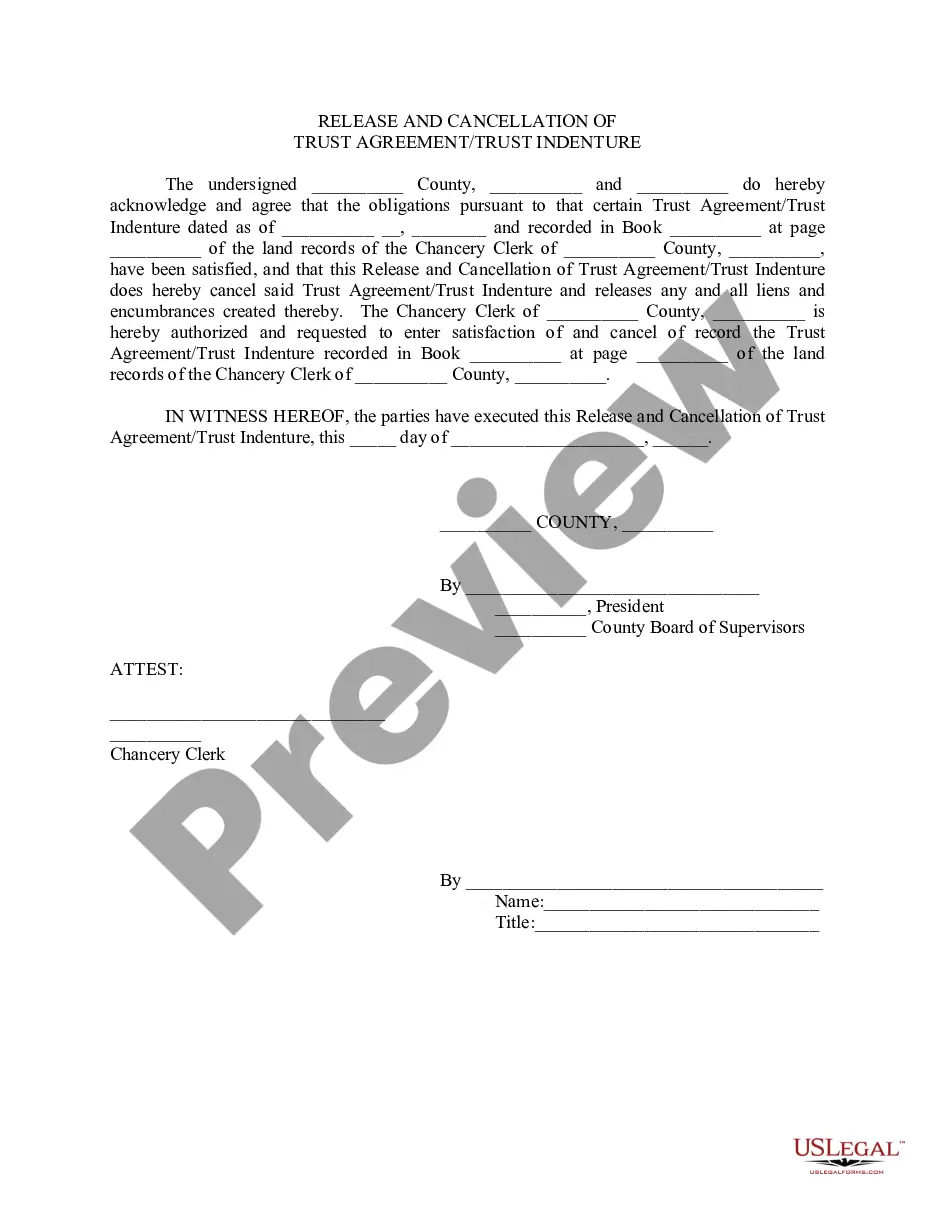
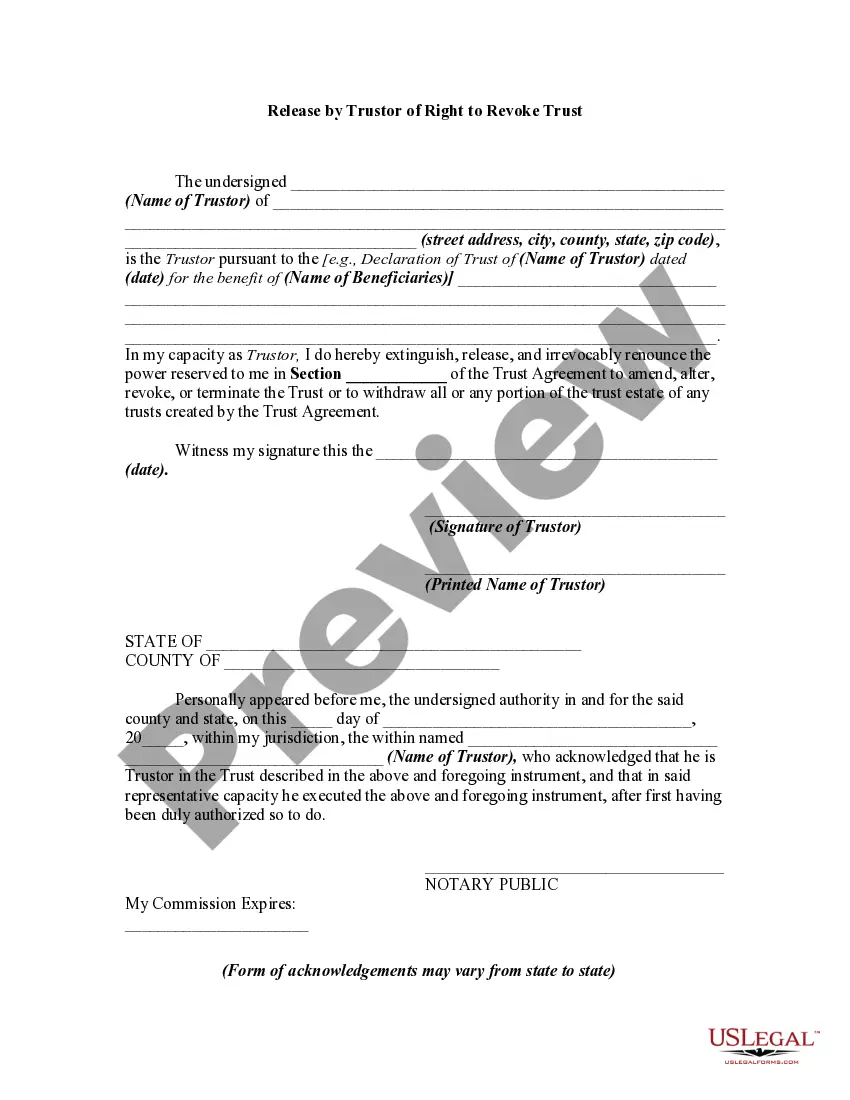
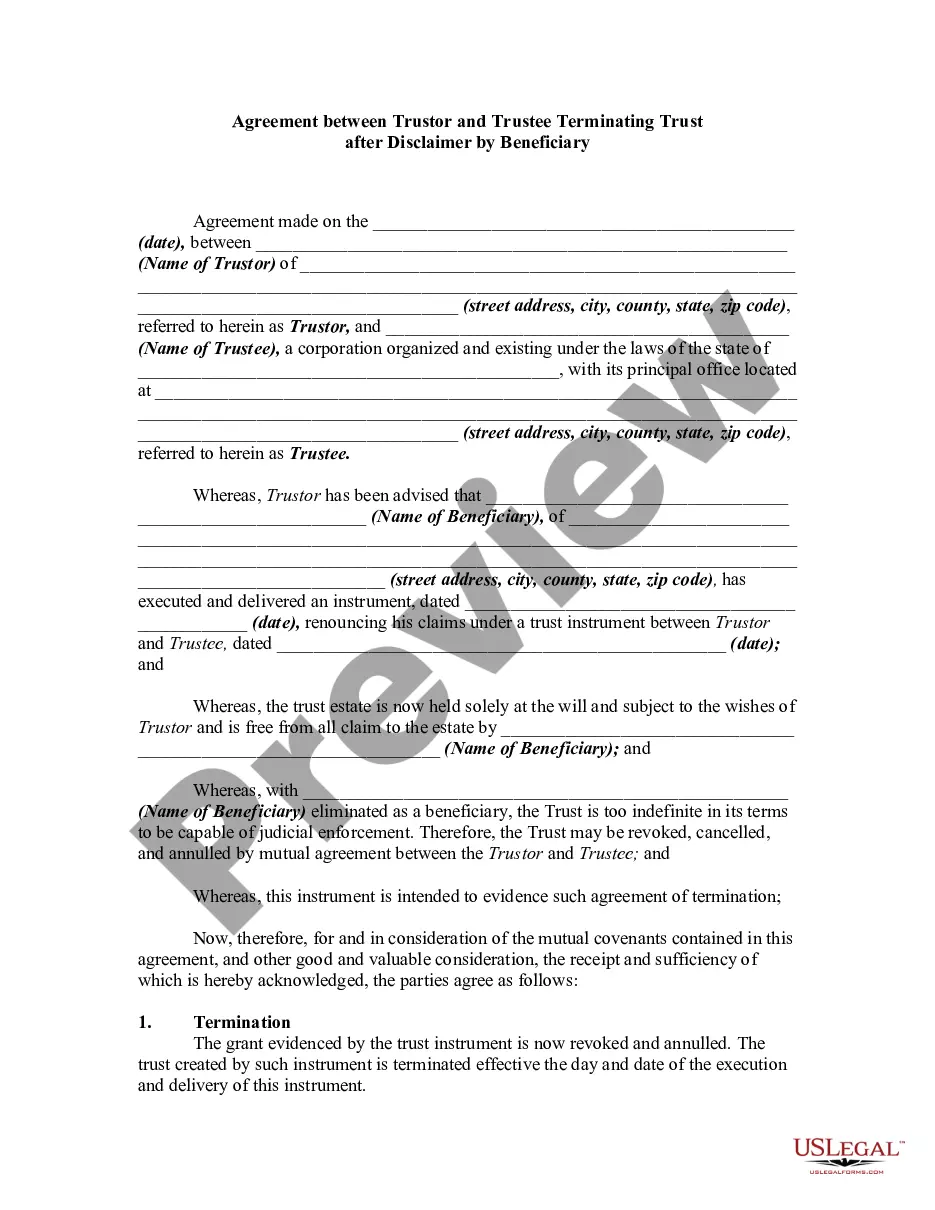
Get your form ready online
Our built-in tools help you complete, sign, share, and store your documents in one place.
Make edits, fill in missing information, and update formatting in US Legal Forms—just like you would in MS Word.
Download a copy, print it, send it by email, or mail it via USPS—whatever works best for your next step.
Sign and collect signatures with our SignNow integration. Send to multiple recipients, set reminders, and more. Go Premium to unlock E-Sign.
If this form requires notarization, complete it online through a secure video call—no need to meet a notary in person or wait for an appointment.
We protect your documents and personal data by following strict security and privacy standards.

Make edits, fill in missing information, and update formatting in US Legal Forms—just like you would in MS Word.

Download a copy, print it, send it by email, or mail it via USPS—whatever works best for your next step.

Sign and collect signatures with our SignNow integration. Send to multiple recipients, set reminders, and more. Go Premium to unlock E-Sign.

If this form requires notarization, complete it online through a secure video call—no need to meet a notary in person or wait for an appointment.

We protect your documents and personal data by following strict security and privacy standards.
Looking for another form?


Form popularity
FAQ
Examples from the Collins Corpus Nobody should make themselves an indentured servant to another person like this. Then she went in as an indentured servant to a big farm. Before long these enslaved cooks took the roles that had once been occupied by white indentured servants.
Bound by or occurring under a written contract or formal agreement, especially to work for another: The five indentured electrical apprentices of the second-year class were sworn into the union on Thursday. Born in Belfast in 1949, he studied art while serving an indentured apprenticeship at a shipyard.
On the completion of his indenture, he continued to attend night school. The apprenticeship indentures were signed by the guild master and the apprentice's guardian.
On the completion of his indenture, he continued to attend night school. The apprenticeship indentures were signed by the guild master and the apprentice's guardian.
They bound themselves to work as indentured labourers for a set number of years on the plantations. This example is from Wikipedia and may be reused under a CC BY-SA license. Between 1834 and 1921, around half a million indentured labourers were present on the island.
Meaning of indentured in English relating to an official agreement that someone will work for someone else for a length of time, especially in order to learn a job: He served an indentured apprenticeship in mechanical engineering.
The term is used for any kind of deed executed by more than one party, in contrast to a deed poll which is made by one individual. In the case of bonds, the indenture shows the pledge, promises, representations and covenants of the issuing party.
An indenture is a particular formal contract or deed made between two or more parties. Beginning in medieval England, an indenture can be defined as a specific agreement within a contract noted with a specific duration or significance.
The indenture typically: (1) clearly describes and defines the issued debt securities; (2) specifies the rights of the parties, including the duties of the trustee as a third-party administrator; (3) sets forth the borrower's obligation to make payments; and (4) outlines the remedies available to the noteholders if the ...
