Indenture For Sale In Ohio
Description
Get your form ready online
Our built-in tools help you complete, sign, share, and store your documents in one place.
Make edits, fill in missing information, and update formatting in US Legal Forms—just like you would in MS Word.
Download a copy, print it, send it by email, or mail it via USPS—whatever works best for your next step.
Sign and collect signatures with our SignNow integration. Send to multiple recipients, set reminders, and more. Go Premium to unlock E-Sign.
If this form requires notarization, complete it online through a secure video call—no need to meet a notary in person or wait for an appointment.
We protect your documents and personal data by following strict security and privacy standards.

Make edits, fill in missing information, and update formatting in US Legal Forms—just like you would in MS Word.

Download a copy, print it, send it by email, or mail it via USPS—whatever works best for your next step.

Sign and collect signatures with our SignNow integration. Send to multiple recipients, set reminders, and more. Go Premium to unlock E-Sign.

If this form requires notarization, complete it online through a secure video call—no need to meet a notary in person or wait for an appointment.

We protect your documents and personal data by following strict security and privacy standards.
Looking for another form?





Form popularity
FAQ
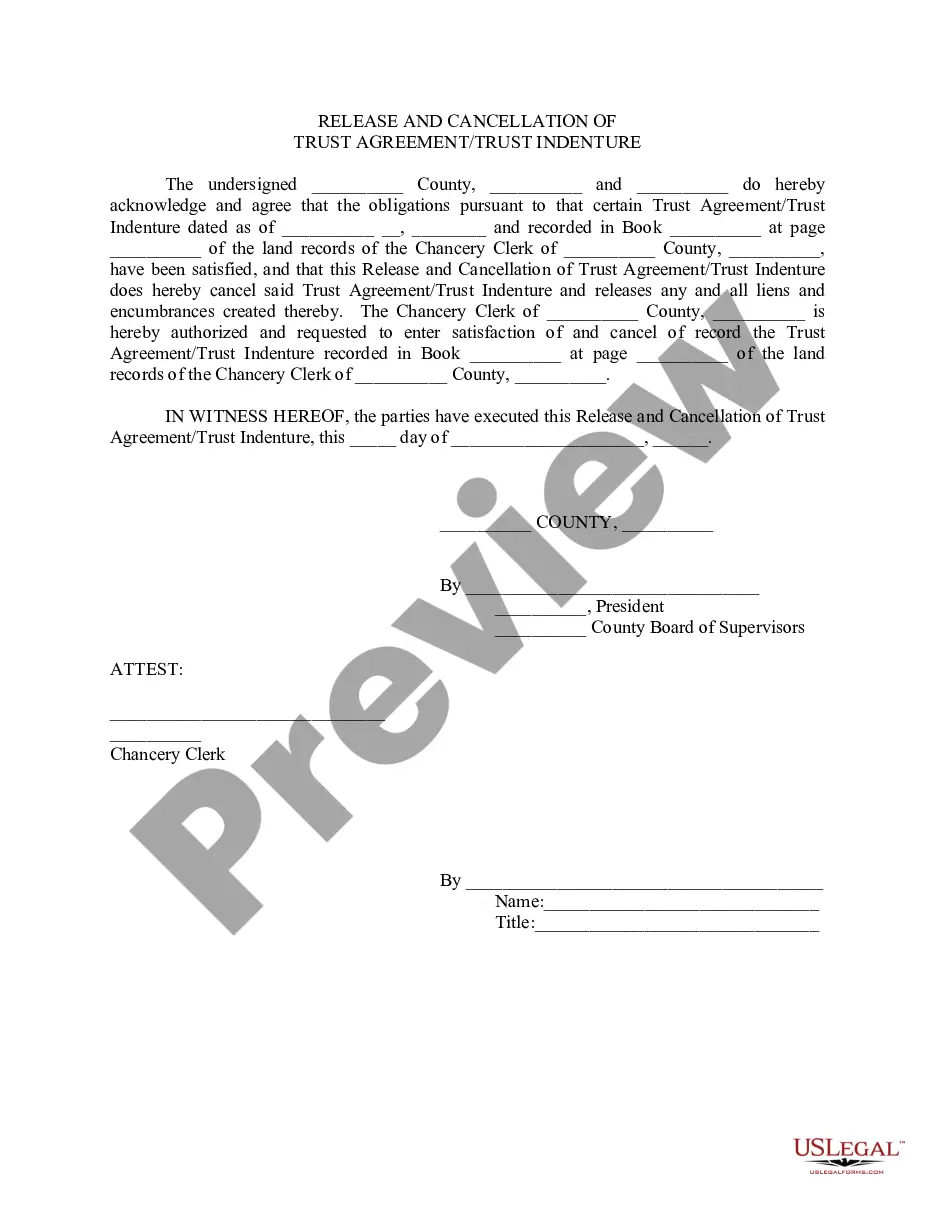
An indenture is a deed with more than one party. In the old days they were written out, two copies, on a single piece of parchment then roughly cut, so the parts could later be compared. A deed of trust has at least two parties, the settler and the trustee, so it could be called an indenture.
Ohio's Blue Sky Laws, alongside the SEC's Regulation D, provide a regulatory framework that governs the offer and sale of securities within the state. Understanding these laws is essential to ensure compliance, protect investors, and facilitate successful capital-raising efforts.
An indenture is a legal and binding contract usually associated with bond agreements, real estate, or bankruptcy. An indenture provides detailed information on terms, clauses, and covenants. There can be a few different types of indentures and many different types of indenture clauses.
The Indenture pledges certain revenues as security for repayment of the Bonds. The Trustee agrees to act on behalf of the holders of the Bonds and to represent their interests.
Co., 758 F. 2d 811, 816 (2d Cir. 1985) (“Unlike the ordinary trustee, who has historic common-law duties imposed beyond those in the trust agreement, an indenture trustee is more like a stakeholder whose duties and obligations are exclusively defined by the terms of the indenture agreement.”); Harold L.
The indenture typically: (1) clearly describes and defines the issued debt securities; (2) specifies the rights of the parties, including the duties of the trustee as a third-party administrator; (3) sets forth the borrower's obligation to make payments; and (4) outlines the remedies available to the noteholders if the ...
An indenture is a particular formal contract or deed made between two or more parties. Beginning in medieval England, an indenture can be defined as a specific agreement within a contract noted with a specific duration or significance.
It is in English. We know it is a lease because of the following characteristics: It is an indenture, that is, the top of the deed is cut in a wavy line. This indicates that the deed was made between two or more parties.
In real estate, an indenture is a deed in which two parties agree to continuing obligations. For example, one party may agree to maintain a property and the other may agree to make payments on it.
