Indenture For Land In Ohio
Description

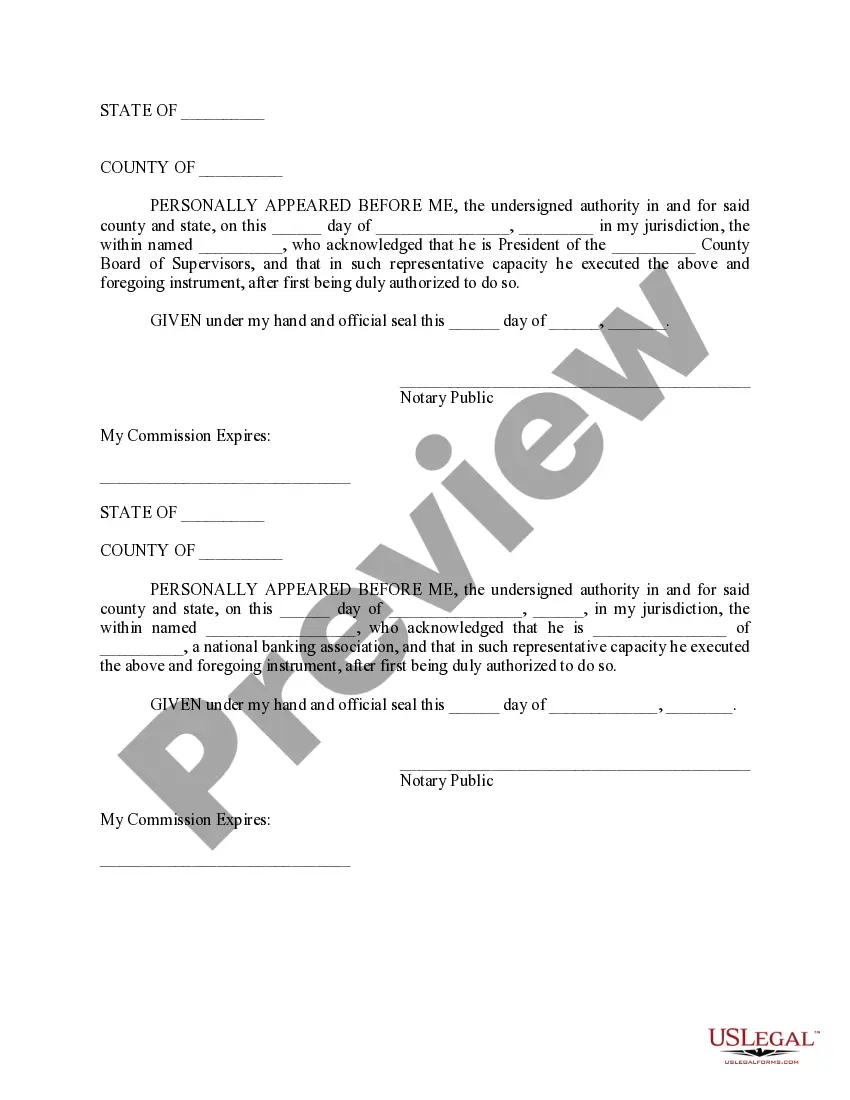
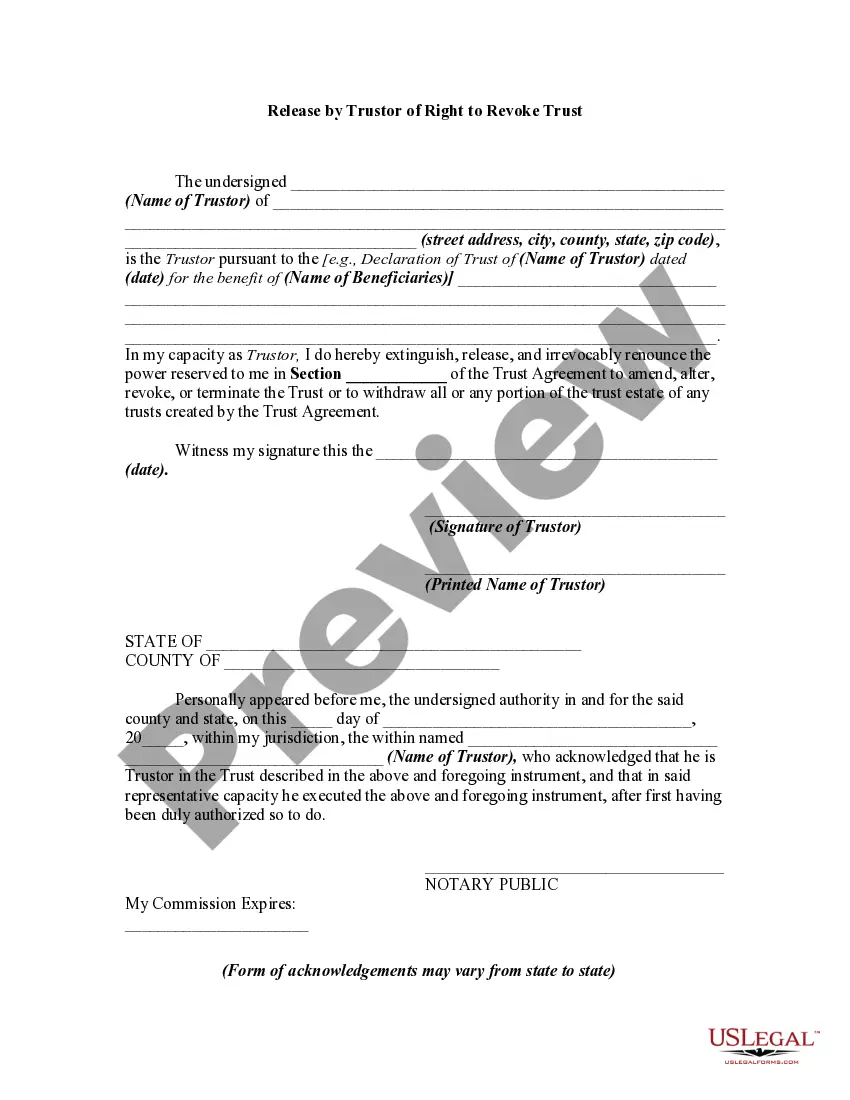
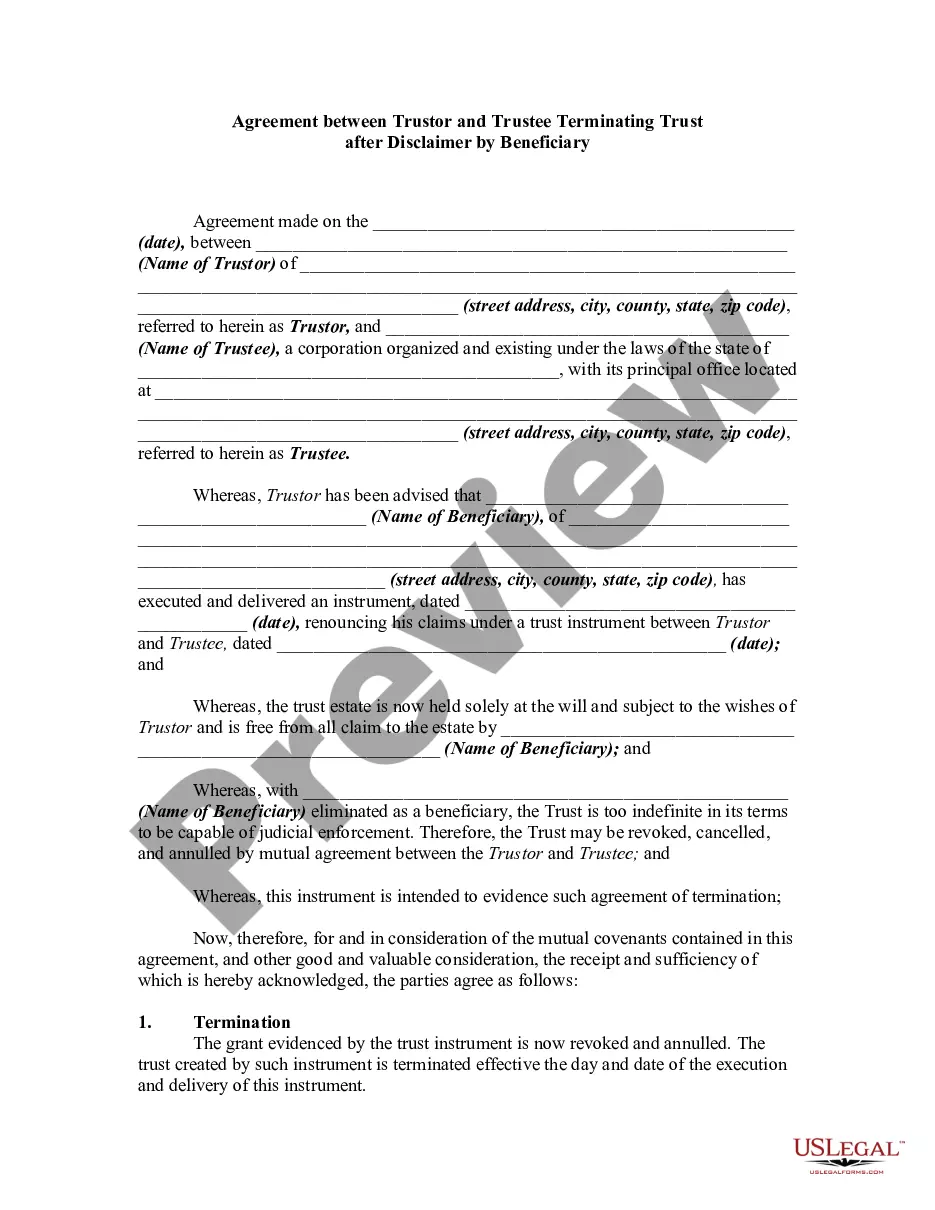
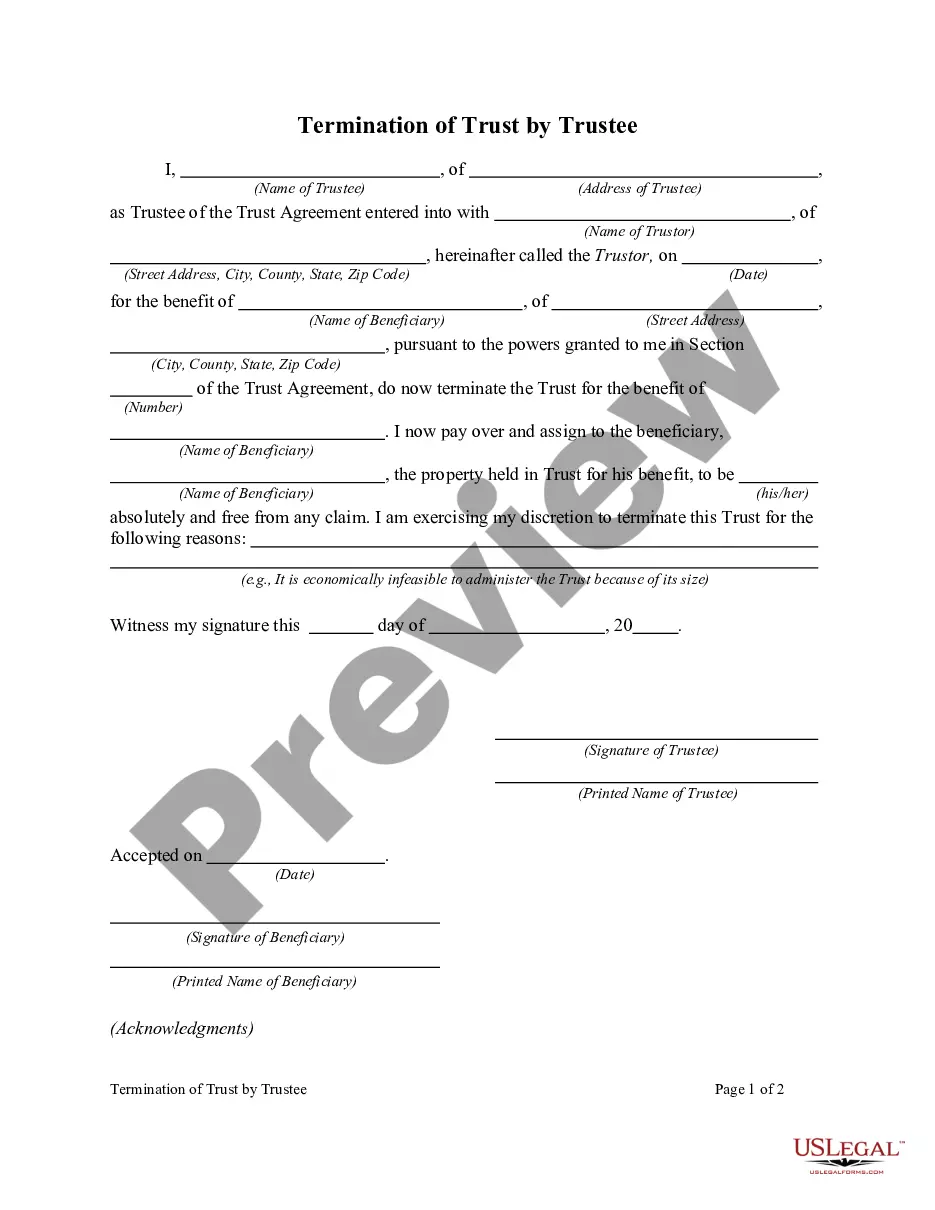
Get your form ready online
Our built-in tools help you complete, sign, share, and store your documents in one place.
Make edits, fill in missing information, and update formatting in US Legal Forms—just like you would in MS Word.
Download a copy, print it, send it by email, or mail it via USPS—whatever works best for your next step.
Sign and collect signatures with our SignNow integration. Send to multiple recipients, set reminders, and more. Go Premium to unlock E-Sign.
If this form requires notarization, complete it online through a secure video call—no need to meet a notary in person or wait for an appointment.
We protect your documents and personal data by following strict security and privacy standards.

Make edits, fill in missing information, and update formatting in US Legal Forms—just like you would in MS Word.

Download a copy, print it, send it by email, or mail it via USPS—whatever works best for your next step.

Sign and collect signatures with our SignNow integration. Send to multiple recipients, set reminders, and more. Go Premium to unlock E-Sign.

If this form requires notarization, complete it online through a secure video call—no need to meet a notary in person or wait for an appointment.

We protect your documents and personal data by following strict security and privacy standards.
Looking for another form?







Form popularity
FAQ
Indentured servitude is a form of labor in which a person is contracted to work without salary for a specific number of years. The contract called an "indenture", may be entered voluntarily for a prepaid lump sum, as payment for some good or service (e.g. travel), purported eventual compensation, or debt repayment.
1) Generally, any written agreement between two parties. 2) A real estate deed in which two parties agree to continuing obligations; for example, one party may agree to maintain the property and the other to make periodic payments.
An indenture is a legal and binding contract usually associated with bond agreements, real estate, or bankruptcy. An indenture provides detailed information on terms, clauses, and covenants.
This concept evolved into law with the Torrens Act in 1913, which was adopted by the State of Ohio. Under this Act any property owner can voluntarily petition to have his land "registered." Registered Land is surveyed and the boundaries guaranteed correct by the state. It is also subject to specific codes set by law.
While the specifics can vary, it's common for the buyer to take on the responsibility of obtaining and maintaining homeowners insurance during the land contract period.
Once the Buyer and Seller have signed their Ohio Land Contract and had it notarized, that document must be filed with the County Recorder at the office in the county where the property is located. Typically, it is the Seller who records the completed Land Contract document in the County Recorder's office.
When filing a claim for abandoned property in Ohio, claimants must provide proof of ownership and complete forms that outline the specific details of their claim. Finally, all claims must be filed within three years from when the property was reported as abandoned by its original owner.
A party claiming land by adverse possession must prove that he or his predecessors had exclusive, continuous possession of the disputed land for at least 21 years and that the possession was open, notorious and adverse to the legal title holder.
Section 313 requires the trustee to: transmit annual reports and periodic reports on certain developments to the indenture security holders; file a copy of each report with every exchange on which the securities are listed; and • file a copy of each report with the Commission.
An indenture is a particular formal contract or deed made between two or more parties . Beginning in medieval England, an indenture can be defined as a specific agreement within a contract noted with a specific duration or significance.
