Bond With Indenture In North Carolina
Description
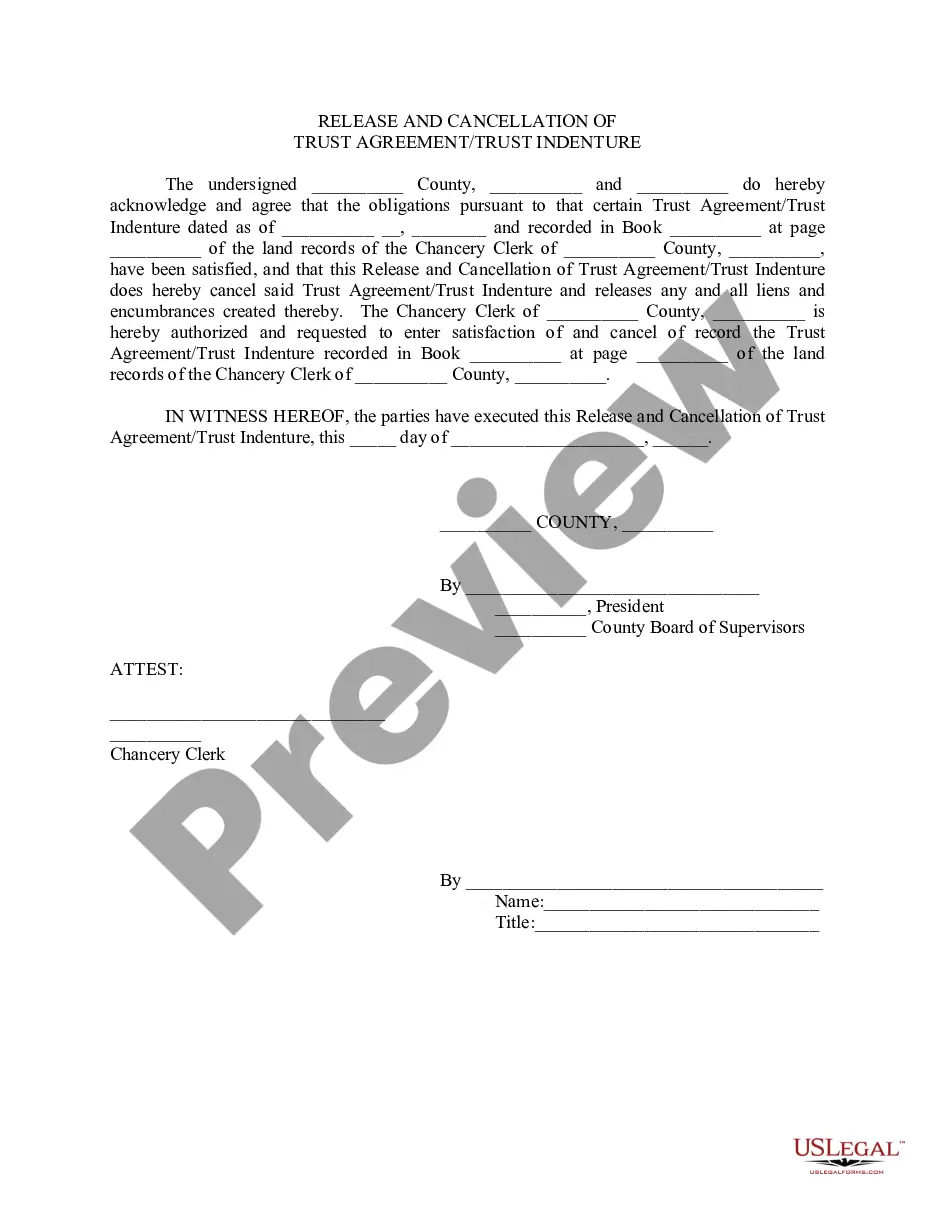
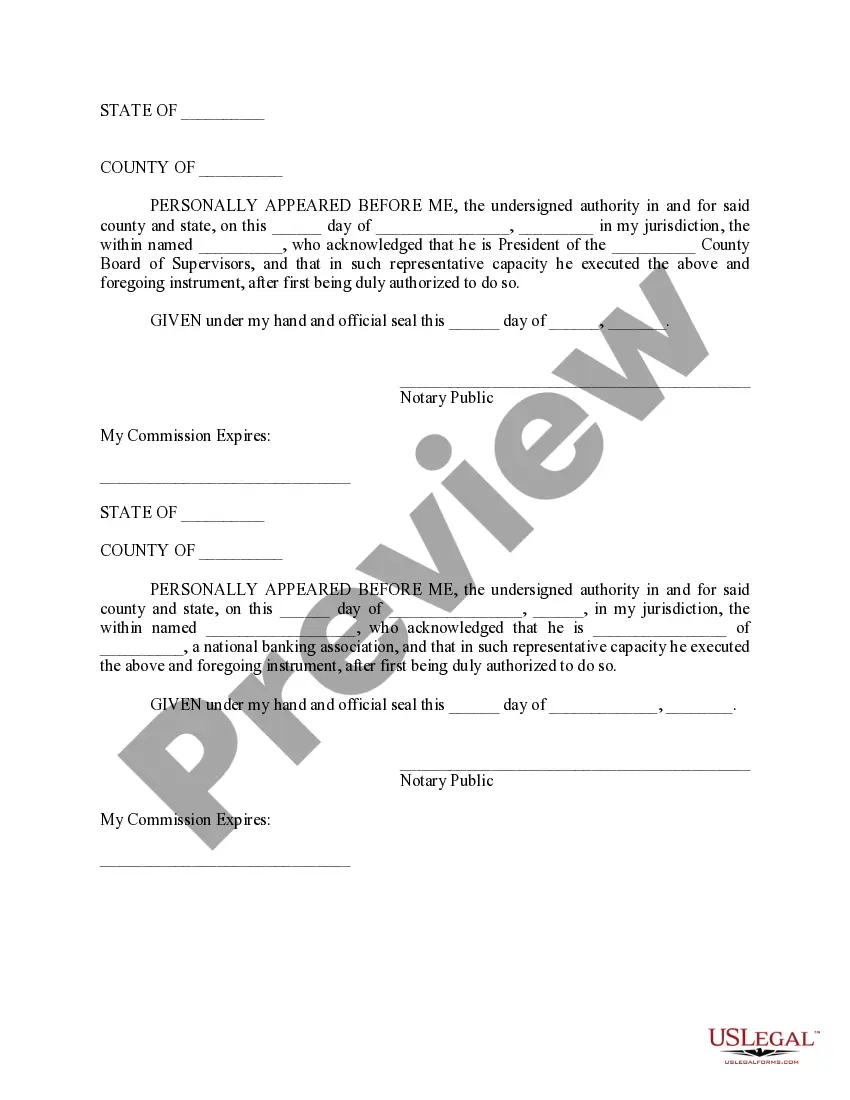
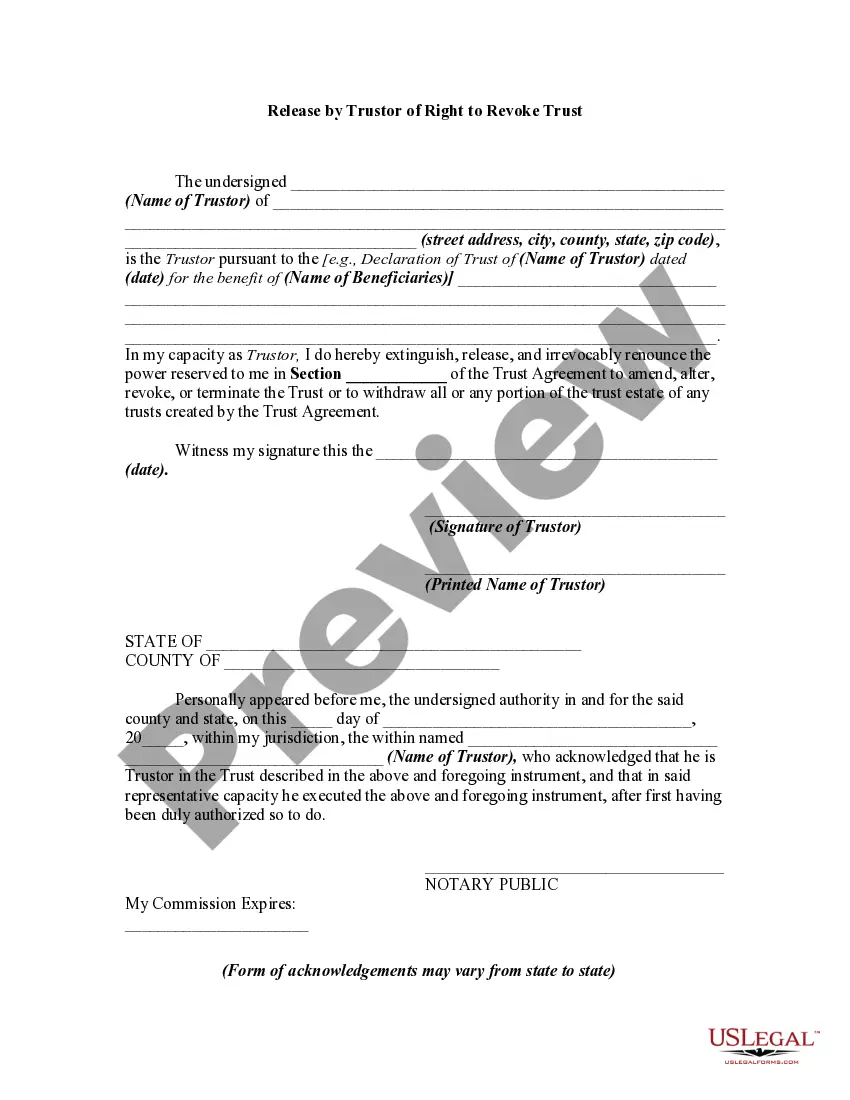
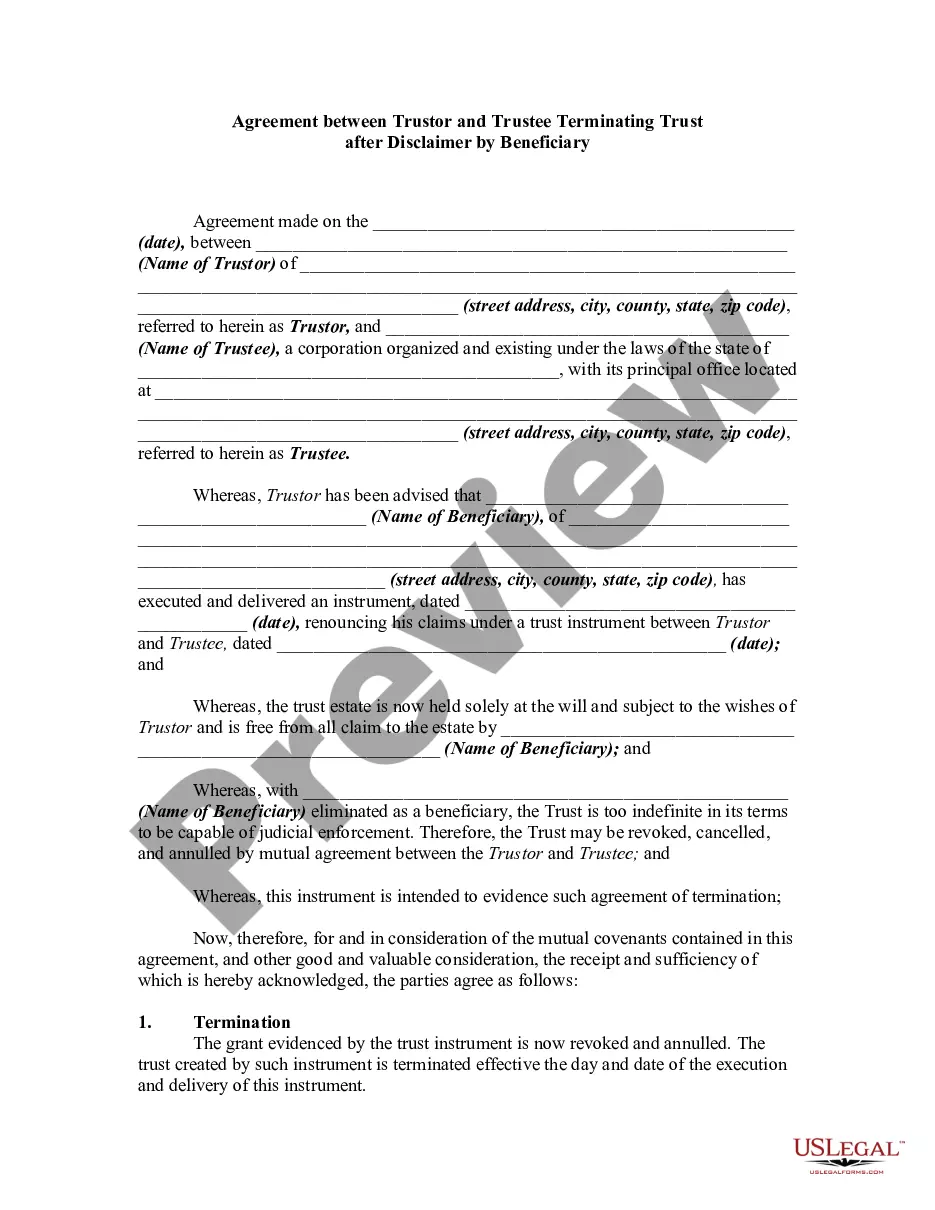
Get your form ready online
Our built-in tools help you complete, sign, share, and store your documents in one place.
Make edits, fill in missing information, and update formatting in US Legal Forms—just like you would in MS Word.
Download a copy, print it, send it by email, or mail it via USPS—whatever works best for your next step.
Sign and collect signatures with our SignNow integration. Send to multiple recipients, set reminders, and more. Go Premium to unlock E-Sign.
If this form requires notarization, complete it online through a secure video call—no need to meet a notary in person or wait for an appointment.
We protect your documents and personal data by following strict security and privacy standards.

Make edits, fill in missing information, and update formatting in US Legal Forms—just like you would in MS Word.

Download a copy, print it, send it by email, or mail it via USPS—whatever works best for your next step.

Sign and collect signatures with our SignNow integration. Send to multiple recipients, set reminders, and more. Go Premium to unlock E-Sign.

If this form requires notarization, complete it online through a secure video call—no need to meet a notary in person or wait for an appointment.

We protect your documents and personal data by following strict security and privacy standards.
Looking for another form?





Form popularity
FAQ
A bond agreement is a legal contract between an issuer and the holder of a bond. The issuer agrees to repay the principal, usually at maturity, plus interest on time at a specified rate. Bonds are issued by governments or corporations in order to raise capital for projects that they need funding for.
The terms of the Indenture are tailored to reflect the specific type of transaction and issuer. Like credit agreements,1 an Indenture contains lending and repayment terms. In contrast to credit agreements, however, the lender is not a party to an Indenture.
In the state of North Carolina, there are four ways to get a person out of jail: post the bond yourself, use property for collateral in court, have a judge release the defendant on their own recognizance, or hire a licensed and insured bail bondsman.
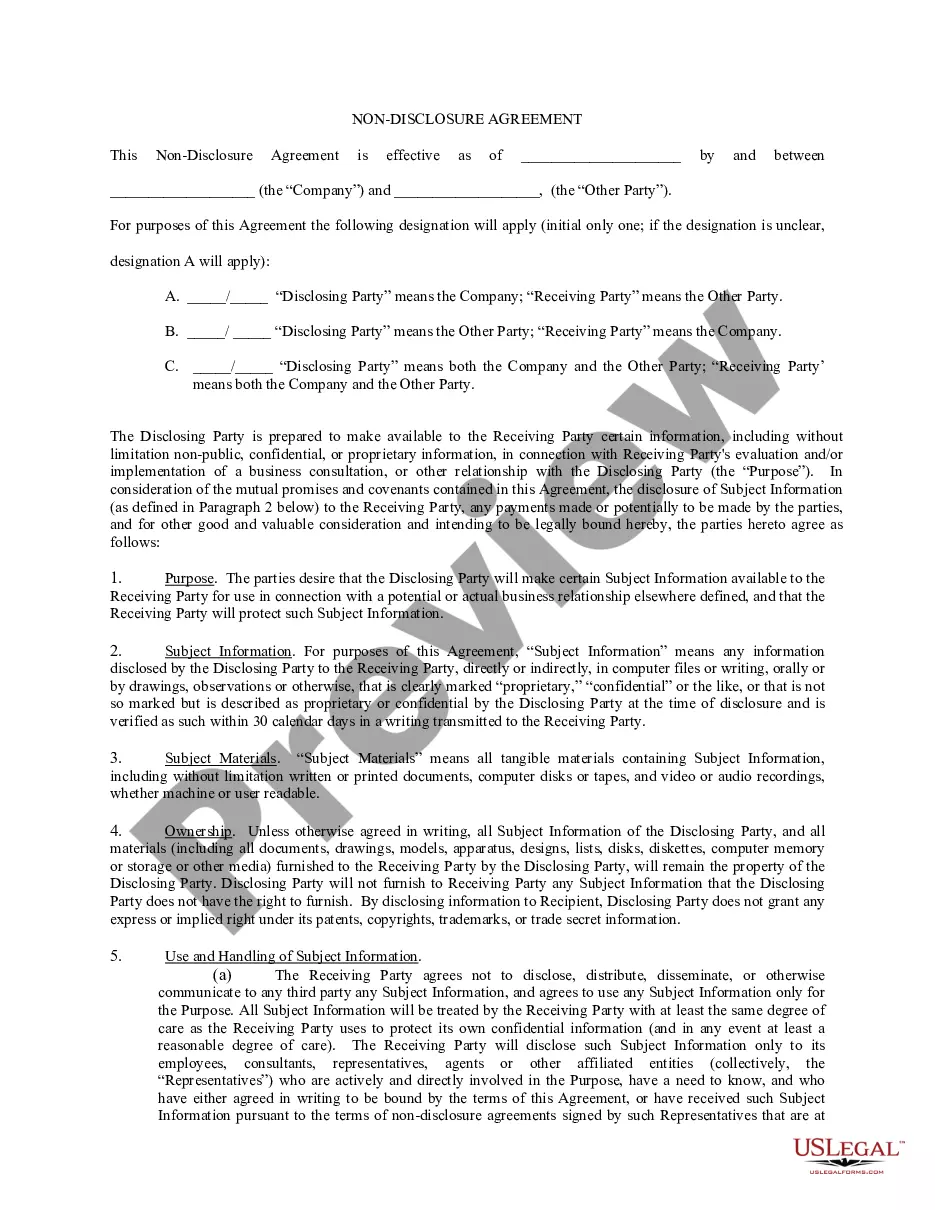
A bond indenture is a contract that describes information related specifically to the issuance or usage of bonds. The term is synonymous with a deed of trust, which is used in financial fields and other areas of business to offer protection to bond issuers and bondholders or investors.
What is the primary purpose of a bond indenture? To specify the bond's features and identify the issuer's sources of repayment. To provide a detailed history of the issuer's past financial performance.
A contract between an Issuer and a Trustee (normally a commercial bank with trust powers) under which the Issuer issues Bonds and specifies their Maturities, Interest Rates, Redemption provisions, form, exchange provisions, security and other terms.
Most bonds are issued pursuant to a Trust Indenture. In certain instances, bonds are issued pursuant to a Resolution of the issuer.
A covenant is a promise to take an action (an affirmative covenant) or to refrain from taking an action (a negative covenant). Indentures contain a variety of covenants from the issuer to the trustee on behalf of the bondholders.
Most corporate bond issues over $5 million are required to include a trust indenture, and to file a copy of it with the SEC.
However, the yield to maturity on the issue is not included in the bond indenture, as this is typically determined by market conditions and fluctuates over time.
