Indenture With Covenants In Michigan
Description
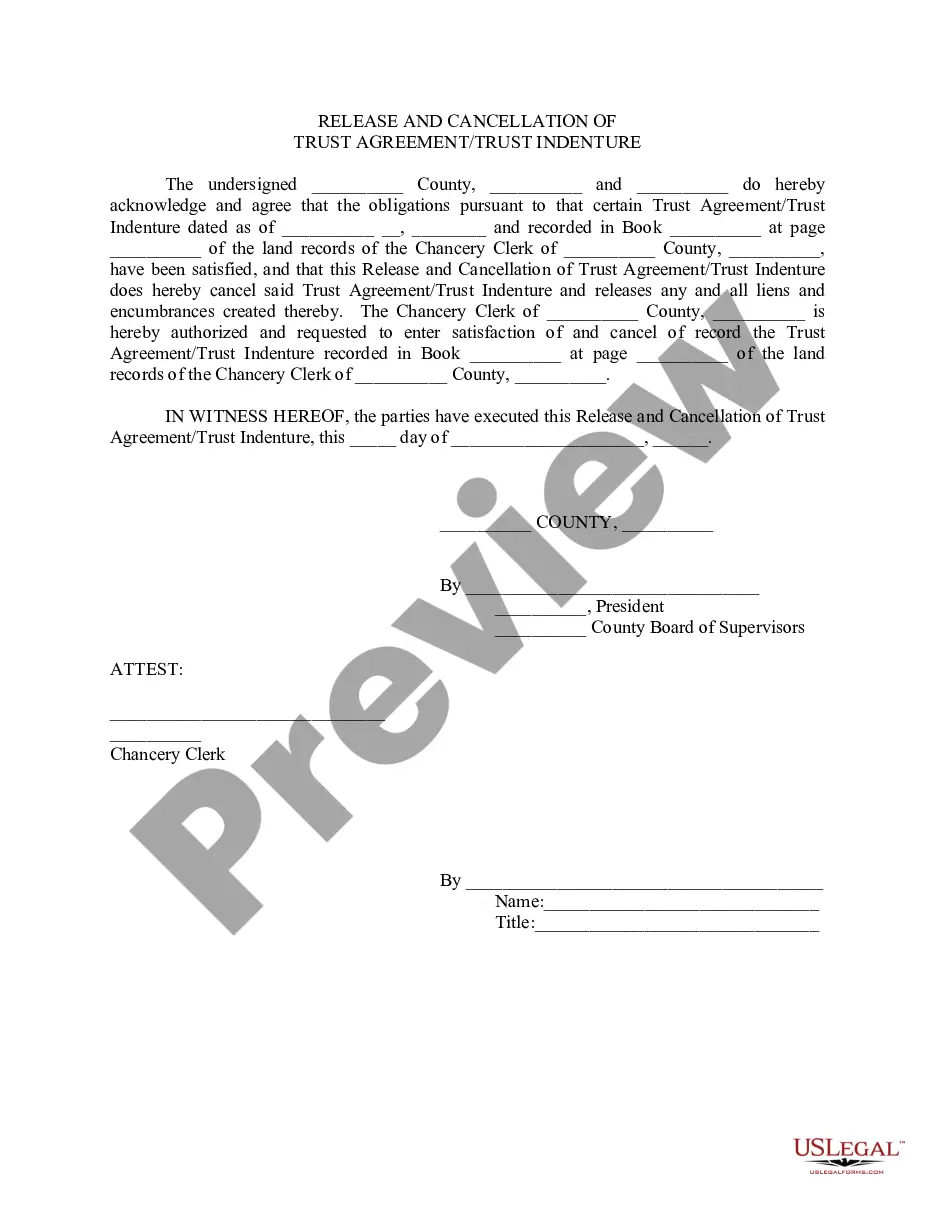
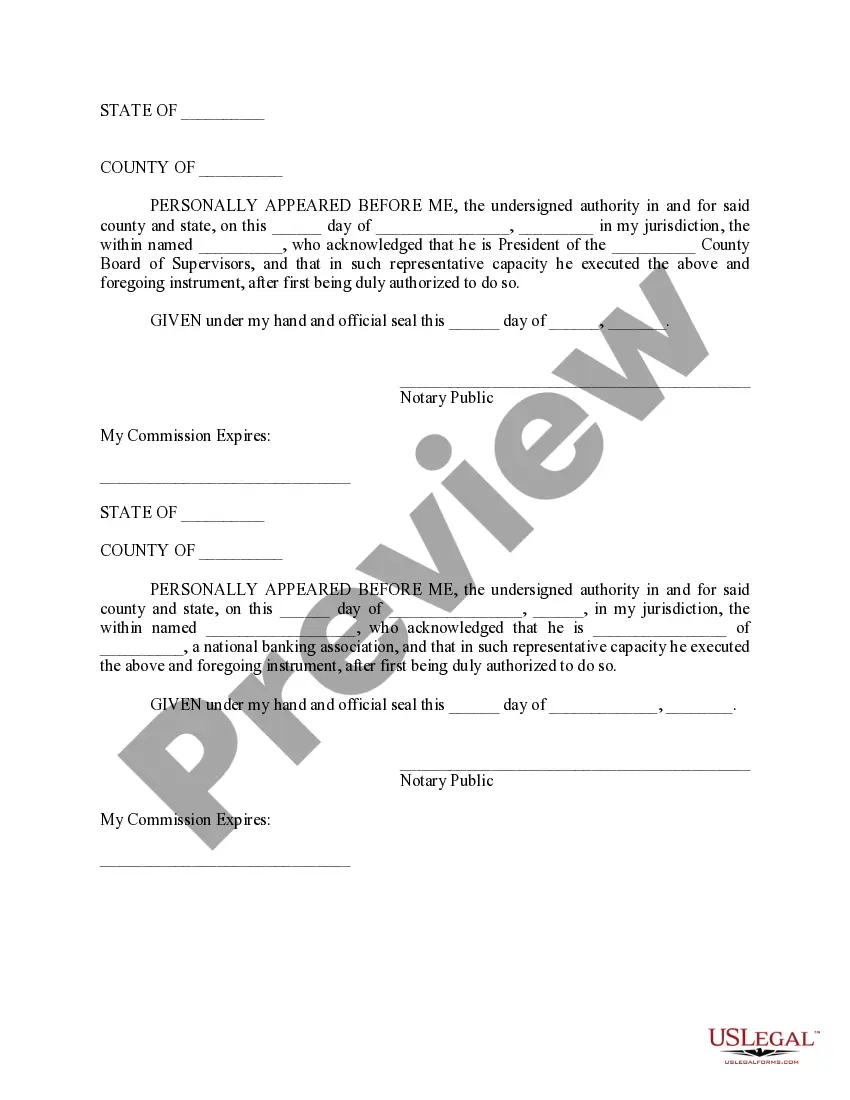
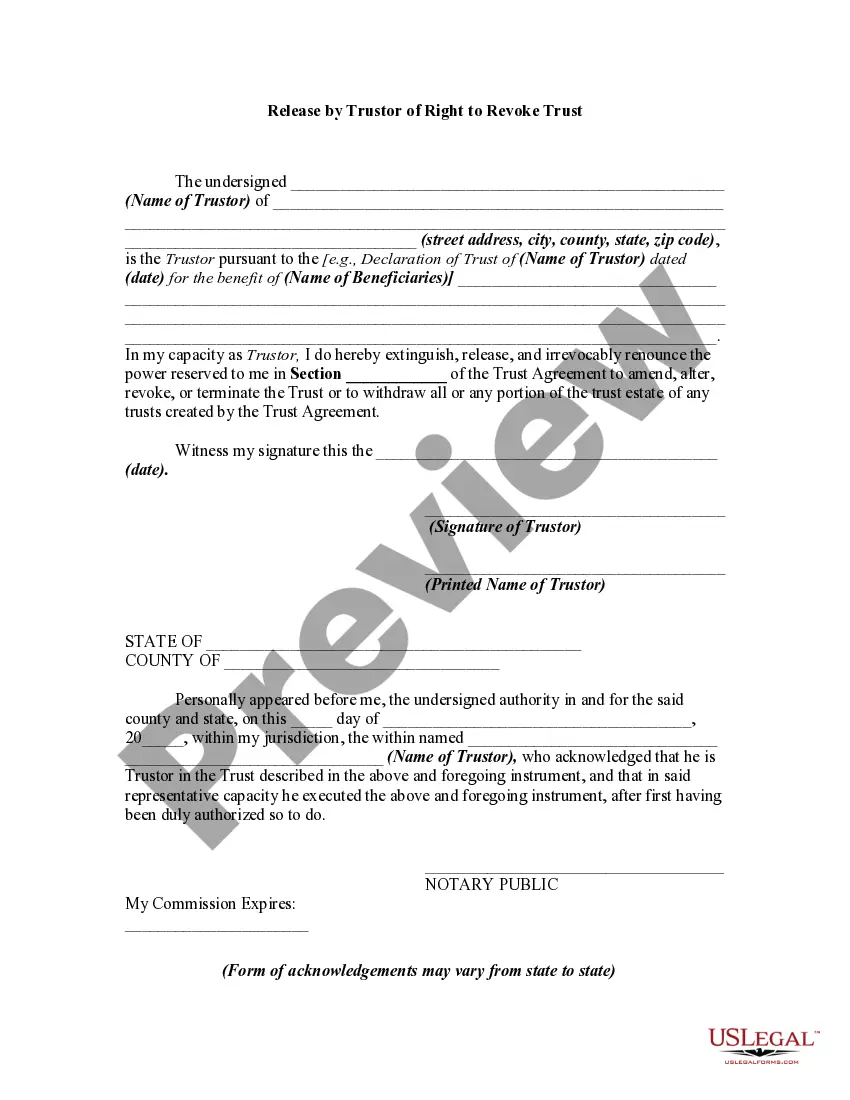
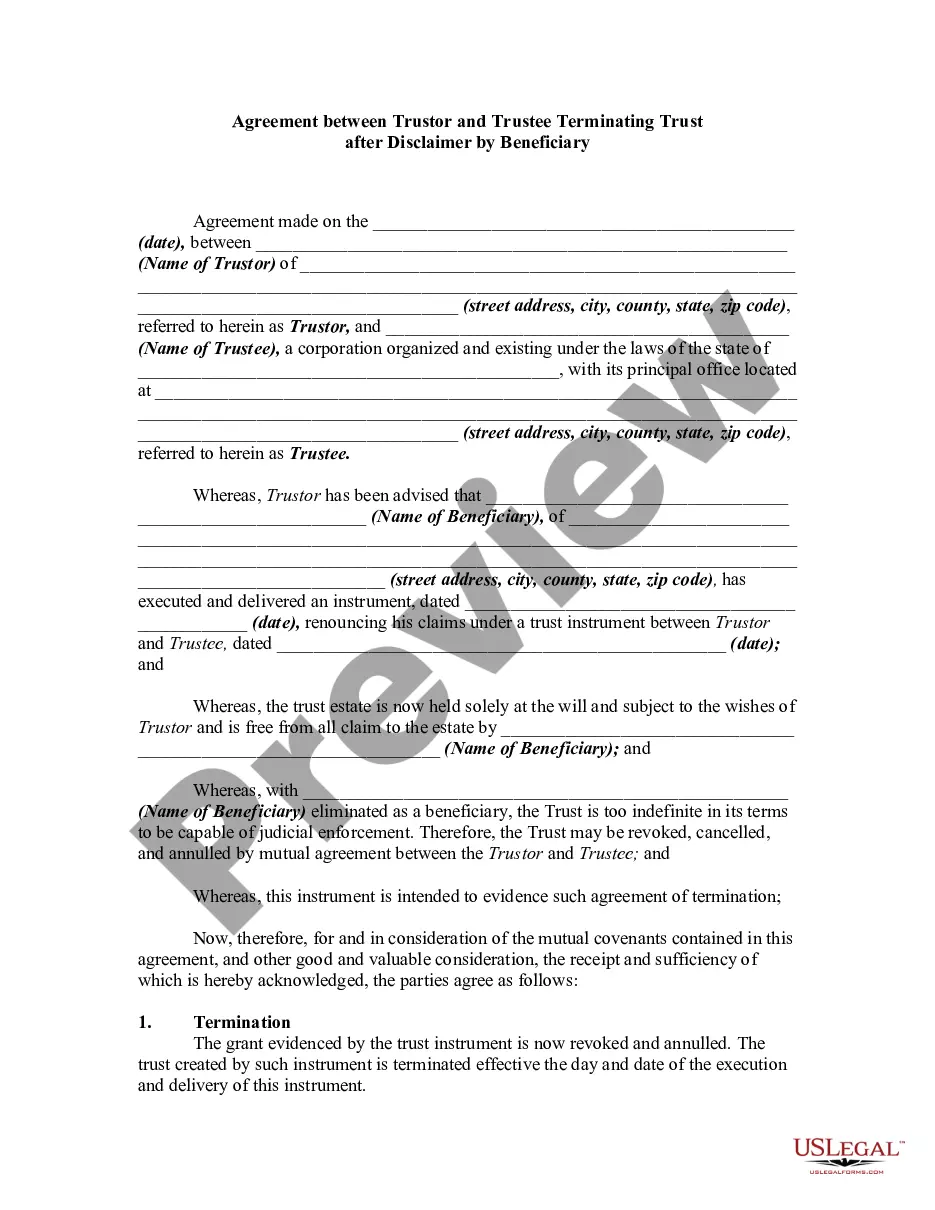
Get your form ready online
Our built-in tools help you complete, sign, share, and store your documents in one place.
Make edits, fill in missing information, and update formatting in US Legal Forms—just like you would in MS Word.
Download a copy, print it, send it by email, or mail it via USPS—whatever works best for your next step.
Sign and collect signatures with our SignNow integration. Send to multiple recipients, set reminders, and more. Go Premium to unlock E-Sign.
If this form requires notarization, complete it online through a secure video call—no need to meet a notary in person or wait for an appointment.
We protect your documents and personal data by following strict security and privacy standards.

Make edits, fill in missing information, and update formatting in US Legal Forms—just like you would in MS Word.

Download a copy, print it, send it by email, or mail it via USPS—whatever works best for your next step.

Sign and collect signatures with our SignNow integration. Send to multiple recipients, set reminders, and more. Go Premium to unlock E-Sign.

If this form requires notarization, complete it online through a secure video call—no need to meet a notary in person or wait for an appointment.

We protect your documents and personal data by following strict security and privacy standards.
Looking for another form?





Form popularity
FAQ
A covenant is a promise to take an action (an affirmative covenant) or to refrain from taking an action (a negative covenant). Indentures contain a variety of covenants from the issuer to the trustee on behalf of the bondholders.
The board of directors of a Michigan homeowners association has a duty to enforce the various regulations contained in the restrictive covenants, declaration or deed restrictions as written, subject to limited exceptions.
An indenture is a particular formal contract or deed made between two or more parties. Beginning in medieval England, an indenture can be defined as a specific agreement within a contract noted with a specific duration or significance.
The Indenture pledges certain revenues as security for repayment of the Bonds. The Trustee agrees to act on behalf of the holders of the Bonds and to represent their interests.
And in Michigan, such covenants will generally be enforceable, provided that they are reasonable. Restrictive covenants are typically analyzed under the Michigan Antitrust Reform Act (“MARA”).
All bond covenants are part of a bond's legal documentation and are part of corporate bonds and government bonds. A bond's indenture is the portion that contains the covenants, both positive and negative, and is enforceable throughout the entire life of the bond until maturity.
Individual items are known as covenants. However, the entire set of covenants is collectively known as an indenture. An indenture is a specialized form of agreement between the issuer and the investors. This agreement clearly outlines the rights and duties of every party involved in the transaction.
The Trust Indenture Act requires certain prospectus disclosure about the debt securities in registered offerings. Most offerings of debt securities that are exempt from registration under the Securities Act of 1933 are also exempt from the Trust Indenture Act requirements.
However, courts will not blindly uphold all restrictive covenants and may not enforce them if it would infringe on civil liberties or if the party seeking enforcement lacks standing.
A covenant deed is a document used by a grantor to transfer a property to a grantee. However, unlike other types of Michigan deeds, a covenant deed provides limited protection to the grantee, entailing that grantors are liable for any problems in the property only within the period of their ownership.
