Indenture For Lease In Miami-Dade
Description
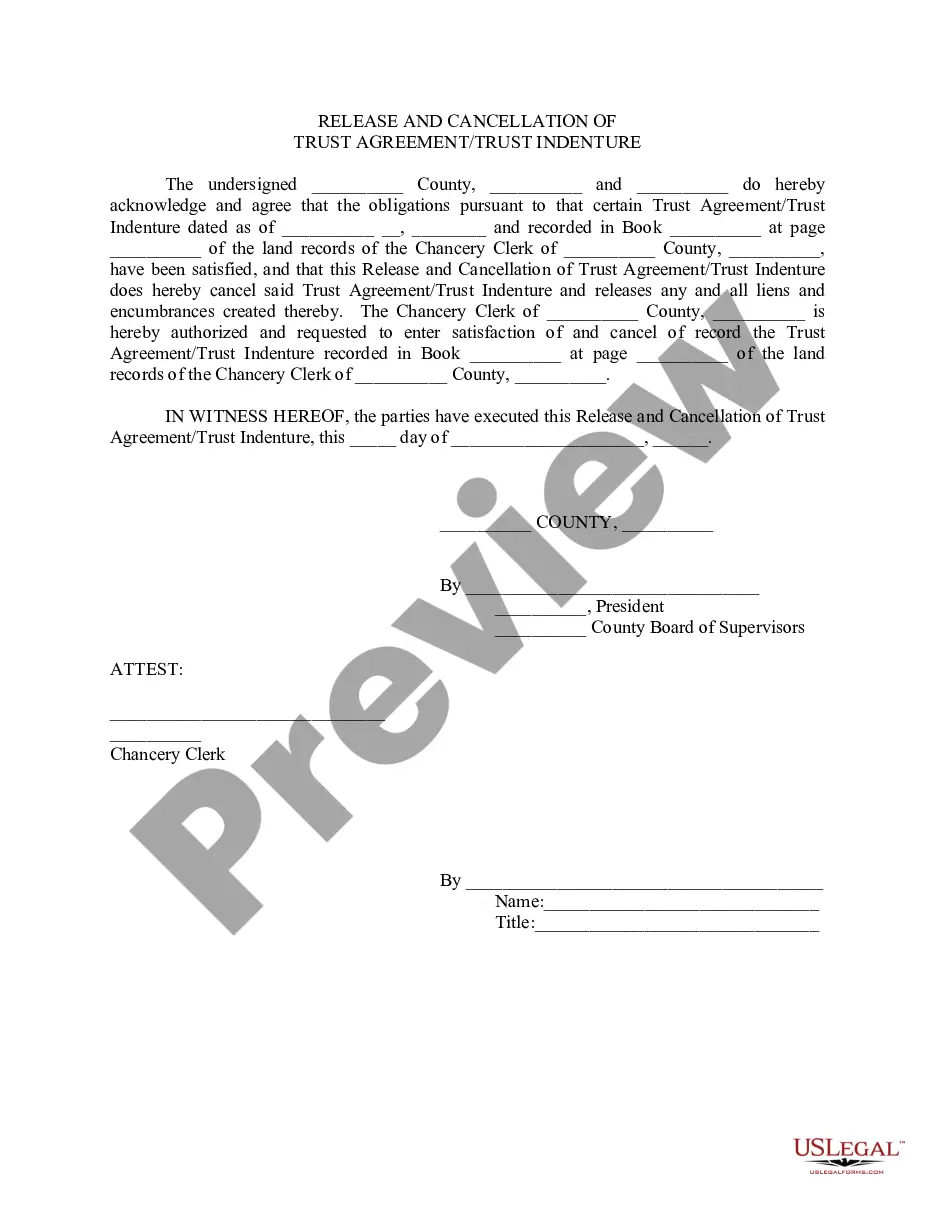
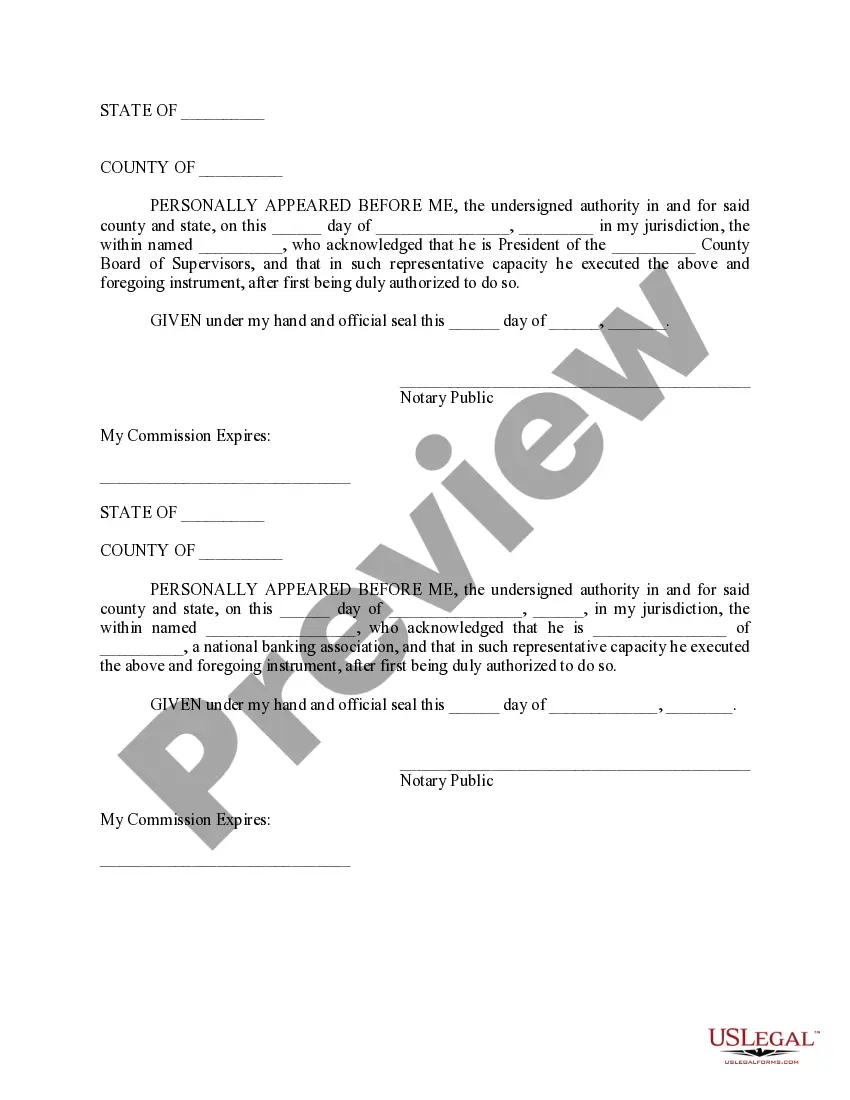
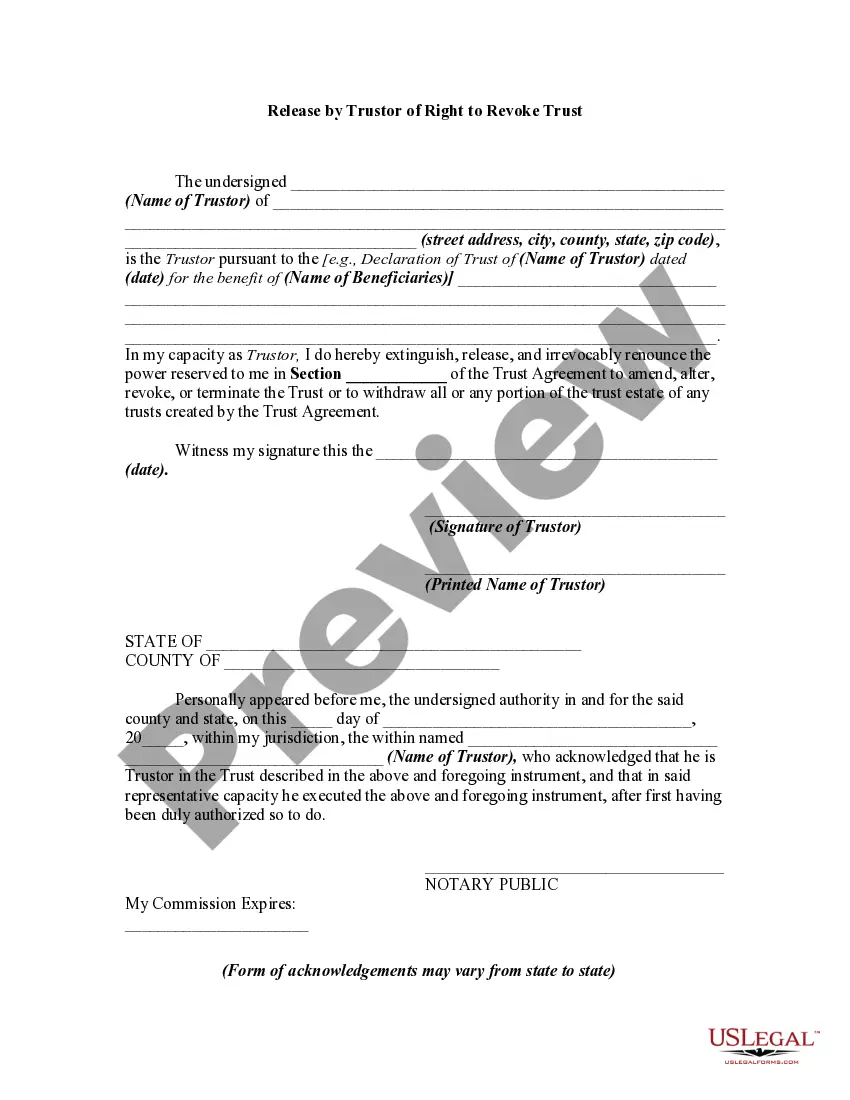
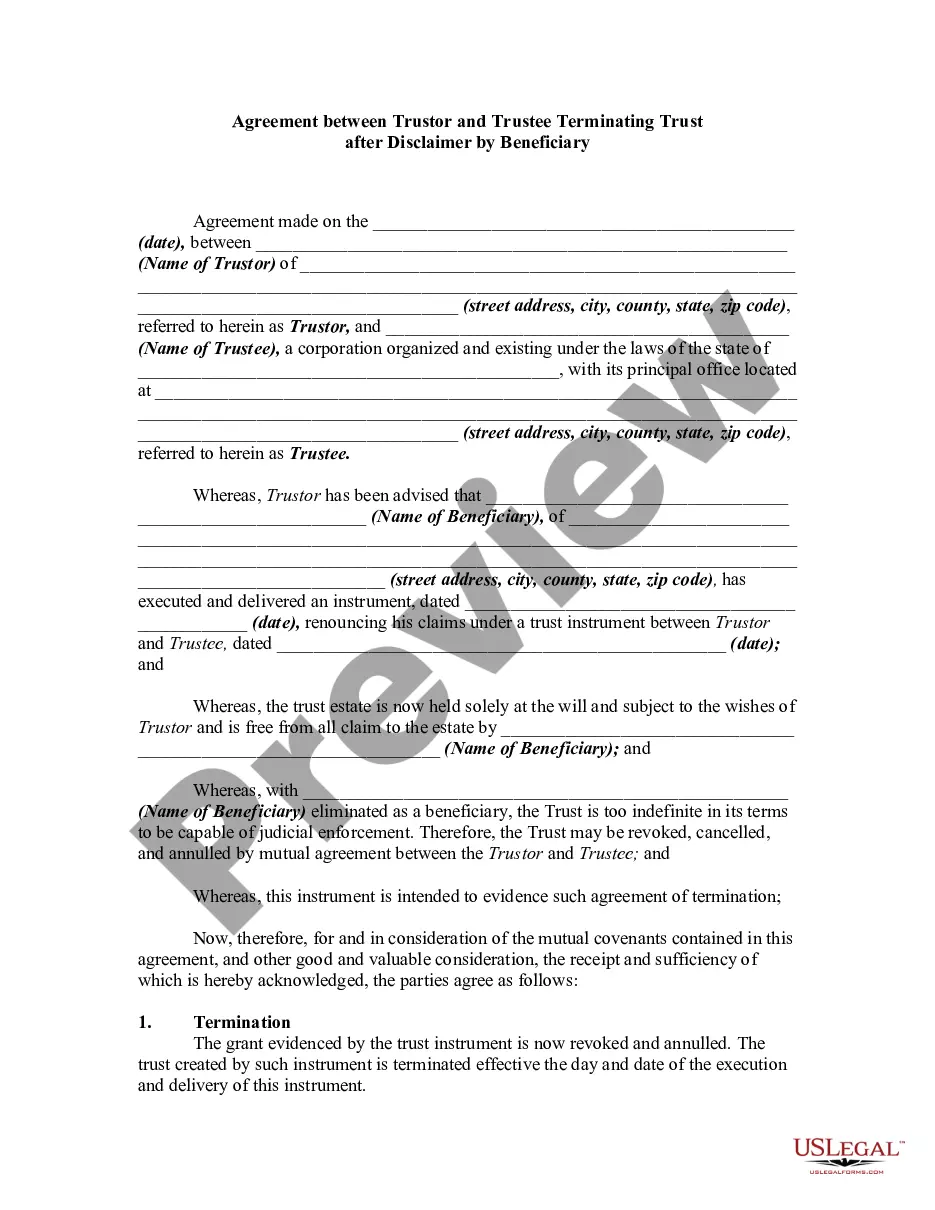
Get your form ready online
Our built-in tools help you complete, sign, share, and store your documents in one place.
Make edits, fill in missing information, and update formatting in US Legal Forms—just like you would in MS Word.
Download a copy, print it, send it by email, or mail it via USPS—whatever works best for your next step.
Sign and collect signatures with our SignNow integration. Send to multiple recipients, set reminders, and more. Go Premium to unlock E-Sign.
If this form requires notarization, complete it online through a secure video call—no need to meet a notary in person or wait for an appointment.
We protect your documents and personal data by following strict security and privacy standards.

Make edits, fill in missing information, and update formatting in US Legal Forms—just like you would in MS Word.

Download a copy, print it, send it by email, or mail it via USPS—whatever works best for your next step.

Sign and collect signatures with our SignNow integration. Send to multiple recipients, set reminders, and more. Go Premium to unlock E-Sign.

If this form requires notarization, complete it online through a secure video call—no need to meet a notary in person or wait for an appointment.

We protect your documents and personal data by following strict security and privacy standards.
Looking for another form?








Form popularity
FAQ
Please call the Section 8 Program office at 786-654-8440 or visit the Miami-Dade Housing and Community Development's website at .miamidade/housing for more information or assistance.
A contract to lease is an agreement between the lessor and lessee that establishes the conditions of an actual lease. It serves as an offer from the prospective tenant. It is drafted by the Florida Realtors Association and Florida BAR to set a standard for submitting offers on behalf of tenants to landlords.
Yes. You may contact the Miami-Dade County Department of Public Housing and Community Development (PHCD) by calling (305) 723-1815 between a.m. and p.m. starting October 1, 2021, except holidays. You may also email any questions to ERAP@miamidade.
The Housing Advocacy hotline, 786-469-4545, is available Monday through Friday from 8 a.m to 5 p.m., and closed on weekends and County holidays. Register to submit inquiries and complaints online.
The application process is now closed. Application assistance was available at the locations listed below from October 15, 2024, and November 11, 2024.
Steps to leasing land Determine your goals. If you're a landowner, think about your objectives for the land. Seek professional advice. Negotiate the terms. Sign the lease agreement.
It is in English. We know it is a lease because of the following characteristics: It is an indenture, that is, the top of the deed is cut in a wavy line. This indicates that the deed was made between two or more parties.
Given the stakes, it's common for property owners to consider whether they can draft this document themselves. While it is legally possible to write your own commercial lease agreement in Florida, doing so involves careful consideration of legal, business, and practical factors.
Handwritten contracts are legally binding if they meet the necessary conditions that apply to all contracts: mutual agreement, capacity, consideration, and legal validity. There are no legal differences between typed and handwritten agreements when it comes to enforceability.
Can you write your own tenancy agreement? Certainly. Unless you're an attorney, or have an attorney review it, you probably shouldn't, But you certainly can. If you fail to follow your state/local laws to-the-letter, the agreement may be invalid.
