Difference Between Land Title And Indenture In Maryland
Description
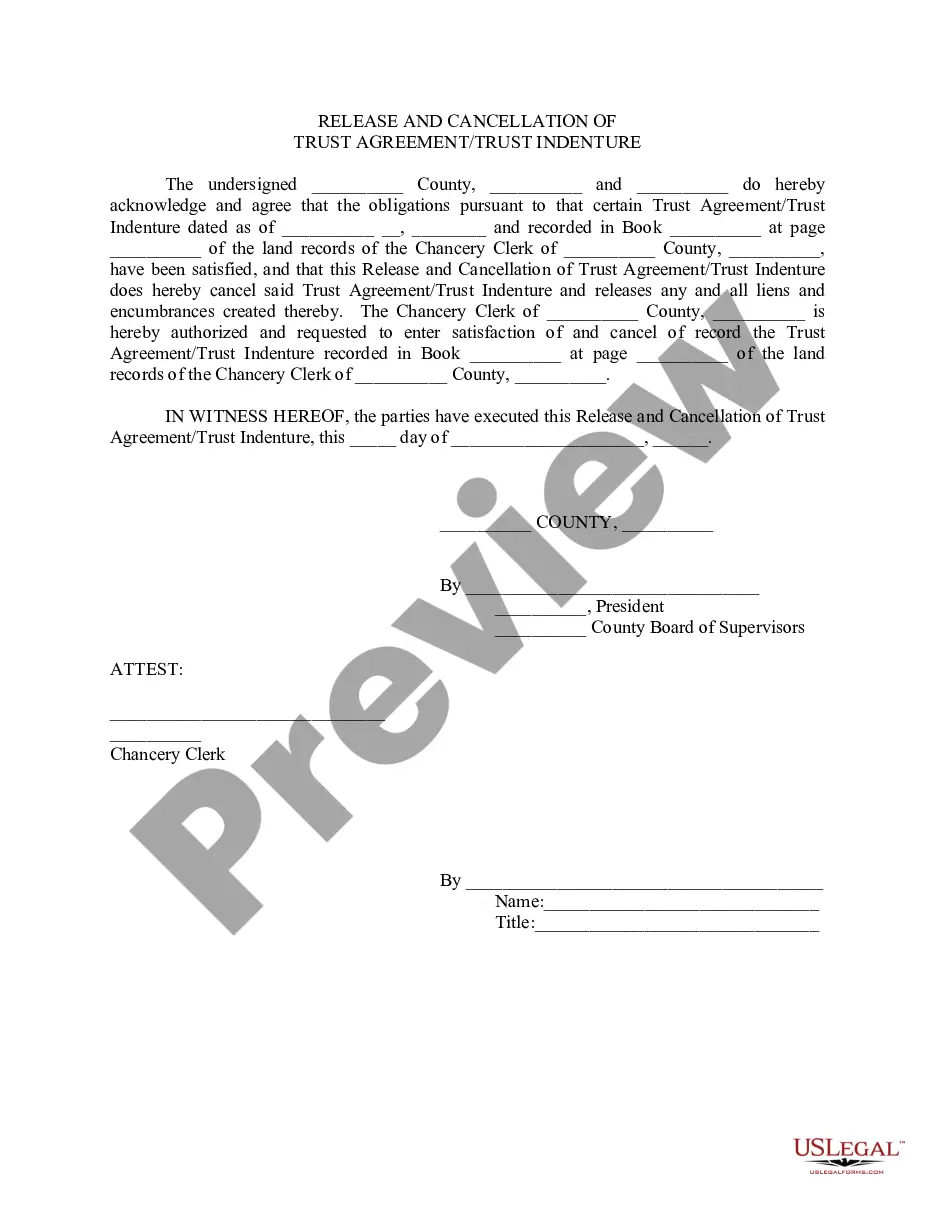
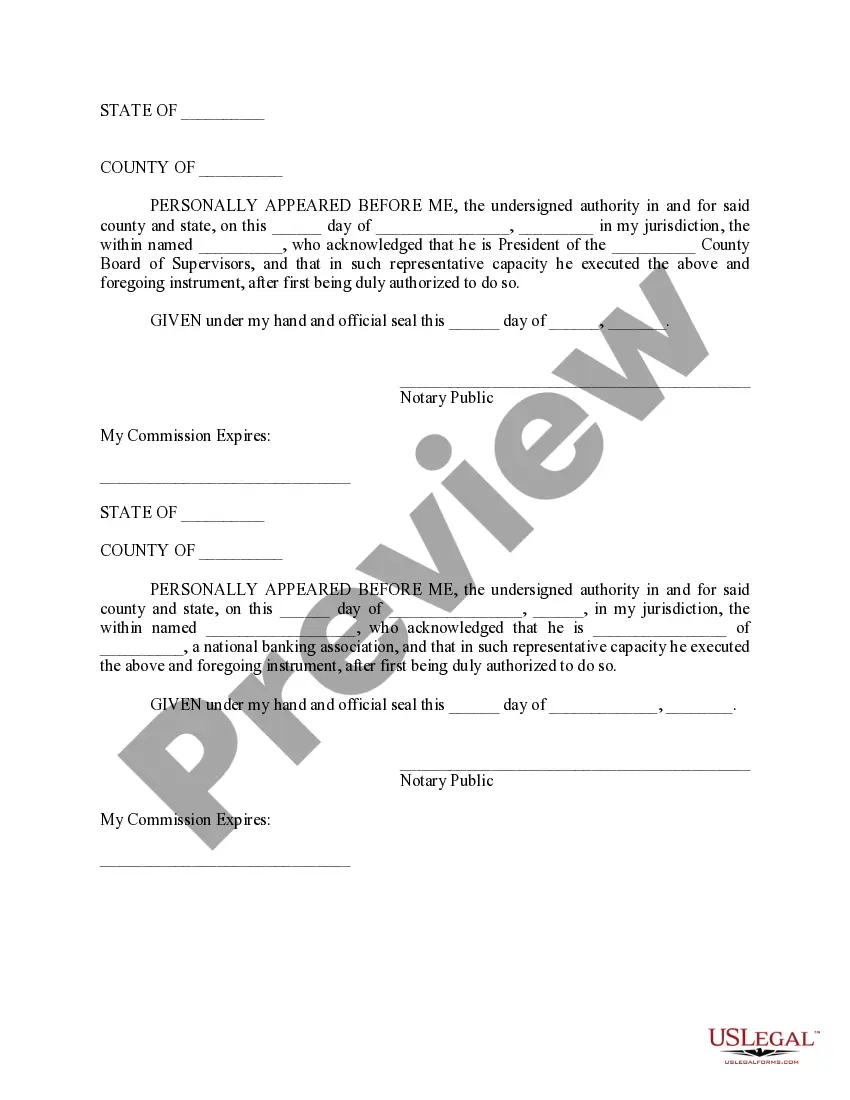
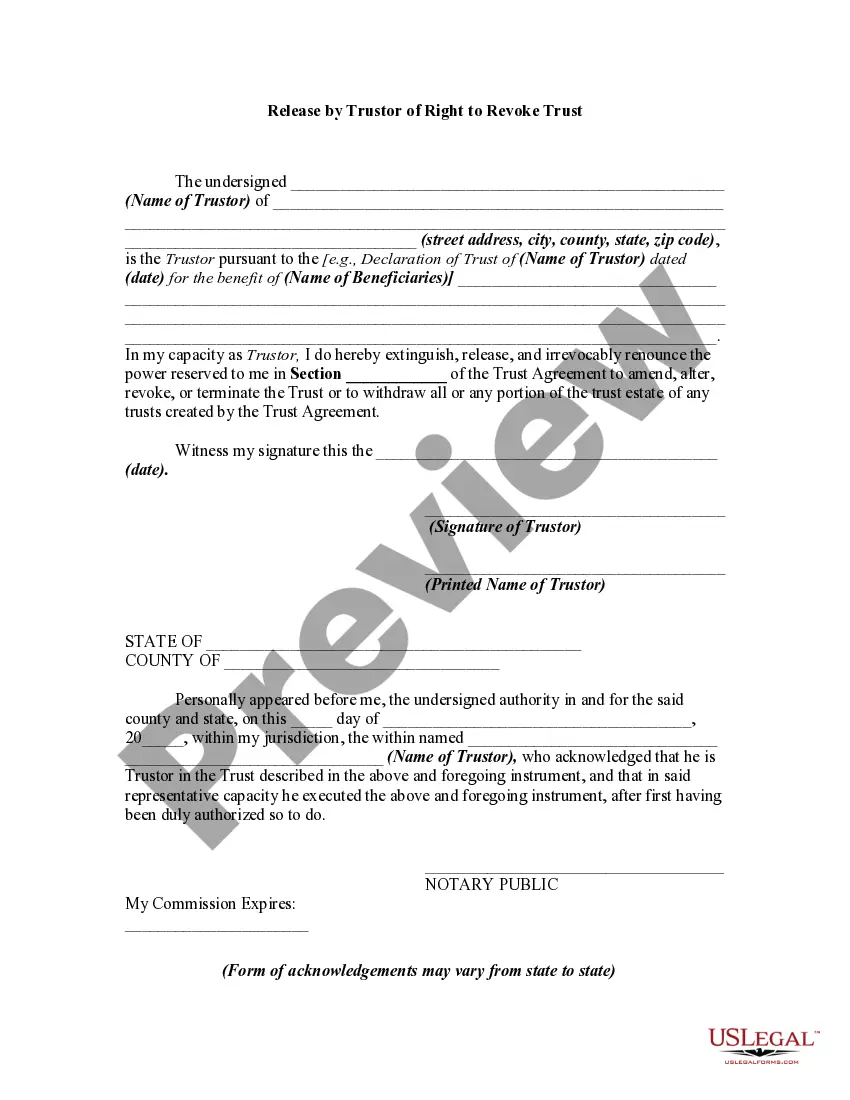
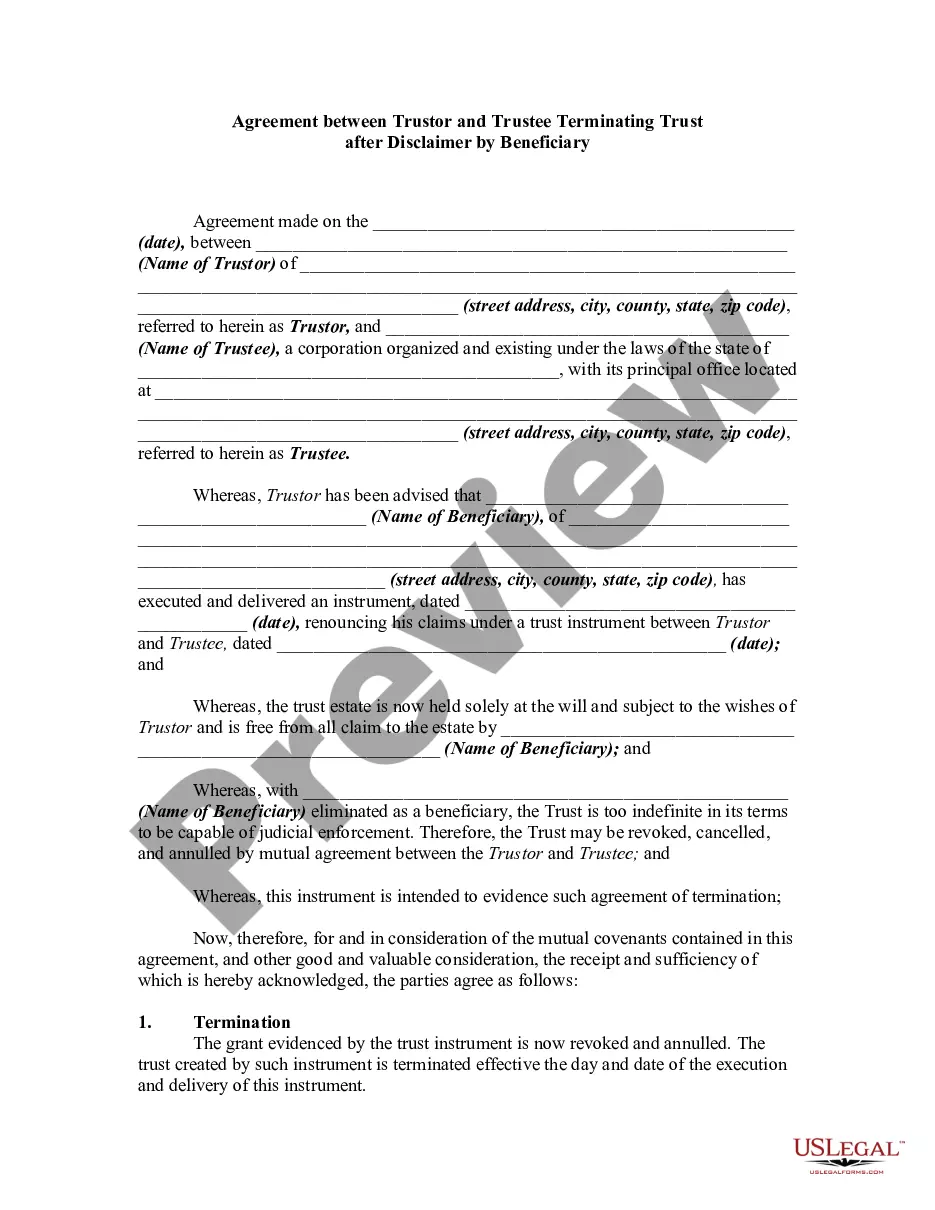
Get your form ready online
Our built-in tools help you complete, sign, share, and store your documents in one place.
Make edits, fill in missing information, and update formatting in US Legal Forms—just like you would in MS Word.
Download a copy, print it, send it by email, or mail it via USPS—whatever works best for your next step.
Sign and collect signatures with our SignNow integration. Send to multiple recipients, set reminders, and more. Go Premium to unlock E-Sign.
If this form requires notarization, complete it online through a secure video call—no need to meet a notary in person or wait for an appointment.
We protect your documents and personal data by following strict security and privacy standards.

Make edits, fill in missing information, and update formatting in US Legal Forms—just like you would in MS Word.

Download a copy, print it, send it by email, or mail it via USPS—whatever works best for your next step.

Sign and collect signatures with our SignNow integration. Send to multiple recipients, set reminders, and more. Go Premium to unlock E-Sign.

If this form requires notarization, complete it online through a secure video call—no need to meet a notary in person or wait for an appointment.

We protect your documents and personal data by following strict security and privacy standards.
Looking for another form?





Form popularity
FAQ
A deed is the actual legal document that would transfer the ownership (title) of a property from one person to another. A deed is signed by the person selling or transferring the property rights, called the grantor.
An indenture is a deed that establishes ongoing responsibilities between two parties in real estate.
A deed transfers the title of an asset to a new owner, and it is usually recorded in the local county clerk's office. Recording is a way to protect title and ownership because it puts the public on constructive notice as to the buyer's ownership. In real estate transactions, a deed is usually delivered at closing.
In real estate, an indenture is a deed in which two parties agree to continuing obligations. For example, one party may agree to maintain a property and the other may agree to make payments on it.
Maryland law requires all deeds to include the names of the grantor (the seller) and grantee (the buyer), a description of the property, and the interest that you intend to convey. All deeds must be recorded with the Department of Land Records in the county where the property is located.
The title is the concept of legal ownership while the deed is the document that proves ownership. Moreover, you can't have a valid house deed if you don't hold title.
When you own a home, the deed is the physical document that proves ownership. The title is the concept of legal ownership that the deed grants you. You can think of the deed as the document that transfers, or passes on, the title or the right to ownership. When you buy a home, you need both.
Holding title to a piece of property is the legal way of saying you own the right to the property. In contrast, deeds are legal documents (also called instruments) that transfer title from one person to another.
In Maryland, particularly in Columbia, it's important to understand that allodial land title—where land is held in absolute ownership without obligations to any superior authority (such as property taxes)—is not a legal concept within the United States system of property law.
