Bond With Indenture In Illinois
Description
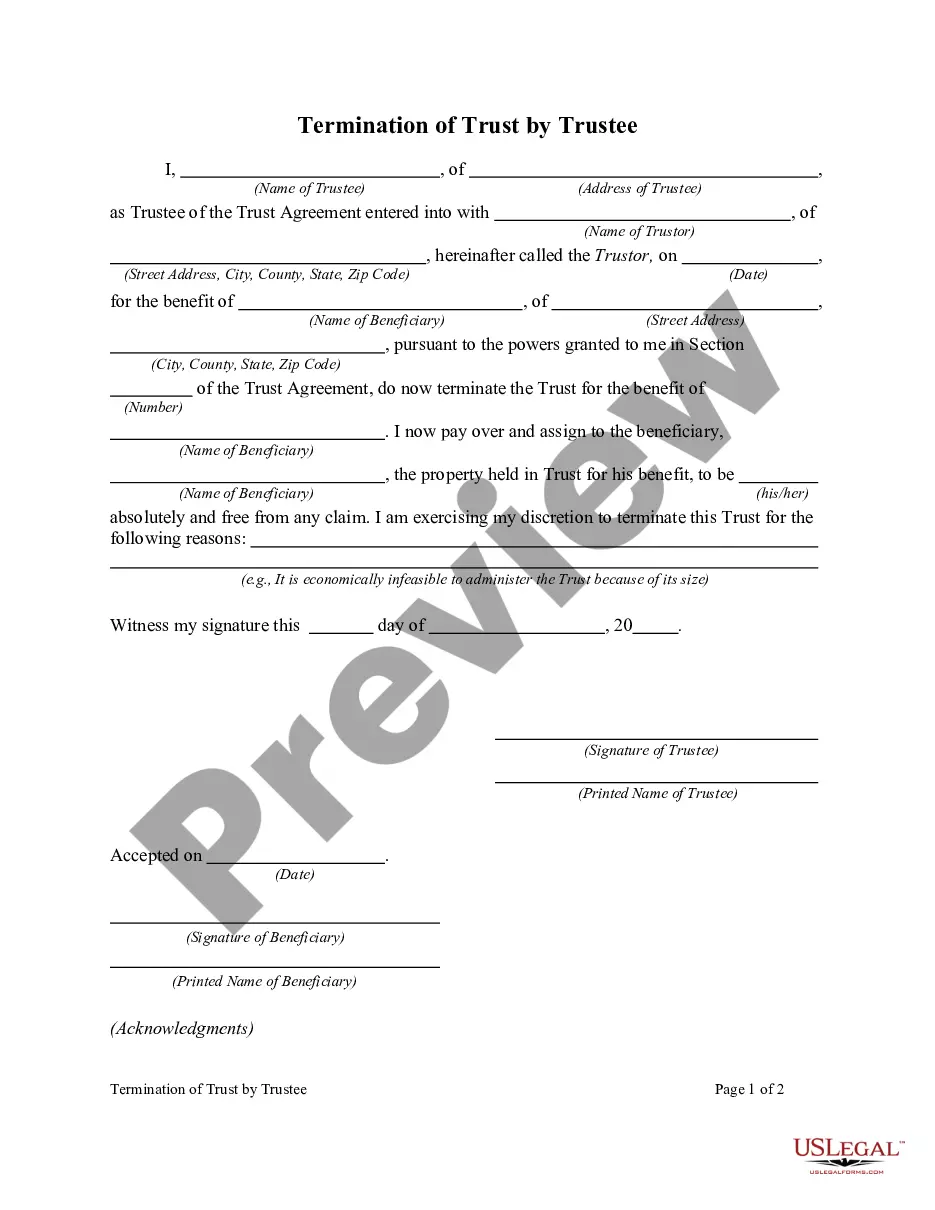
Get your form ready online
Our built-in tools help you complete, sign, share, and store your documents in one place.
Make edits, fill in missing information, and update formatting in US Legal Forms—just like you would in MS Word.
Download a copy, print it, send it by email, or mail it via USPS—whatever works best for your next step.
Sign and collect signatures with our SignNow integration. Send to multiple recipients, set reminders, and more. Go Premium to unlock E-Sign.
If this form requires notarization, complete it online through a secure video call—no need to meet a notary in person or wait for an appointment.
We protect your documents and personal data by following strict security and privacy standards.

Make edits, fill in missing information, and update formatting in US Legal Forms—just like you would in MS Word.

Download a copy, print it, send it by email, or mail it via USPS—whatever works best for your next step.

Sign and collect signatures with our SignNow integration. Send to multiple recipients, set reminders, and more. Go Premium to unlock E-Sign.

If this form requires notarization, complete it online through a secure video call—no need to meet a notary in person or wait for an appointment.

We protect your documents and personal data by following strict security and privacy standards.
Looking for another form?
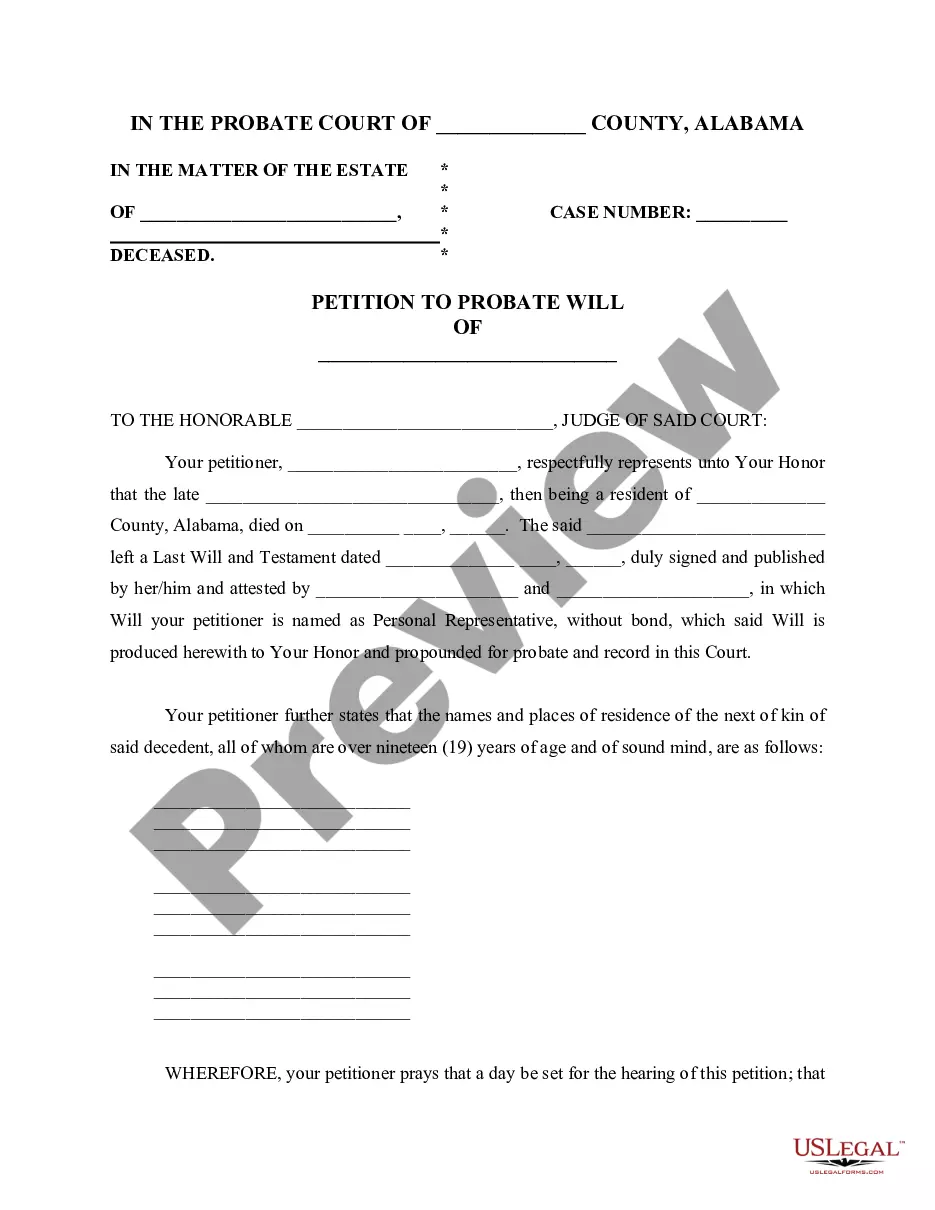






Form popularity
FAQ
Surety Bond — A properly completed bond form in the amount of one and one-half (1-1/2) times the appraised value. The required Power of Attorney form must be attached by the issuing insurance company.
A bond agreement is a legal contract between an issuer and the holder of a bond. The issuer agrees to repay the principal, usually at maturity, plus interest on time at a specified rate. Bonds are issued by governments or corporations in order to raise capital for projects that they need funding for.
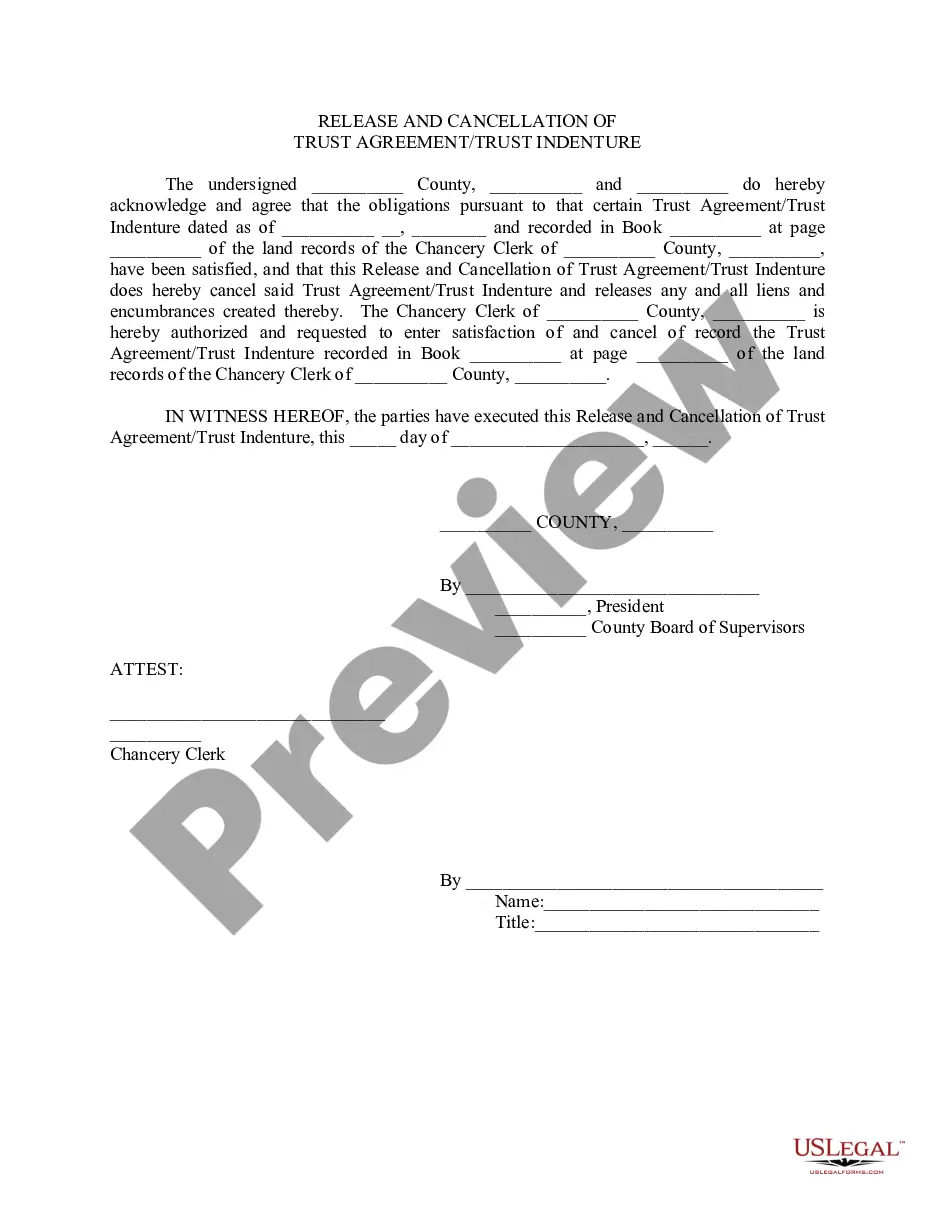
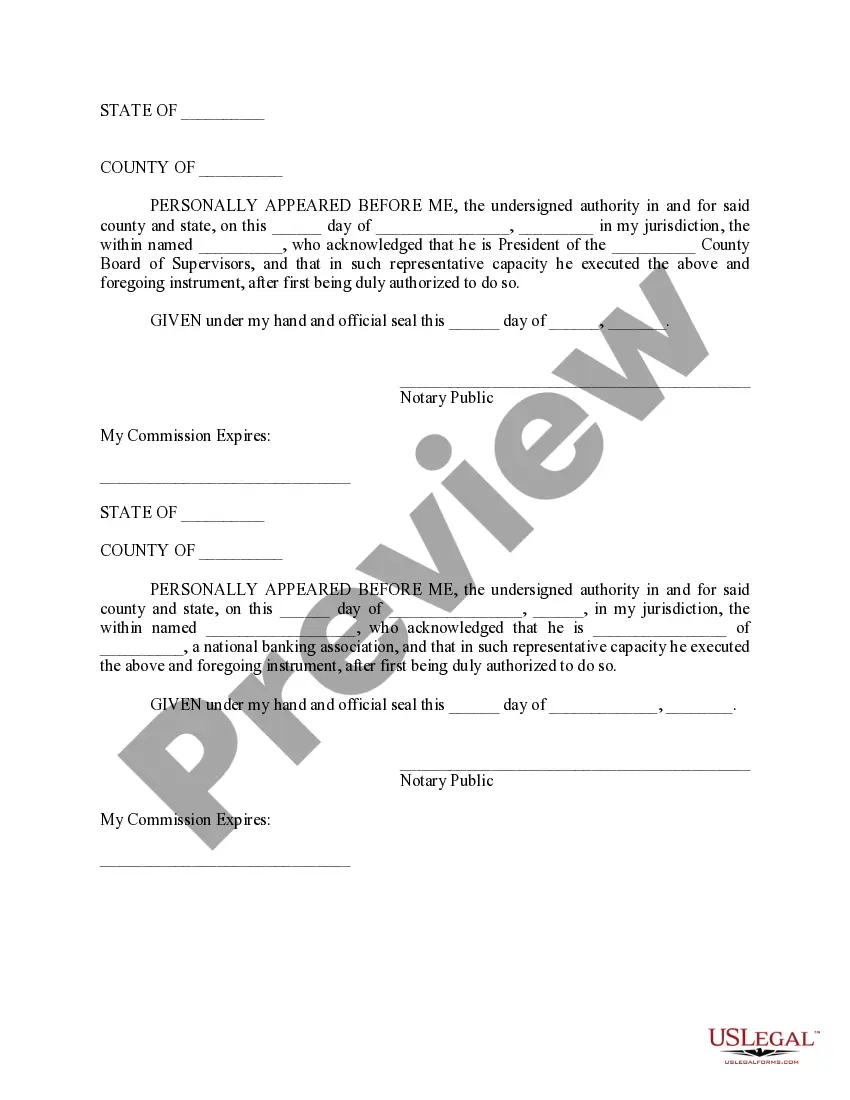
Most bonds are issued pursuant to a Trust Indenture. In certain instances, bonds are issued pursuant to a Resolution of the issuer. Unless otherwise stated, the term Indenture, as used in this chapter, includes the Resolution. The Indenture is a contract between the issuer and the bond trustee.
The terms of the Indenture are tailored to reflect the specific type of transaction and issuer. Like credit agreements,1 an Indenture contains lending and repayment terms. In contrast to credit agreements, however, the lender is not a party to an Indenture.
The first step to getting an Illinois surety bond is to apply for your bond. Not everyone can get approved for a bond, so this is the first step to getting bonded. Most companies all you to apply for your bond online. You can apply for a bond at your local insurance agency, or a specialized surety bond company.
An indenture is a deed with more than one party. In the old days they were written out, two copies, on a single piece of parchment then roughly cut, so the parts could later be compared. A deed of trust has at least two parties, the settler and the trustee, so it could be called an indenture.
The Trust Indenture Act requires certain prospectus disclosure about the debt securities in registered offerings. Most offerings of debt securities that are exempt from registration under the Securities Act of 1933 are also exempt from the Trust Indenture Act requirements.
To issue a bond, the issuer hires a third-party trustee, usually a bank or trust company, to represent investors who buy the bond. The agreement entered into by the issuer, and the trustee is referred to as the trust indenture.
The Trust Indenture Act of 1939 requires corporate bonds of $5 million or more offered for public sale to have a trust indenture, which is a contract between the bond issuer and bondholder. This makes the mortgage bond the correct answer.
A bond indenture is a contract that describes information related specifically to the issuance or usage of bonds. The term is synonymous with a deed of trust, which is used in financial fields and other areas of business to offer protection to bond issuers and bondholders or investors.
