Indenture For Land In California
Description

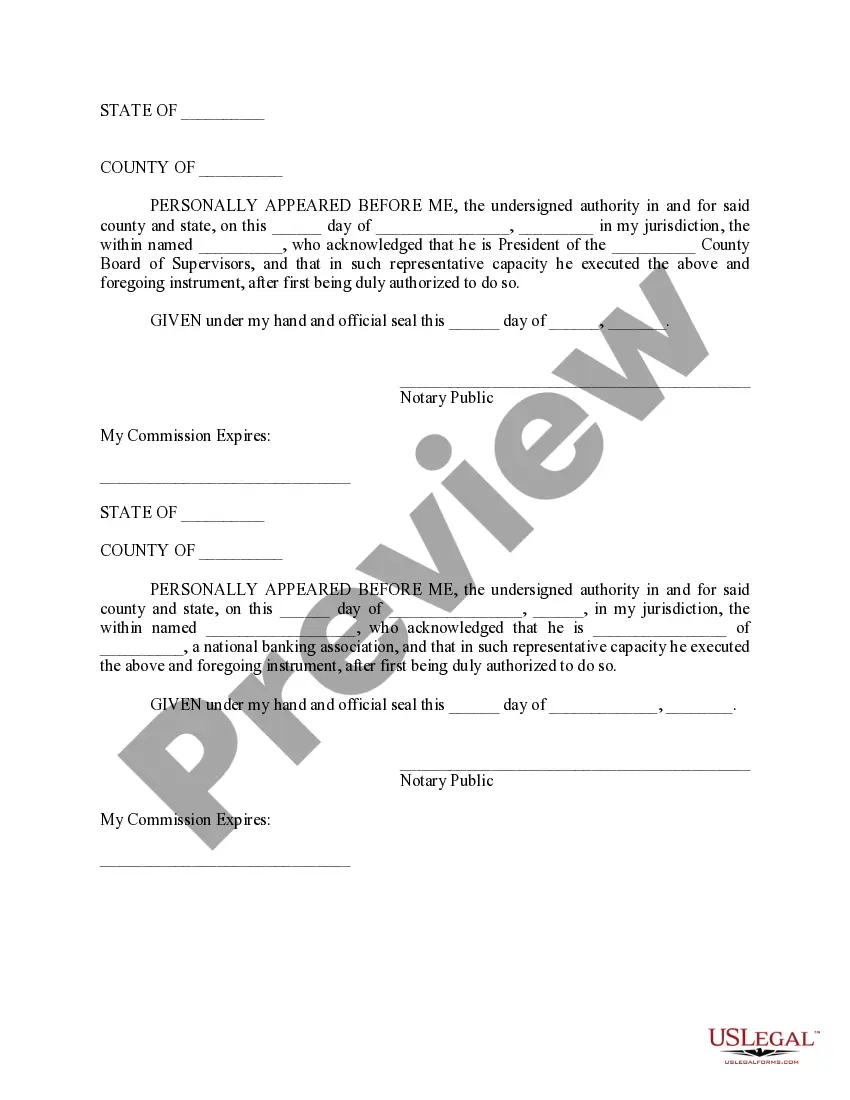
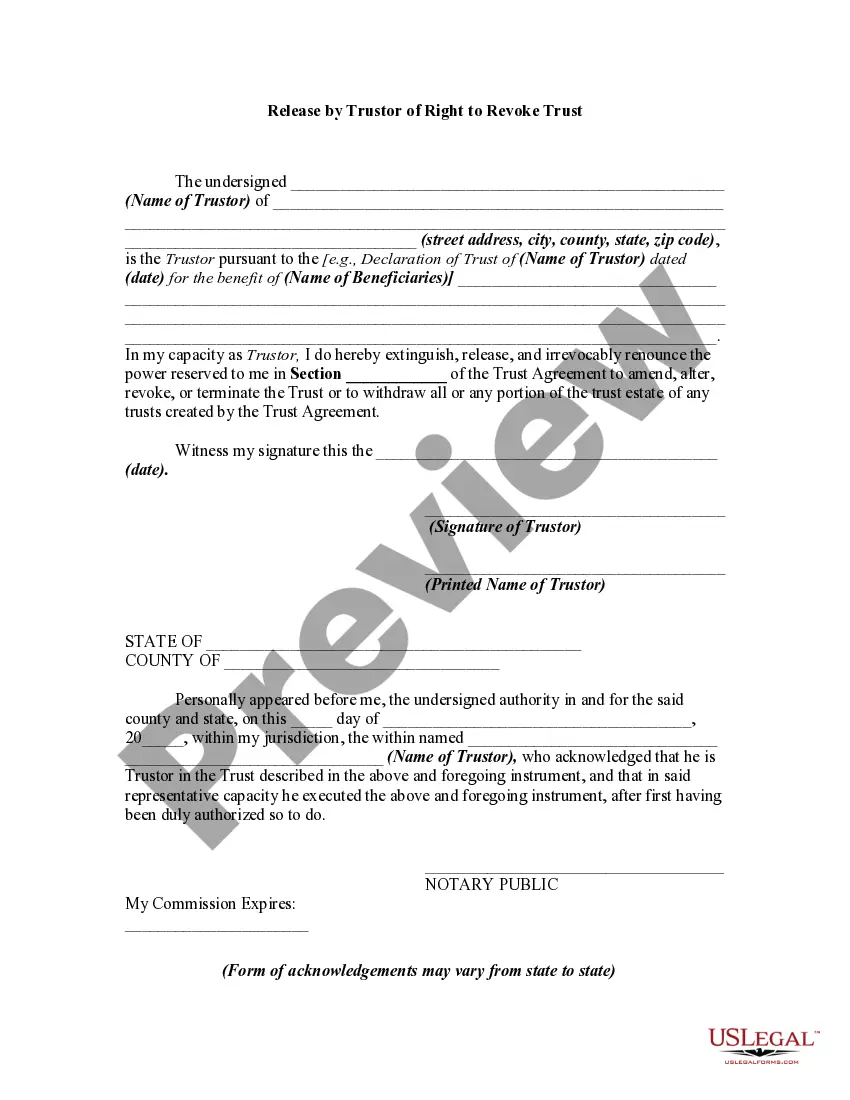
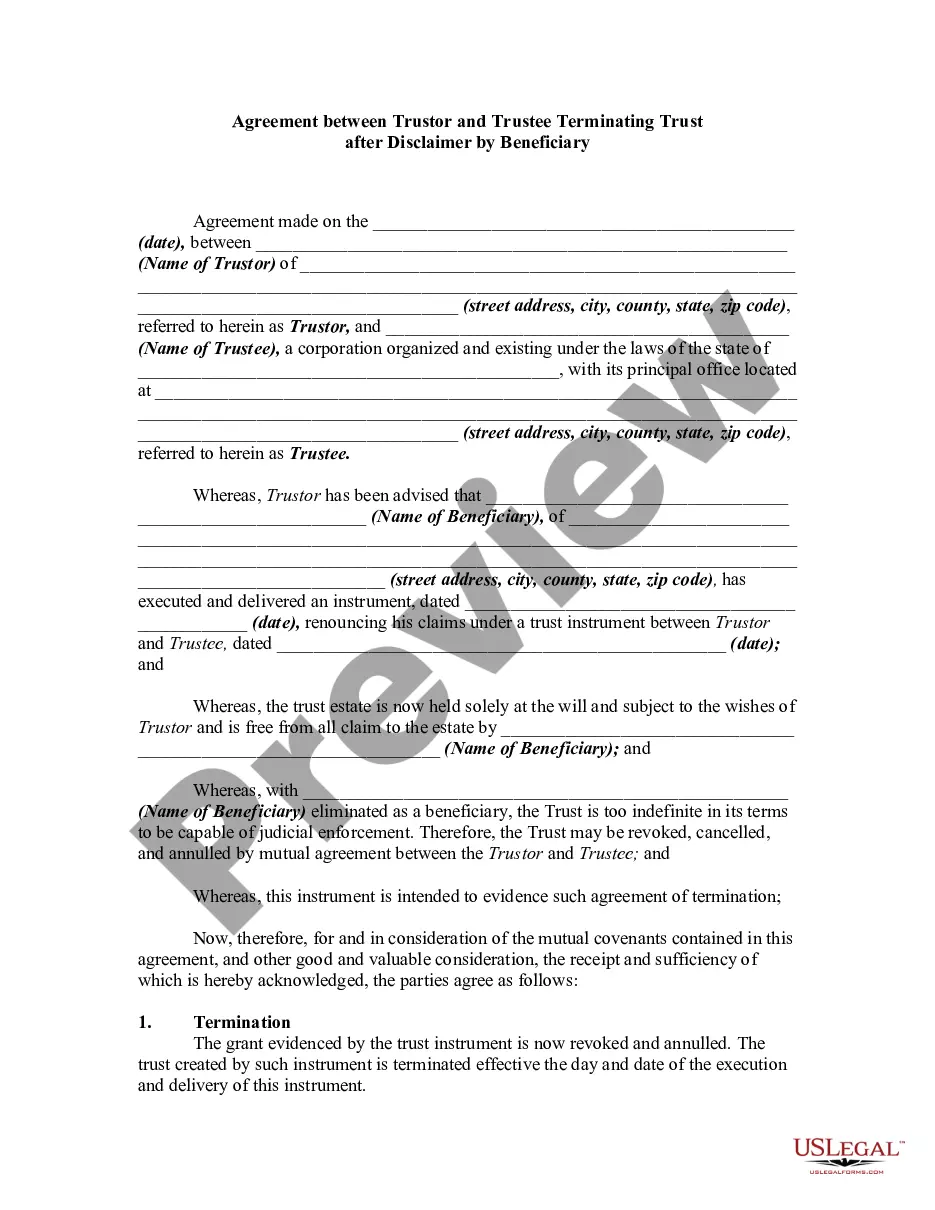
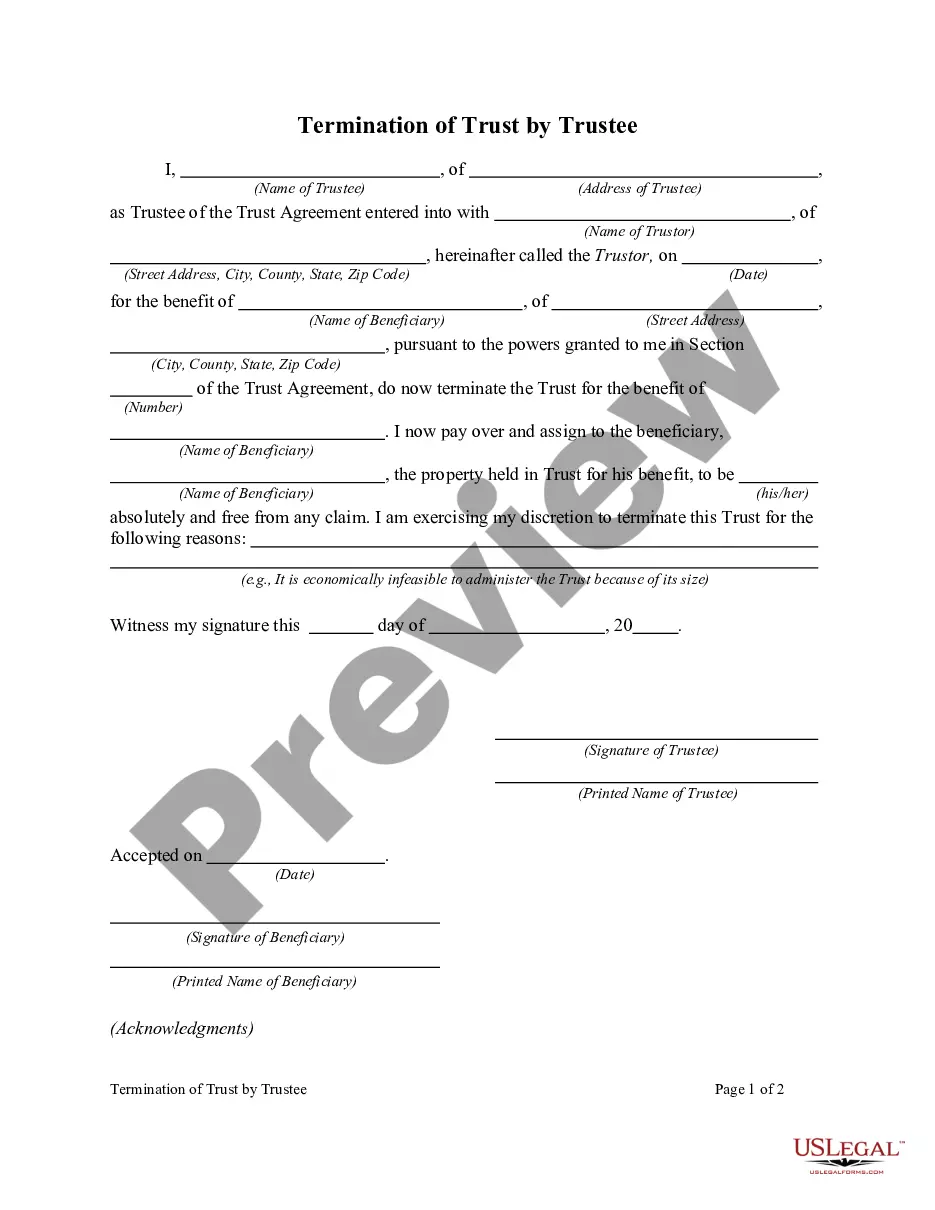
Get your form ready online
Our built-in tools help you complete, sign, share, and store your documents in one place.
Make edits, fill in missing information, and update formatting in US Legal Forms—just like you would in MS Word.
Download a copy, print it, send it by email, or mail it via USPS—whatever works best for your next step.
Sign and collect signatures with our SignNow integration. Send to multiple recipients, set reminders, and more. Go Premium to unlock E-Sign.
If this form requires notarization, complete it online through a secure video call—no need to meet a notary in person or wait for an appointment.
We protect your documents and personal data by following strict security and privacy standards.

Make edits, fill in missing information, and update formatting in US Legal Forms—just like you would in MS Word.

Download a copy, print it, send it by email, or mail it via USPS—whatever works best for your next step.

Sign and collect signatures with our SignNow integration. Send to multiple recipients, set reminders, and more. Go Premium to unlock E-Sign.

If this form requires notarization, complete it online through a secure video call—no need to meet a notary in person or wait for an appointment.

We protect your documents and personal data by following strict security and privacy standards.
Looking for another form?







Form popularity
FAQ
(6) when, by reason of the fact that trust indentures are commonly prepared by the obligor or underwriter in advance of the public offering of the securities to be issued thereunder, such investors are unable to participate in the preparation thereof, and, by reason of their lack of understanding of the situation, such ...
In real estate, an indenture is a deed in which two parties agree to continuing obligations. For example, one party may agree to maintain a property and the other may agree to make payments on it.
A contract between an Issuer and a Trustee (normally a commercial bank with trust powers) under which the Issuer issues Bonds and specifies their Maturities, Interest Rates, Redemption provisions, form, exchange provisions, security and other terms.
An indenture is a deed with more than one party. In the old days they were written out, two copies, on a single piece of parchment then roughly cut, so the parts could later be compared. A deed of trust has at least two parties, the settler and the trustee, so it could be called an indenture.
The Trust Indenture Act requires certain prospectus disclosure about the debt securities in registered offerings. Most offerings of debt securities that are exempt from registration under the Securities Act of 1933 are also exempt from the Trust Indenture Act requirements.
The Indenture pledges certain revenues as security for repayment of the Bonds. The Trustee agrees to act on behalf of the holders of the Bonds and to represent their interests.
The terms of the Indenture are tailored to reflect the specific type of transaction and issuer. Like credit agreements,1 an Indenture contains lending and repayment terms. In contrast to credit agreements, however, the lender is not a party to an Indenture.
Bordered by Oregon to the north, Nevada and Arizona to the east, Mexico to the south and the Pacific Ocean to the west, its physical geography is very diverse: within its boundaries are cliffs, beaches, volcanic lava beds, fertile river valleys, waterfalls, mountains and deserts.
Yes, private use of public land generally requires compensation. Various laws and regulations govern the process of determining rent or royalty. The Commission also uses regional benchmarks or appraised values to determine rent, depending on the specific use.
In this tradition, California's navigable beds of waterways are called Sovereign Lands. They became state property when California joined the Union on September 9, 1850, and are held by the State in trust for the people. Since 1938, the Commission has been the administrator and guardian of these valuable public lands.
