Sba Loan Forbearance Agreement In Wake
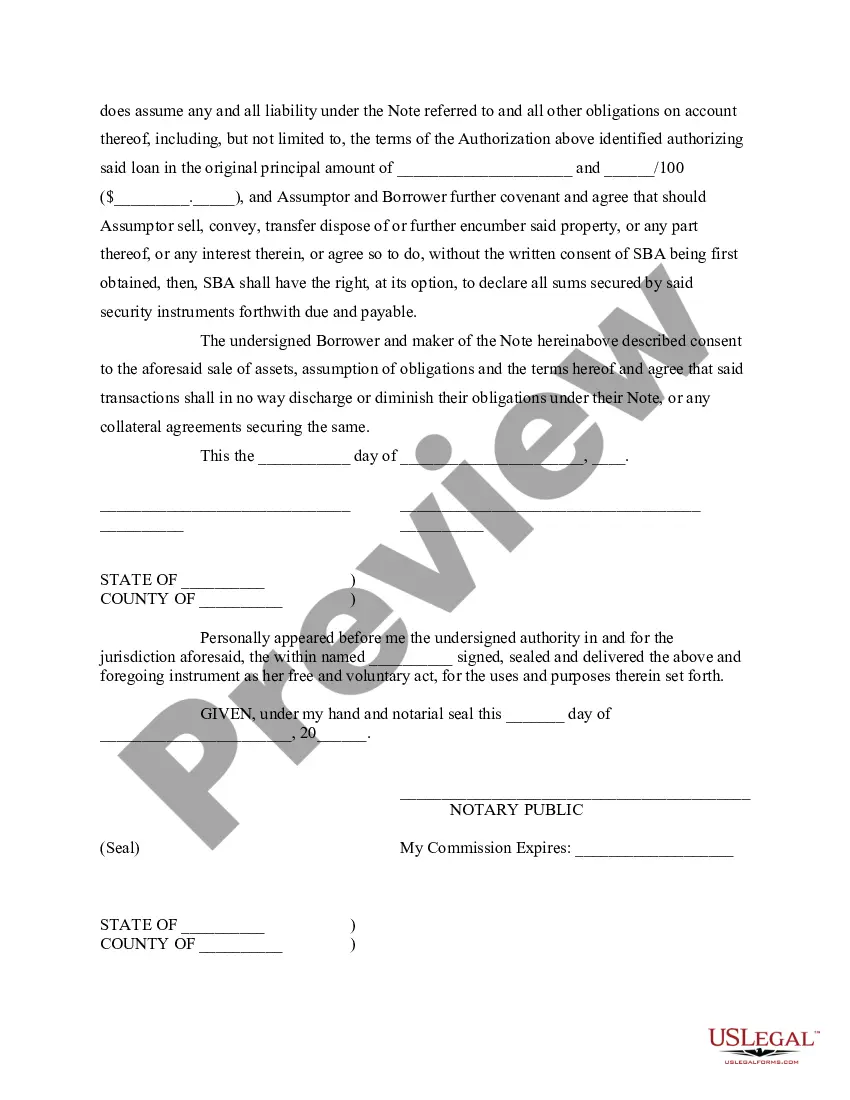
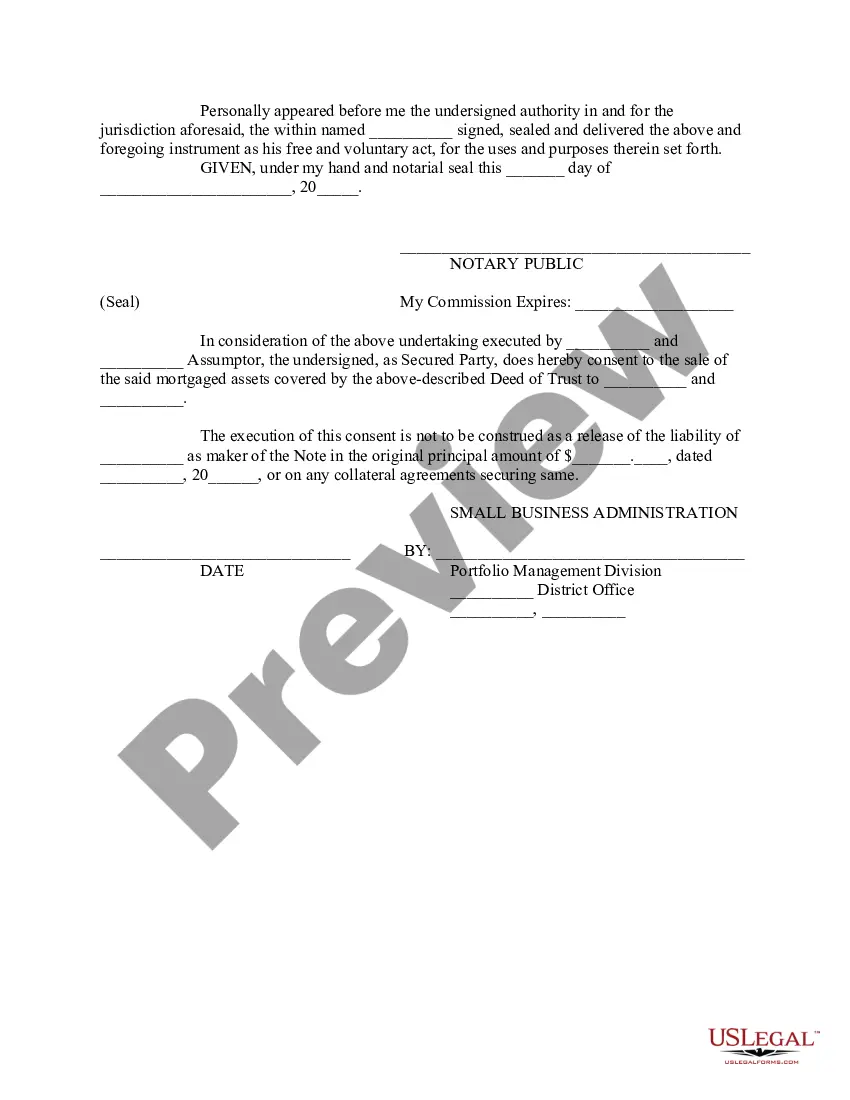
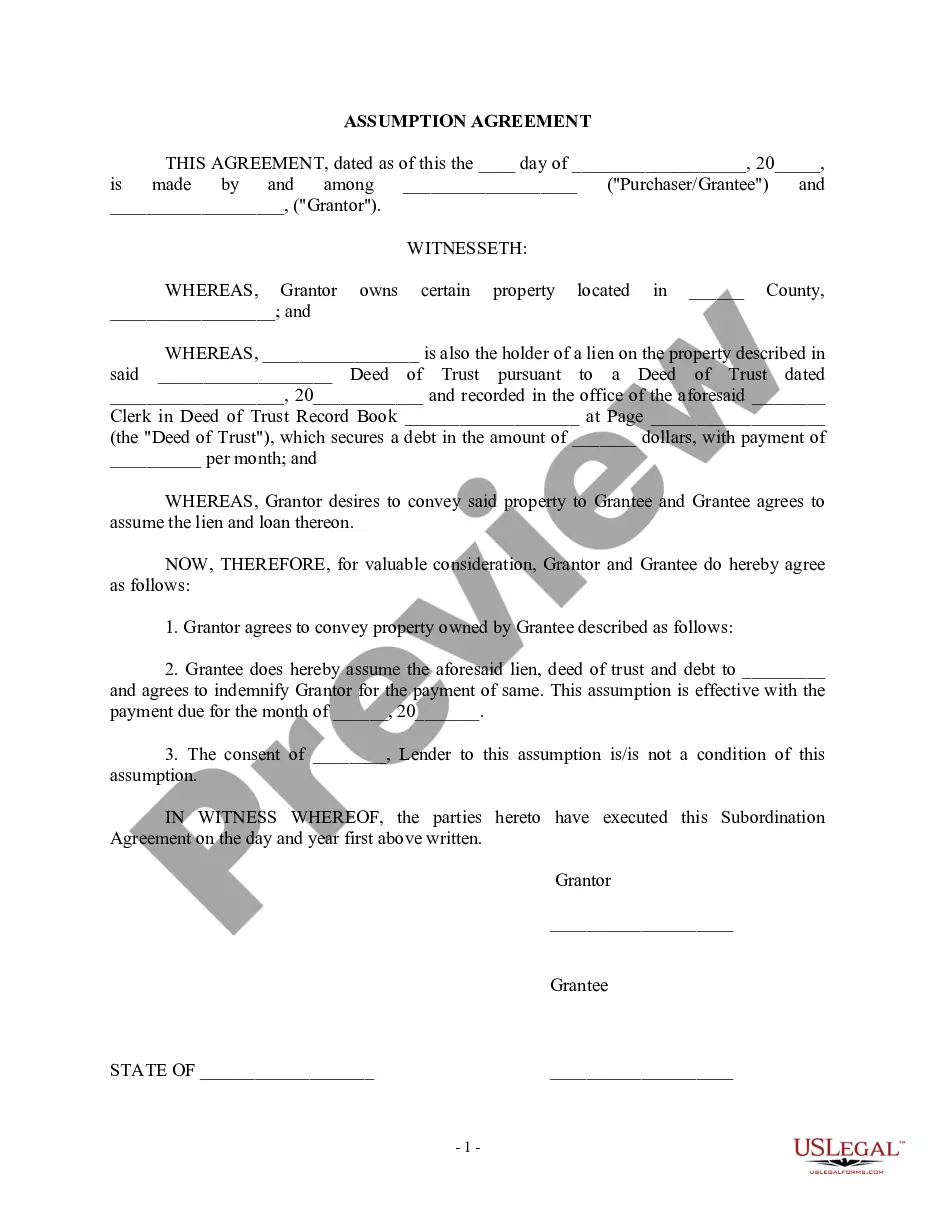
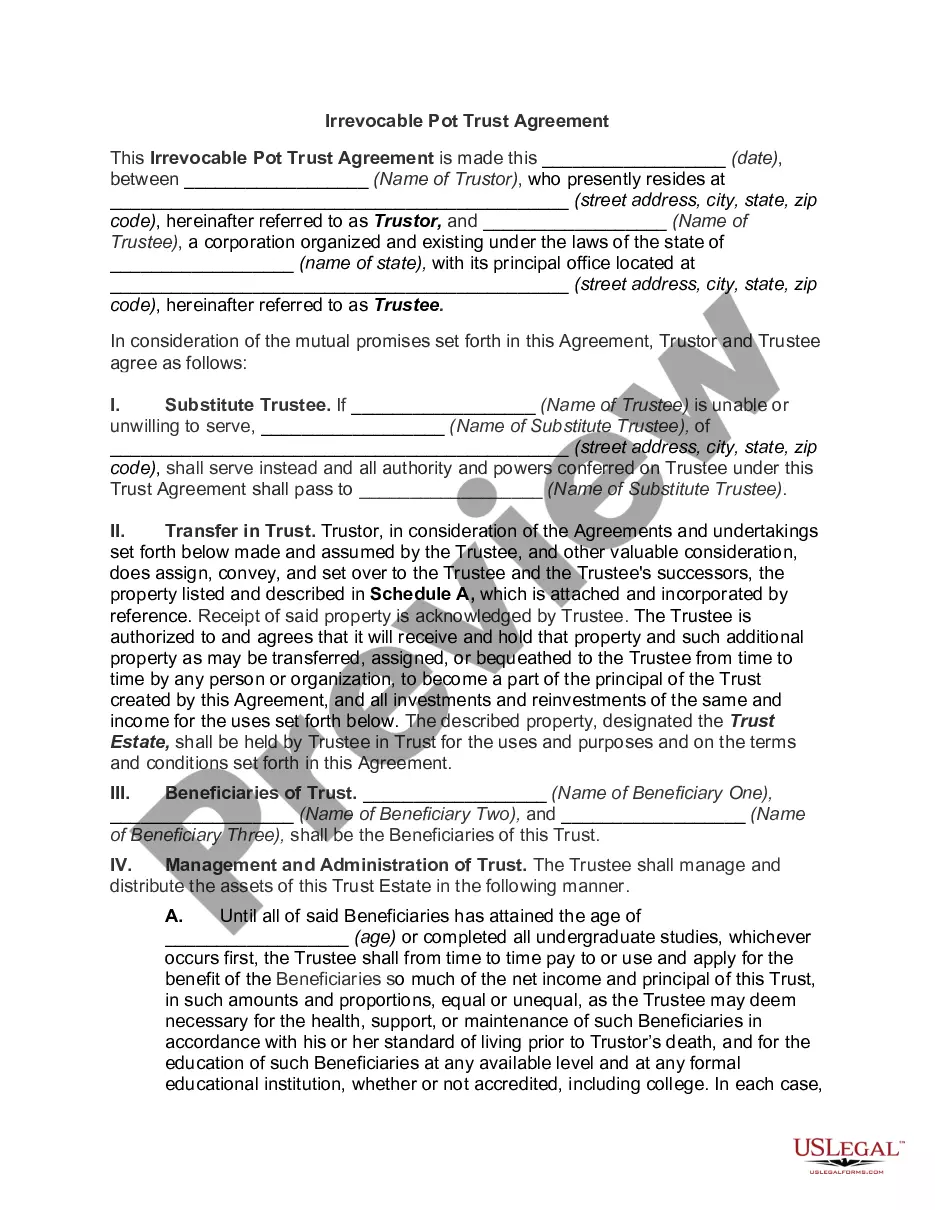
Description


Get your form ready online
Our built-in tools help you complete, sign, share, and store your documents in one place.
Make edits, fill in missing information, and update formatting in US Legal Forms—just like you would in MS Word.
Download a copy, print it, send it by email, or mail it via USPS—whatever works best for your next step.
Sign and collect signatures with our SignNow integration. Send to multiple recipients, set reminders, and more. Go Premium to unlock E-Sign.
If this form requires notarization, complete it online through a secure video call—no need to meet a notary in person or wait for an appointment.
We protect your documents and personal data by following strict security and privacy standards.

Make edits, fill in missing information, and update formatting in US Legal Forms—just like you would in MS Word.

Download a copy, print it, send it by email, or mail it via USPS—whatever works best for your next step.

Sign and collect signatures with our SignNow integration. Send to multiple recipients, set reminders, and more. Go Premium to unlock E-Sign.

If this form requires notarization, complete it online through a secure video call—no need to meet a notary in person or wait for an appointment.

We protect your documents and personal data by following strict security and privacy standards.
Looking for another form?


Form popularity
FAQ
As part of a standard mortgage forbearance agreement, the lender agrees not to foreclose on your home for missed payments. After the forbearance period ends, you'll still need to make up the payments you missed, but there are a couple of ways to do this, including making a lump sum payment.
Forbearance is the intentional action of abstaining from doing something. In the context of the law, it refers to the act of delaying from enforcing a right, obligation , or debt . For example, a creditor may forbear legal action against the debtor if they settle the debt payment with new payment conditions.
There are two types of forbearance: general and mandatory. Interest on your loans continues to accumulate while in forbearance.
Under the new law, forbearance shall be granted for up to 180 days at your request, and shall be extended for an additional 180 days at your request. 1 Remember to make the second 180-day request before the end of the first forbearance period.
The SBA allows a grace period of two business days after the due date. Lenders submit the Monthly Section 1112 Report for the Section 1112 Debt Relief Program no later than the 7th day of each month, or the next business day.
Under the agreement, the lender agrees to forestall pursuing its remedies for a short period of time, typically 60 to 90 days, in the hope that the borrower will be able to address its financial issues during that period.
Business owners are often put off with required SBA personal guarantees and even pledging a residence as collateral. First, unlike almost any other banking product, SBA loans have no covenants, so a default is virtually impossible so long as payments are made.
