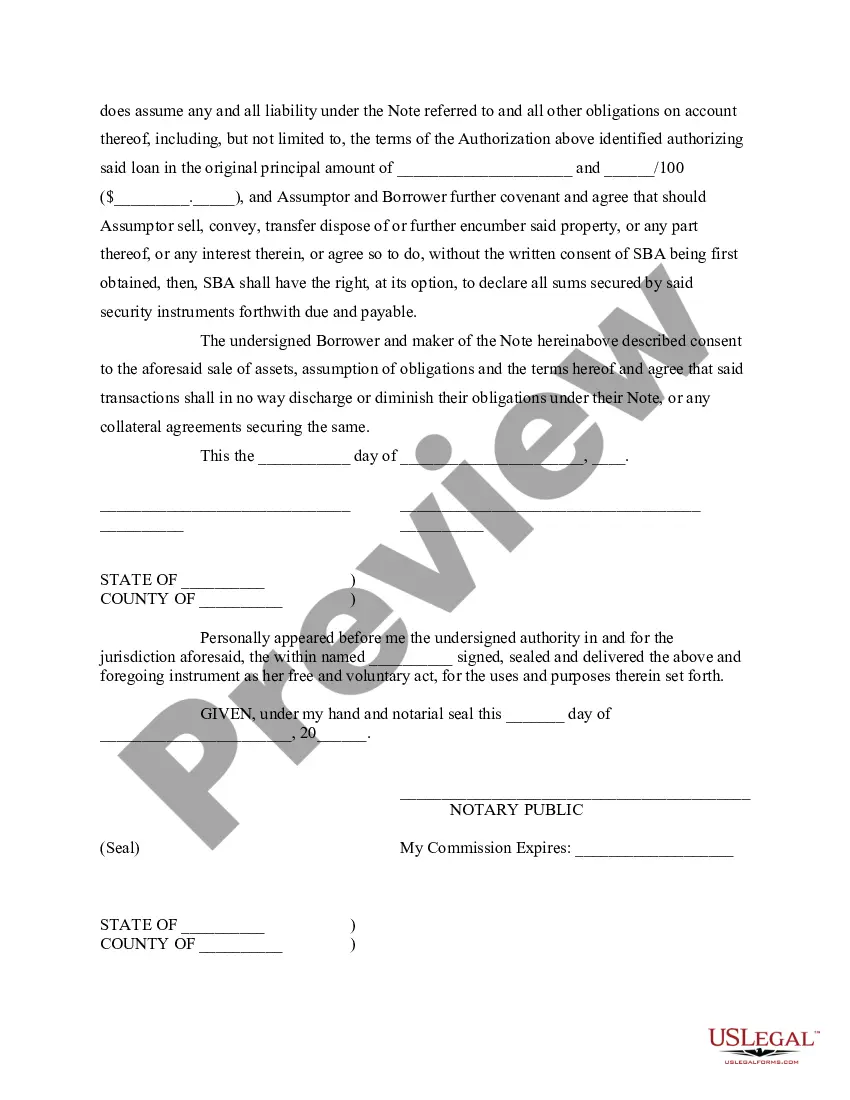
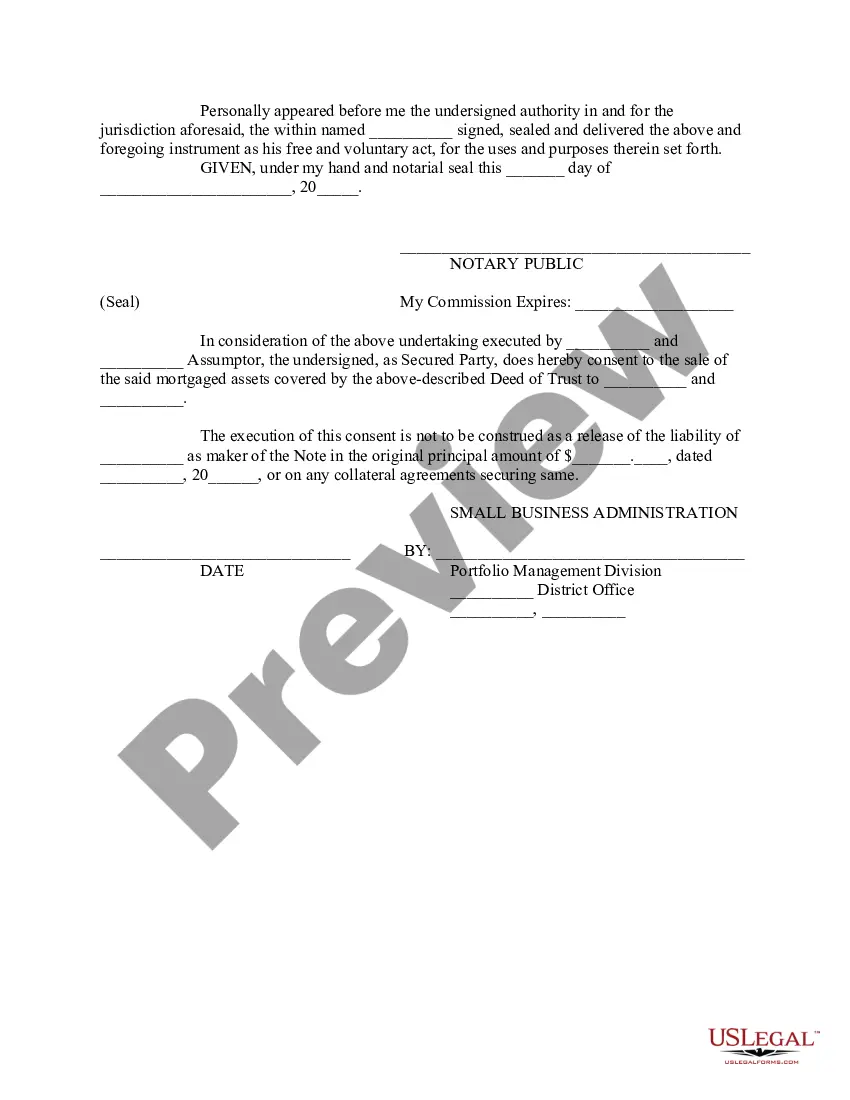
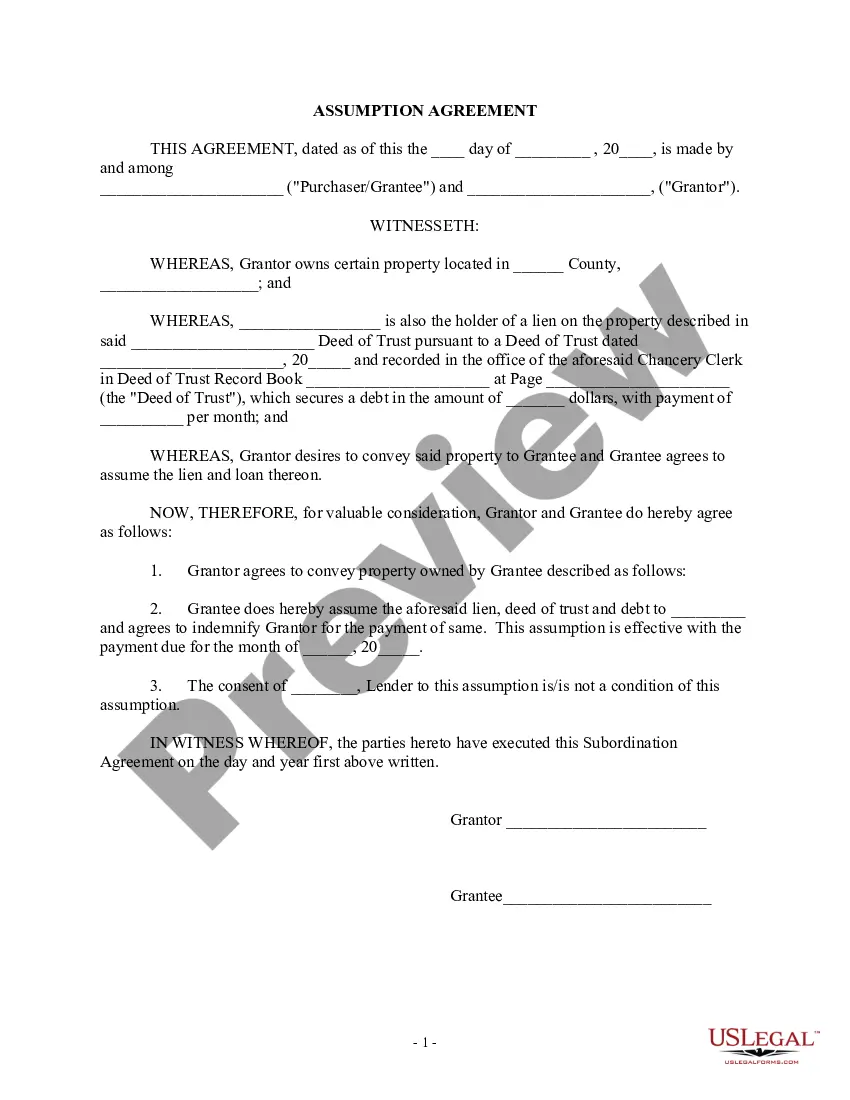
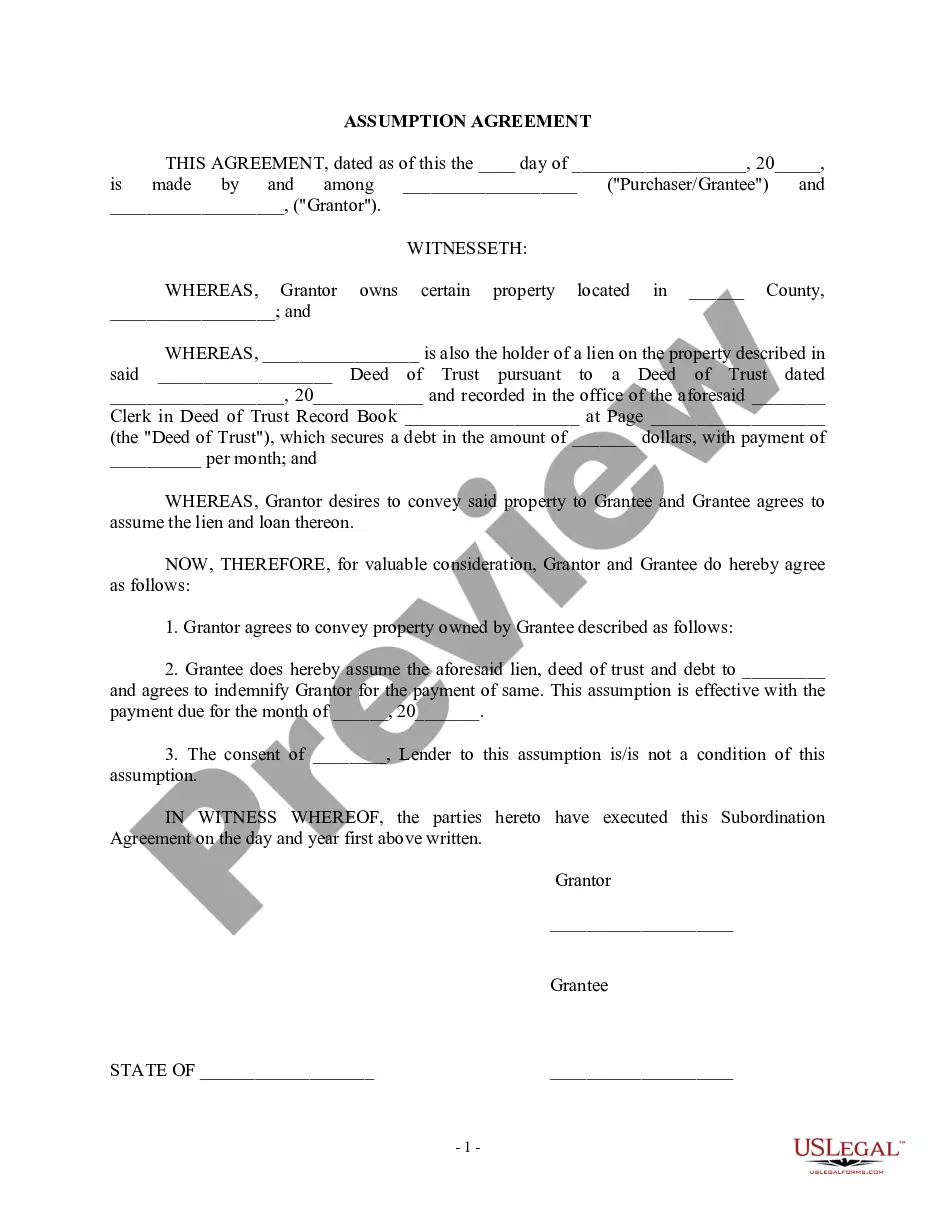
Sba Loan Agreement Without Interest In Travis
Description

Get your form ready online
Our built-in tools help you complete, sign, share, and store your documents in one place.
Make edits, fill in missing information, and update formatting in US Legal Forms—just like you would in MS Word.
Download a copy, print it, send it by email, or mail it via USPS—whatever works best for your next step.
Sign and collect signatures with our SignNow integration. Send to multiple recipients, set reminders, and more. Go Premium to unlock E-Sign.
If this form requires notarization, complete it online through a secure video call—no need to meet a notary in person or wait for an appointment.
We protect your documents and personal data by following strict security and privacy standards.

Make edits, fill in missing information, and update formatting in US Legal Forms—just like you would in MS Word.

Download a copy, print it, send it by email, or mail it via USPS—whatever works best for your next step.

Sign and collect signatures with our SignNow integration. Send to multiple recipients, set reminders, and more. Go Premium to unlock E-Sign.

If this form requires notarization, complete it online through a secure video call—no need to meet a notary in person or wait for an appointment.

We protect your documents and personal data by following strict security and privacy standards.
Looking for another form?
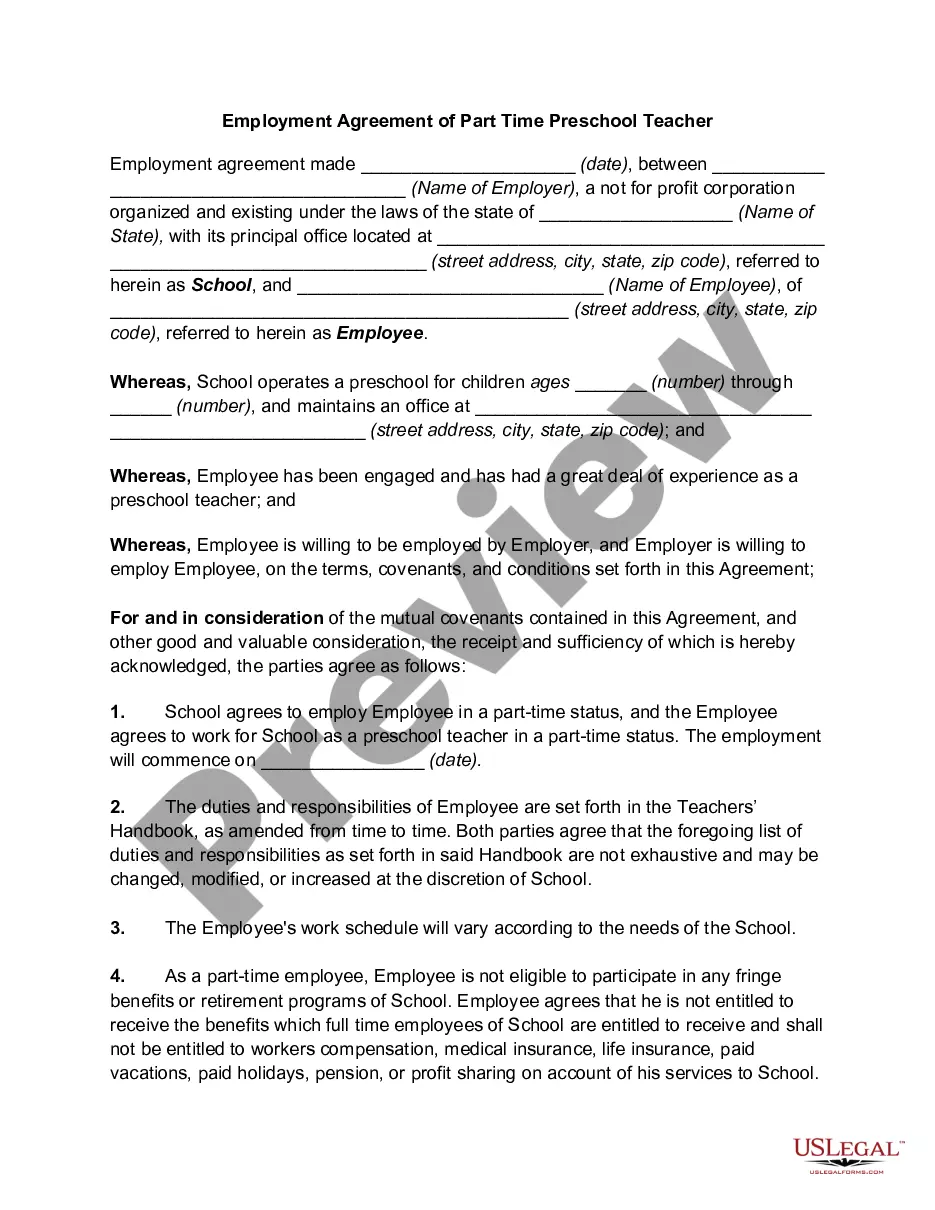
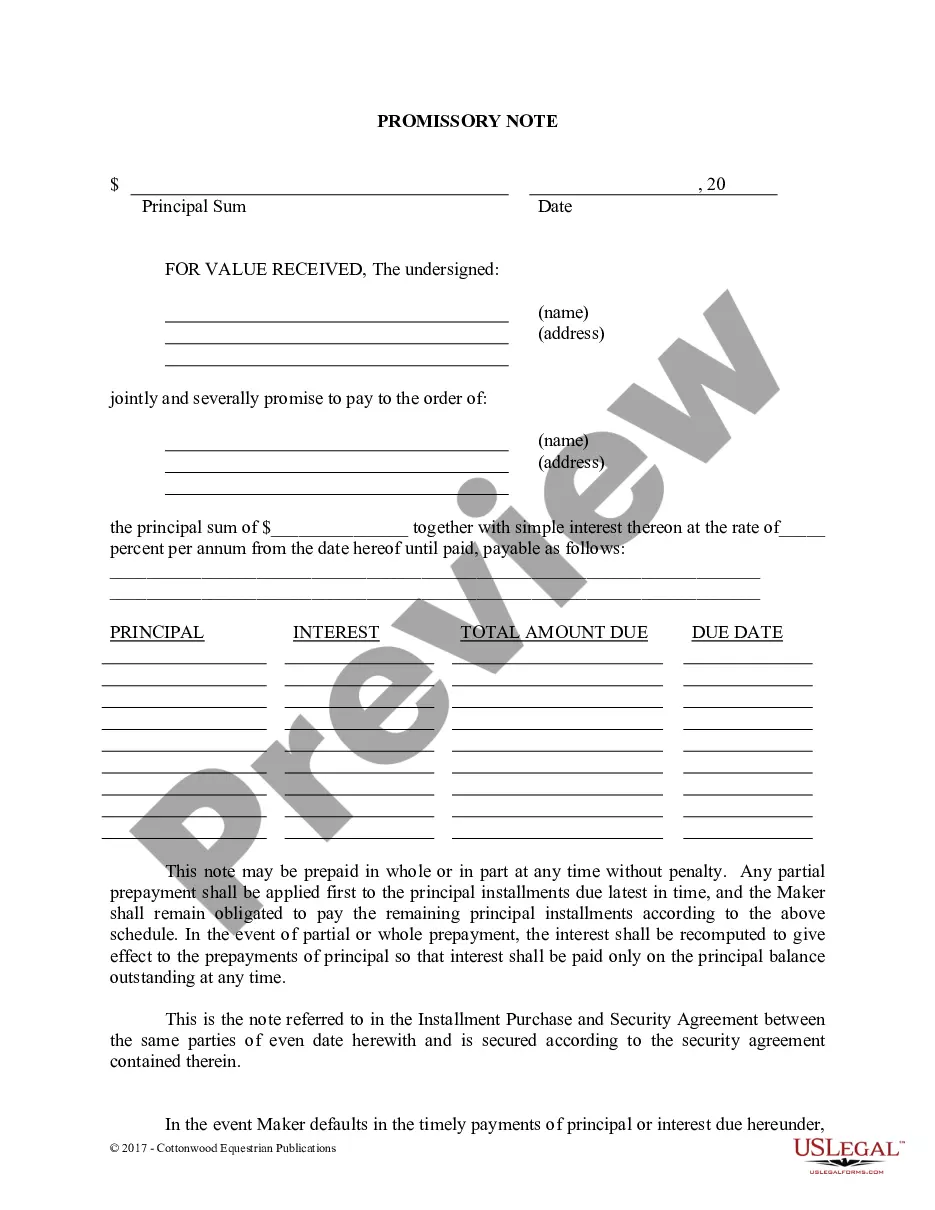

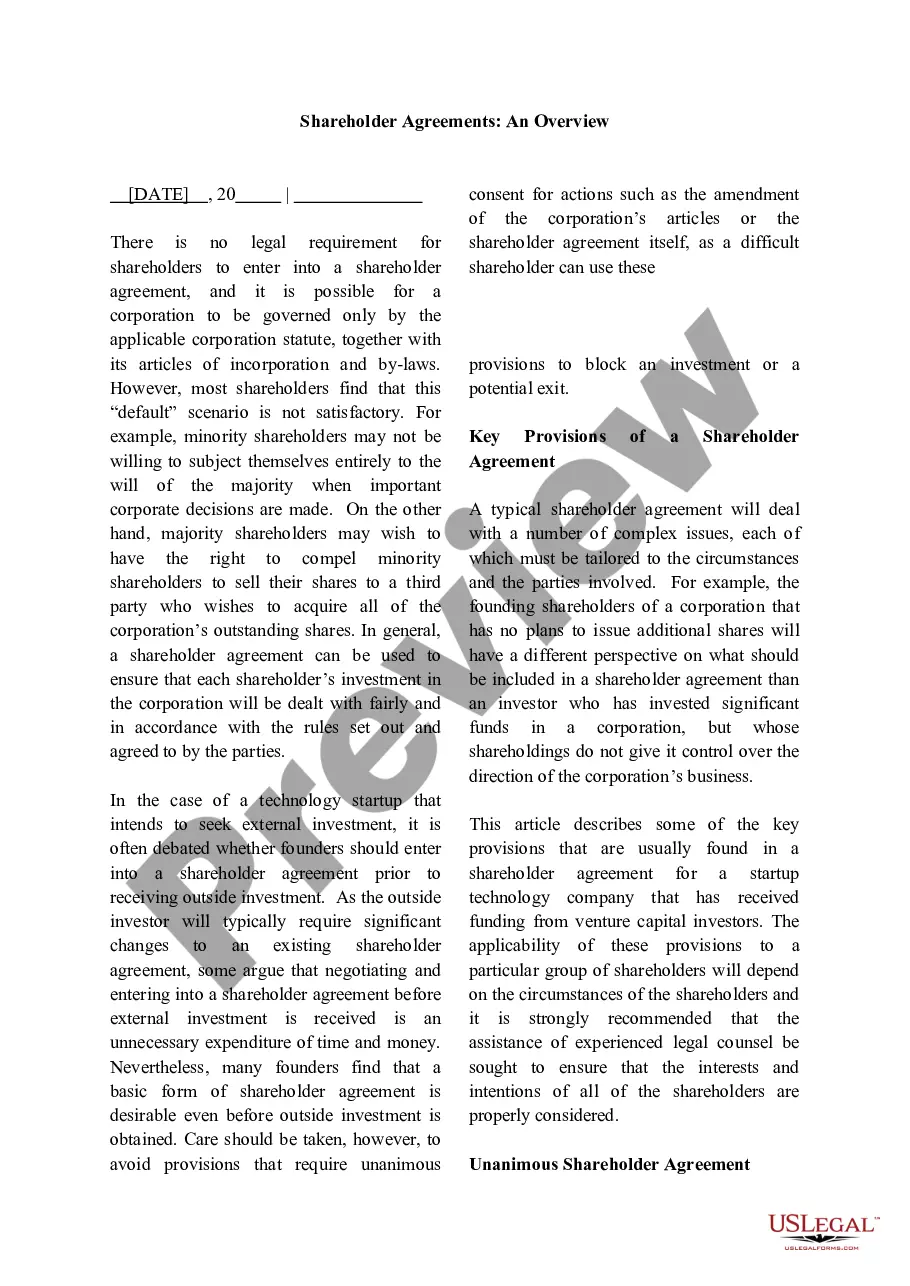

Form popularity
FAQ
The Stand-by Arrangement (SBA) provides short-term financial assistance to countries facing balance of payments problems. Historically, it has been the IMF lending instrument most used by advanced and emerging market countries.
All loans insured by the SBA require a personal guarantee from every owner with a 20 percent or greater equity stake in the business.
Pursuant to 13 CFR § 120.160(a), all SBA 7(a) loans must be guaranteed by at least one person or entity. Generally, guarantees are required of any individual or entity who owns 20% or more of a borrower entity.
Individuals who own 20% or more of a small business applicant must provide an unlimited personal guaranty. SBA Lenders may use this form.
There is no provision for forgiveness on these loans, nor should anyone expect that there will be. The EIDL is a decades-old program, and if they forgive loans for this particular disaster, then borrowers for every other EIDL program are going to expect forgiveness on their loans as well. It's not happening.
In car rental, Third-Party Liability is a form of liability insurance. Third-Party Liability protects the insured against damages caused to a third party, that is, a person or property. Third-Party Liability can cover expenses such as hospital care, lost wages, or repairs to the car's bodywork.
TPL - THIRD-PARTY LIABILITY.
In the most general terms, third party insurance will cover bodily injury or property damage for which the third party claims your business was directly responsible. For example: A patron comes down with food poisoning after eating at your restaurant and decides to sue your business.
The ConsensusDocs' 750 Constructor and Subcontractor Agreement provides a standard agreement between a constructor and subcontractor, with the general terms and conditions and the construction agreement terms conveniently integrated into one document.
How to fill out SBA form 413 Provide basic business information. Report your assets. Report your liabilities. List your source of income and contingent liabilities to complete section 1. Detail your notes payable to banks and others in section 2. Detail the status of your stocks and bonds for section 3.
