Sba Loan Assumption With A Mortgage In Texas
Description

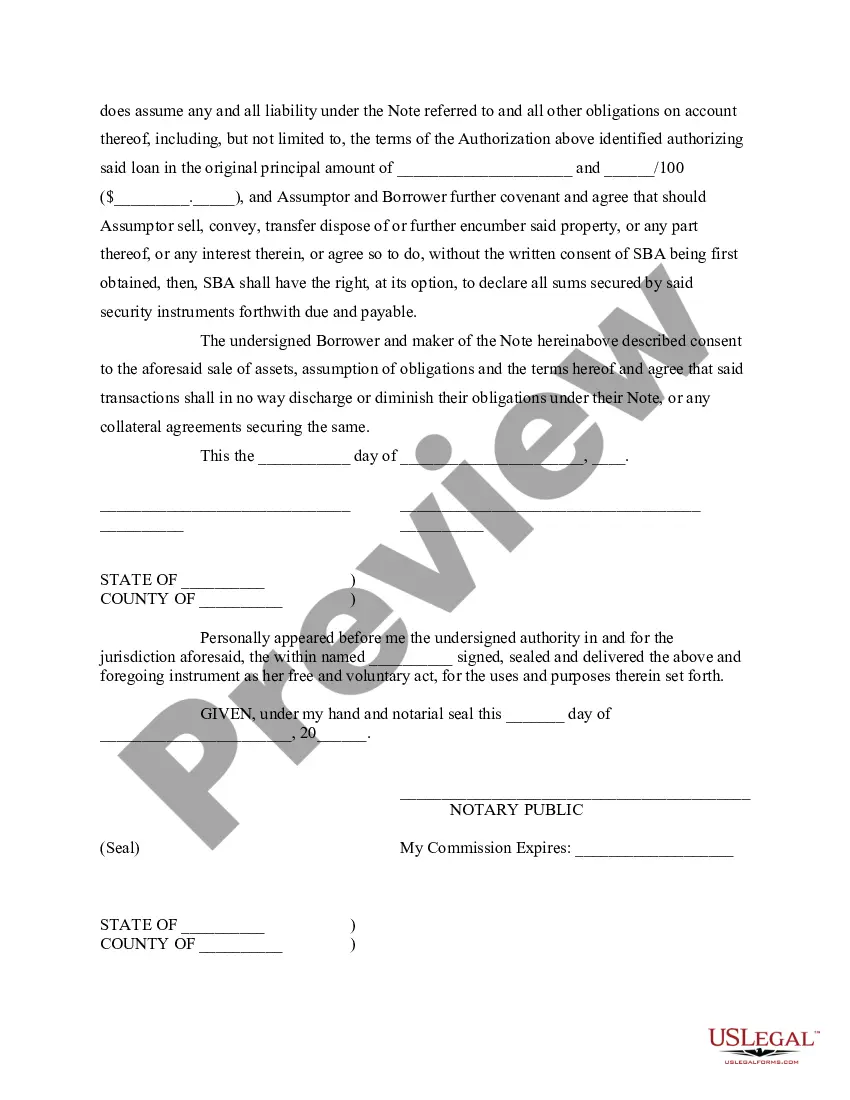
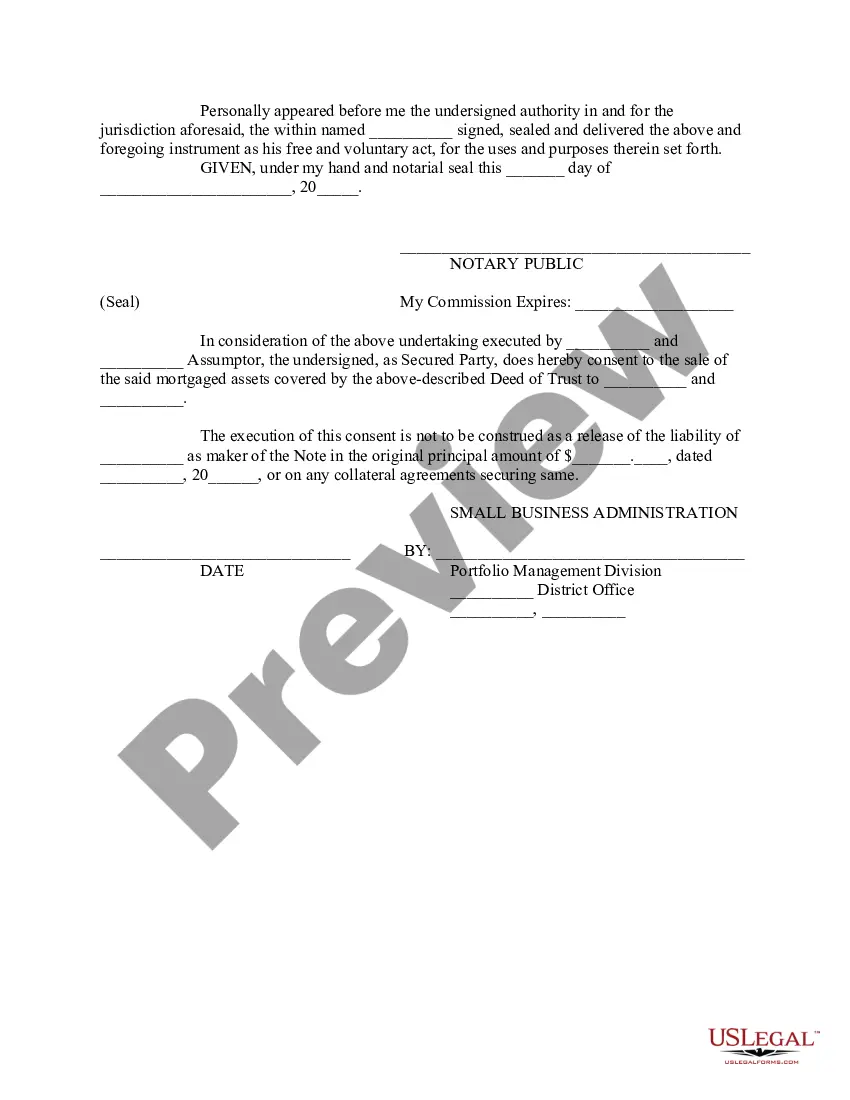
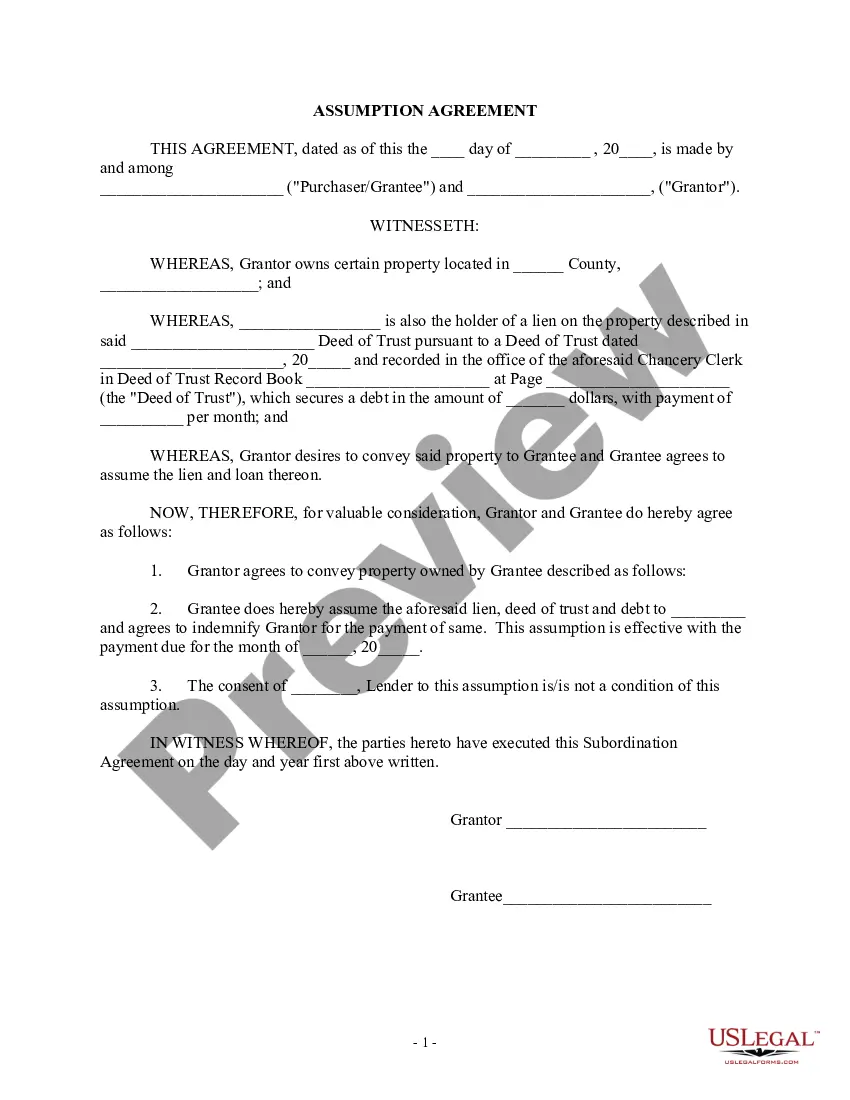
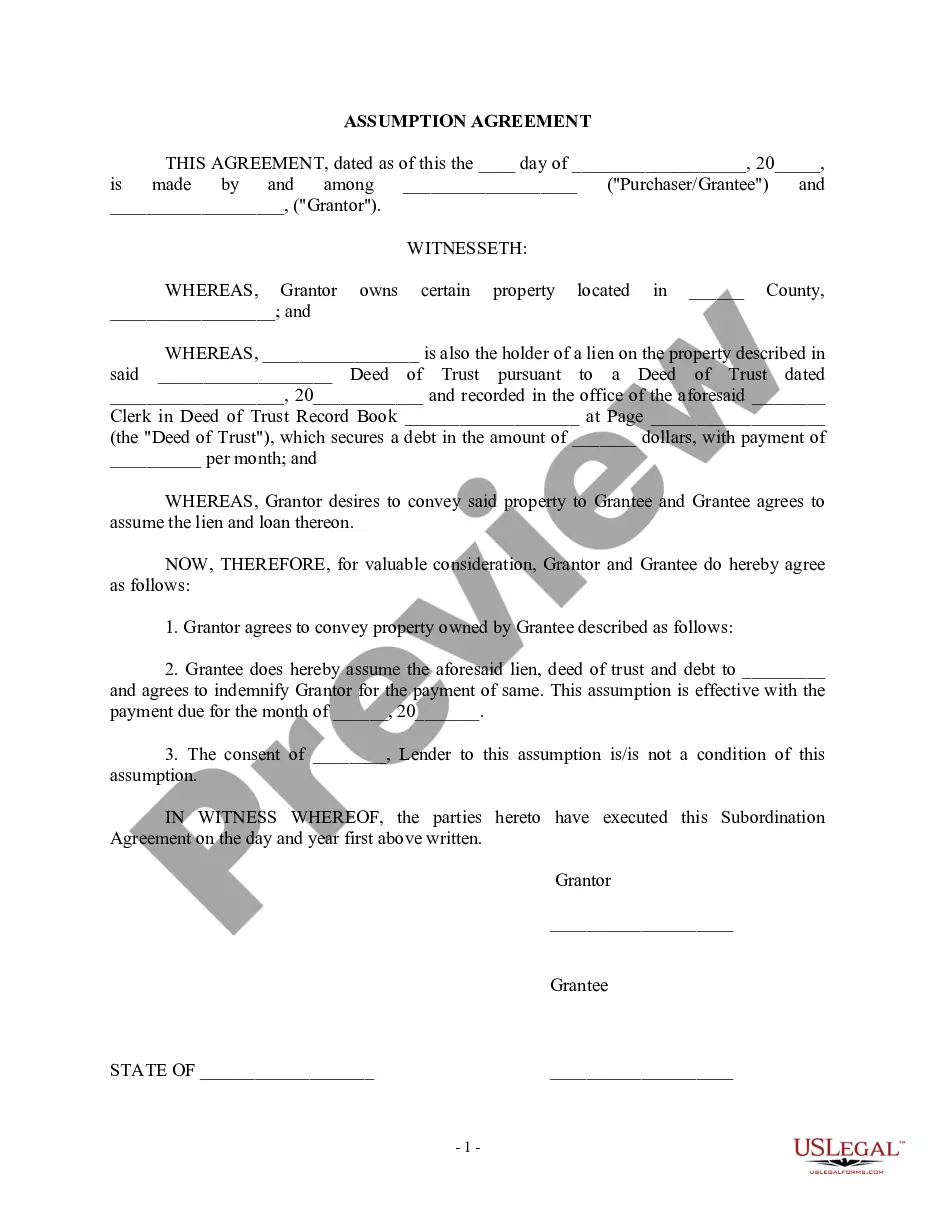
Get your form ready online
Our built-in tools help you complete, sign, share, and store your documents in one place.
Make edits, fill in missing information, and update formatting in US Legal Forms—just like you would in MS Word.
Download a copy, print it, send it by email, or mail it via USPS—whatever works best for your next step.
Sign and collect signatures with our SignNow integration. Send to multiple recipients, set reminders, and more. Go Premium to unlock E-Sign.
If this form requires notarization, complete it online through a secure video call—no need to meet a notary in person or wait for an appointment.
We protect your documents and personal data by following strict security and privacy standards.

Make edits, fill in missing information, and update formatting in US Legal Forms—just like you would in MS Word.

Download a copy, print it, send it by email, or mail it via USPS—whatever works best for your next step.

Sign and collect signatures with our SignNow integration. Send to multiple recipients, set reminders, and more. Go Premium to unlock E-Sign.

If this form requires notarization, complete it online through a secure video call—no need to meet a notary in person or wait for an appointment.

We protect your documents and personal data by following strict security and privacy standards.
Looking for another form?

Form popularity
FAQ
Only government-backed mortgages — loans backed by the Federal Housing Administration, U.S. Department of Agriculture and U.S. Department of Veterans Affairs — can qualify as assumable mortgages.
Assumable mortgages are not as common as traditional mortgages. They are typically available with certain types of government-backed loans, such as FHA, VA, and USDA loans.
In Texas, you can only take out up to 80% of your home's equity, which means up to 80% of your property's appraised value. You must retain at least 20% equity in your home. For example, say your home is worth $300,000 and your outstanding mortgage balance is $80,000.
Yes, for government-backed loans, but the buyer needs to meet the lender's standards.
The Drawbacks of Mortgage Assumption In a simple assumption, the seller remains liable for the outstanding mortgage debt. If the buyer defaults on payments, both parties' credit scores are affected. This shared risk can strain the relationship between buyer and seller and lead to financial repercussions for both.