Sba Loans Assumed With Property You Received In Maricopa
Description

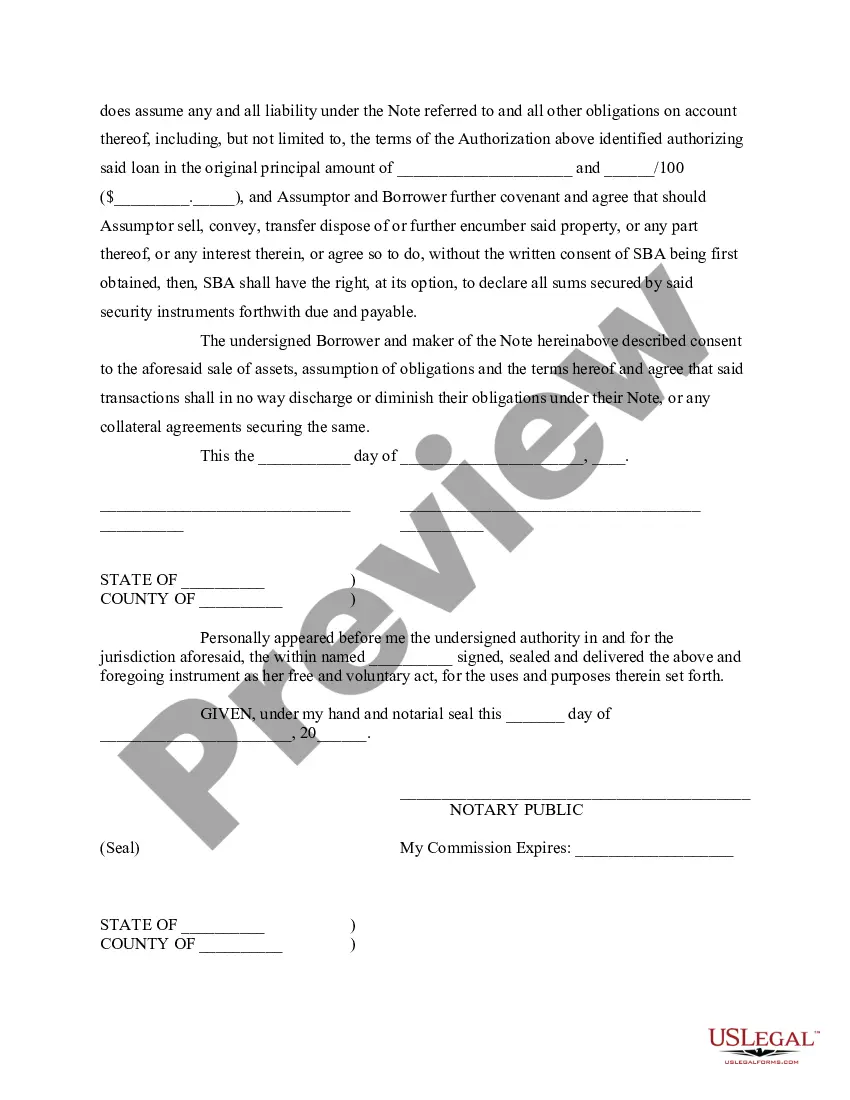
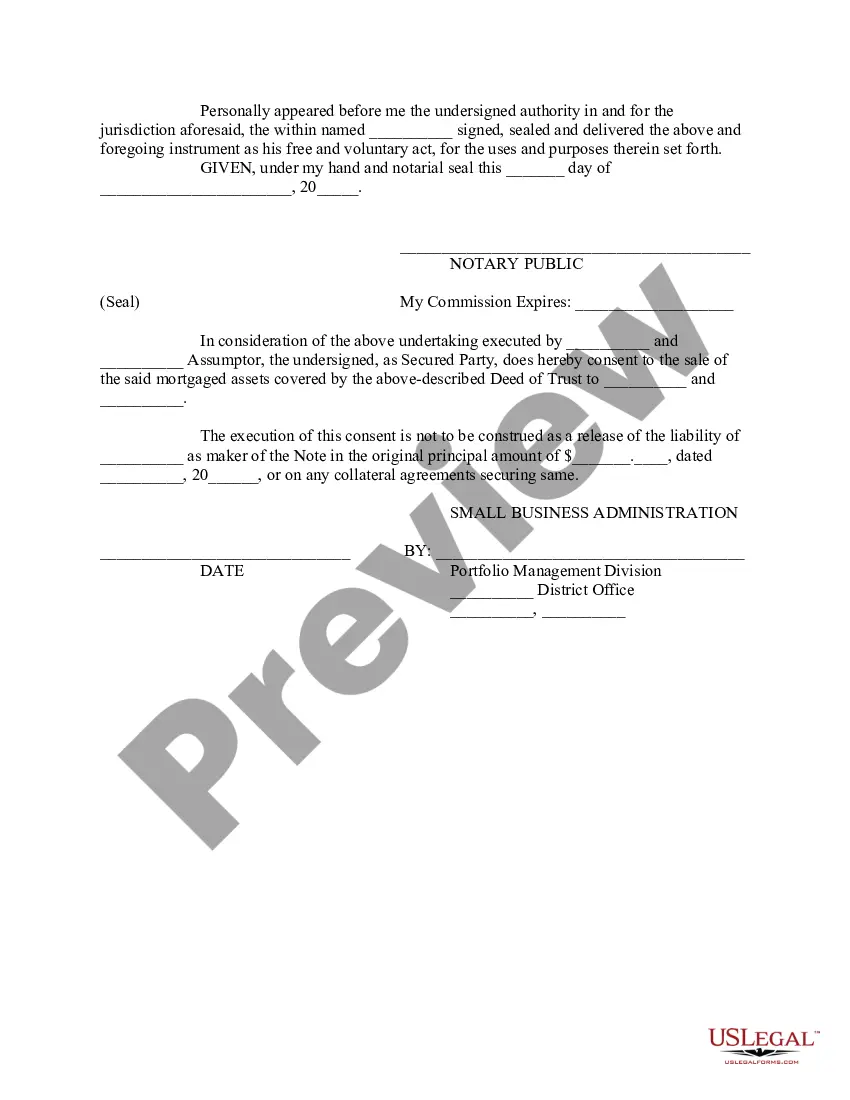
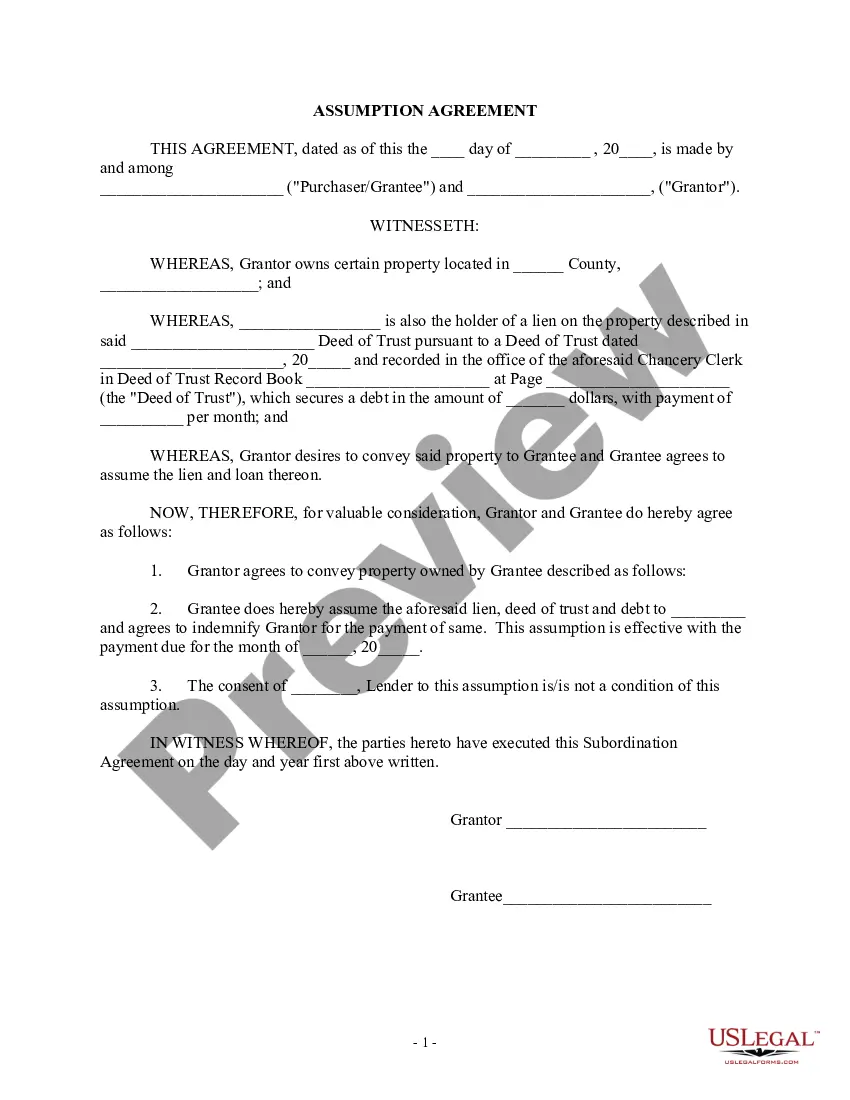
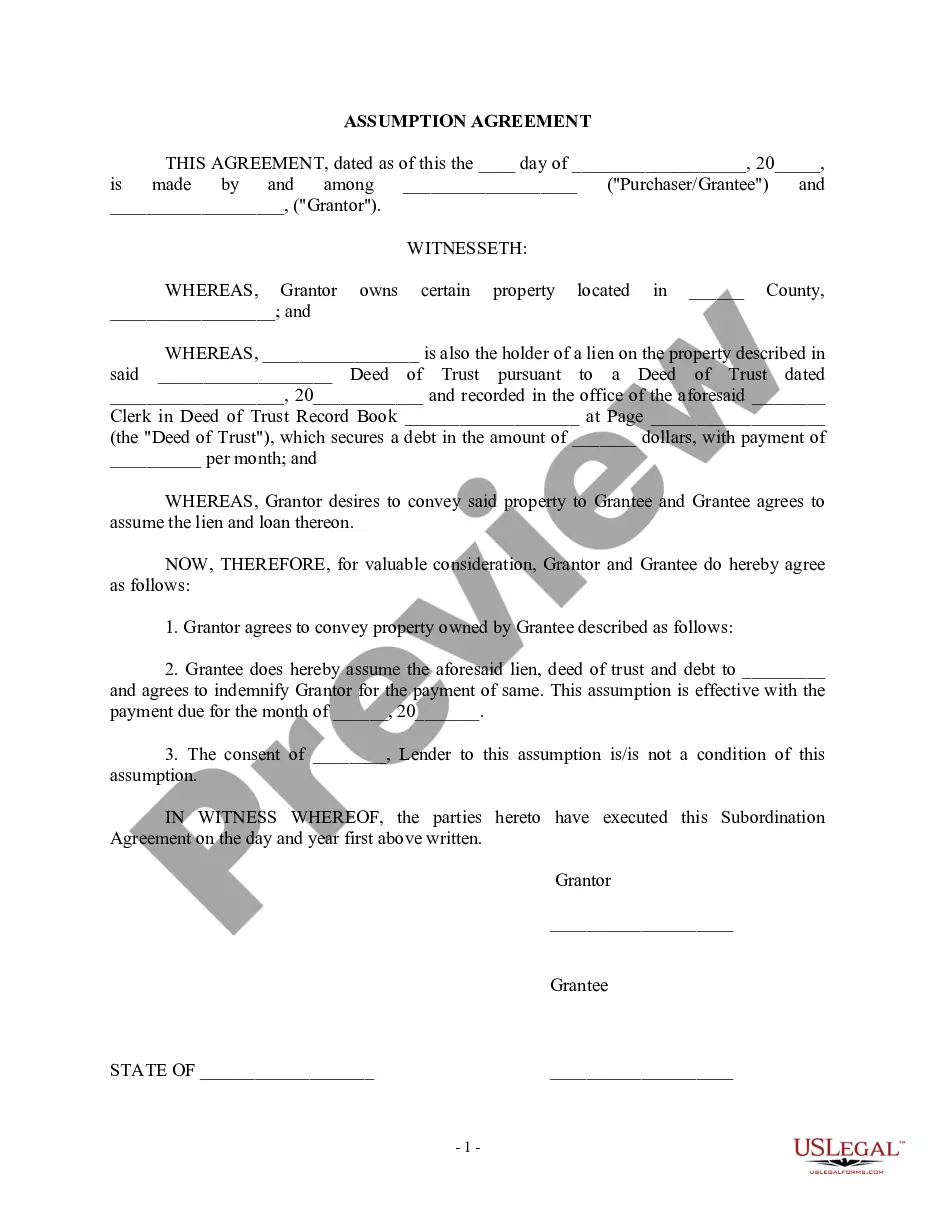
Get your form ready online
Our built-in tools help you complete, sign, share, and store your documents in one place.
Make edits, fill in missing information, and update formatting in US Legal Forms—just like you would in MS Word.
Download a copy, print it, send it by email, or mail it via USPS—whatever works best for your next step.
Sign and collect signatures with our SignNow integration. Send to multiple recipients, set reminders, and more. Go Premium to unlock E-Sign.
If this form requires notarization, complete it online through a secure video call—no need to meet a notary in person or wait for an appointment.
We protect your documents and personal data by following strict security and privacy standards.

Make edits, fill in missing information, and update formatting in US Legal Forms—just like you would in MS Word.

Download a copy, print it, send it by email, or mail it via USPS—whatever works best for your next step.

Sign and collect signatures with our SignNow integration. Send to multiple recipients, set reminders, and more. Go Premium to unlock E-Sign.

If this form requires notarization, complete it online through a secure video call—no need to meet a notary in person or wait for an appointment.

We protect your documents and personal data by following strict security and privacy standards.
Looking for another form?








Form popularity
FAQ
Conventional loans backed by Fannie Mae and Freddie Mac are generally not assumable, though exceptions may be allowed for adjustable-rate mortgages.
All loans insured by the SBA require a personal guarantee from every owner with a 20 percent or greater equity stake in the business.
Only government-backed mortgages — loans backed by the Federal Housing Administration, U.S. Department of Agriculture and U.S. Department of Veterans Affairs — can qualify as assumable mortgages.
Federal regulations1 and guidance2 require the Small Business Administration (SBA) to report commercial accounts to credit reporting agencies, regardless of current or delinquent status. The Treasury Financial Manual requires that the data be provided to credit agencies on a nonexclusive basis.
How to fill out SBA form 413 Provide basic business information. Report your assets. Report your liabilities. List your source of income and contingent liabilities to complete section 1. Detail your notes payable to banks and others in section 2. Detail the status of your stocks and bonds for section 3.
When seeking a lien release, borrowers should approach the SBA with a well-prepared case that highlights the equity in their assets and the potential for a fair settlement. It is essential to gather documentation and evidence that supports your position and demonstrate your willingness to resolve the debt.
When seeking a lien release, borrowers should approach the SBA with a well-prepared case that highlights the equity in their assets and the potential for a fair settlement. It is essential to gather documentation and evidence that supports your position and demonstrate your willingness to resolve the debt.
When seeking a lien release, borrowers should approach the SBA with a well-prepared case that highlights the equity in their assets and the potential for a fair settlement. It is essential to gather documentation and evidence that supports your position and demonstrate your willingness to resolve the debt.
You likely will not be able to sell that home without using the sales proceeds to payoff that lien. There is not a way to transfer the lien to be on some other piece of property as collateral, unless you can negotiate such an agreement with the SBA.
