Escrow Release Form For Child In Texas
Description
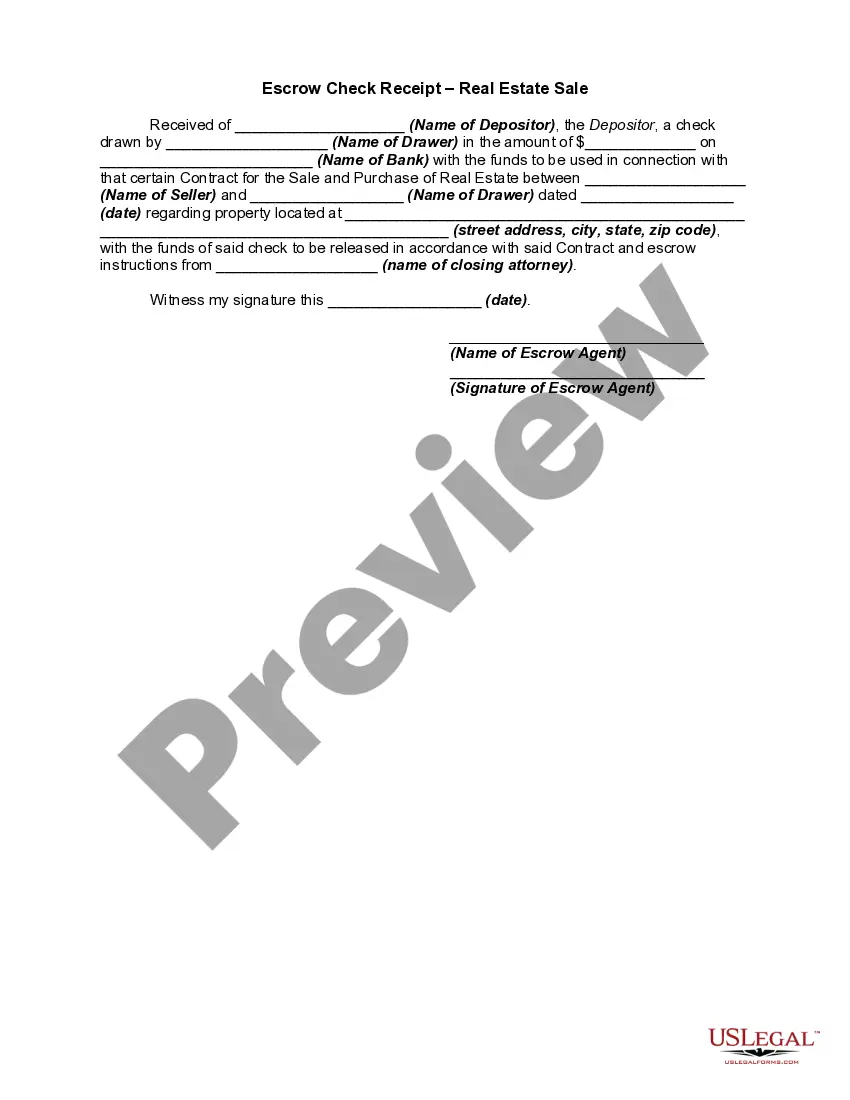
Get your form ready online
Our built-in tools help you complete, sign, share, and store your documents in one place.
Make edits, fill in missing information, and update formatting in US Legal Forms—just like you would in MS Word.
Download a copy, print it, send it by email, or mail it via USPS—whatever works best for your next step.
Sign and collect signatures with our SignNow integration. Send to multiple recipients, set reminders, and more. Go Premium to unlock E-Sign.
If this form requires notarization, complete it online through a secure video call—no need to meet a notary in person or wait for an appointment.
We protect your documents and personal data by following strict security and privacy standards.

Make edits, fill in missing information, and update formatting in US Legal Forms—just like you would in MS Word.

Download a copy, print it, send it by email, or mail it via USPS—whatever works best for your next step.

Sign and collect signatures with our SignNow integration. Send to multiple recipients, set reminders, and more. Go Premium to unlock E-Sign.

If this form requires notarization, complete it online through a secure video call—no need to meet a notary in person or wait for an appointment.

We protect your documents and personal data by following strict security and privacy standards.
Looking for another form?


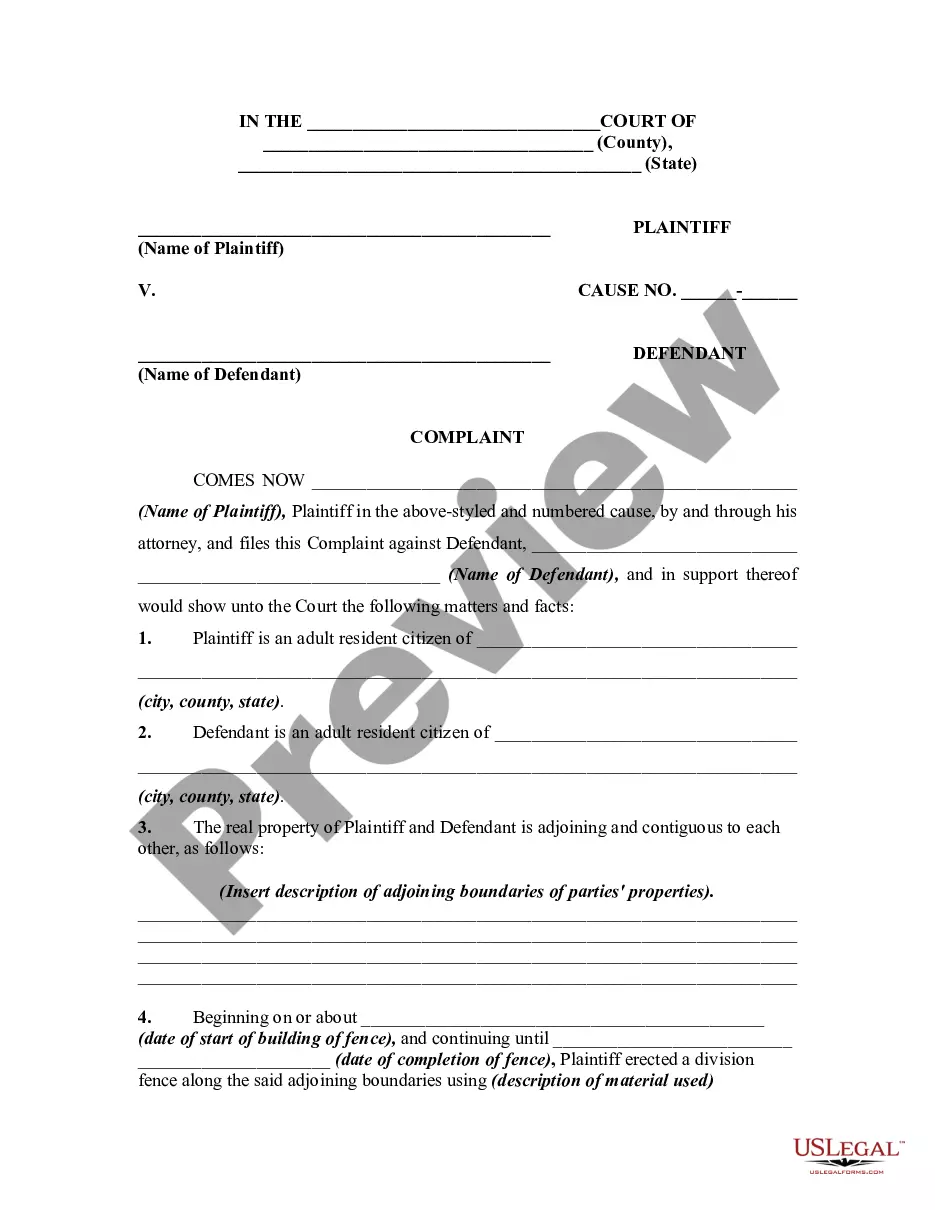

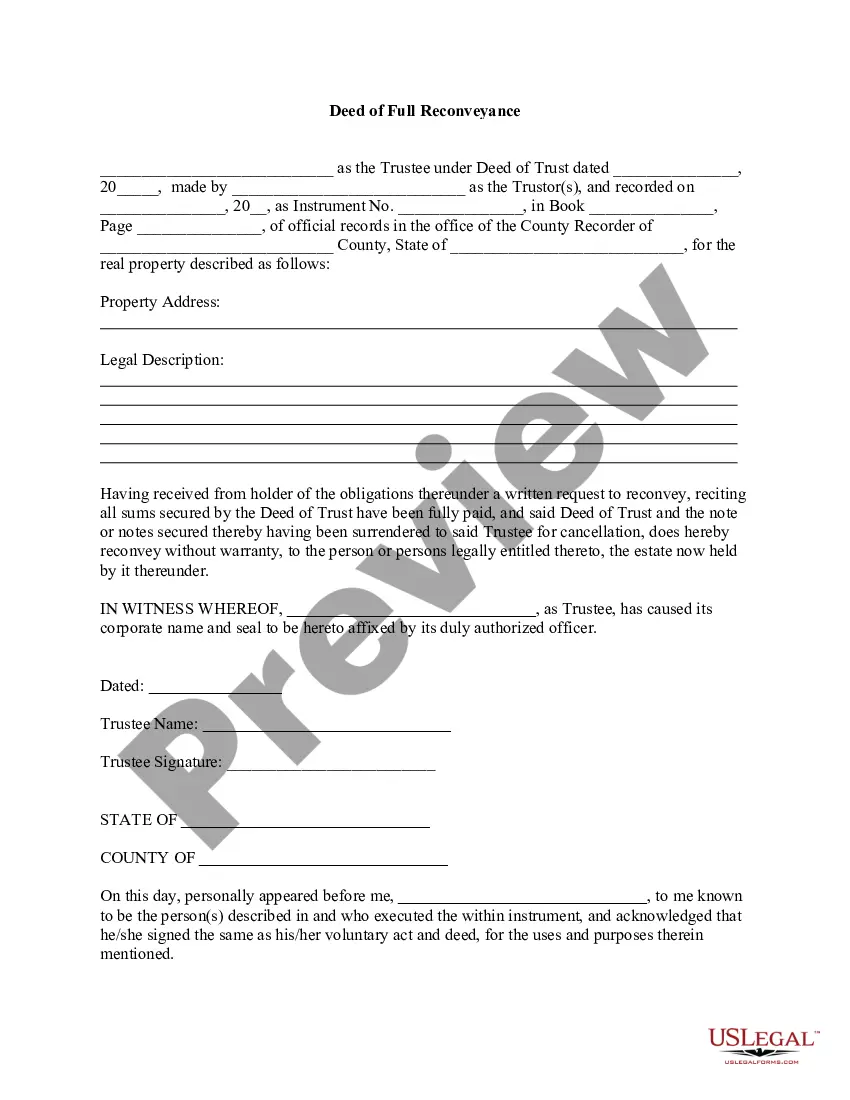



Form popularity
FAQ
The Escrow Holder: prepares escrow instructions. requests a preliminary title search to determine the present condition of title to the property. requests a beneficiary's statement if debt or obligation is to be taken over by the buyer. complies with lender's requirements, specified in the escrow agreement.
An escrow funds release certificate is a certification of the amount of the escrow funds (all or part) to be released from those funds placed into escrow with an escrow agent pursuant to an escrow holdback agreement. Escrow funds are only disbursed to the applicable party when it satisfies its outstanding obligations.
An escrow letter is a formal agreement between a lender and a borrower that details the terms and conditions of a financial transaction. The purpose of an escrow letter is to protect both parties by ensuring that the funds are held in trust until the terms of the agreement are met.
The escrow agreement will provide the conditions under which you will receive a copy of the source code. The most common release conditions are (1) the software vendor ceases business or goes bankrupt and (2) the software vendor ceases to provide support and maintenance services.
Once all conditions in the escrow instructions have been satisfied, the escrow is complete, and it “closes.” When escrow closes, the escrow holder releases the funds and documents, pays authorized bills, and prepares and delivers a final closing statement to the parties (basically an itemized accounting of the escrow ...
Release Signatures This release means that the deal is considered executed, and the documents will be dated on whichever day this release occurs.
Special Provisions are for any arrangements between buyer and seller that are NOT covered already in the contract or in a promulgated TAR/TREC Addendum available to Realtors.
As a real estate agent representing the seller, the customer seeks guidance on special provisions in the 1-4 contract. Special provisions are additional clauses that can be added to address specific concerns or conditions. Examples include financing, repairs, contingencies, and timelines.
Special Provisions are for any arrangements between buyer and seller that are NOT covered already in the contract or in a promulgated TAR/TREC Addendum available to Realtors.
If you would prefer to not have an escrow account, you will need to negotiate it with your lender. The lender might be willing to allow you to manage your property taxes and homeowner's insurance payments rather than using an escrow account.

