Escrow Agreement For Repairs After Closing In Oakland
Description
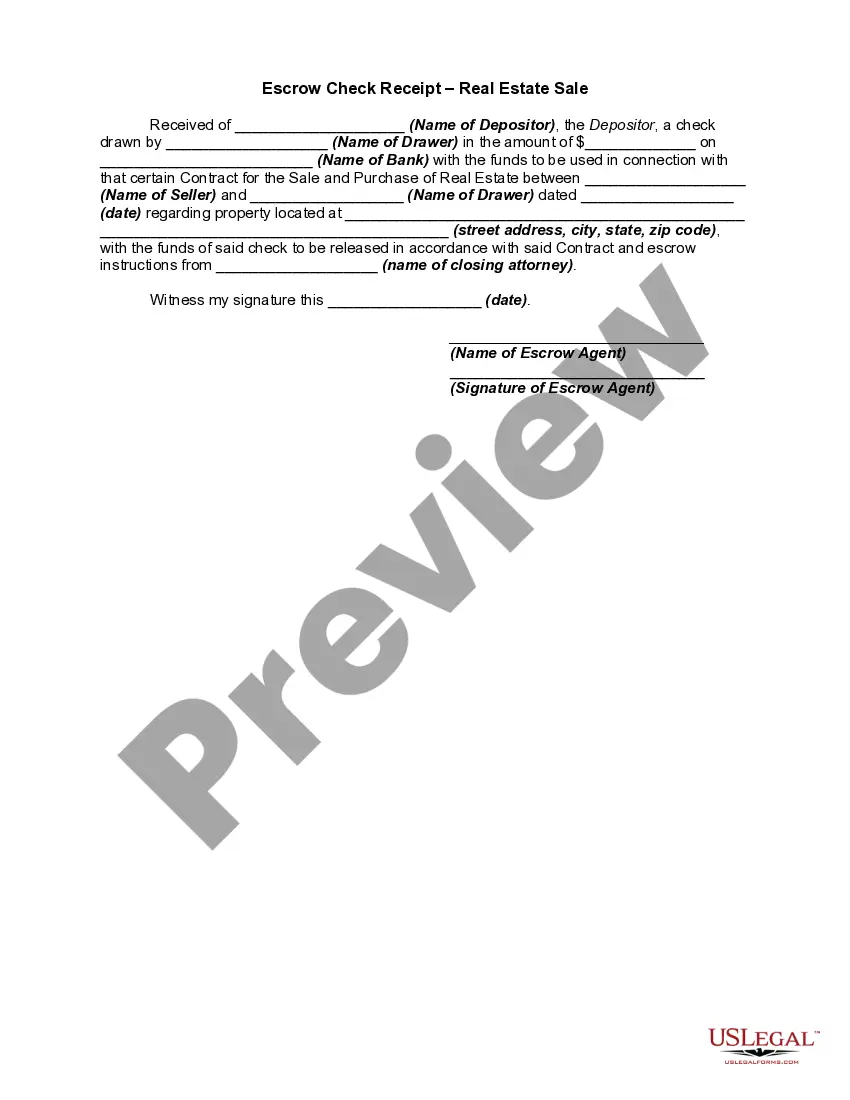
Get your form ready online
Our built-in tools help you complete, sign, share, and store your documents in one place.
Make edits, fill in missing information, and update formatting in US Legal Forms—just like you would in MS Word.
Download a copy, print it, send it by email, or mail it via USPS—whatever works best for your next step.
Sign and collect signatures with our SignNow integration. Send to multiple recipients, set reminders, and more. Go Premium to unlock E-Sign.
If this form requires notarization, complete it online through a secure video call—no need to meet a notary in person or wait for an appointment.
We protect your documents and personal data by following strict security and privacy standards.

Make edits, fill in missing information, and update formatting in US Legal Forms—just like you would in MS Word.

Download a copy, print it, send it by email, or mail it via USPS—whatever works best for your next step.

Sign and collect signatures with our SignNow integration. Send to multiple recipients, set reminders, and more. Go Premium to unlock E-Sign.

If this form requires notarization, complete it online through a secure video call—no need to meet a notary in person or wait for an appointment.

We protect your documents and personal data by following strict security and privacy standards.
Looking for another form?

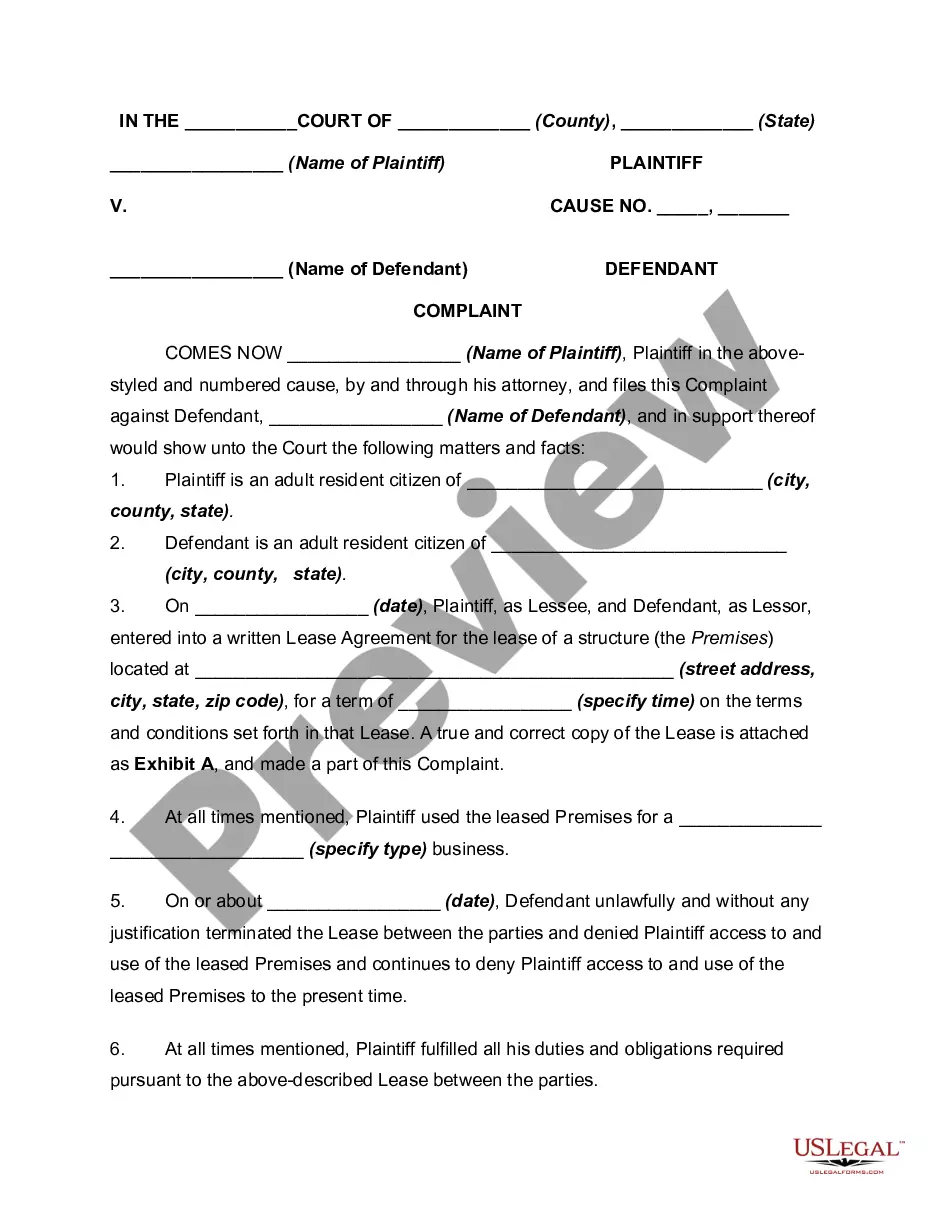






Form popularity
FAQ
Both an FHA appraiser and the lender's underwriter may designate required repairs on a transaction. Borrower desired repairs renovations, upgrades do not qualify (unless they are also required by an appraiser or underwriter).
Ensuring the seller completes all repairs properly is crucial to protecting your investment. If the seller refuses to address the repairs, you might need to consider legal action. A real estate attorney can help you understand your legal options and the best course of action.
There are three ways to address this issue: Set up an escrow for repairs. Provide a credit to the Buyer at closing for the amount of the repairs. Extend the closing date until the repairs can be completed.
Sellers have the right to sue for damages Even if the reason you missed the closing date was unintentional and out of your control, the seller may pursue legal action because you are technically in breach of contract.
Now that the home is under new ownership, the property owner bears the responsibility of anything related to the property. The only way you could be liable at this point, is if something happens and the buyer can prove that you should have known about it, and therefore were responsible to disclose it to them.
Repairs can be made before or after closing. The buyer should take their home inspector back for a recheck as soon as possible if the seller makes repairs before closing. Don't wait for the final walkthrough.
The Escrow Holder: prepares escrow instructions. requests a preliminary title search to determine the present condition of title to the property.
In conclusion, escrow holdbacks for repairs can be a valuable solution in real estate transactions, providing a structured way to address necessary repairs while keeping the sale on track.
If a buyer discovers hidden defects or unforeseen issues after closing, they may be able to sue the seller for damages. The specific legal options available will depend on the laws of the state where the property is located and the real estate contract terms.
Closing statements are prepared by closing agents, who help facilitate the sale of a property. Typically, closing agents are real estate attorneys, title companies or escrow officers. Closing statements must be issued at least three business days before closing.

