Escrow Release Form For Child In New York
Description
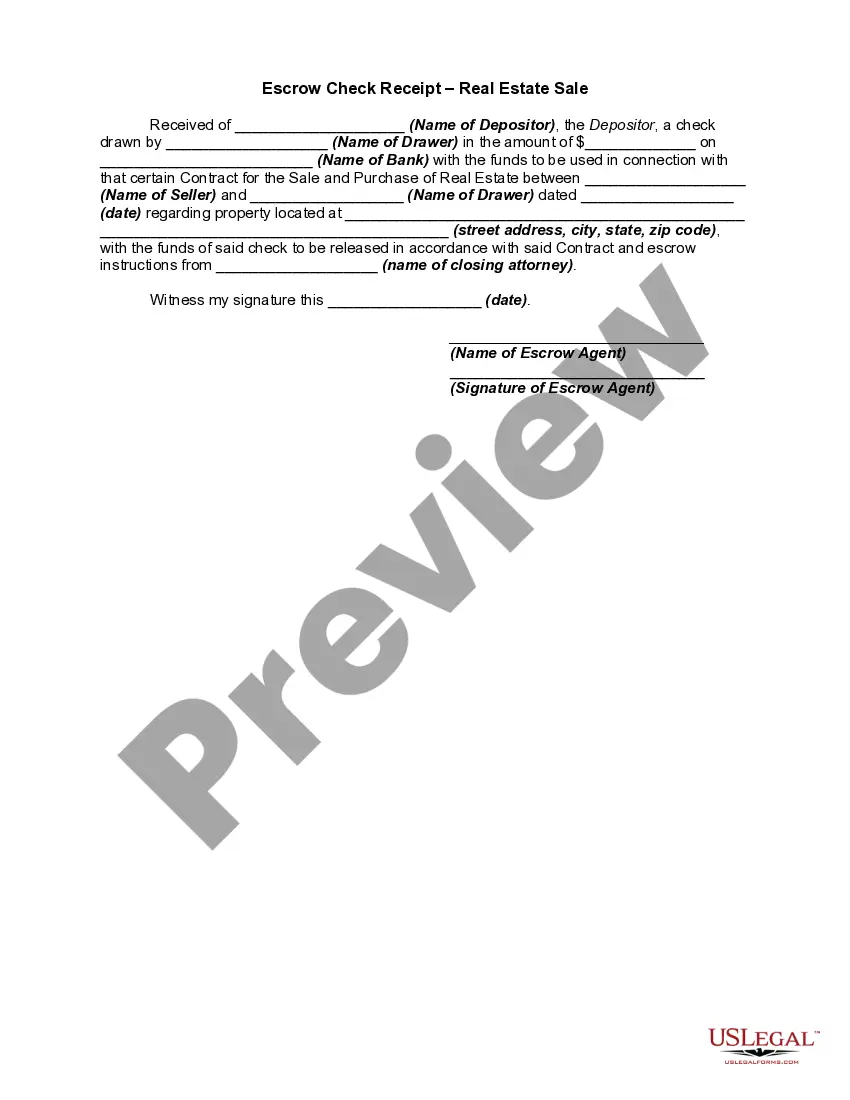
Get your form ready online
Our built-in tools help you complete, sign, share, and store your documents in one place.
Make edits, fill in missing information, and update formatting in US Legal Forms—just like you would in MS Word.
Download a copy, print it, send it by email, or mail it via USPS—whatever works best for your next step.
Sign and collect signatures with our SignNow integration. Send to multiple recipients, set reminders, and more. Go Premium to unlock E-Sign.
If this form requires notarization, complete it online through a secure video call—no need to meet a notary in person or wait for an appointment.
We protect your documents and personal data by following strict security and privacy standards.

Make edits, fill in missing information, and update formatting in US Legal Forms—just like you would in MS Word.

Download a copy, print it, send it by email, or mail it via USPS—whatever works best for your next step.

Sign and collect signatures with our SignNow integration. Send to multiple recipients, set reminders, and more. Go Premium to unlock E-Sign.

If this form requires notarization, complete it online through a secure video call—no need to meet a notary in person or wait for an appointment.

We protect your documents and personal data by following strict security and privacy standards.
Looking for another form?


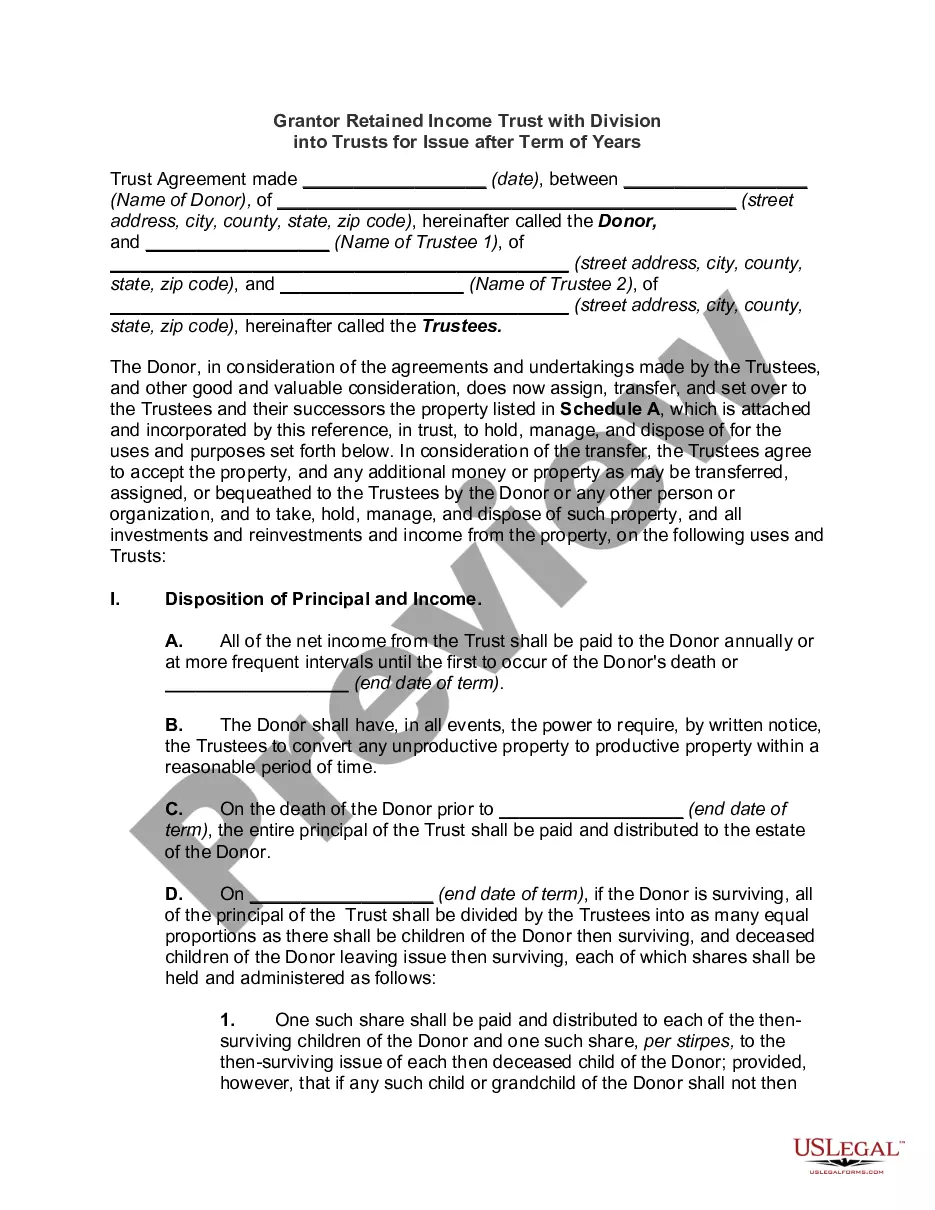




Form popularity
FAQ
The escrow letter is typically issued by a title company and states that all necessary documents and funds related to the transaction have been received and will be processed when the transaction is completed.
They provide security for both parties in the transaction by ensuring that funds or assets are not released unless all agreed-upon conditions are met. They establish an impartial third party (the escrow agent) to handle the assets, reducing the risk of fraud or mismanagement.
An escrow funds release certificate is a certification of the amount of the escrow funds (all or part) to be released from those funds placed into escrow with an escrow agent pursuant to an escrow holdback agreement. Escrow funds are only disbursed to the applicable party when it satisfies its outstanding obligations.
A custodial parent may file a petition with their local child support agency. That petition will then be forwarded to the New York City Law Department office in the county where the non-custodial parent resides. This matter will then be litigated in the New York City Family Court located in the same borough.
The sale, transfer, or assignment of business assets, in whole or in part, by a person required to collect sales tax is called a bulk sale. Business assets means any assets directly related to the conduct of a business, including: tangible personal property, real property, and. intangible assets, such as goodwill.
Take your time and read each question carefully. If you're unsure about any information consult aMoreTake your time and read each question carefully. If you're unsure about any information consult a legal professional or your local Child Support Agency. Once completed review your forms for accuracy.
Although you do not need a lawyer to pursue a child support case, you should consider hiring one. A family lawyer specializes in family law and can help you navigate the process. In some cases, you may need to hire a private attorney.
A custodial parent may file a petition with their local child support agency. That petition will then be forwarded to the New York City Law Department office in the county where the non-custodial parent resides. This matter will then be litigated in the New York City Family Court located in the same borough.
Petitions MUST be signed in the presence of a Notary Public or a Family Court Clerk. Once your petition is completed and your signature notarized, you can either mail it to Family Court or submit it in person during our stated business hours. Paternity Petitions must be submitted with a copy of the Birth Certificate.
Some Executors are surprised to learn that New York State has a statutory estate tax lien on all property located within the state of New York for 15 years from the date of death.

