Escrow Agreement For Repairs After Closing In New York
Description
Get your form ready online
Our built-in tools help you complete, sign, share, and store your documents in one place.
Make edits, fill in missing information, and update formatting in US Legal Forms—just like you would in MS Word.
Download a copy, print it, send it by email, or mail it via USPS—whatever works best for your next step.
Sign and collect signatures with our SignNow integration. Send to multiple recipients, set reminders, and more. Go Premium to unlock E-Sign.
If this form requires notarization, complete it online through a secure video call—no need to meet a notary in person or wait for an appointment.
We protect your documents and personal data by following strict security and privacy standards.

Make edits, fill in missing information, and update formatting in US Legal Forms—just like you would in MS Word.

Download a copy, print it, send it by email, or mail it via USPS—whatever works best for your next step.

Sign and collect signatures with our SignNow integration. Send to multiple recipients, set reminders, and more. Go Premium to unlock E-Sign.

If this form requires notarization, complete it online through a secure video call—no need to meet a notary in person or wait for an appointment.

We protect your documents and personal data by following strict security and privacy standards.
Looking for another form?




Form popularity
FAQ
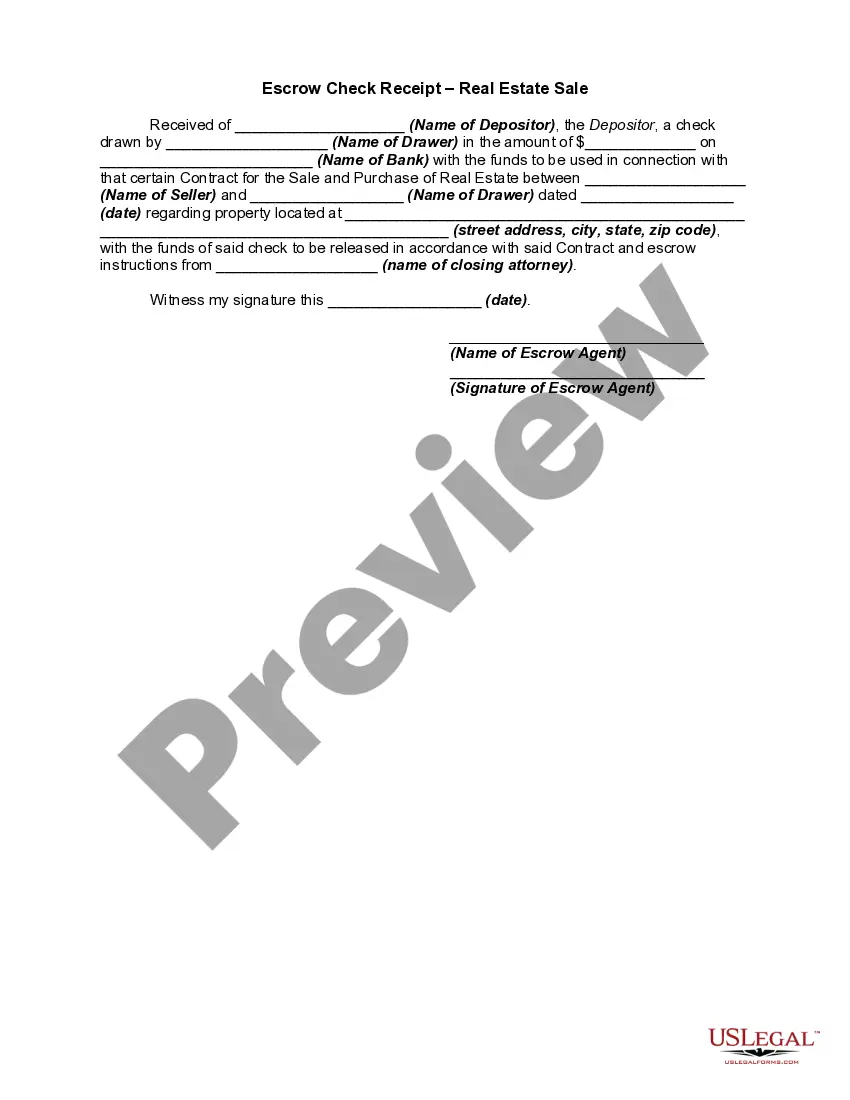
Ing to the law, to make the seller liable for issues after the closing, the buyer must be able to prove that the seller breached the sales contract or any repair warranty, failed to disclose as required by state law, was fraudulent or negligent in disclosing information, or willfully misrepresented the state of ...
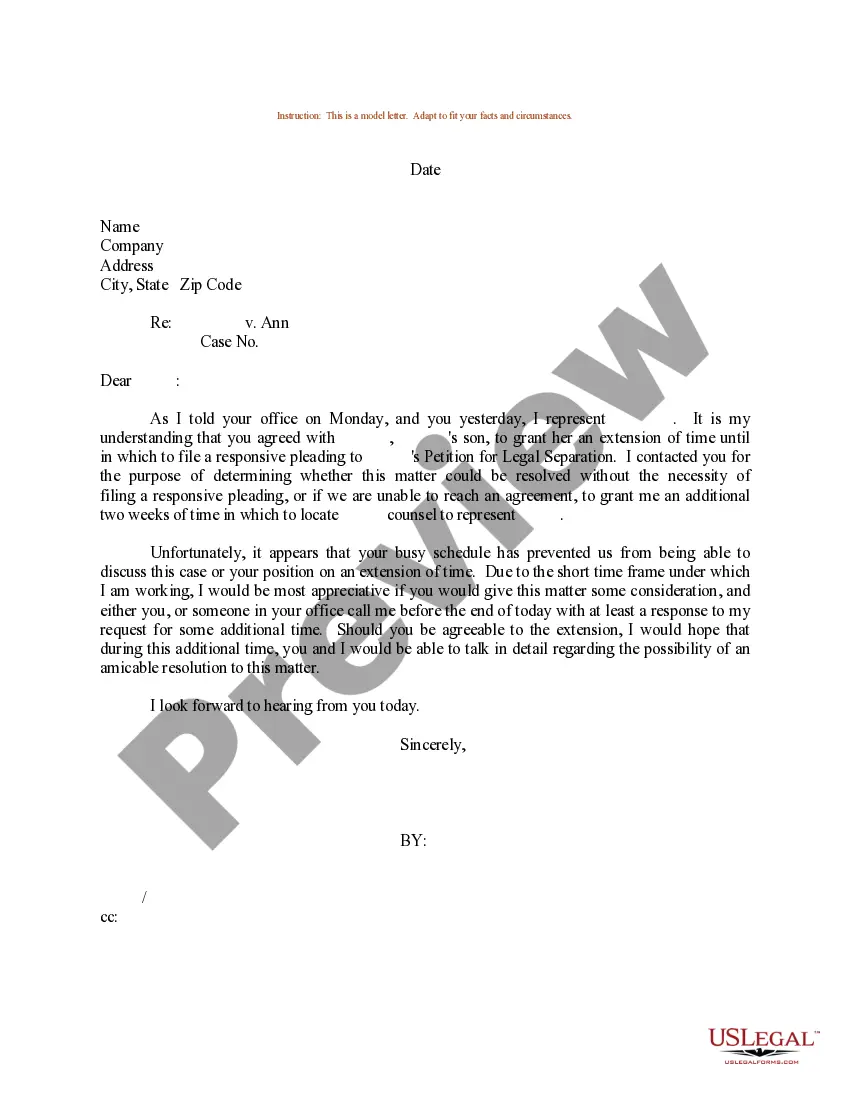
A: An escrow agreement should include all relevant details such as the full names of both parties, contact information, a detailed description of the goods or services being provided, any agreed payment terms (including outline of when payments are due), timelines for delivery of goods or services and details of how ...
In Ontario, the legal principle generally holds that the risk of loss or damage transfers from the seller to the buyer upon closing. This means that any issues discovered post-closing are likely the buyer's responsibility, unless the seller failed to disclose known defects or explicitly provided false warranties.
If a seller backs out without a contingency clause to justify the decision, they could face legal action from the buyer, including claims for damages.
Either the purchaser or the seller can open an escrow account, although sellers typically do. You need to take the deposit with you. You will also need to discuss the conditions of the sale. Remember that the escrow agent is charged with making sure that both buyer and seller fulfill their obligations.
Typically, the escrow account is most often opened by the seller's real estate agent, but escrow may be opened by anyone involved in the transaction. Escrow may be opened via phone call, email, or in person; or, click here to open an escrow account on Escrow of the West's website.

