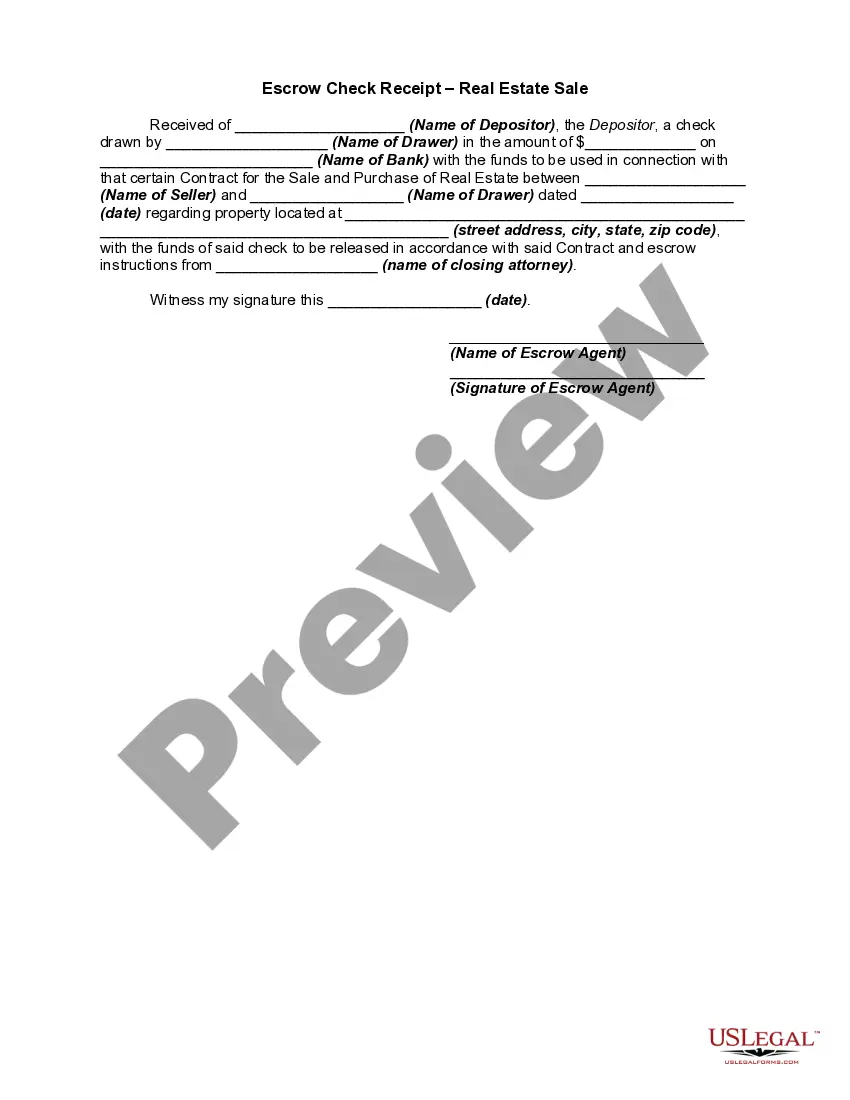
Escrow Release Form For Property In Miami-Dade
Description
Get your form ready online
Our built-in tools help you complete, sign, share, and store your documents in one place.
Make edits, fill in missing information, and update formatting in US Legal Forms—just like you would in MS Word.
Download a copy, print it, send it by email, or mail it via USPS—whatever works best for your next step.
Sign and collect signatures with our SignNow integration. Send to multiple recipients, set reminders, and more. Go Premium to unlock E-Sign.
If this form requires notarization, complete it online through a secure video call—no need to meet a notary in person or wait for an appointment.
We protect your documents and personal data by following strict security and privacy standards.

Make edits, fill in missing information, and update formatting in US Legal Forms—just like you would in MS Word.

Download a copy, print it, send it by email, or mail it via USPS—whatever works best for your next step.

Sign and collect signatures with our SignNow integration. Send to multiple recipients, set reminders, and more. Go Premium to unlock E-Sign.

If this form requires notarization, complete it online through a secure video call—no need to meet a notary in person or wait for an appointment.

We protect your documents and personal data by following strict security and privacy standards.
Looking for another form?







Form popularity
FAQ
Steps to file a mechanics lien in Miami-Dade County Step 1: Get The Right Form & Meet Margin Requirements. Step 2: Calculating Your Miami-Dade County Filing Fees. Step 3: Serve the Mechanics Lien. Step 4: File your lien with the Miami-Dade County Clerk.
You have three options for recording your documents in the Official Records: You can bring your original documents in person, along with the appropriate fees, and a self-addressed stamped envelope to the Miami-Dade County Courthouse. You can eRecord your document through one of our approved vendors.
What is the Florida Correction Deed. Correct common errors in a deed, such as typographical mistakes or omissions in various sections of the original deed, by using a corrective deed, which must be signed by the grantor and witnesses and re-acknowledged.
The types of deeds we see most often are the general warranty deed, the special warranty deed, the quitclaim deed, and the ladybird deed. Each of these deeds have a diverse range of conveyance, and depending on your objectives, you will want to narrow it down to the one that matches your goals.
Overview. A Corrective Deed, often called a Correction Deed, is a legal document used to correct errors in a previously recorded deed. This deed is critical in ensuring the accuracy and validity of real estate documents and property titles.
Correction deed example For instance, you may be reviewing your deed and realize that your name is misspelled. Or, you realize that your spouse's name and marital status were omitted. Another common example is a small error in the legal property description.
Documents are recorded at the Clerk of the Courts, MIAMI-DADE COUNTY RECORDER, COURTHOUSE EAST, 22 N.W. First Street, 1st Floor, Miami, FL 33128. You can record the Notice of Commencement by mail. The original Notice should be sent to the County Recorder, P.O. Box 011711, Flagler Station, Miami, Florida 33101.
Generally, you will file the Notice of Commencement with the county where the project is located or the state construction registry. Depending on your filing location, you may have the option to file in person, by mail, or electronically.
Recorded: These notices are filed with the county recorder offices in the county where the construction project is located. Filed by the General Contractor: The general contractor is frequently excused from sending a preliminary notice, but this notice is usually the general contractor's duty.

