Escrow Agreement For Repairs In Maricopa
Description
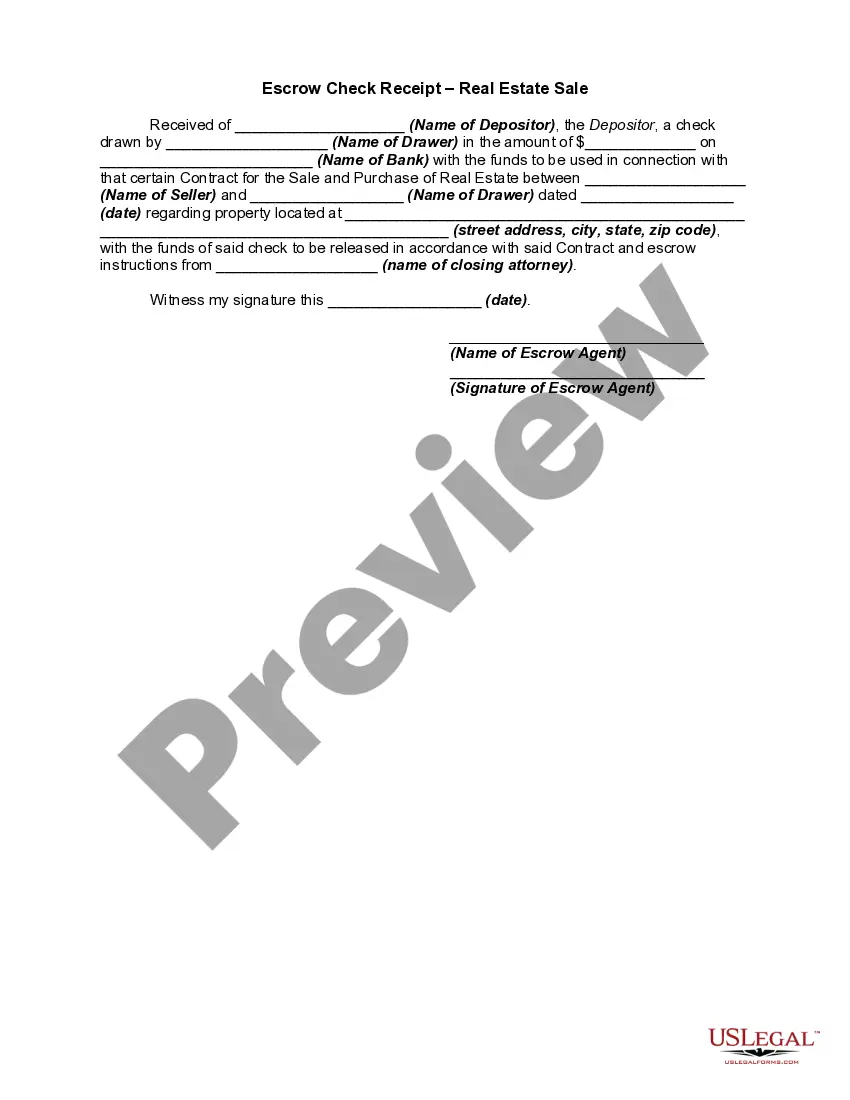
Get your form ready online
Our built-in tools help you complete, sign, share, and store your documents in one place.
Make edits, fill in missing information, and update formatting in US Legal Forms—just like you would in MS Word.
Download a copy, print it, send it by email, or mail it via USPS—whatever works best for your next step.
Sign and collect signatures with our SignNow integration. Send to multiple recipients, set reminders, and more. Go Premium to unlock E-Sign.
If this form requires notarization, complete it online through a secure video call—no need to meet a notary in person or wait for an appointment.
We protect your documents and personal data by following strict security and privacy standards.

Make edits, fill in missing information, and update formatting in US Legal Forms—just like you would in MS Word.

Download a copy, print it, send it by email, or mail it via USPS—whatever works best for your next step.

Sign and collect signatures with our SignNow integration. Send to multiple recipients, set reminders, and more. Go Premium to unlock E-Sign.

If this form requires notarization, complete it online through a secure video call—no need to meet a notary in person or wait for an appointment.

We protect your documents and personal data by following strict security and privacy standards.
Looking for another form?


Form popularity
FAQ
The 3 Requirements of a Valid Escrow The Contract between the Grantor and the Grantee. Delivery of the Deposited Item to a Depositary. Communication of the Agreed Conditions to the Depositary.
A repair escrow is the most common escrow that is requested at a closing. Many times, a repair escrow is attached as part of the Inspection Resolution. Sometimes, due to unforeseen problems or the scope of the work to be completed, funds need to be held after the closing to ensure the completion of these items.
An escrow holdback for repairs is a financial arrangement where a portion of the homebuyer's funds is withheld by the lender or escrow agent until specific repairs or improvements are completed. This arrangement is typically used when there are issues with the property that need attention before the sale can close.
The 3 Requirements of a Valid Escrow The Contract between the Grantor and the Grantee. Delivery of the Deposited Item to a Depositary. Communication of the Agreed Conditions to the Depositary.
The Escrow Holder: prepares escrow instructions. requests a preliminary title search to determine the present condition of title to the property. requests a beneficiary's statement if debt or obligation is to be taken over by the buyer. complies with lender's requirements, specified in the escrow agreement.
In conclusion, escrow holdbacks for repairs can be a valuable solution in real estate transactions, providing a structured way to address necessary repairs while keeping the sale on track.
An escrow agreement normally includes information such as: The identity of the appointed escrow agent. Definitions for any expressions pertinent to the agreement. The escrow funds and detailed conditions for the release of these funds.
The choice of escrow agent is typically agreed upon by the buyer and seller. However, the specific preferences can vary depending on local practices and negotiations between the parties.
