Escrow Agreement For Repairs After Closing In Los Angeles
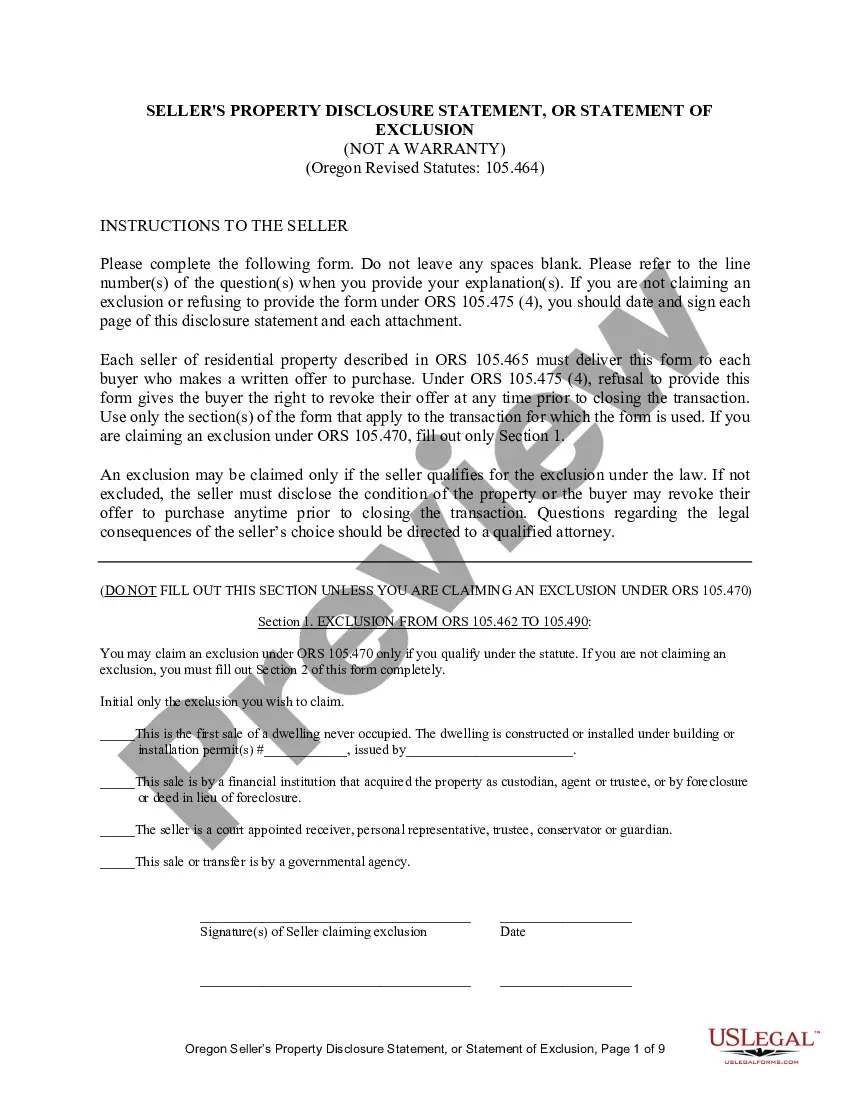
Description
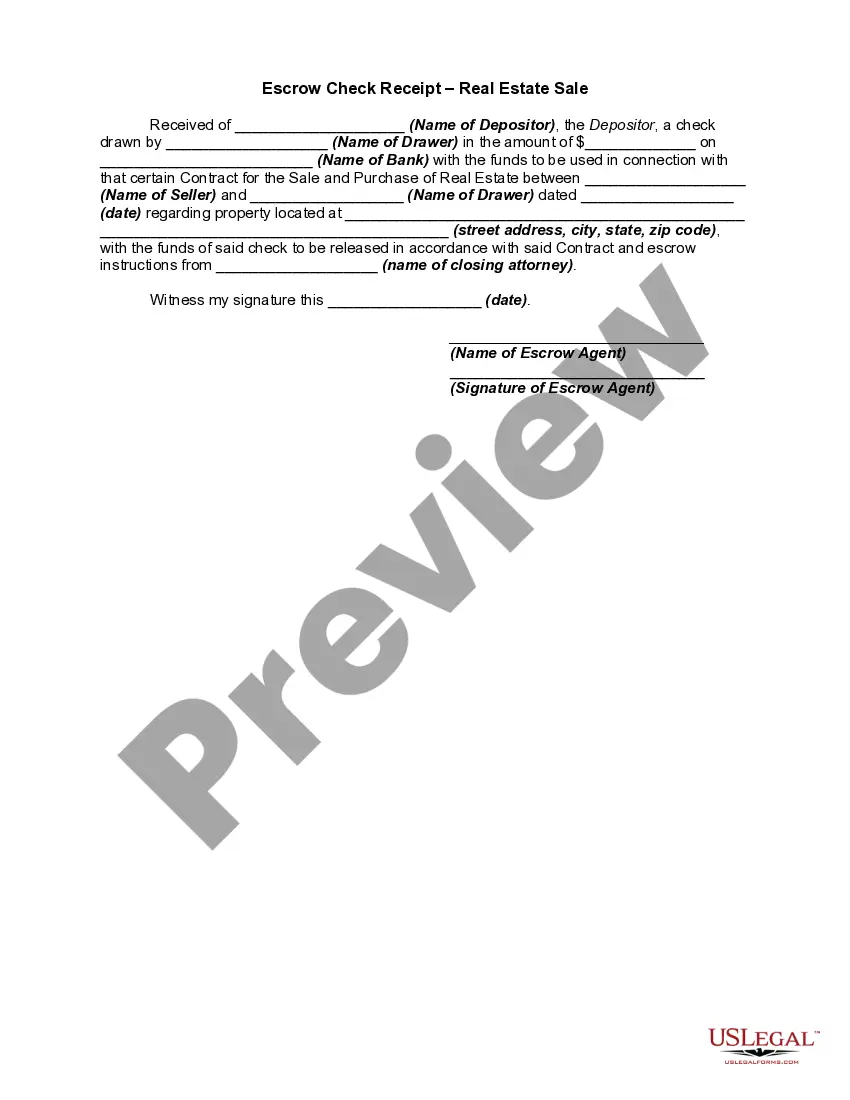
Get your form ready online
Our built-in tools help you complete, sign, share, and store your documents in one place.
Make edits, fill in missing information, and update formatting in US Legal Forms—just like you would in MS Word.
Download a copy, print it, send it by email, or mail it via USPS—whatever works best for your next step.
Sign and collect signatures with our SignNow integration. Send to multiple recipients, set reminders, and more. Go Premium to unlock E-Sign.
If this form requires notarization, complete it online through a secure video call—no need to meet a notary in person or wait for an appointment.
We protect your documents and personal data by following strict security and privacy standards.

Make edits, fill in missing information, and update formatting in US Legal Forms—just like you would in MS Word.

Download a copy, print it, send it by email, or mail it via USPS—whatever works best for your next step.

Sign and collect signatures with our SignNow integration. Send to multiple recipients, set reminders, and more. Go Premium to unlock E-Sign.

If this form requires notarization, complete it online through a secure video call—no need to meet a notary in person or wait for an appointment.

We protect your documents and personal data by following strict security and privacy standards.
Looking for another form?








Form popularity
FAQ
In California, there are two forms of escrow instructions generally employed: bilateral (i.e., executed by and binding on both buyer and seller) and unilateral (i.e., separate instructions executed by the buyer and seller, binding on each).
“Close of escrow” means that both buyer and seller have met the conditions in the homebuying contract and the third party that holds the documents and funds can move forward with the sale.
A: An escrow agreement should include all relevant details such as the full names of both parties, contact information, a detailed description of the goods or services being provided, any agreed payment terms (including outline of when payments are due), timelines for delivery of goods or services and details of how ...
The cancellation provisions are found in Paragraphs 14C (1) and (2), and in Paragraph 14E of the CA-RPA. Regardless of the reason, the seller must give some type of notice to the buyer, however (either a Notice to Perform or a Demand to Close Escrow) before the seller can cancel.
While not requiring escrow under California law, the state enacted escrow licensing laws to protect the public. California licenses escrow agents, but not title insurance companies and banks who also offer escrow services. The California Bureau of Real Estate sets high standards for licensed escrow officers.
Yes, as long as the buyer does not default during escrow. The most common case buyers lose their deposit during escrow is getting cold feet at the last minute. The most common example is getting cold feet after removing all contingencies.
Only after the escrow company receives confirmation from the title company that the documents have been recorded does the escrow officer verify all the charges and issue net proceeds to the seller and distribute funds to any appropriate parties.

