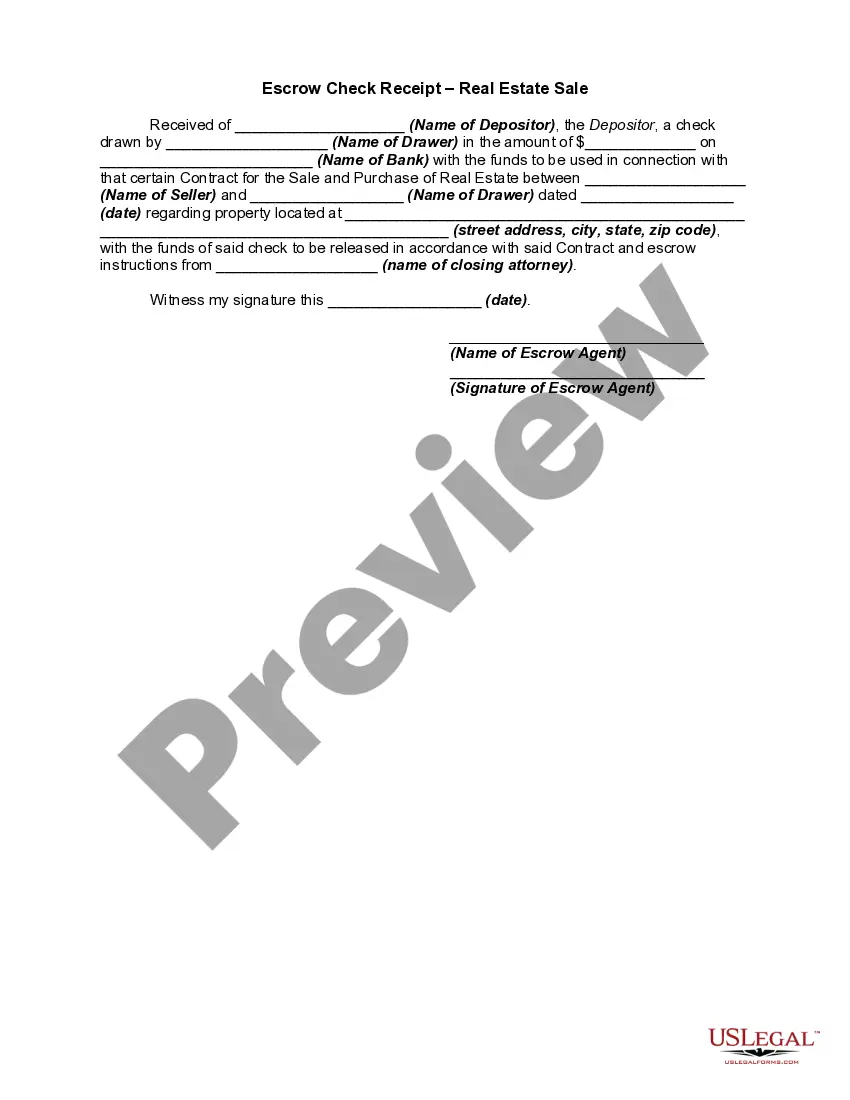
Escrow Release Form For Child In Franklin
Description
Get your form ready online
Our built-in tools help you complete, sign, share, and store your documents in one place.
Make edits, fill in missing information, and update formatting in US Legal Forms—just like you would in MS Word.
Download a copy, print it, send it by email, or mail it via USPS—whatever works best for your next step.
Sign and collect signatures with our SignNow integration. Send to multiple recipients, set reminders, and more. Go Premium to unlock E-Sign.
If this form requires notarization, complete it online through a secure video call—no need to meet a notary in person or wait for an appointment.
We protect your documents and personal data by following strict security and privacy standards.

Make edits, fill in missing information, and update formatting in US Legal Forms—just like you would in MS Word.

Download a copy, print it, send it by email, or mail it via USPS—whatever works best for your next step.

Sign and collect signatures with our SignNow integration. Send to multiple recipients, set reminders, and more. Go Premium to unlock E-Sign.

If this form requires notarization, complete it online through a secure video call—no need to meet a notary in person or wait for an appointment.

We protect your documents and personal data by following strict security and privacy standards.
Looking for another form?








Form popularity
FAQ
An escrow funds release certificate is a certification of the amount of the escrow funds (all or part) to be released from those funds placed into escrow with an escrow agent pursuant to an escrow holdback agreement. Escrow funds are only disbursed to the applicable party when it satisfies its outstanding obligations.
A Pennsylvania Notary may not notarize signatures on documents that the Notary's spouse has a direct or pecuniary interest in. On the other hand, some states, such as Illinois and Texas, do not restrict Notaries from notarizing for relatives.
One of the most common mistakes that notaries make is not printing or signing their name exactly as it appears on their notary commission.
Question: Am I allowed to notarize a document signed by a friend in which I stand as a beneficiary? Answer: No. A notary public must decline a notarization if they are a party to the transaction or stand to benefit in any way from it.
There is no restriction on a family member serving as the notary for a family member.
A Pennsylvania Notary may not notarize signatures on documents that the Notary's spouse has a direct or pecuniary interest in.

