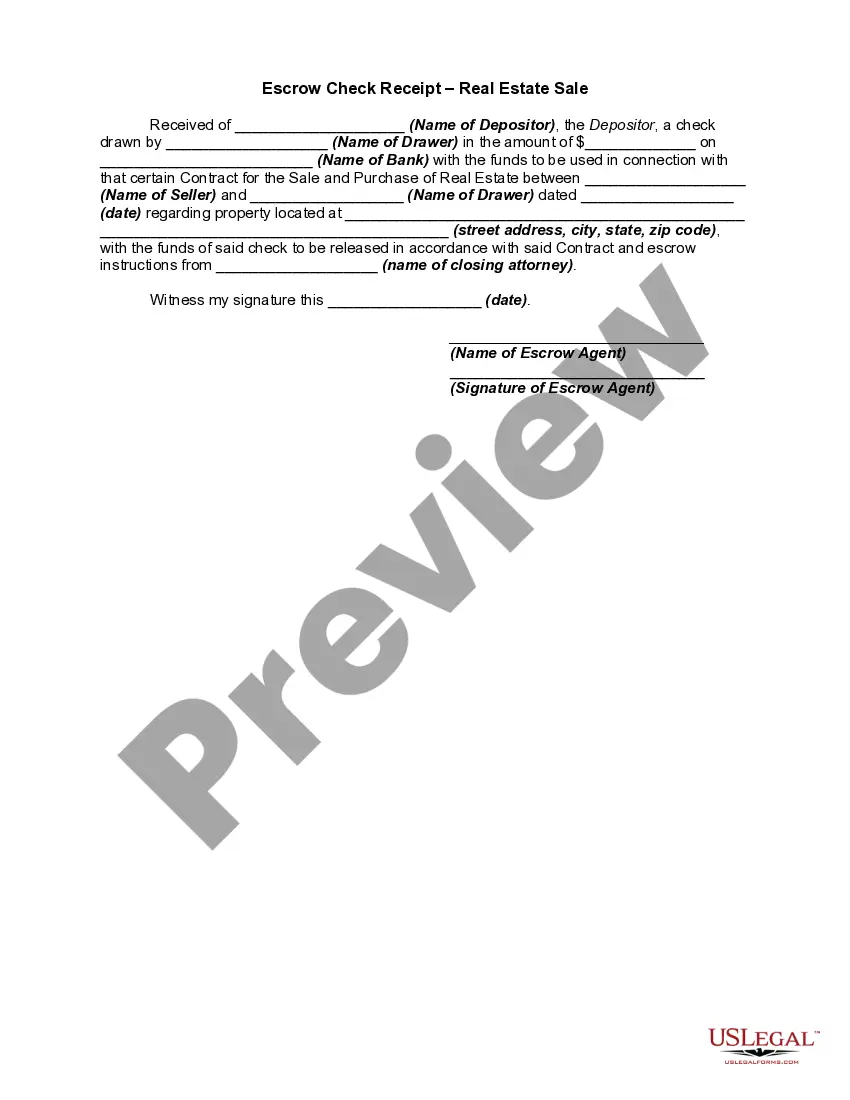
Escrow Agreement For Repairs After Closing In Florida
Description
Get your form ready online
Our built-in tools help you complete, sign, share, and store your documents in one place.
Make edits, fill in missing information, and update formatting in US Legal Forms—just like you would in MS Word.
Download a copy, print it, send it by email, or mail it via USPS—whatever works best for your next step.
Sign and collect signatures with our SignNow integration. Send to multiple recipients, set reminders, and more. Go Premium to unlock E-Sign.
If this form requires notarization, complete it online through a secure video call—no need to meet a notary in person or wait for an appointment.
We protect your documents and personal data by following strict security and privacy standards.

Make edits, fill in missing information, and update formatting in US Legal Forms—just like you would in MS Word.

Download a copy, print it, send it by email, or mail it via USPS—whatever works best for your next step.

Sign and collect signatures with our SignNow integration. Send to multiple recipients, set reminders, and more. Go Premium to unlock E-Sign.

If this form requires notarization, complete it online through a secure video call—no need to meet a notary in person or wait for an appointment.

We protect your documents and personal data by following strict security and privacy standards.
Looking for another form?



Form popularity
FAQ
Florida law allows buyers to file a lawsuit for damages if a seller fails to disclose an issue that impacts the value of the property before closing. If a defect or issue affects the home materially or adversely, the seller must disclose it.
Most home sales include some form of home warranty. If you provided a home warranty, you might be liable for repair costs within the warranty period, typically one year.
Generally, up to four years for fraud or misrepresentation and up to five years for breach of contract. What is Caveat Emptor? Caveat Emptor means “Buyer Beware,” but sellers are still liable for hiding known defects intentionally.
But doesn't finish them before closing you have several. Options. You could ask the seller to prepayMoreBut doesn't finish them before closing you have several. Options. You could ask the seller to prepay for the repairs to be done after closing get a closing credit.
FAQs: How Long Are You Liable After Selling a House in Florida? QuestionAnswer How long can a buyer bring a lawsuit for undisclosed defects? Generally, up to four years for fraud or misrepresentation and up to five years for breach of contract.3 more rows •
In general, if defects are discovered after a home inspection, the liability may rest with the homeowner or the seller, depending on the circumstances. If the seller intentionally concealed or misrepresented the defects, they may be held liable for the repairs or damages.
Latent Defects These can be particularly troubling because they might not be discovered until long after the sale. Florida law allows buyers to file a lawsuit for latent defects within four years from the date they are discovered, provided this falls within 10 years from the sale date.
Escrow timelines can range from 3 to 6 months, and sometimes even longer, depending on a winding road of factors: Complexity Crossroads: Your business structure, the property's quirks, and the number of parties involved all play a role.
(3) The title insurer or its agent or agency must maintain a record of the actual premium charged for issuance of the policy and any endorsements in its files for a period of not less than 7 years. The title insurer, agent, or agency must produce the record at its office upon demand of the office.

