Difference Between Satisfaction And Satisfactory In San Bernardino
Description

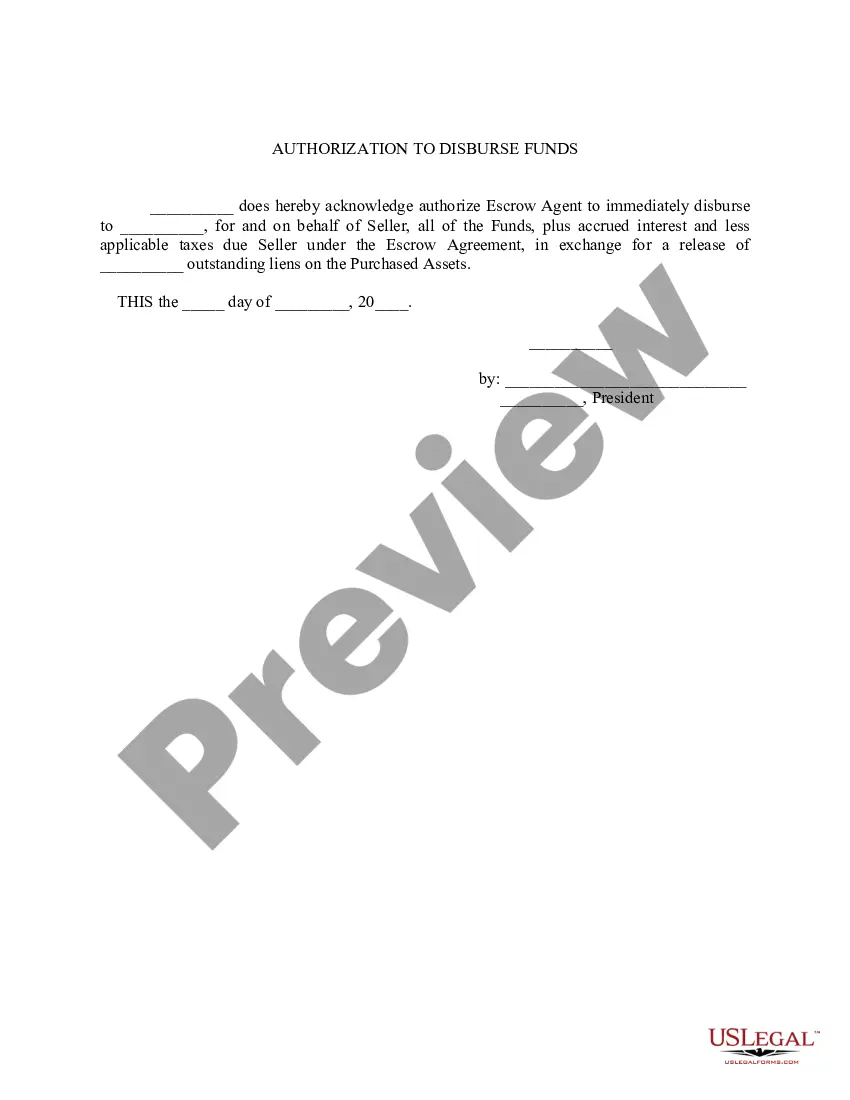
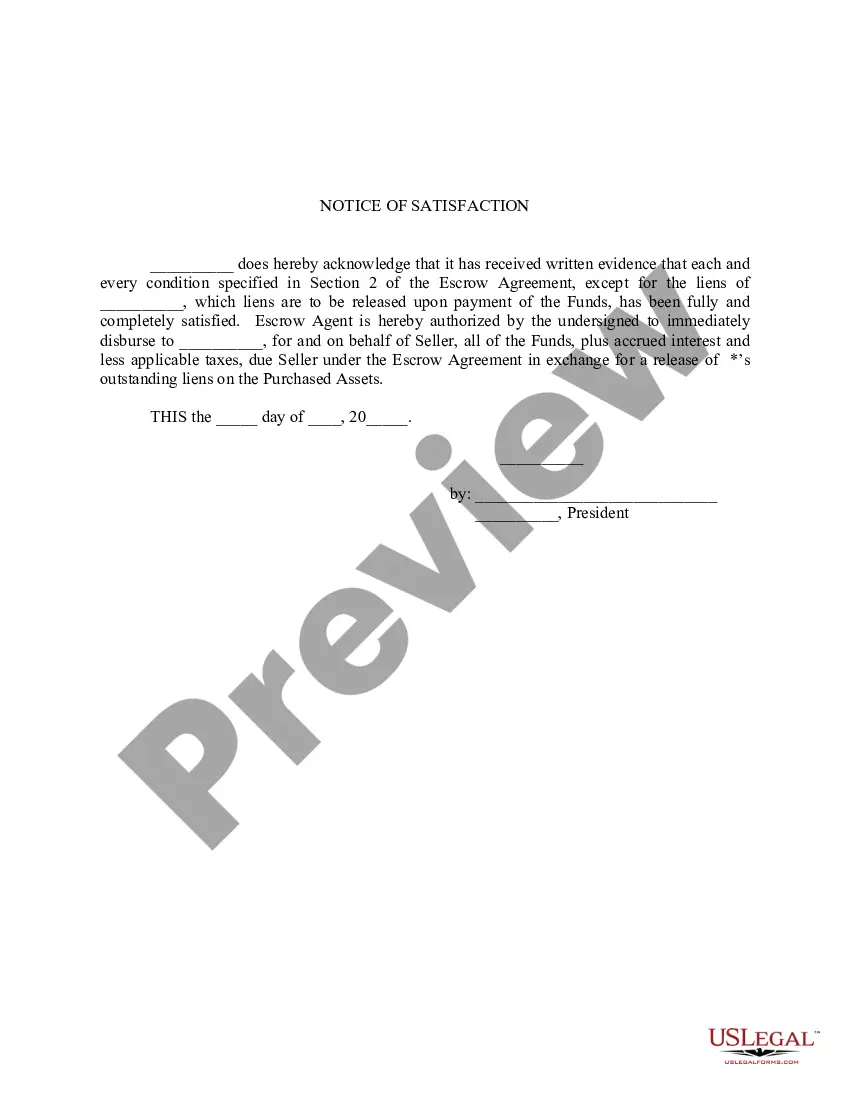
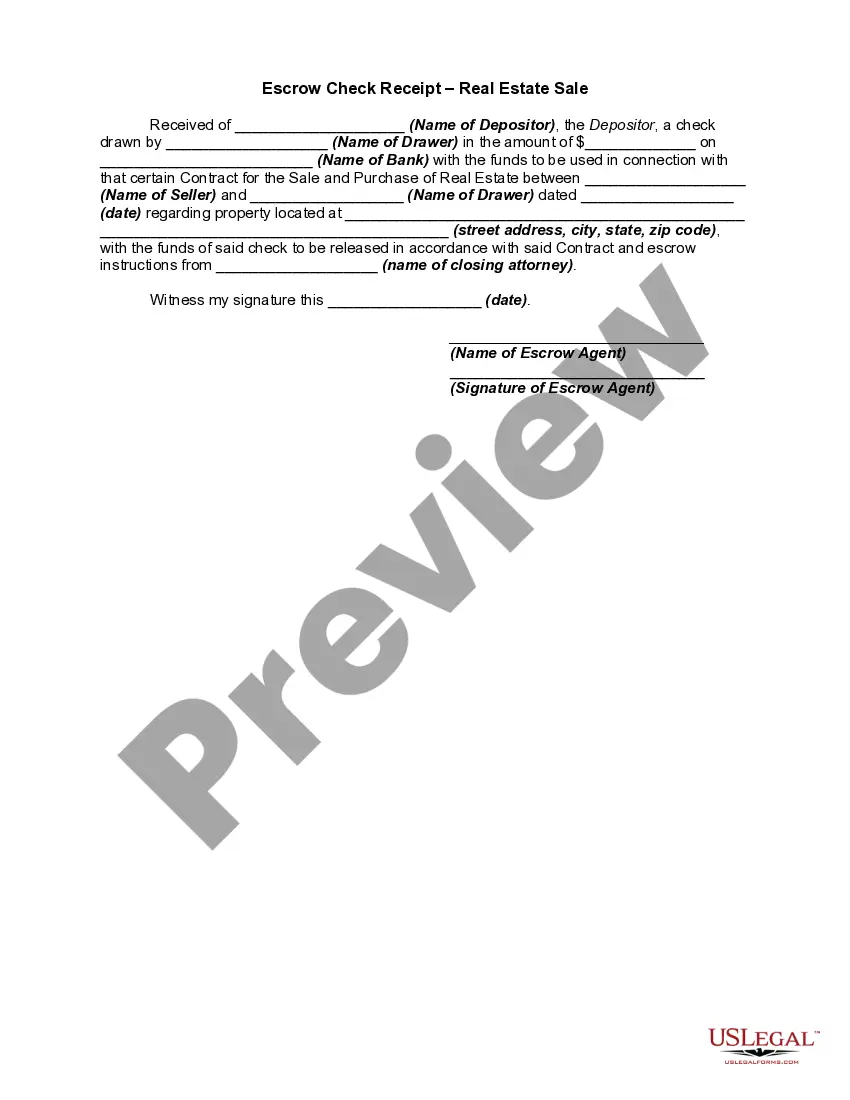
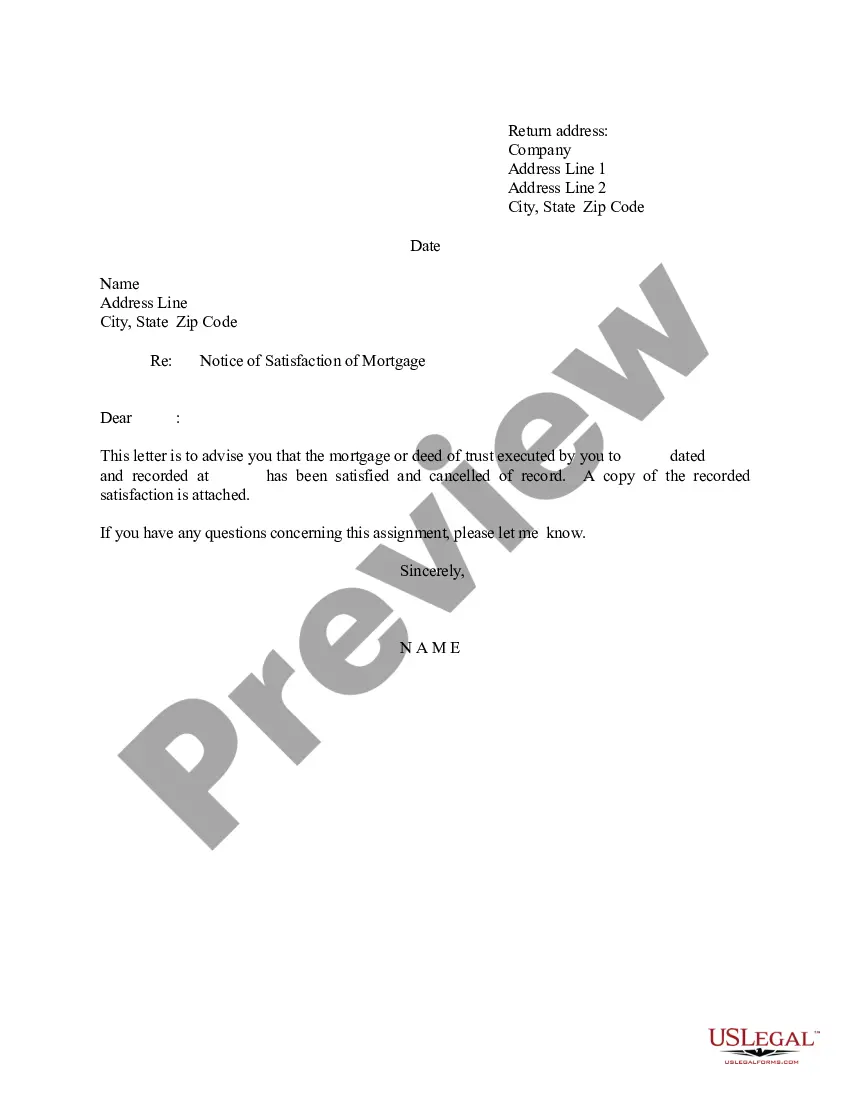
Get your form ready online
Our built-in tools help you complete, sign, share, and store your documents in one place.
Make edits, fill in missing information, and update formatting in US Legal Forms—just like you would in MS Word.
Download a copy, print it, send it by email, or mail it via USPS—whatever works best for your next step.
Sign and collect signatures with our SignNow integration. Send to multiple recipients, set reminders, and more. Go Premium to unlock E-Sign.
If this form requires notarization, complete it online through a secure video call—no need to meet a notary in person or wait for an appointment.
We protect your documents and personal data by following strict security and privacy standards.

Make edits, fill in missing information, and update formatting in US Legal Forms—just like you would in MS Word.

Download a copy, print it, send it by email, or mail it via USPS—whatever works best for your next step.

Sign and collect signatures with our SignNow integration. Send to multiple recipients, set reminders, and more. Go Premium to unlock E-Sign.

If this form requires notarization, complete it online through a secure video call—no need to meet a notary in person or wait for an appointment.

We protect your documents and personal data by following strict security and privacy standards.
Looking for another form?








Form popularity
FAQ
An escape is the bill for an increase to a prior annual roll. Change in ownership or the completion of construction can increase the assessed property value. If the increase in value is not added to the annual tax roll on a timely basis, then the increase will be billed at a later time.
(Art XIII Sec 3 of the CA Constitution, Rev & Tax 218). How do I qualify for the Homeowners' Exemption? To obtain the exemption for a property, you must be its owner or co-owner (or a purchaser named in a contract of sale), and you must live in the property as your principal place of residence.
Property that is owned and occupied as your principal place of residence as of the lien date (January 1st) may qualify for an exemption of $7,000 of assessed value. Contact the Assessor for details about the exemption.
Proposition 13 limits the general property tax rate to 1 percent of the assessed value, plus an amount for the debt service on any bonds approved by popular vote. The tax rate will vary depending on where the property is located.
For Riverside County, the 2024 homestead exemption is $612,000. For San Bernardino County, the 2024 homestead exemption is $475,000. If you have not recorded a homestead declaration for your home, we recommend you do so. The homestead declaration puts everyone on notice that your residence is your homestead.
In California, all properties are subject to a basic tax rate of 1% based on their assessed value. This value is set by the county assessor when the property is bought or newly built. For example, if your assessment is $500,000, the basic property tax you owe would be $5,000 annually.
In 1978, the California Constitution was amended by the voters to restrict increases of property taxes. Proposition 13 requires assessment of each taxable property based on its fair market value and limits a property owner's general levy tax to 1 percent of the assessed value.
To claim the exemption, the homeowner must make a one-time filing with the county assessor where the property is located. The claim form, BOE-266, Claim for Homeowners' Property Tax Exemption, is available from the county assessor.
San Bernardino, CA. To change the name(s) on real property, the present owner(s) should execute a new deed conveying the property from the name(s) as they presently appear, to the name(s) that will be used to hold title. Full names of all parties must be used.
